Tracing residential mobility trough isotopic analysis demonstrates once more that grave-goods and funeral practice cannot be used as ethnic markers
‘Medieval Histories’ offers medievalists all the news about exhibitions, books, research, archaeology, travel-tips and much more from the Medieval World
Tracing residential mobility trough isotopic analysis demonstrates once more that grave-goods and funeral practice cannot be used as ethnic markers
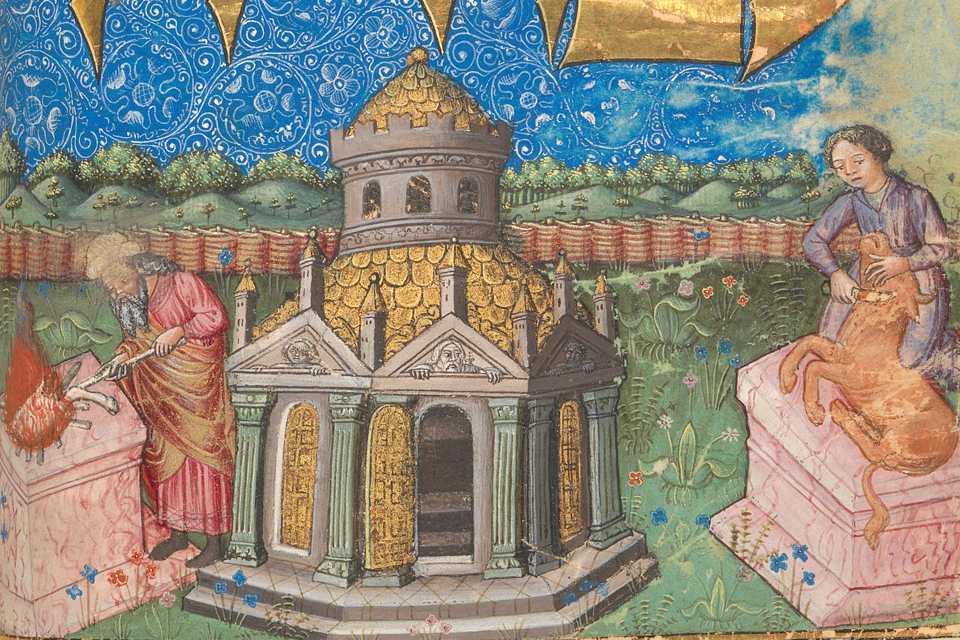
Exhibition at the Met shows the art, the religious fervour and the inspiration, which medieval Jerusalem offered to Jews, Christians and Muslims 1000 - 1400
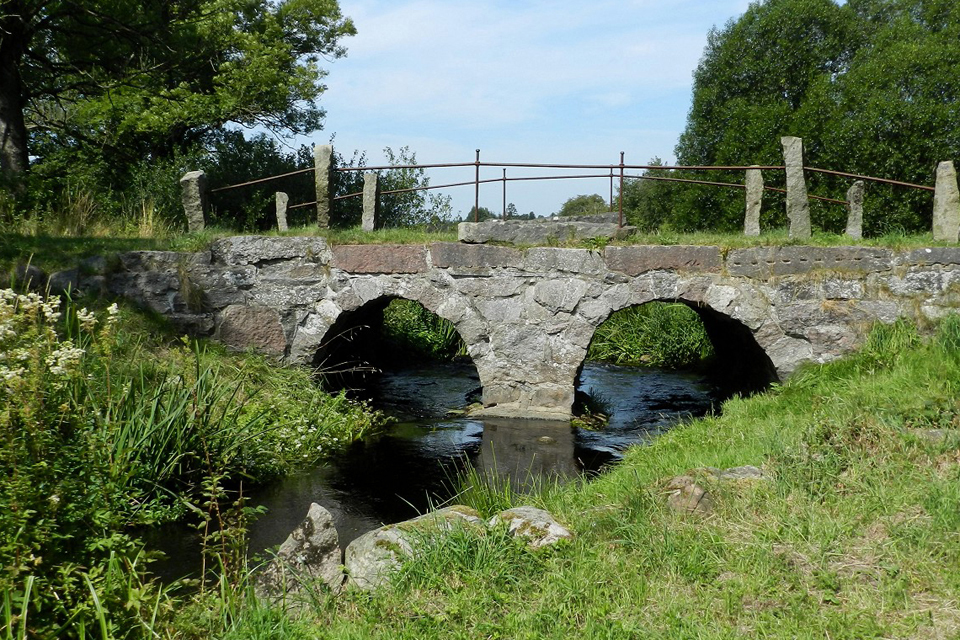
The Power of the Harp is a medieval ballad attested in a Danish, Swedish, Norwegian and Icelandic. It tells the story of a frightful fall of fair maiden from a stumbling palfrey and into a river.
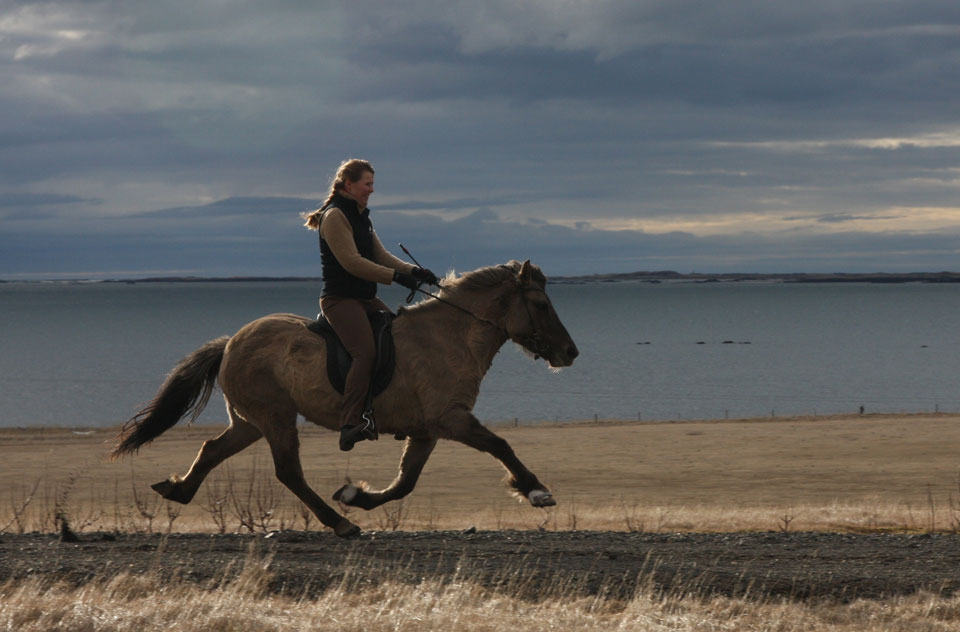
Icelandic Viking horses are known for they ambling gait. Following the gene, scientists now suggest that the first Icelandic horses were in fact English
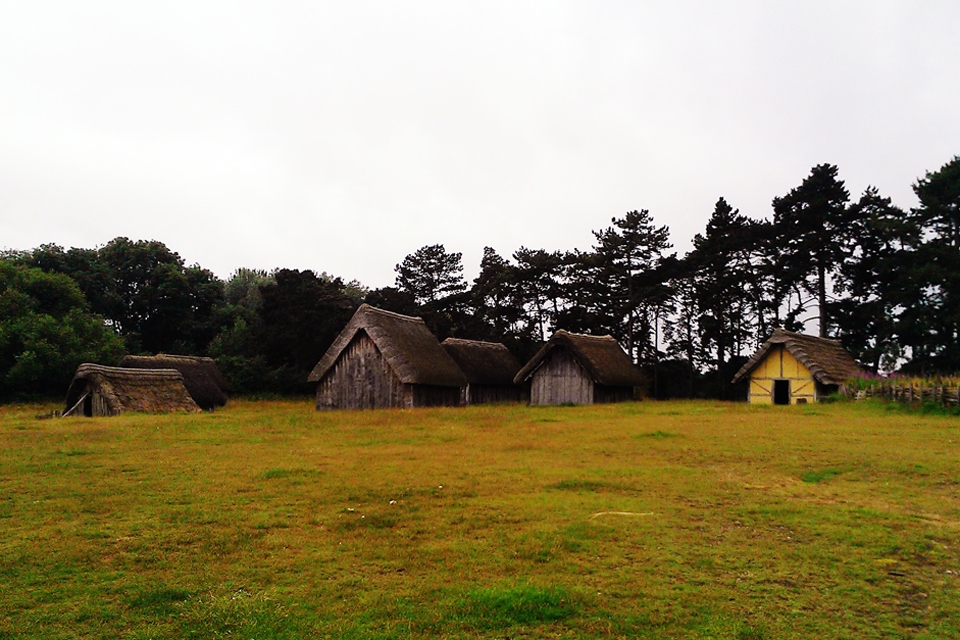
Bede used charters and other written documents while writing his histories. Careful sifting of the evidence reveals that he also used a now lost "Tribal Hidage".
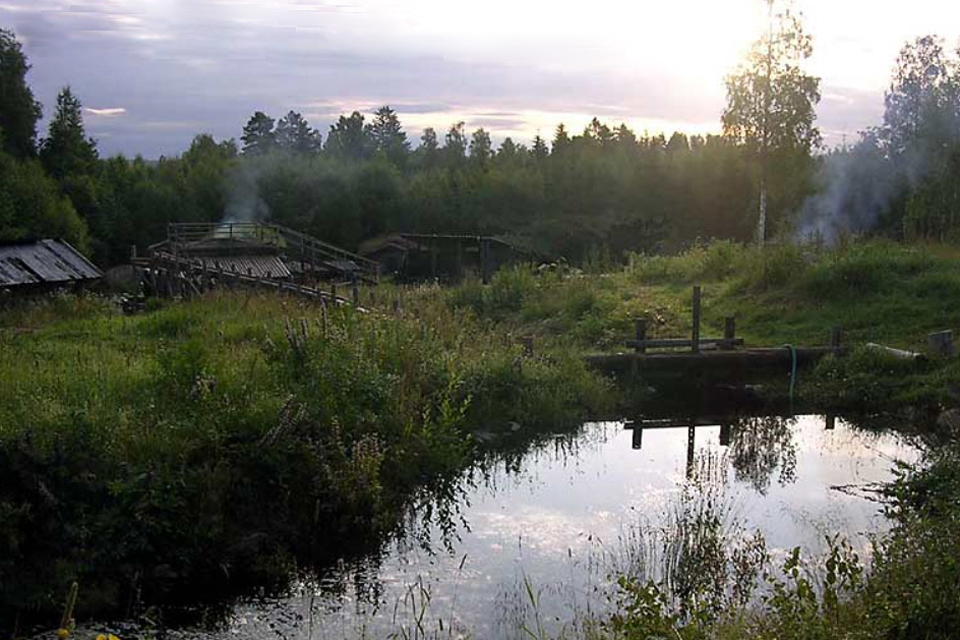
The economic history of Medieval Sweden is entwined with the early development of proto-industrial iron works and mining in the region north of Stockholm.
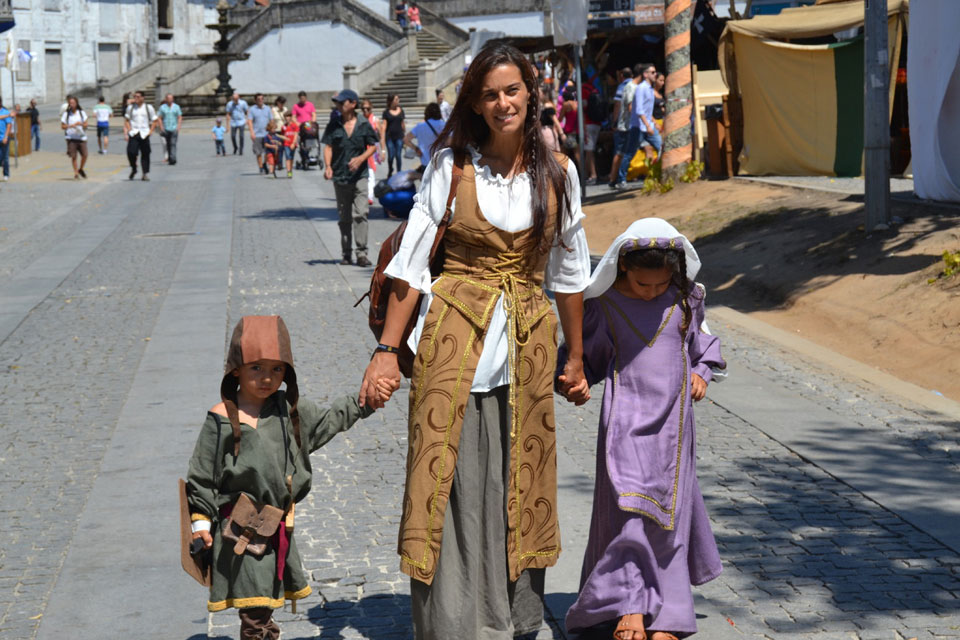
A major European medieval events is the twelve-day-festival in Santa Maria da Feira in Portugal. Recently the motives behind participation were explored.

Charles IV was obsessed with collecting holy relics. Among these, the Royal Relics, assisted Charles in the creation of himself as a sacral king.
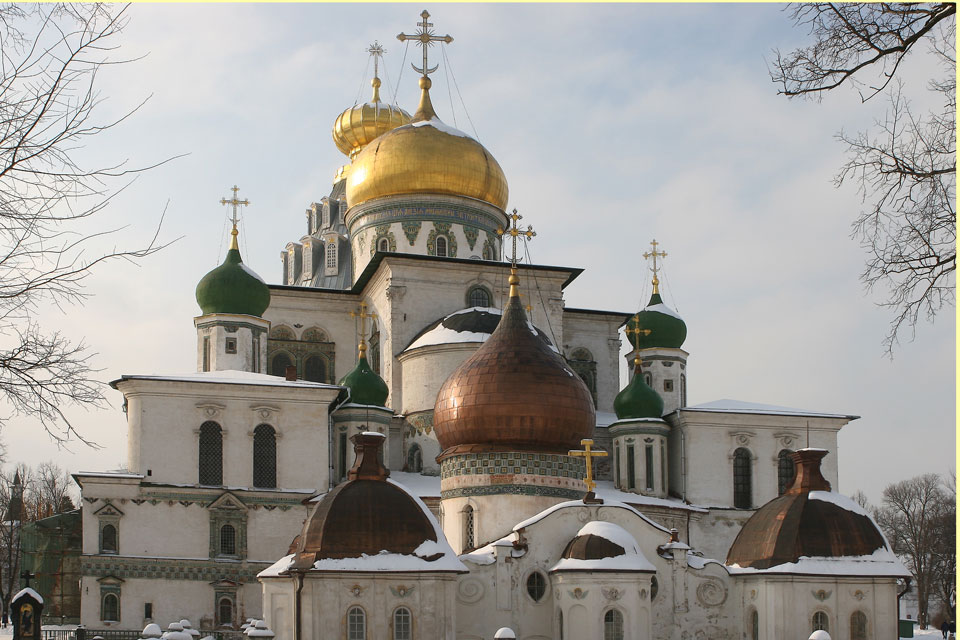
New book explores the monastic culture in Western European Catholic and Russian Orthodox monasteries and convents from the Medieval and early Modern Period

The re-enactment of the Coronation of Charles IV in Prague is a recurrent event. This year, it will be a faithful, scientifically based recreation
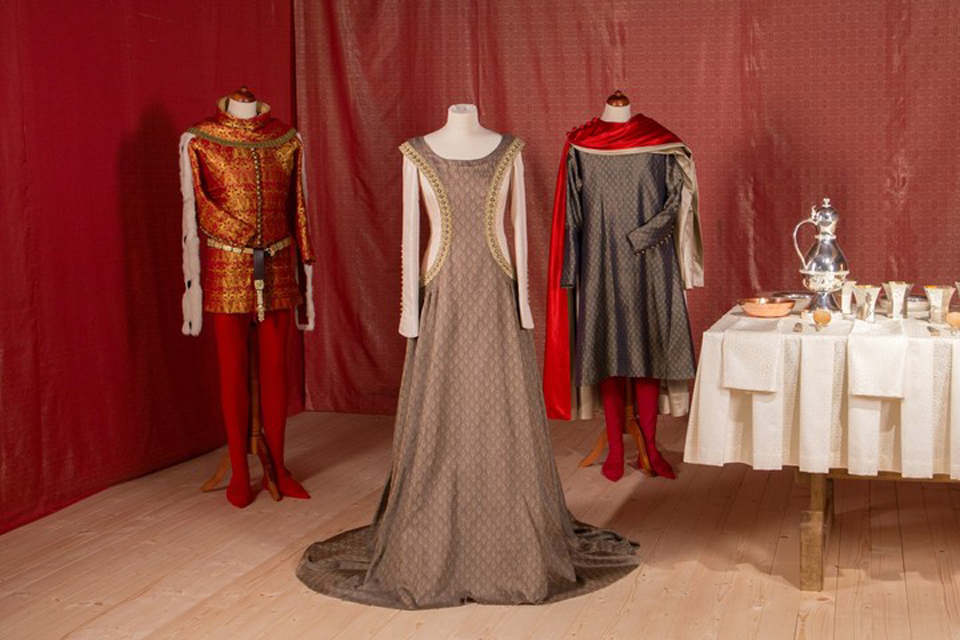
The Karlštejn Treasure is a collection of around 400 objects dating back to the 14th century, when Charles IV commissioned the building of the Castle.
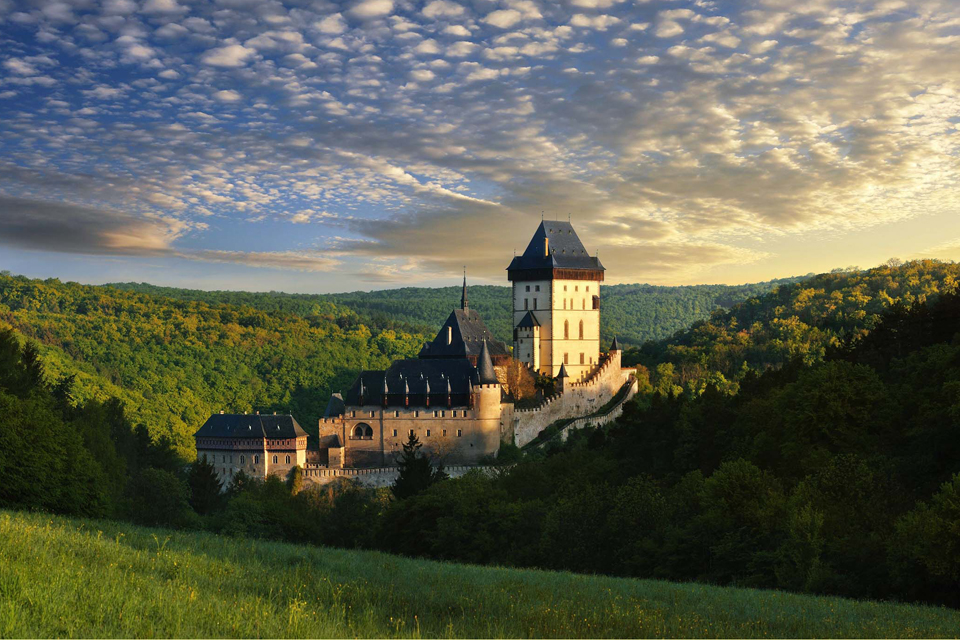
Karlstejn is a remarkable witness to the creative energy of Charles IV, king of Bohema and Holy Roman Emperor 1316 - 1378
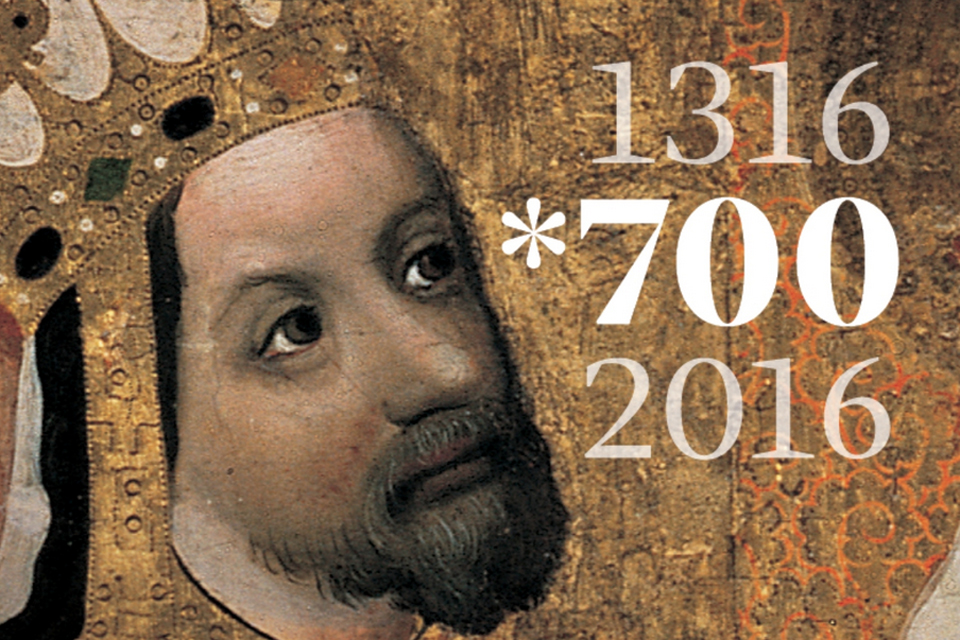
This year Prag and Nuremberg celebrates the birth of Charles IV (1316 – 1378) with two major exhibitions and a number of other events.

Charles IV was an extremely sensual person possessing a creative and curious mind. A vast number of sources witness to this remarkable leader

Charles IV was a king obsessed with organising feasts and processions of all sorts. His rebuilding of Prague is a witness to this.

Charles IV was obsessed with organising impressive medieval spectacles. One of the important props were his crowns, of which we know several.