What did Paris sound like in the lifetime of Nicolas Flamel (c. 1330–1418)? As part of its exhibition Nicolas Flamel, alchimiste de papier, the Musée de Cluny invites visitors to explore the musical world of this wealthy Parisian bourgeois
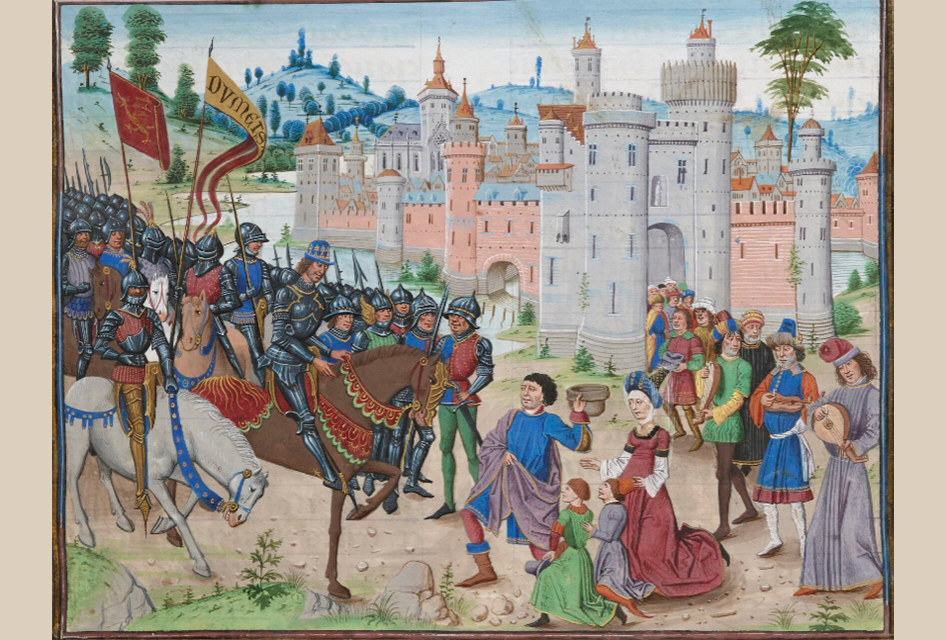
What did Paris sound like in the lifetime of Nicolas Flamel (c. 1330–1418)? As part of its exhibition Nicolas Flamel, alchimiste de papier, the Musée de Cluny invites visitors to explore the musical world of this wealthy Parisian bourgeois
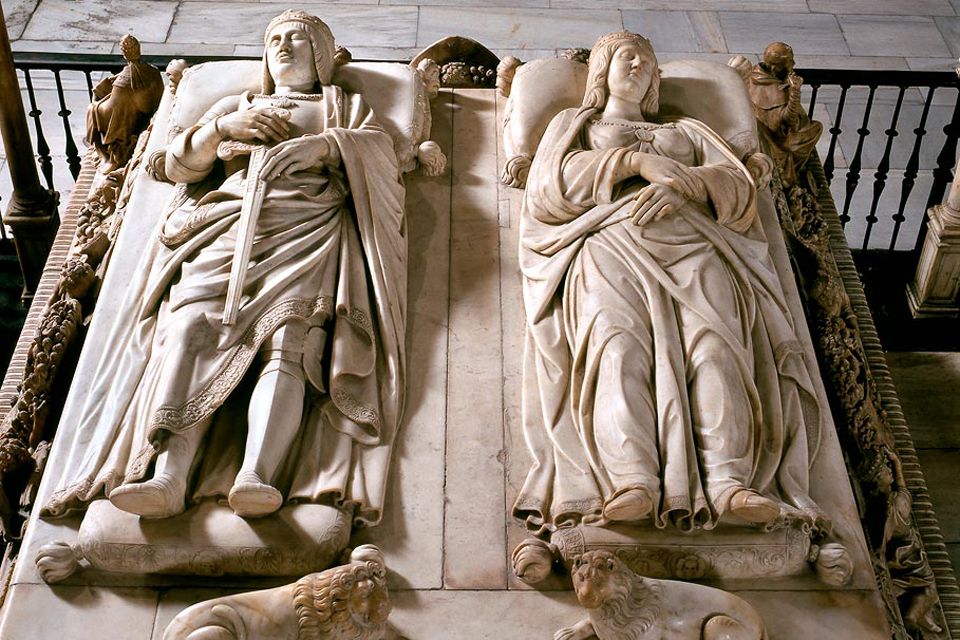
Until recently a requiem by the Spanish Composer, Antonio Gallego, was totally unknown. Currently, a project is crowdsourcing funds to get it performed.
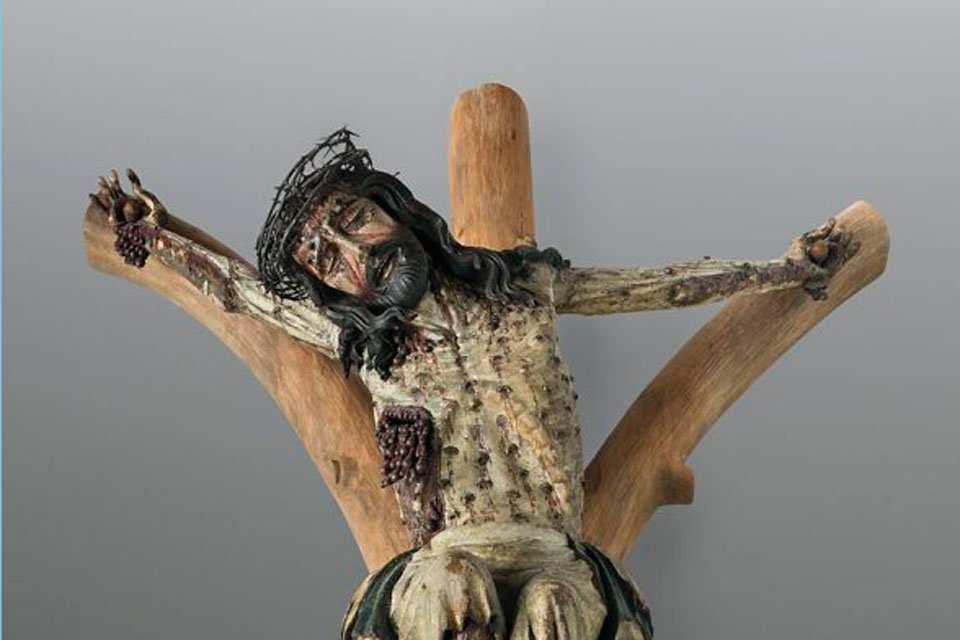
In the Late Middle Ages, the immersion into the corporeall horrors of the crucifixion led to a new devotional practice, the sensual contemplation of the wounds. Arnulf of Leuven led the way
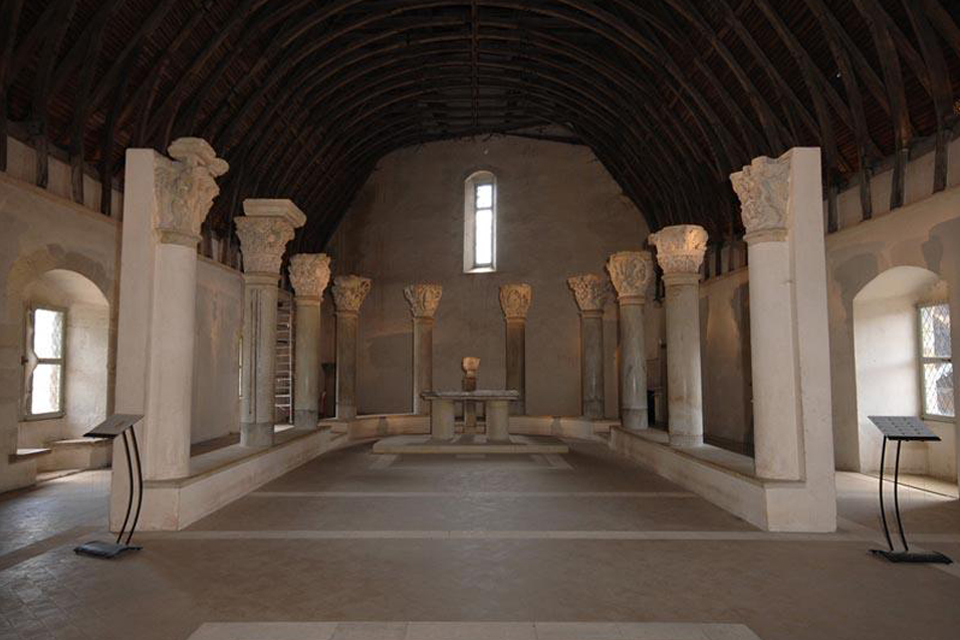
In 2010 a group of digital wizards recreated the Maior Ecclesia of Cluny. Now, another team has worked to reconstruct the soundscape.
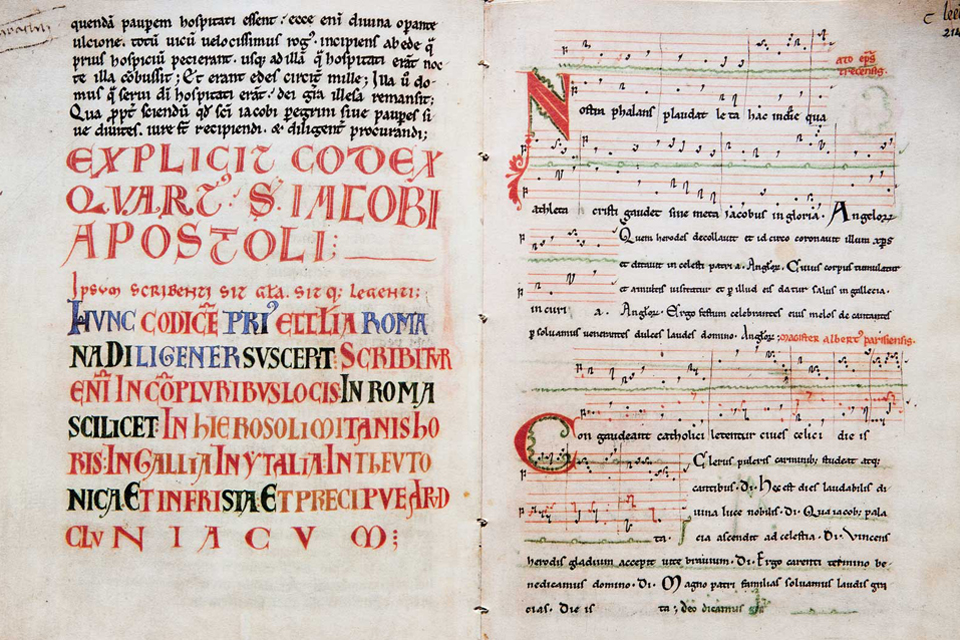
Can you recreate the medieval soundscape of cathedrals? An ingenious reconstruction of the acoustics in the Cathedral in Santiago de Compostela shows the way
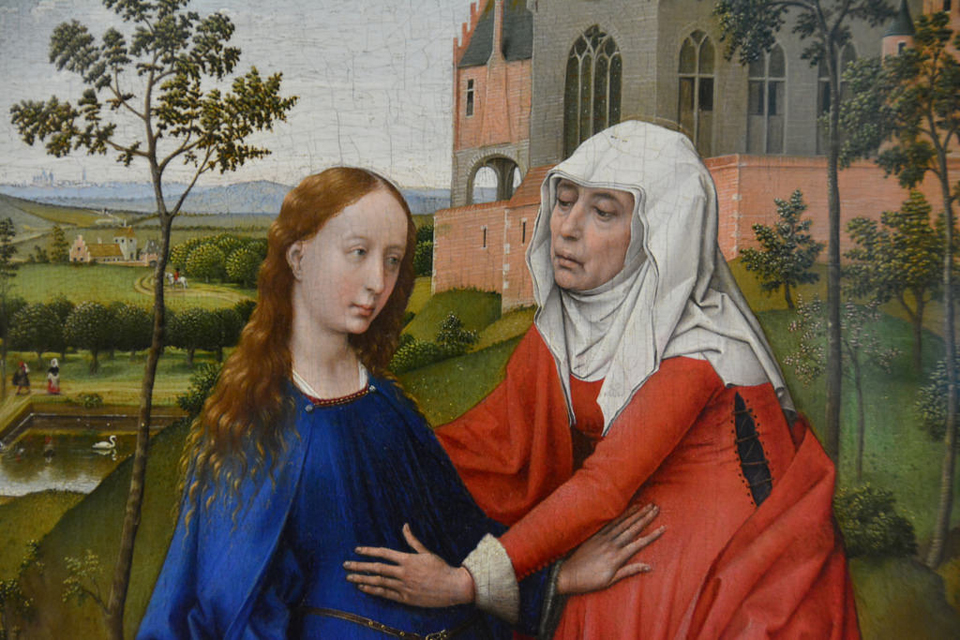
Loyset Compère is known for his lovely songs. New recording by The Orlando Concert lets us enjoy the vibrant sounds to the full

Mélanie Bruniaux also known as Anima Keltia is a Celtic and Medieval music harpist. Her first record presents a pleasing repertoire.
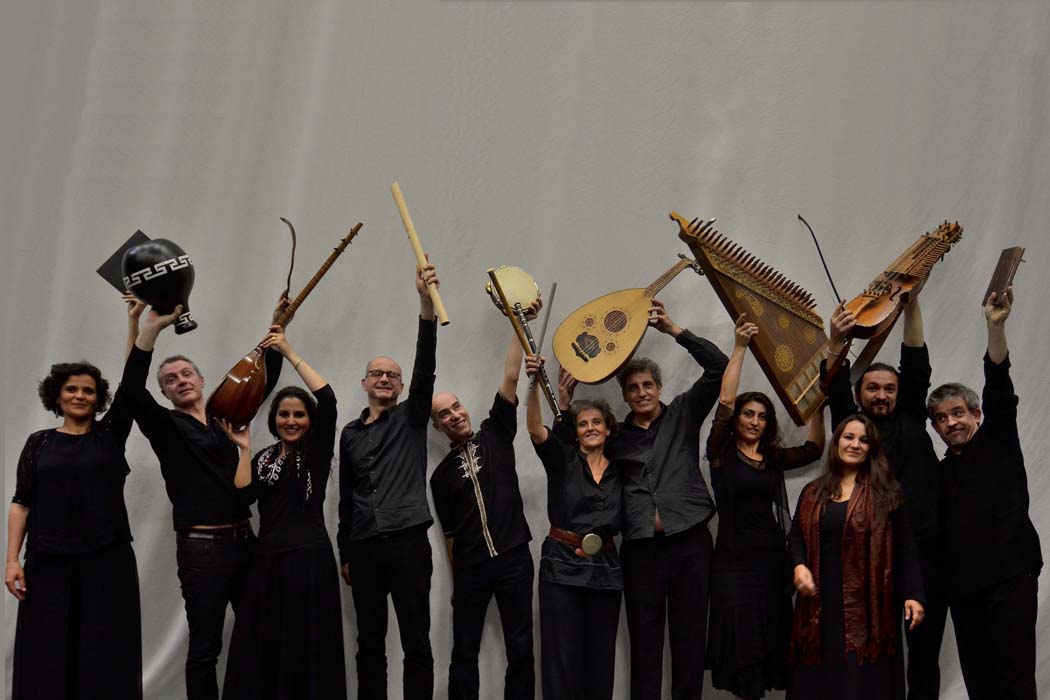
Aaashenayi is a spellbinding musical Encounter with Ottoman Music during the reign of Suleiman the Magnificent, 1494 - 1566
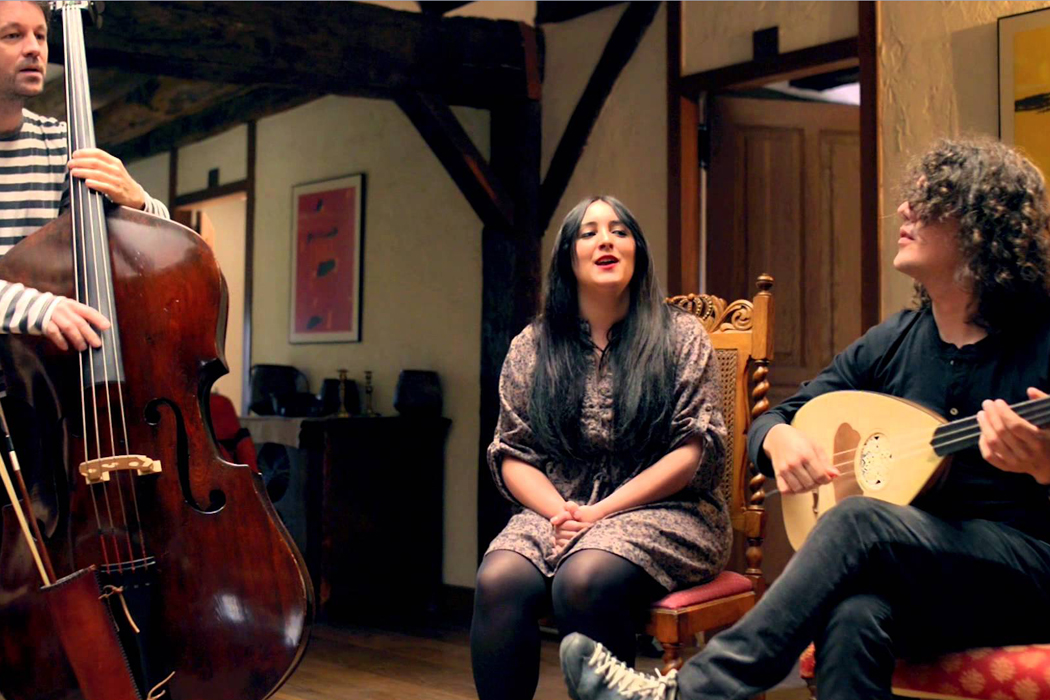
Basque music has a special tone and differs markedly from Castillian or Andalusian soundscapes. New record captures a kind of medieval and early modern music very seldom heard.

More than 1200 Galician-Portuguese medieval lyrics are preserved in two renaissance manuscripts. New research explores the special genre: the tenson (the debate)
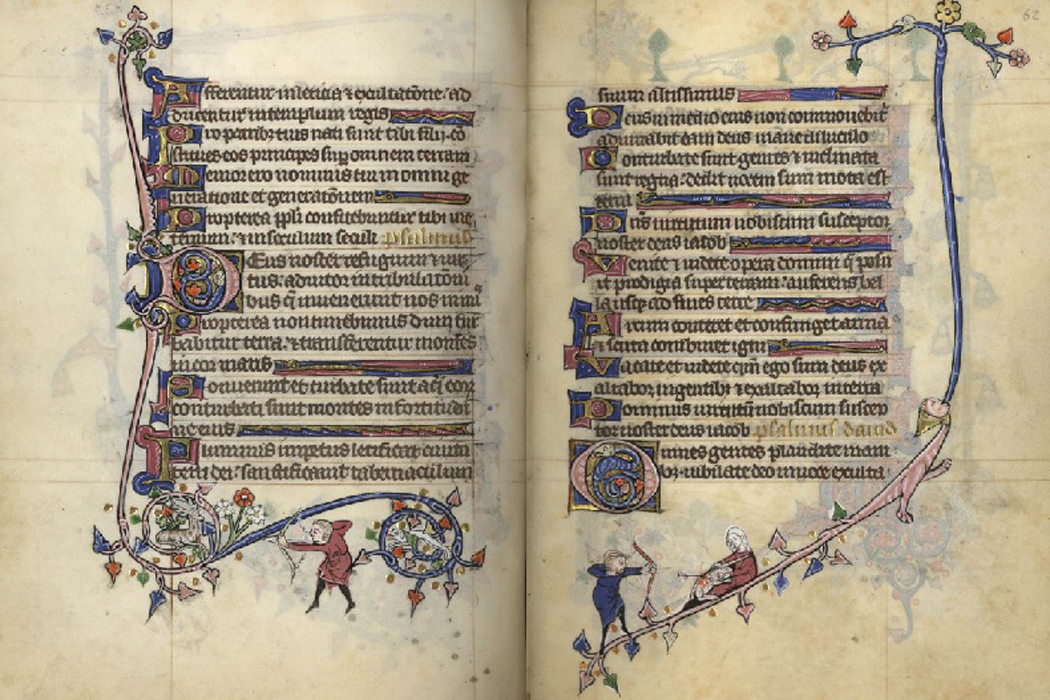
Syntagma recently published a media book on the work of Jehan de Lescurel
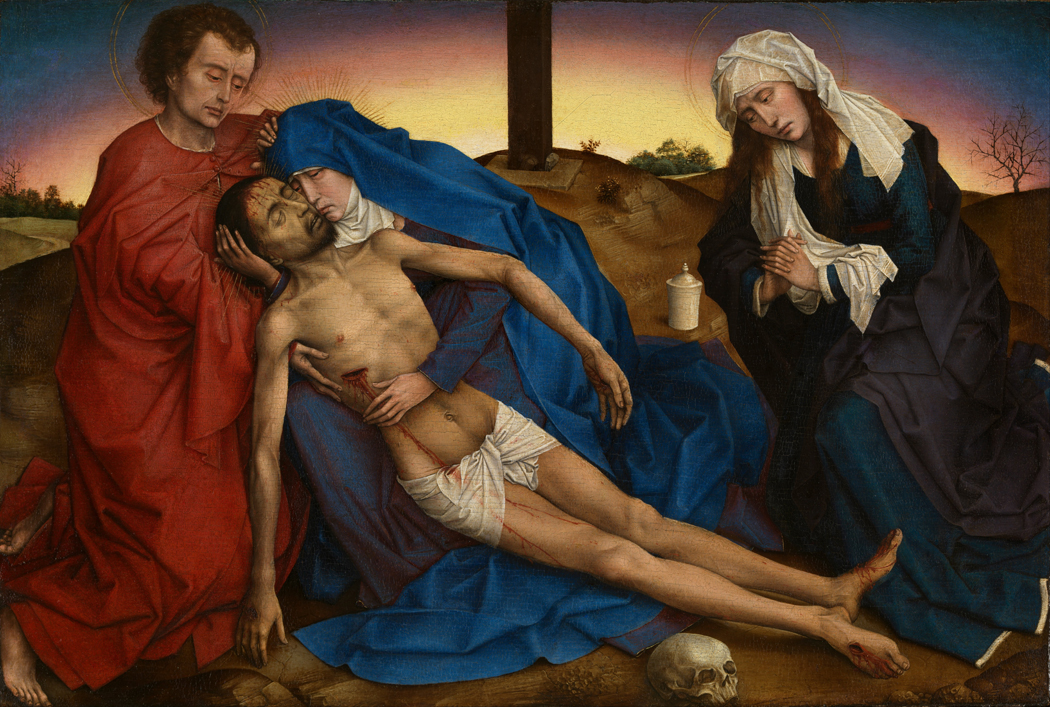
A new recording of Spanish medieval lamentations presents us with a haunting sound appropriate for Easter
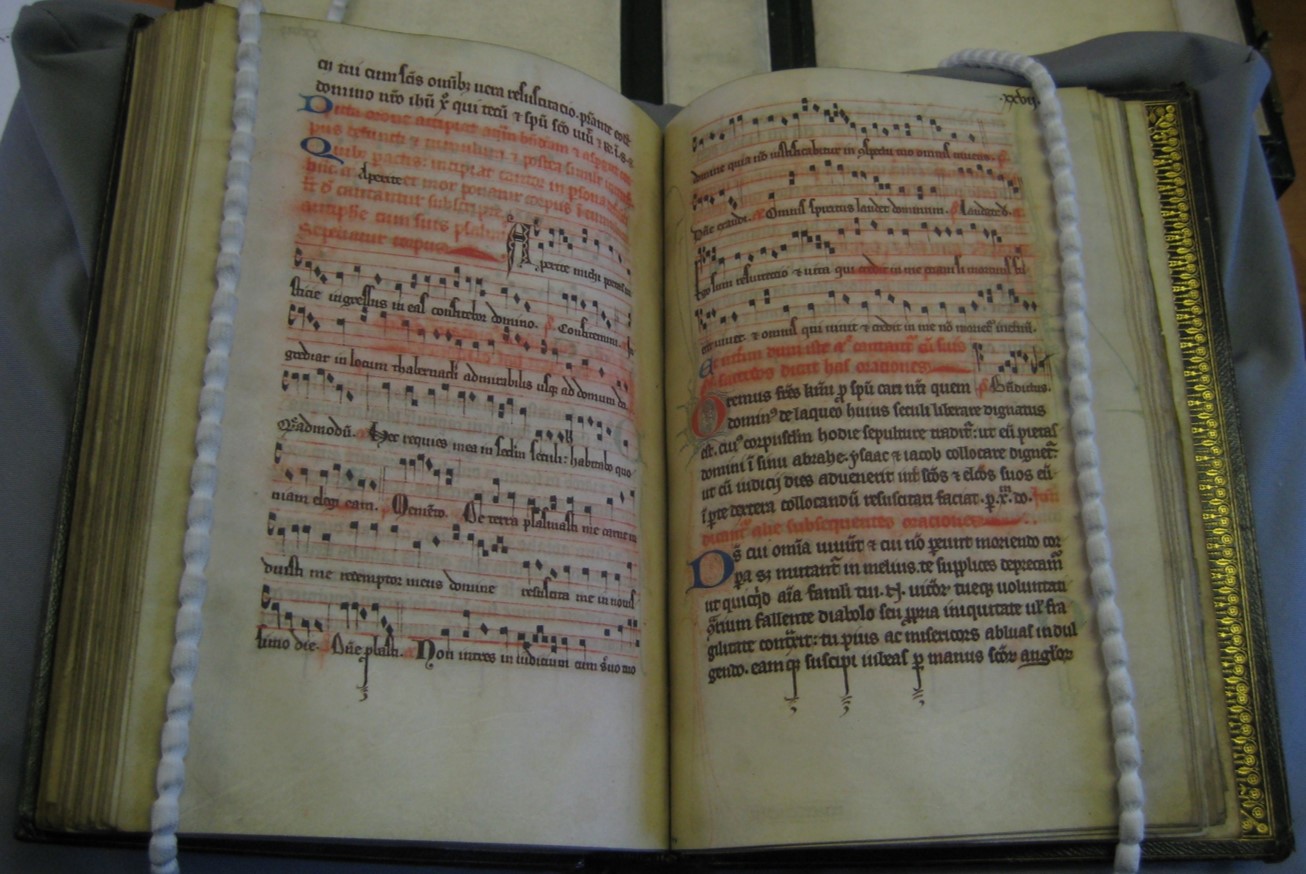
Medieval and modern music will be mixed at the Reinterment Service of Richard III on Thursday, the 25th 2015
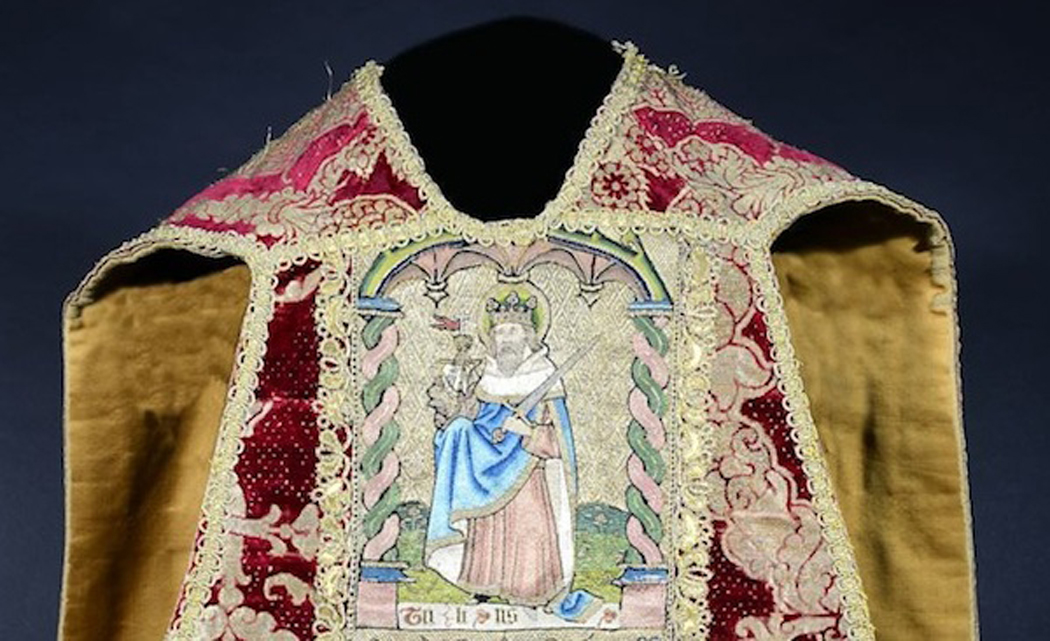
A priceless vestment believed to be from the royal wardrobe of Richard III will be worn by Cardinal Vincent Nichols celebrating Requiem Mass for the king
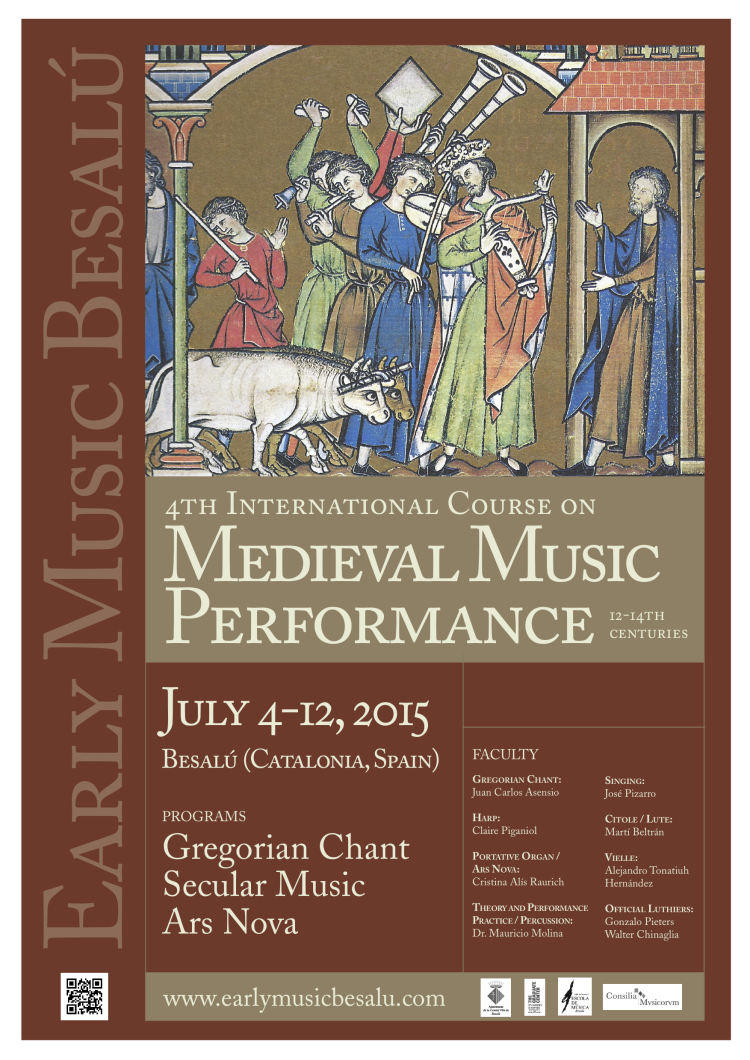 The International Course on Medieval Music Performance offers singers and instrumentalists the possibility to study monophonic and polyphonic repertoires composed from the 12th to the 14th centuries. The course is organized in the medieval surroundings of Besalú, a small town in Norther Catalonia in Spain. Besalú is one of the most important and better-preserved medieval towns of Catalonia (Spain). It was already important during the 10th century as the capital of an independent county. In 1966, it was declared a “National Historic-Artistic Ensemble” due to its high medieval architectural significance. Strolling through the medieval streets and squares, we find the monumental Romanesque churches of Sant Pere and Sant Vicenç, the Romanesque hospital of Sant Pau, a majestic bridge with two defensive towers that was built over the river Fluvià during the same period, the Jewish quarter and its miqveh or jewish ritual bath, the Gothic Palace of the Royal Curia with is wide hall, and a series of medieval secular buildings spread out through the different neighborhoods. All these different patrimonial elements make the village a truly ideal place to conduct the International Course on Medieval Music Performance.
The course masterfully combines rigorous musicological research with a vibrant reconstruction of performance practice.
Luthiers: Medieval musical instruments by our specialized makers.
4th International Course on Medieval Music Performance
Besalù, Catalonia
04.07.2015 – 12.07.2015
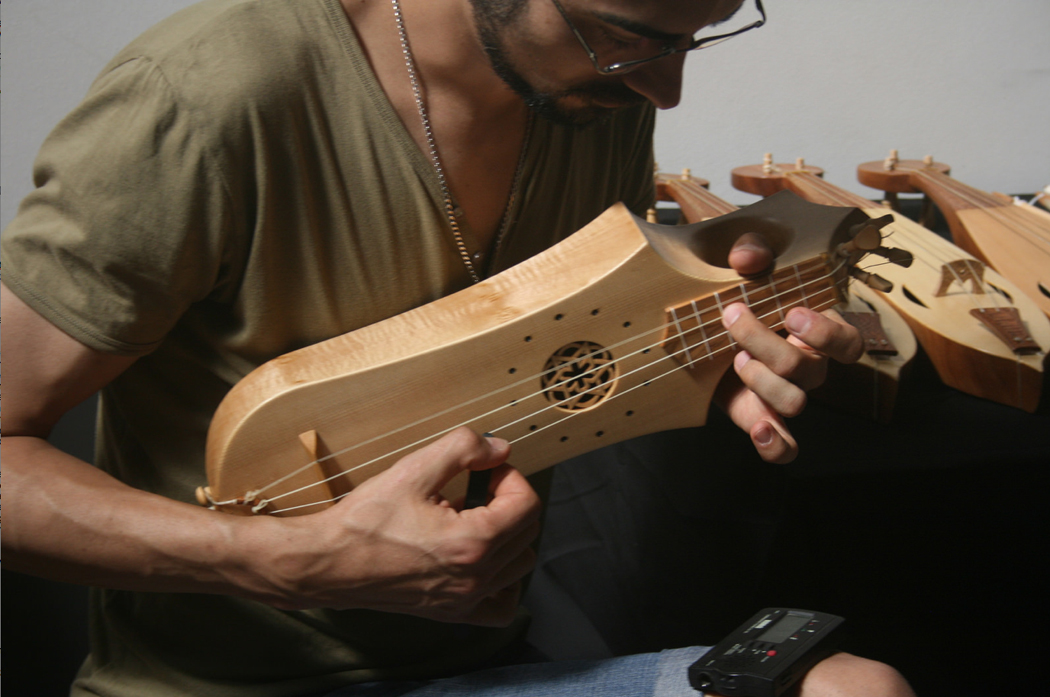
FEATURED PHOTO: Intense Moment in Besalú 2014
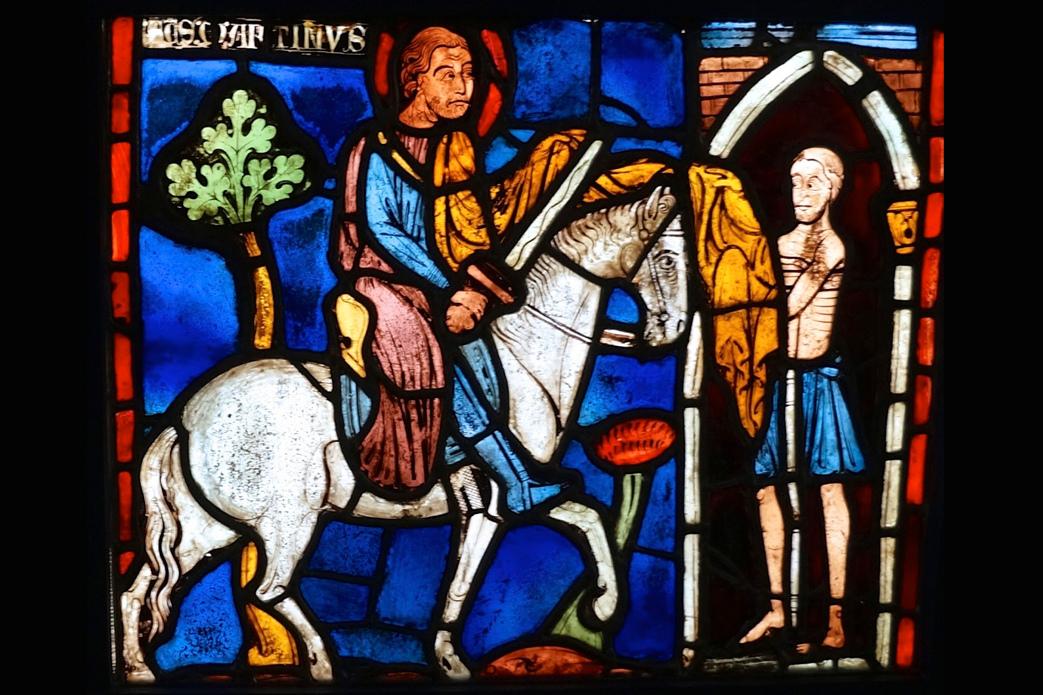
REVIEW: Medieval Music, Legend, and the Cult of St Martin. The Local Foundations of a Universal Saint