The famous Ulfbehrt Swords were perhaps made in Fulda
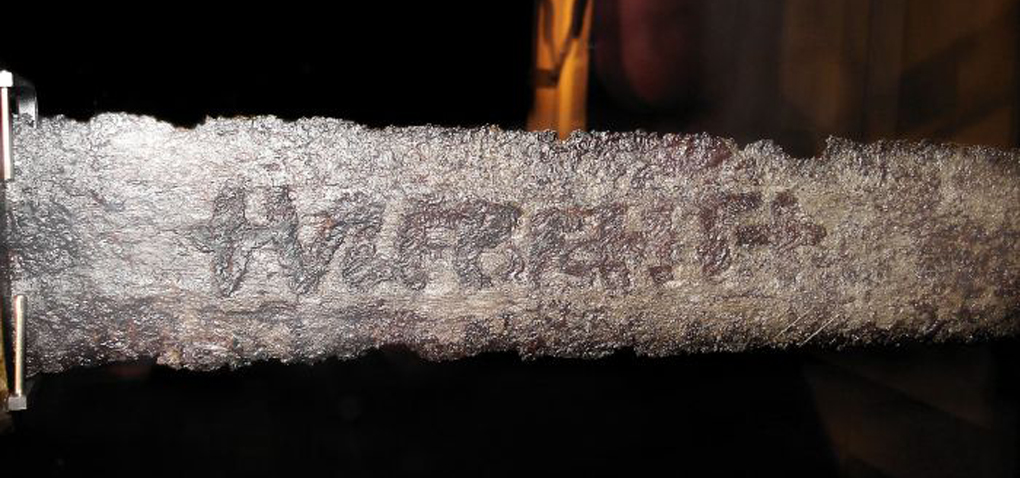
The famous Ulfbehrt Swords were perhaps made in Fulda
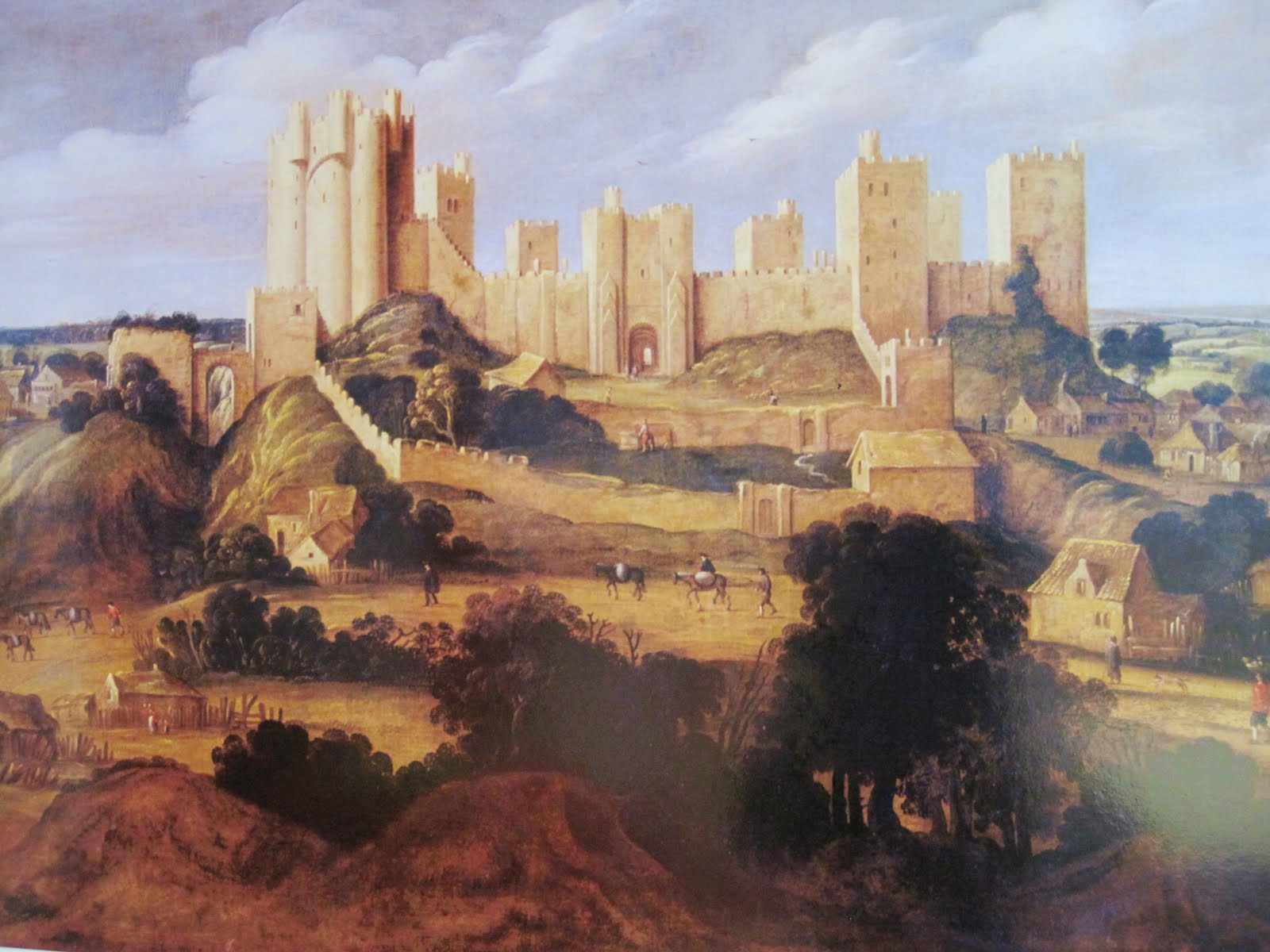
Pontefract Castle secures Heritage Lottery Fund investment of over £3million
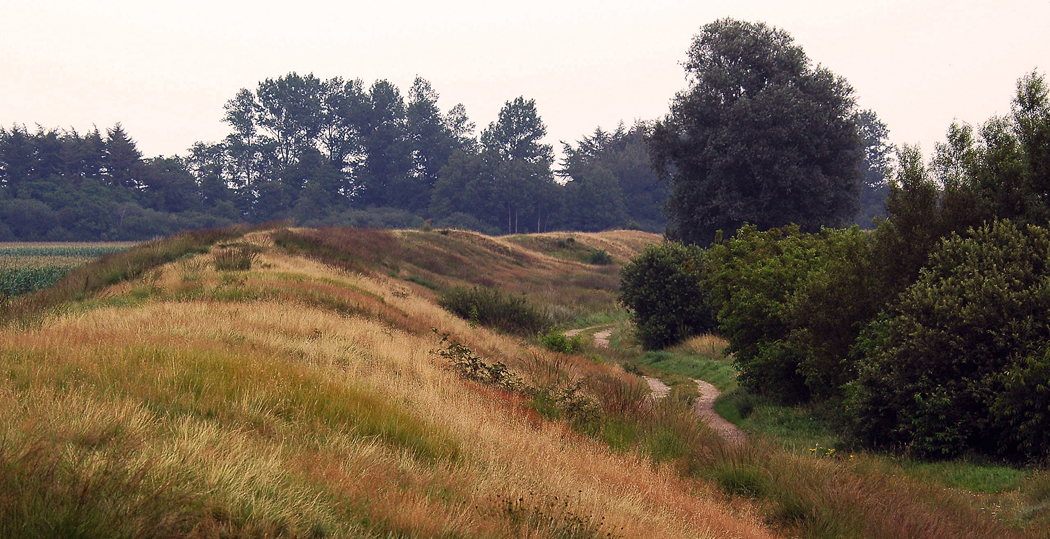
Cujus Regio is a research project, which aims at a synthesizing analysis of a group of contested regions within Europe and how they came about.
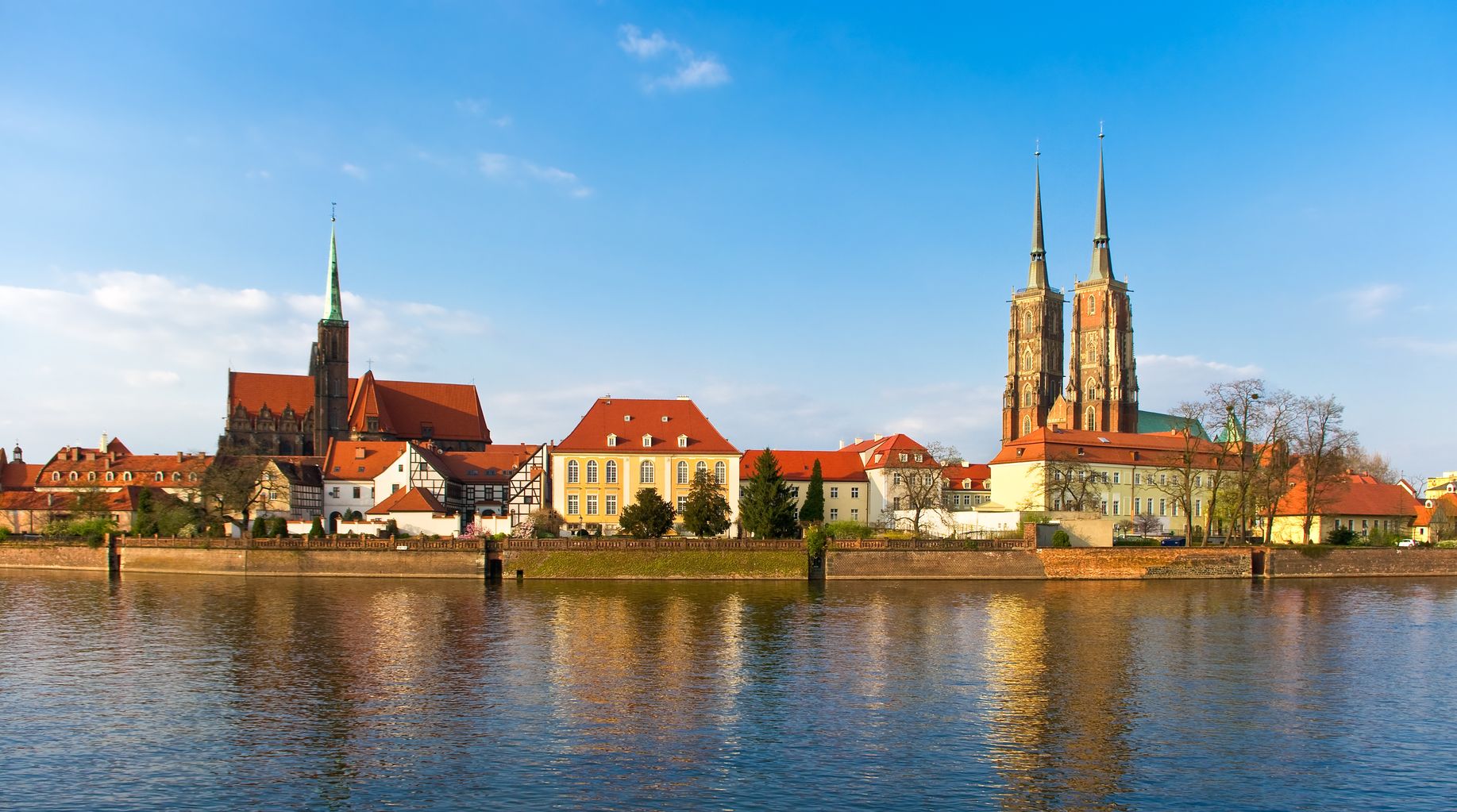
Silesia is a region situated in the borderland between present-day Austria, the Czech Republic, Germany and Poland. New book tells its Medieval History
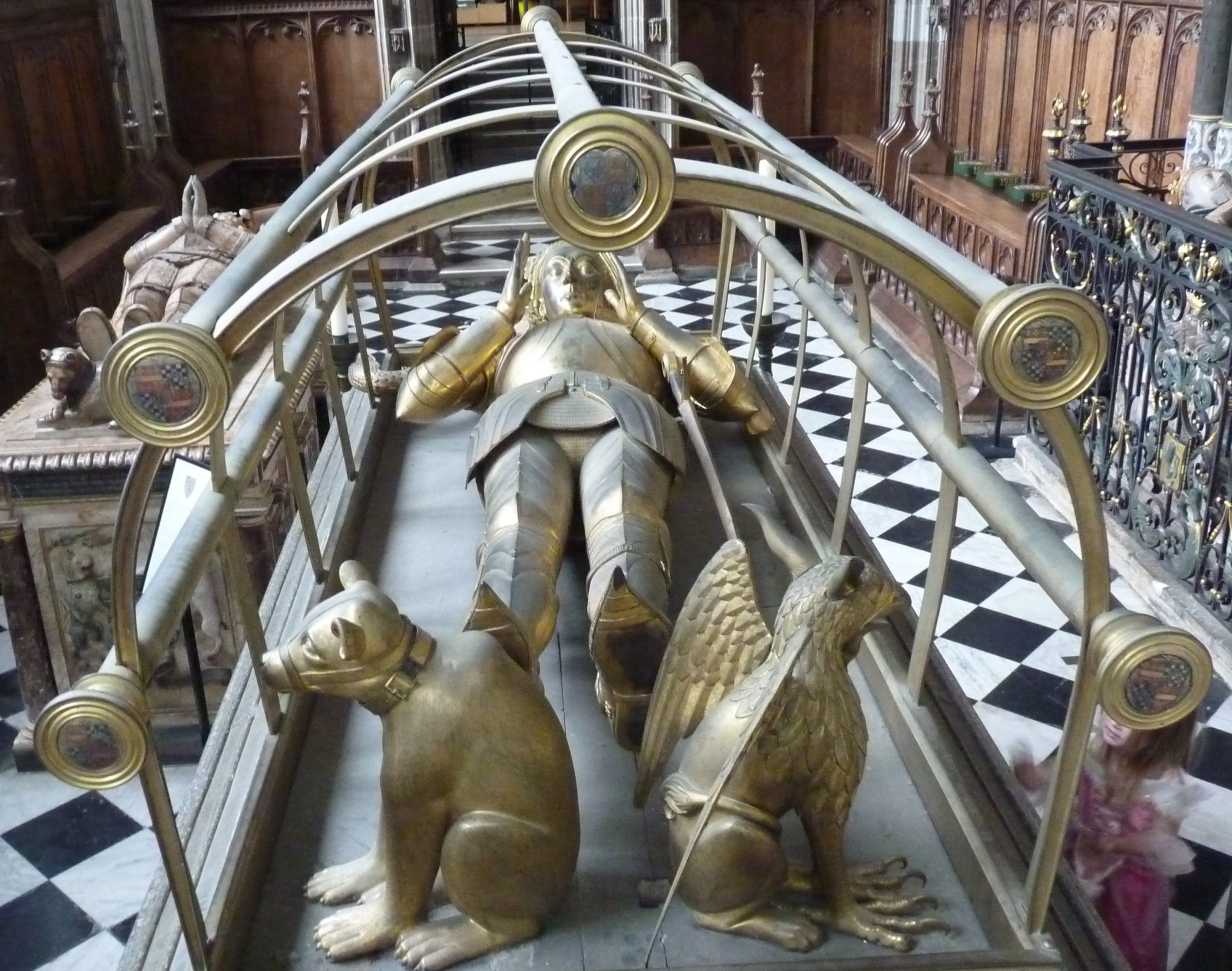
Designated chapels for reburials became a fashionable trend in the 15th century. Recently a text was discovered outlining the liturgy used in 1475

King Richard lll will be reinterred in March 2015

The King Richard III Visitor Centre in Leicester is now open
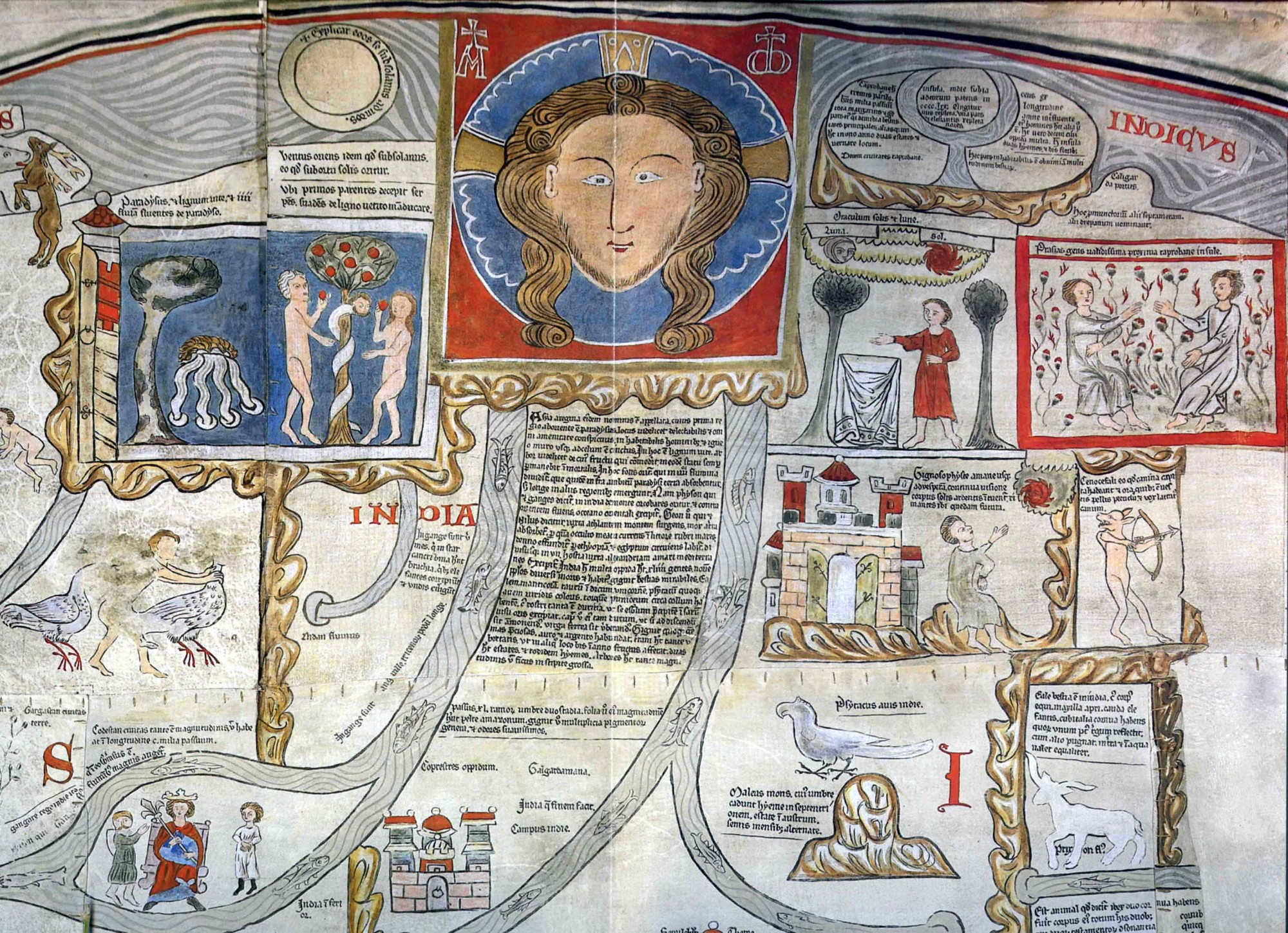
The Ebstorf Map belongs to a group of maps known as the Mappae Mundi
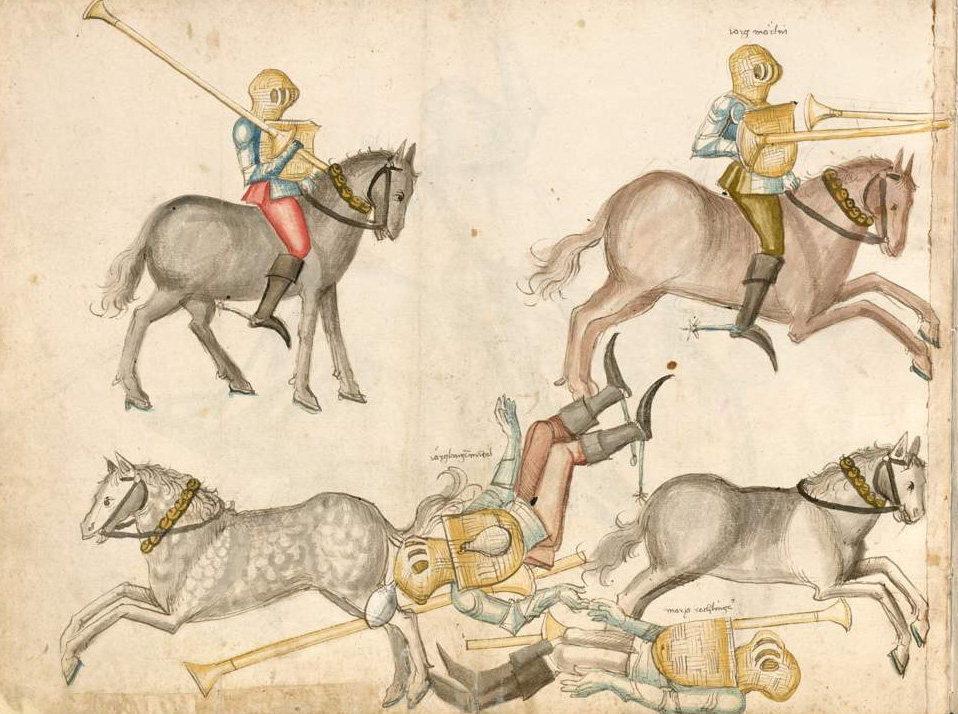
New edition of Marx Walther’s Tournament Book from the 15th century brings us close to the more popular parts of these late-medieval feasts.

Chivalry and Tournaments – the story of a late medieval festival is an exhibition in Schaffhausen in Switzerland 2014
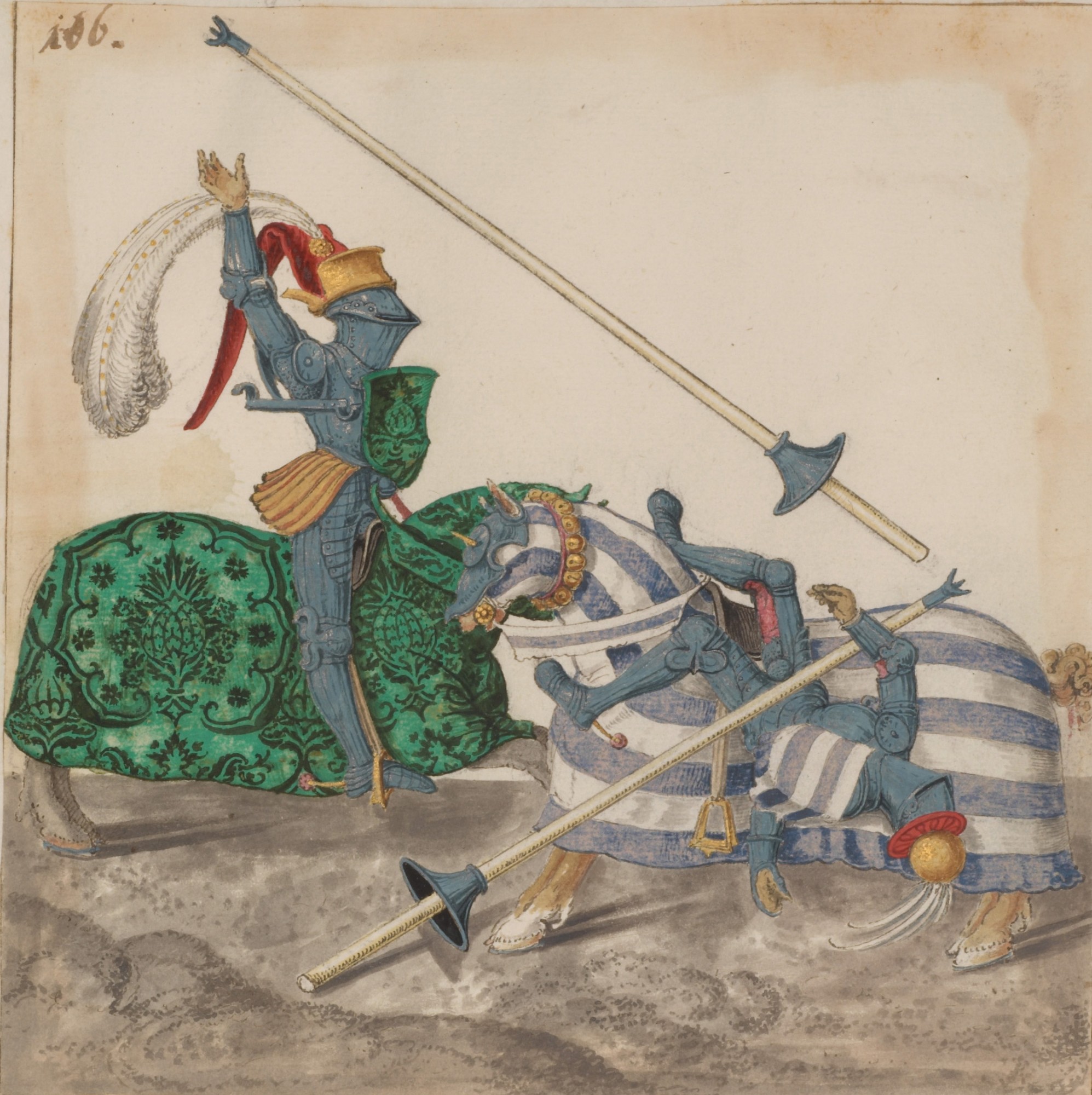
The story of Maximilian I as the "last knight" is told in Mannheim this summer (2014)
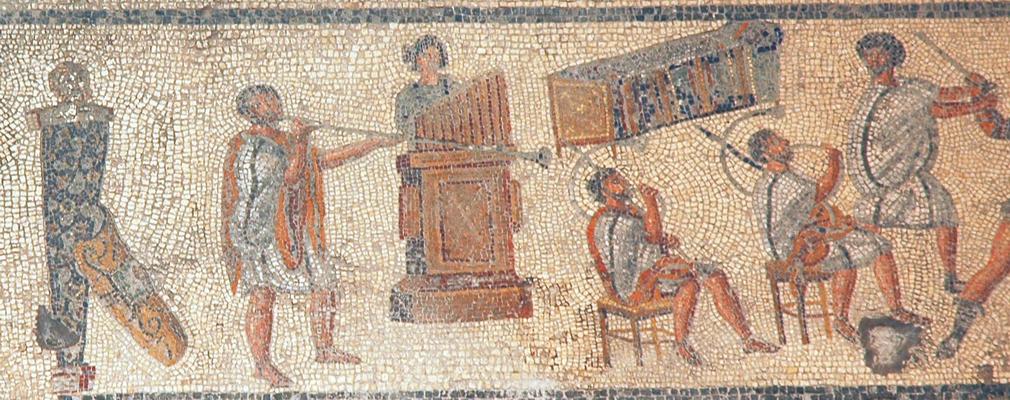
The organ was a prestigious instrument in the Byzantine Empire. New reproductions of early medieval organs help to uncover ancient music.
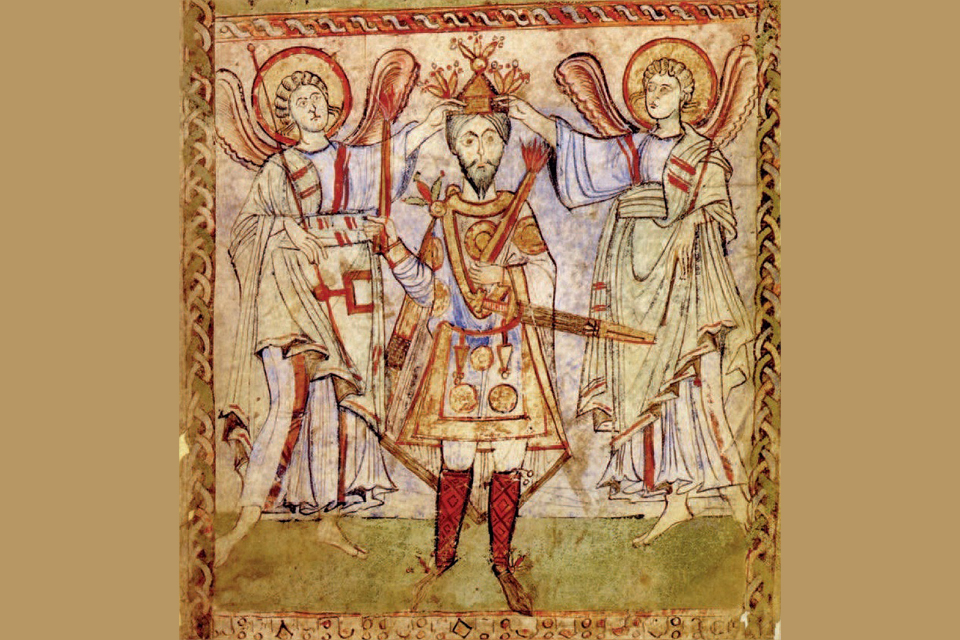
Swords as symbols of sovereignty are known from the 11th century and onwards. However, careful examination of new evidence shows the precursors belonging to the 10th century Ottonian dynasty were typical Viking swords
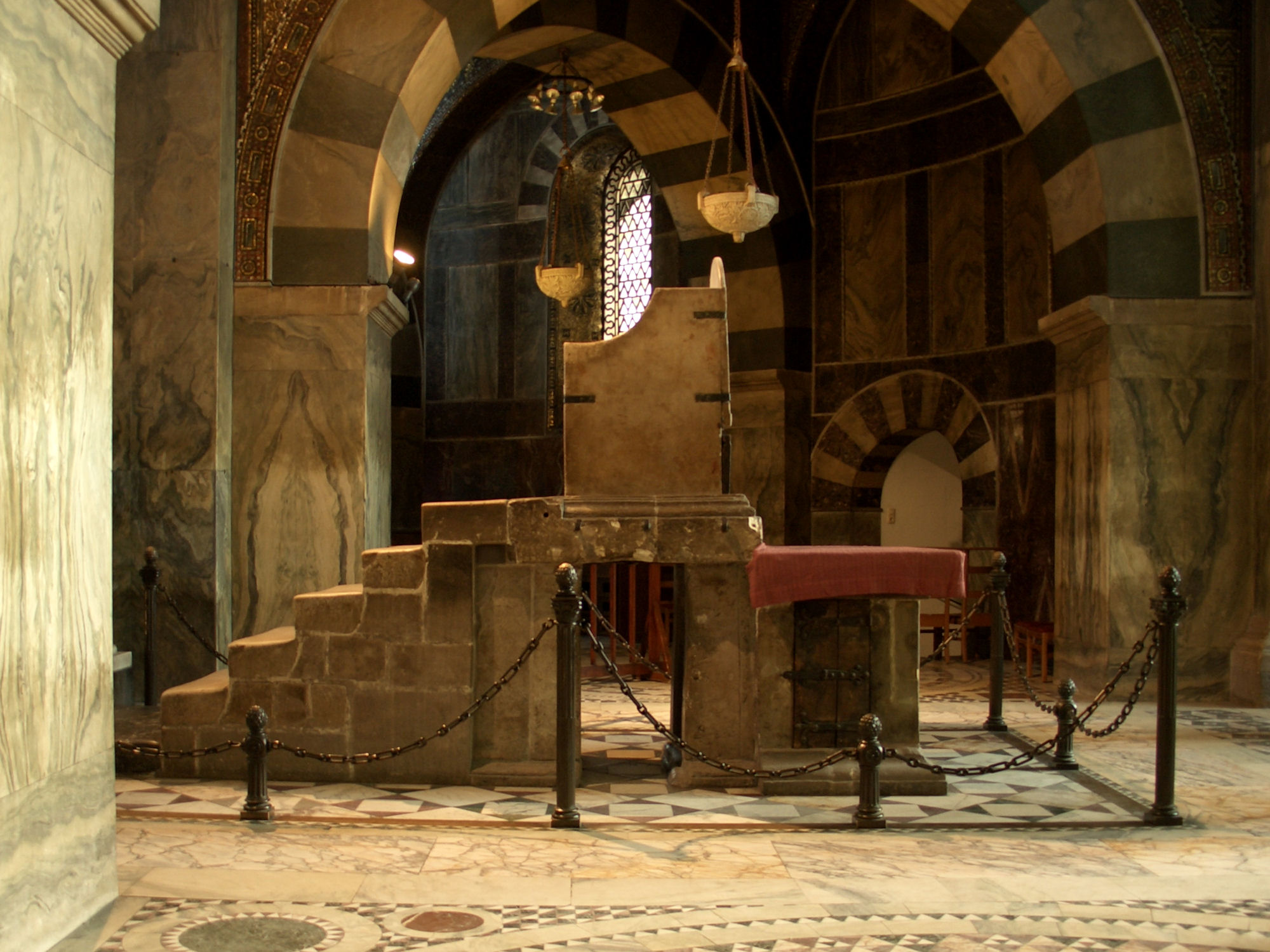
The throne of Charlemagne may still be seen in the Cathedral in present-day Aachen. New research presents an overview of other Carolingian thrones and argues the existence of a parallel in a Carolingian palace in Mainz
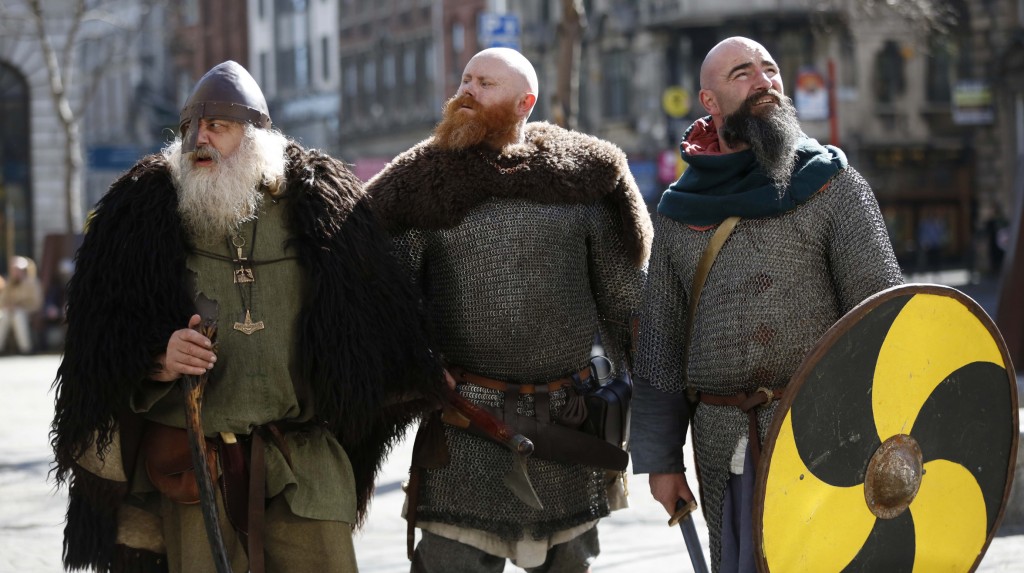
“…ignorant, barbarous, thoughtless, irreclaimable and unsociable foreigners” (Cogadh Gáedhel re Gallaibh, 12th century)
On Good Friday 1014 the battle of Clontarf on the East Coast of Ireland took place between the High King of Ireland, Brian Boru of Munster and Máel Mórda mac Murchada, king of Leinster, whose party was swollen by Norsemen led by Sigtrygg Silkbeard from Dublin and contingents of Vikings from Orkney (led by Sigurðr) and the Isle of Mann
The background of the battle was the on-going strife between the Irish warlords, Brian Boru from Munster and Máel Mórda mac Murchada from Leinster, but also the interest amongst the Norsemen to consolidate and expand their holding of Dublin and South Eastern Ireland.
The battle is said to have lasted a whole day from sunrise to sunset. It is estimated between 7 – 10.000 men were killed, amongst whom were the chief protagonists. The battle of Clontarf is often commemorated as a ground-breaking event, which in the end (post 1052) secured the independence of the Irish from the Norsemen, who had carved out an existence in Dublin and elsewhere during the preceding two centuries.
In fact, it was probably more complicated. It seems to have been a very bloody affair, which weakened both the Irish and the Norsemen (who anyway at this point were heavily interrelated). Another distinguishing factor was that so many of the leaders of the two factions and their sons and family members seem to have perished in the battle.
Commemorating the battle this year is a temporary exhibition at The National Museum of Ireland in Dublin, which aims to “explode” the myths and present the evidence. Viking and Irish weapons, typical of those used in the battle, features alongside hoards of precious silver objects and religious treasures. Much more recent artefacts will bring the story of Brian Boru and Clontarf right into modern times.
In April this exhibition was accompanied by a Battle of Clontarf Conference designed to – once and for all –
“establish the truth of what really happened at Clontarf for a twenty-first century audience, to re-evaluate the role of Brian Boru in the light of the latest cutting-edge research, and to bring recent investigations of the subject of the high-kingship of Ireland and of the role of the Vikings in medieval Ireland into the realm of public discourse, dispelling (or perhaps reconfirming) myths, shedding new light, raising public awareness, and promoting new synergetic fields of research by adopting a methodology that is explicitly interdisciplinary.”
We eagerly await the publication of the proceedings. Until then students at The University have very kindly provided a website with short introductions and links to the relevant sources.
READ MORE:
…ignorant, barbarous, thoughtless, irreclaimable, unsociable foreigners of the Orc Islands.”

Charlemagne and his entourage were constantly moving about. And needed horses and and saddles.