The Battle of Clontarf 1014 is a vibrant Irish Myth
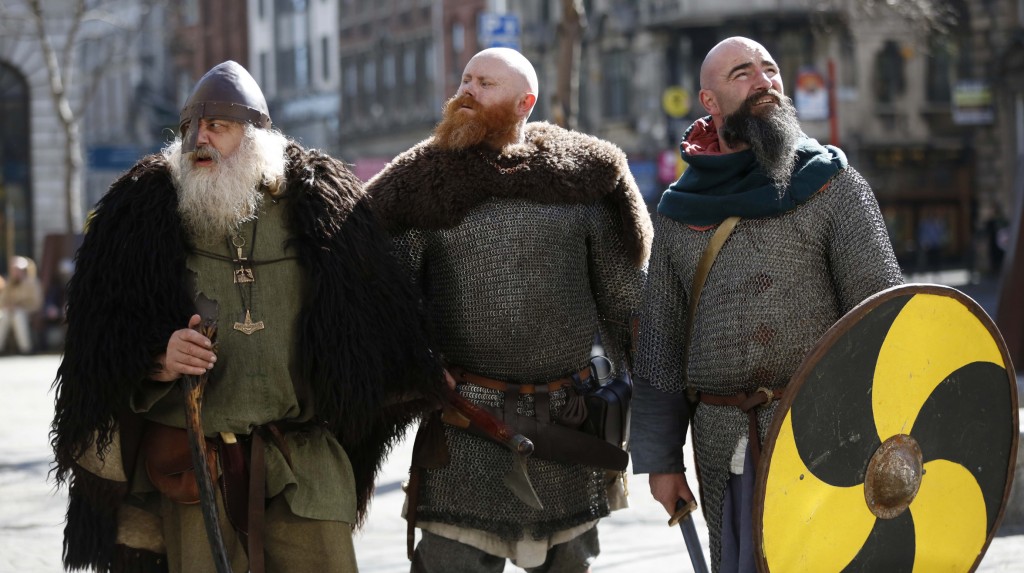
The Battle of Clontarf 1014 is a vibrant Irish Myth
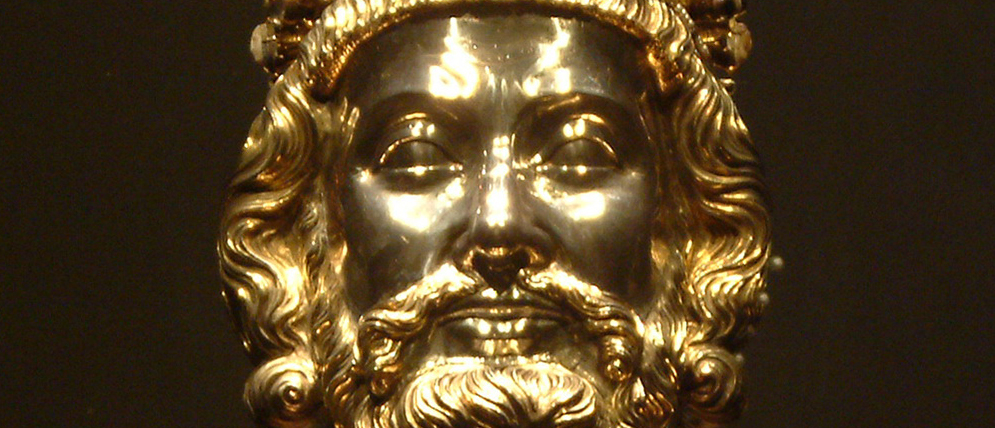
Charlemagne – Power, Art and Treasures - are three exhibitions mounted in Aachen this summer, commemorating Charlemagne.
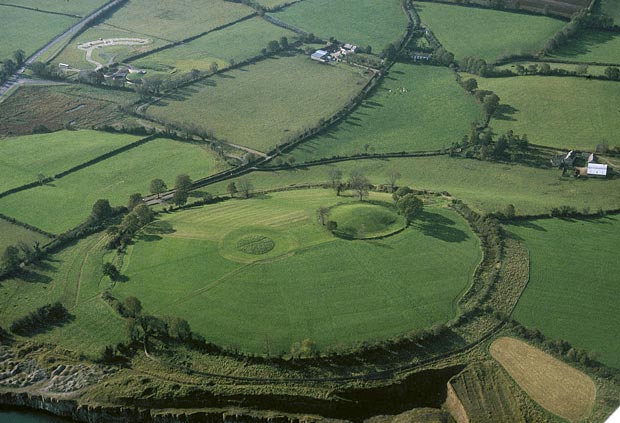
Pre-Christian Celtic Myth preserved in Medieval Irish Literature does shed light on older traditions, says new book

Viator is the scholarly journal, published by Center for Medieval and Renaissance Studies, UCLA.

We welcome contributions utilizing diverse methods and evidence and regularly publish essays that draw extensively on archeology, art history, Latin and vernacular philology, law, and literature.
The Haskins Society Journal is published by Boydell & Brewer, Ltd, Woodbridge, Suffolk-
The Haskins Society Journal. Studies in Medieval History. Vol. 23
Ed by William North
The Boydell Press, Woodbridge 2014
ISBN: 9781843838890
 LIST OF CONTENTS:
Francia and the History of Medieval Europe
By Paul Fouracre
– A historiographical essay, which “explores the question of why Francia, and in particularly a French Francia, came to take centre stage as a model for continental development in the early Middle Ages
Royal Control and the Disposition of Estates in Tenth-Century England: Reflections on the Charters of King Eadwig (955 – 959)
By Ryan Lavelle
– This article examines the politics behind the disposition of Lands in the tenth-century English kingdom
Frutolf of Michelsberg’s Chronicle, the Schools of Bamberg, and the Transmission of Imperial Polemic
By T. J. H. McCarthy
– The purpose of this article is to examine the form of Frutolf’s portrayal of the upheavals of his lifetime and their broader implications
Manipulating Historical Memory: Cosmas on the Sees of Prague and Olomouc
By Lisa Wolverton
– This article considers the history of the bishopric of Prague as described in the Chronicle of the Czechs, written ca. 1120 by Cosmas
Poetry and History: Baudry of Bourgueil, the Architecture of Chivalry, and the First Crusade
By Jay Rubenstein
This article explores the writings about and the reality behind Baudry of Bourgeueil’s concept of chivalry
Men and Masculinities at the Courts of the Anglo-Norman kings in the Ecclesiastical History of Orderic Vitalis
Kirsten A. Fenton and Simon Yarrow
Men and masculinities in William of Malmesbury’s presentation of the Anglo-Norman court
Kirsten A. Fenton
– These associated articles offer explanatory investigations into constructions of Mascyulinity at the courts of Anglo-Norman kings as contributions to the larger study of gender in the Anglo-Norman realm”
The Personnel of Comital Administration in Greater Anjou, 1129 -1151
by Kathryn Dutton
– This paper examines Geoffrey’s closest followers: who they were, why these particular men feature so prominently as actors in geoffreys’ acta and elsewhere, and what these men meant for the consequent natur of the Angevin comital administration
The Murder of Gilbert the Forester
By H. F. Doherty
The focus of this paper is the murder of Gilbert, a minor royal forest official in Staffordshire, and his companions, and the punishment of their murderer, who were hanged in late July 1175 at King Henry’s command in Lichfield as he made his way from Woodstock towards Nottingham
The Object as Subject in Medieval Art
Herbert L. Kessler
– The article explores the field between understanding medieval art as “art” and as material artefacts of a bygone age.
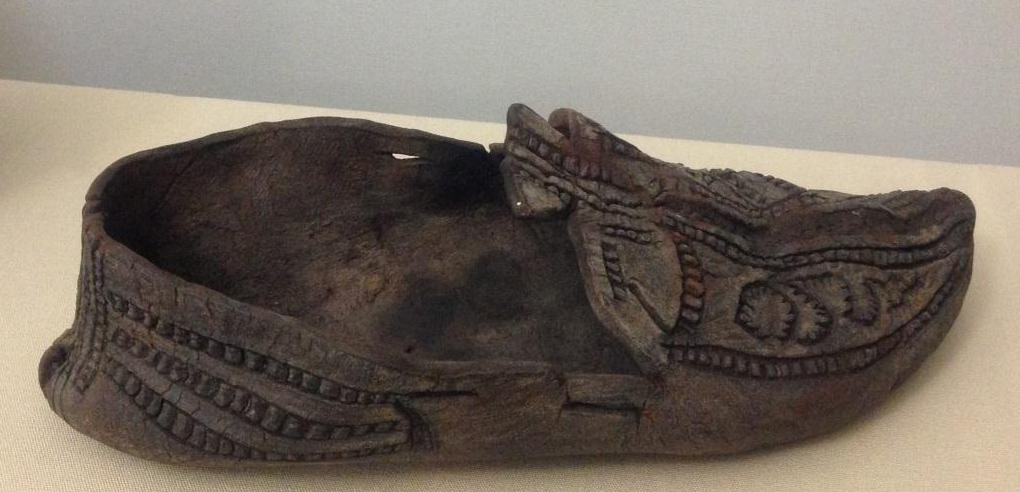
New book: Early Medieval Ireland AD 400 – 1100 presents the evidence from one hundred years of archaeological Excavations
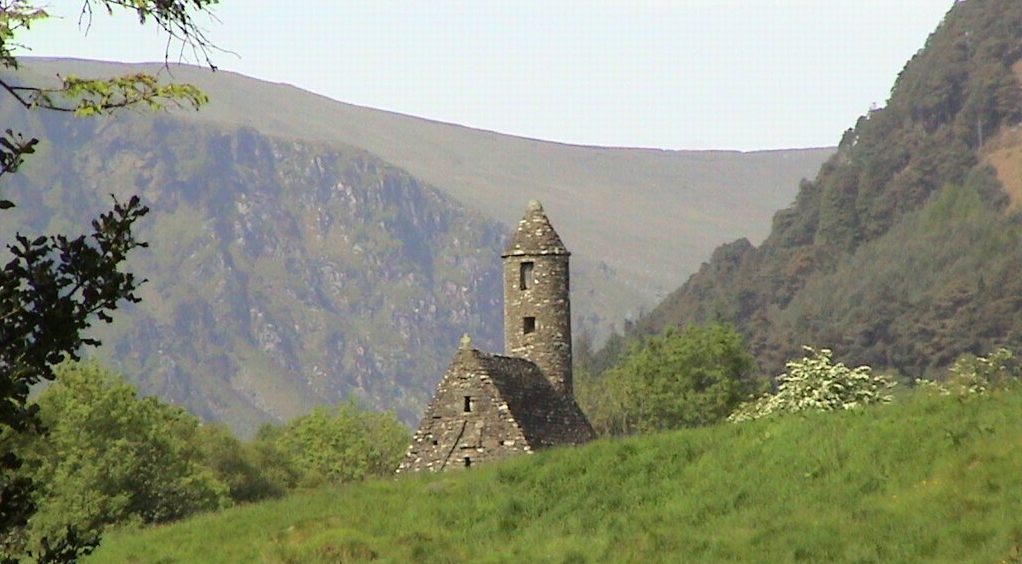
Ireland is a beautiful island with a history woven into the landscape at every corner. New book tells us the story about this medieval world.
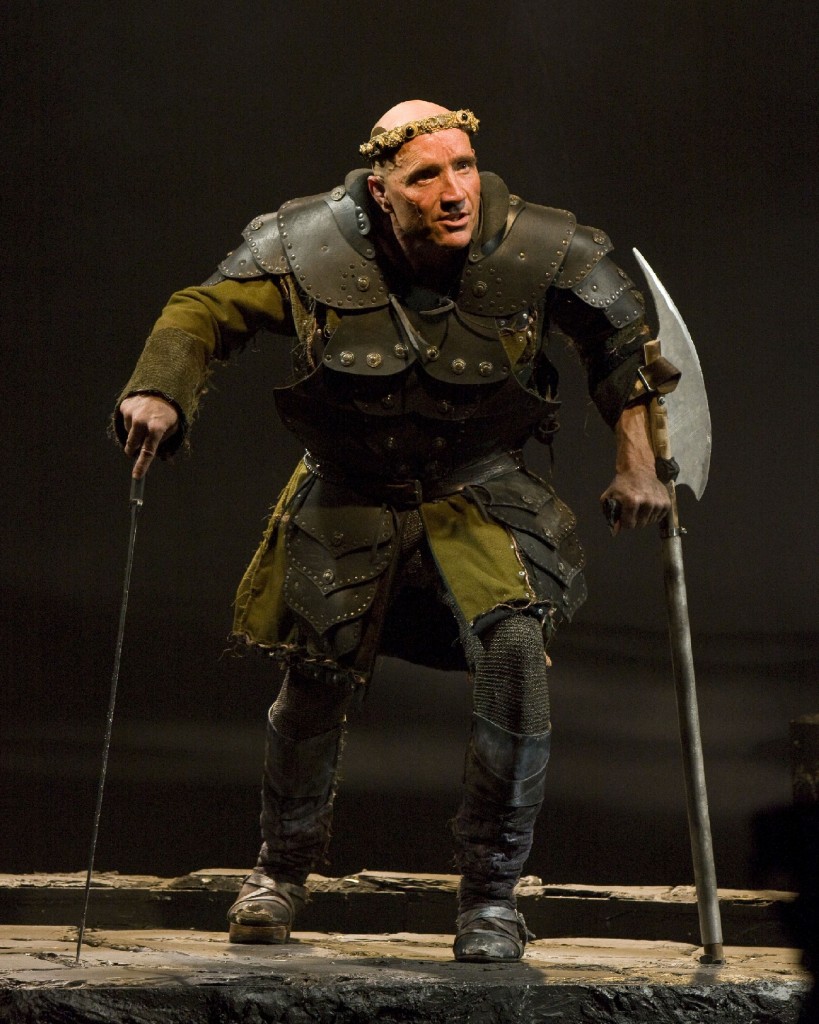
According to a research paper published in The Lancet, Richard III’s severe scoliosis would not have been obvious during his lifetime, and ‘a good tailor and custom-made armour could have minimised the visual impact of his condition’. The verdict on Richard III’s appearance is that he was a short man, but not visibly disabled
This conclusion follows an analysis of the remains of Richard’s spine by a research team made up of osteologists from Leicester, Cambridge and Loughborough universities and the University Hospitals of Leicester NHS Trust. Using CT scans to make 3D polymer replicas of each vertebra, they re-created the shape of Richard’s spine during his life, leading to the conclusion that the king’s disfigurement was probably slight because a ‘well-balanced’ sideways curvature in the spine would have meant his head and neck were straight, not tilted to one side.
The researchers established that Richard would have been about 5ft 8in (1.7m) tall without his scoliosis; the condition meant he appeared several inches shorter. His torso was short relative to the length of his arms and legs, and his right shoulder was a little higher than his left, but there was no evidence that Richard walked with an obvious limp — his leg bones were symmetrical and well formed — and the condition would not have reduced his ability to exercise or to fight on the battlefield.
The researchers were also able to establish that the condition developed after his 10th birthday.
Phil Stone, Chairman of the Richard III Society, which helped fund the Leicester excavation, said that: ‘the Shakespearean description of a “bunch-backed toad” is a complete fabrication. History tells us Richard III was a great warrior. Clearly, he was little inconvenienced by his spinal problem and accounts of his appearance, written when he was alive, tell that he was “of person and bodily shape comely enough” and “the most handsome man in the room after his brother, Edward IV”.’
The Scoliosis of Richard III, last Plantagenet King of England: diagnosis and clinical significance
By Jo Appleby, Piers d. Mitchell, Calire Robinson, Alison Brough, Guy Rutty, Russell A. Harris, Davis Thompson, Bruno Morgan.
In: The Lancet 2014, Vol 383: p1944
Richard Crookback
Sarah Knight and Mary Ann Lund
TLS: 6 February 2013
Read more about the studies of the mortal remains of Richard III
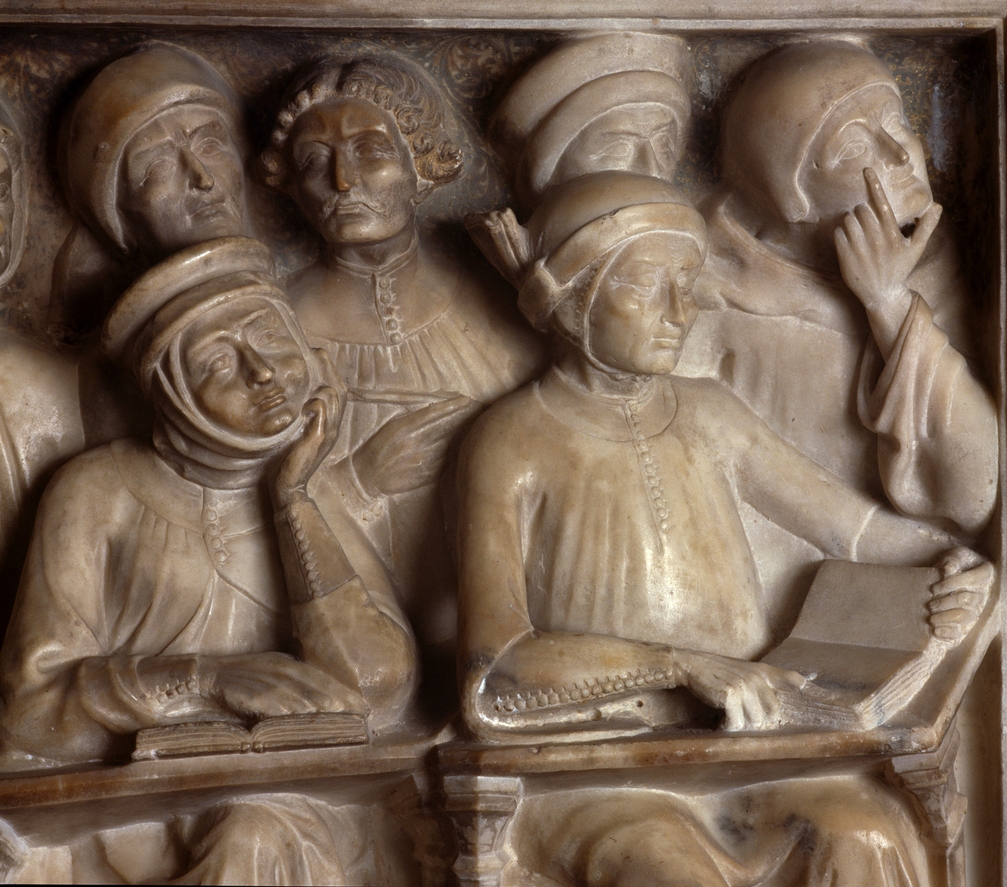
The Rise of Learned Law in Medieval Europe had significant Impact on Economic Growth
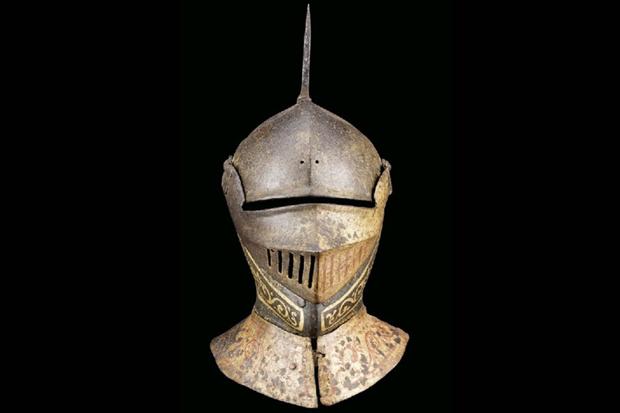
The Wootton Helmet is a rare and important North European armet from app. 1500
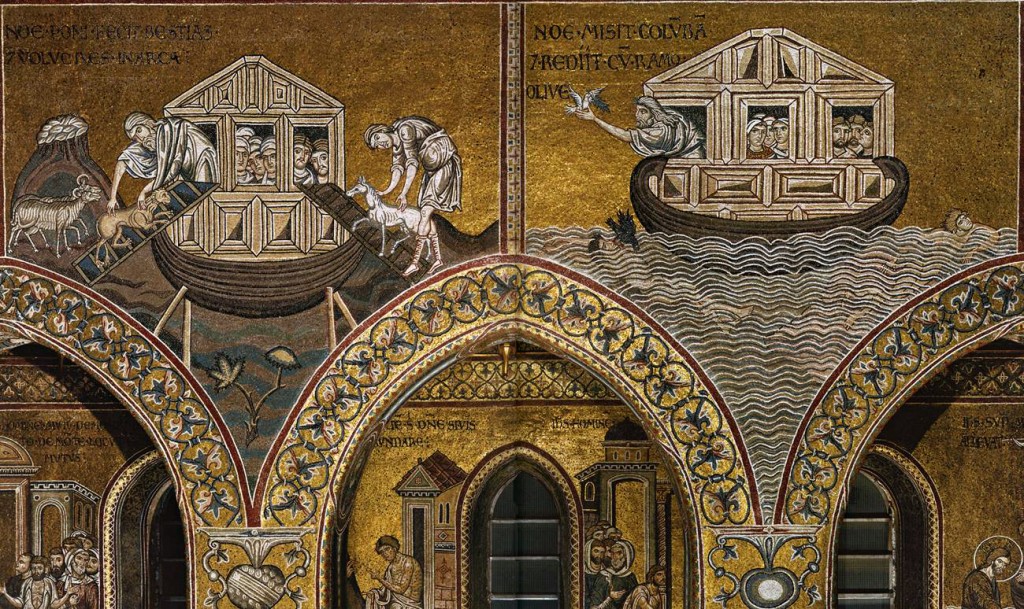
The visual aesthetic and the moral stance of Noah, the film, is obviously inspired by medieval maps of the ancient world ..
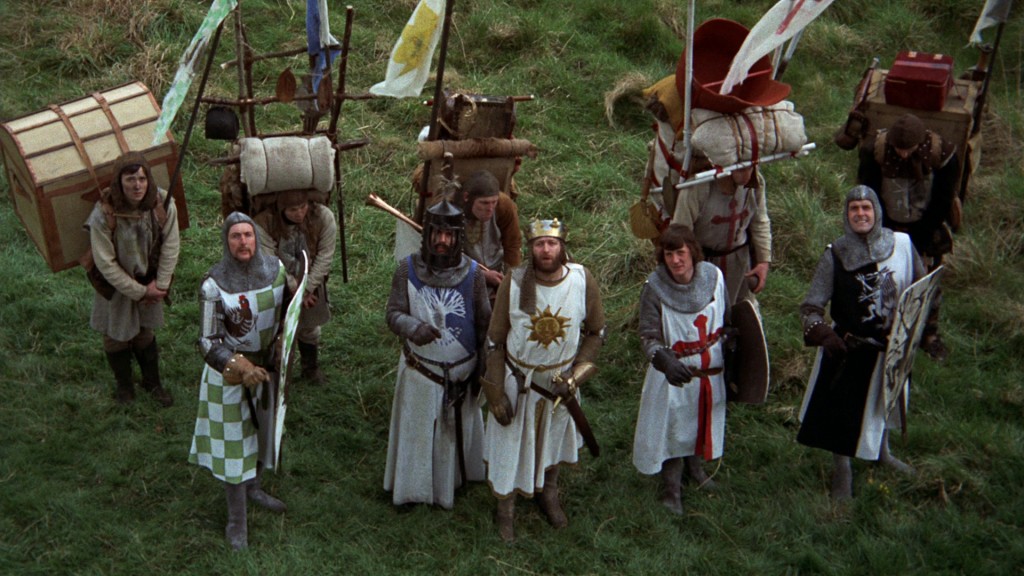
Rumour has it that the Holy Grail has been found in Léon, a sleepy small town in the North of Spain
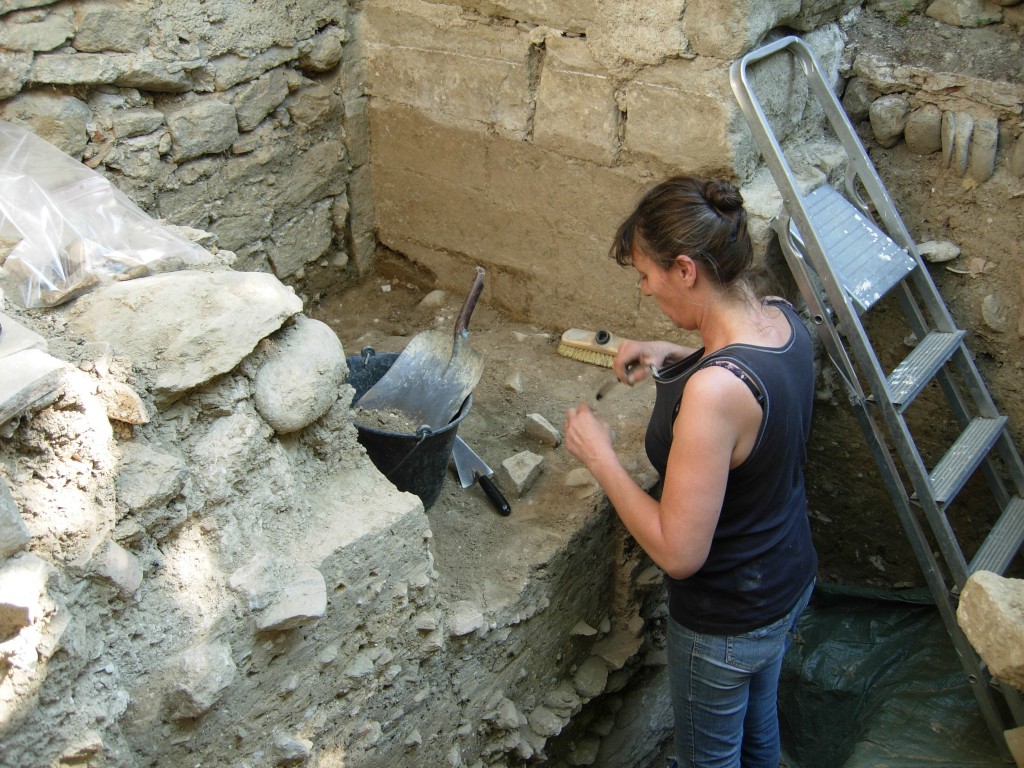
Exciting discovery in Carcassonne: the infamous prison of the inquisition has been found...
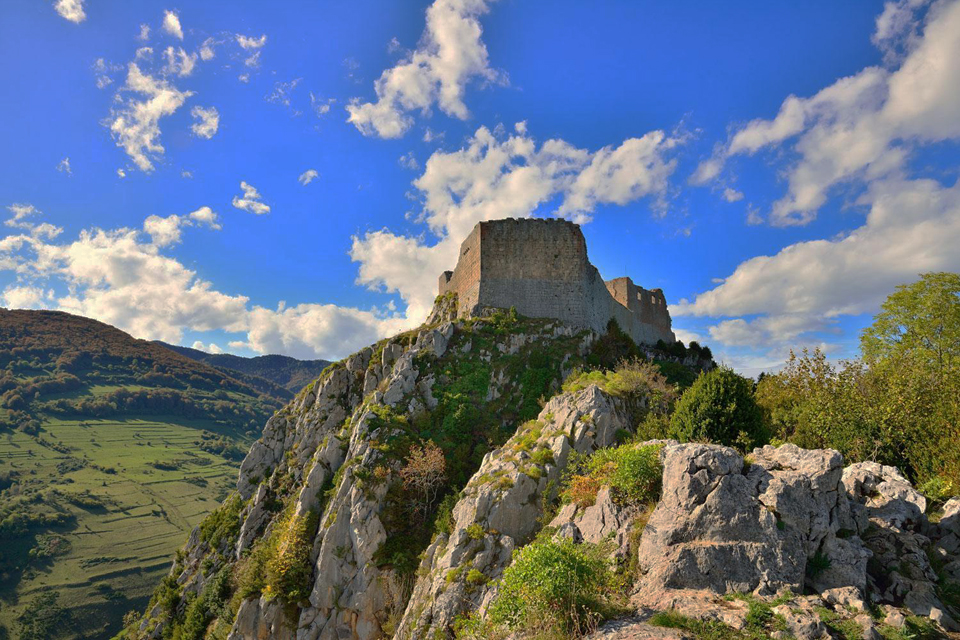
Does it pay to tell the real history about the Cathars to Cultural Tourists? Not really! And politically, it is silenced
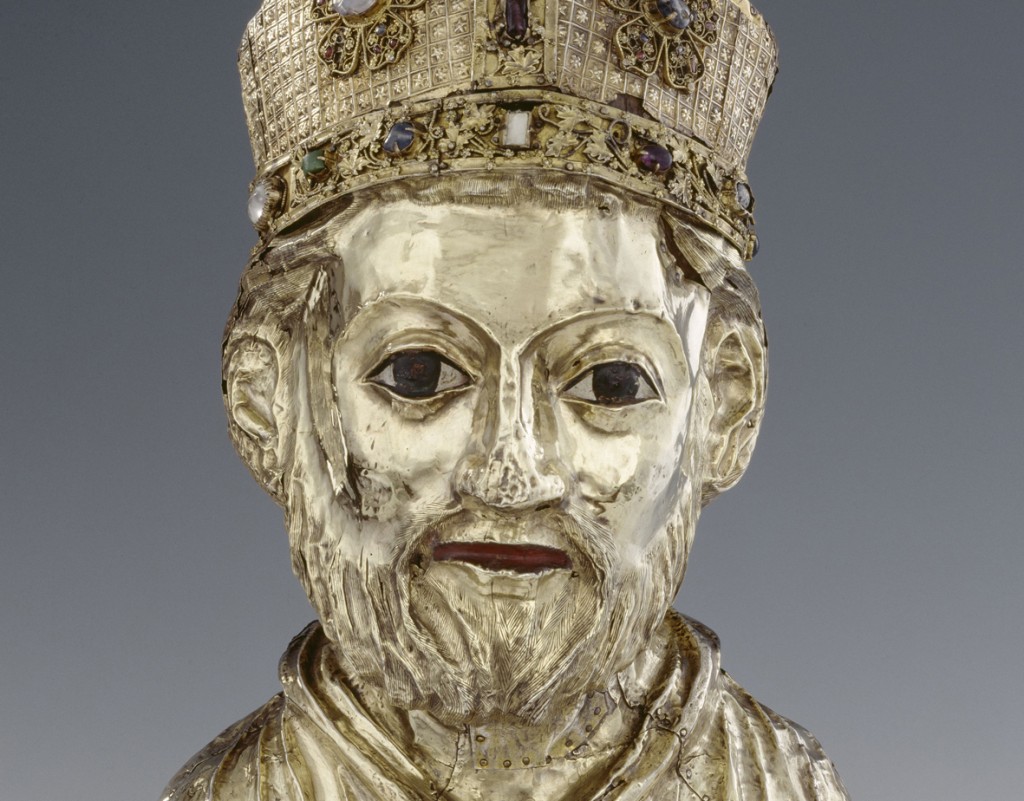
The Welfenschatz – in English the so-called Guelph or Welf Treasure – should not be returned, says a commission...

A collection of the wonderful pieces of religious art from the Middle Ages, which belong to the Guelph Treasure...