RESEARCH: The Knights Templars were efficient land-owners. But after 1308 new managers maltreated the land...
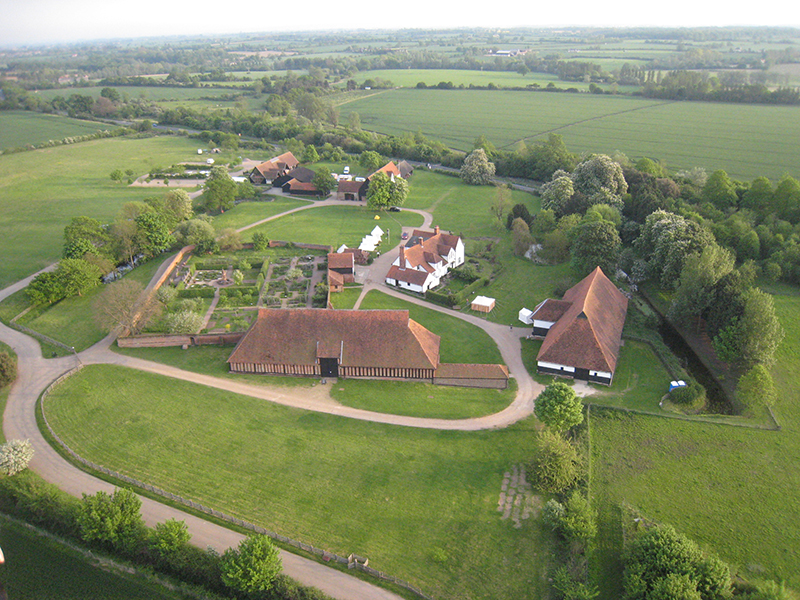
RESEARCH: The Knights Templars were efficient land-owners. But after 1308 new managers maltreated the land...

The Cult of St. Ladislas flourished in Medieval Croatia in the late Middle Ages

RESEARCH AND POETRY: Gaelic poetry from the 15th century paints a vivid picture of a flooded Welsh landscape...
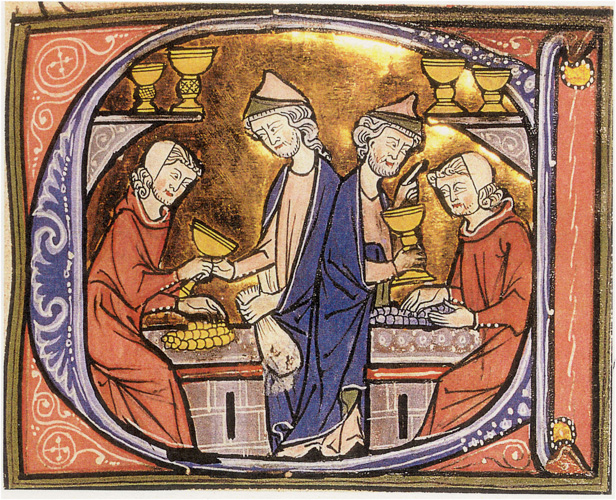
RESEARCH: Guidatica - or safe-conducts - were important instruments in letting commerce in Medieval Spain run smoothly...
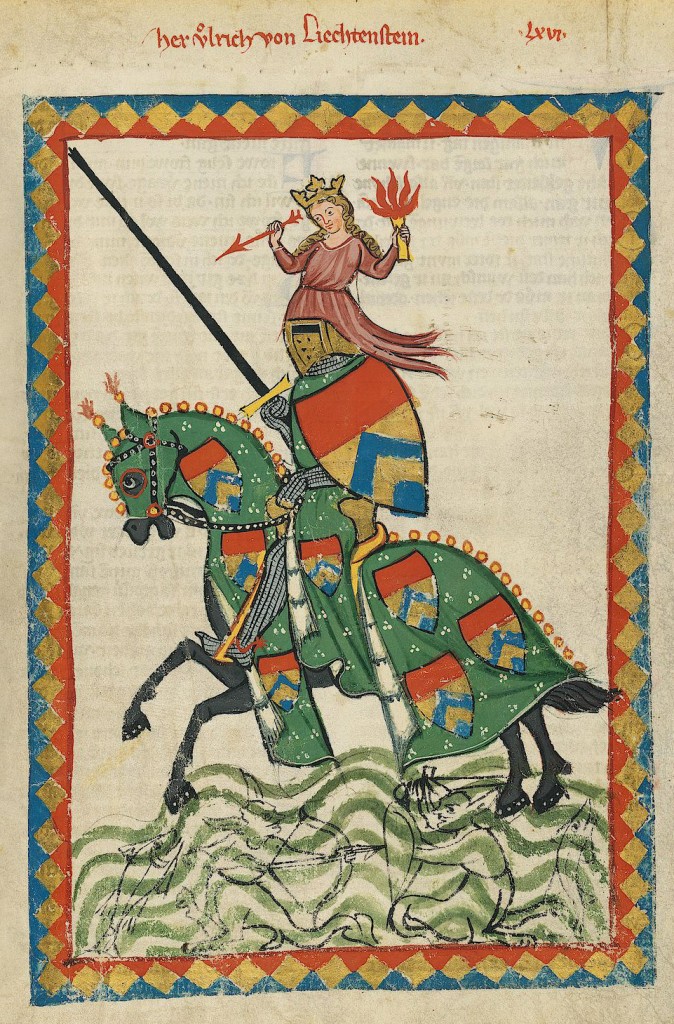
Transvestite Knights: Men and Women Cross-Dressing in Medieval Literature

RESEARCH: In the century after 1450, thirteen women incurred the ire of London’s governors by cross-dressing as men
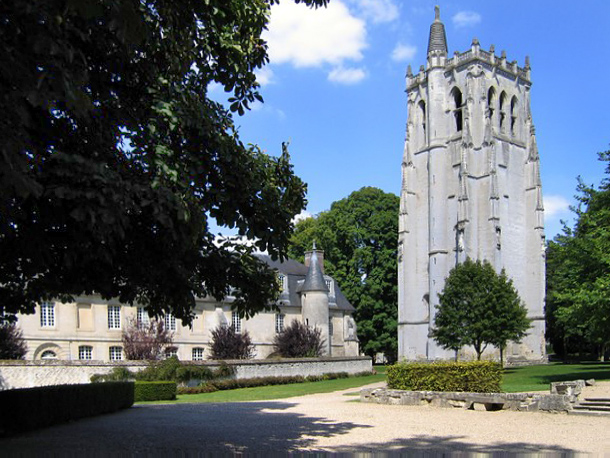
NEW RESEARCH: Perceptions of Danishness in Normandy can be found in the literature of the Abbey of Bec as late as 1030 -1080...
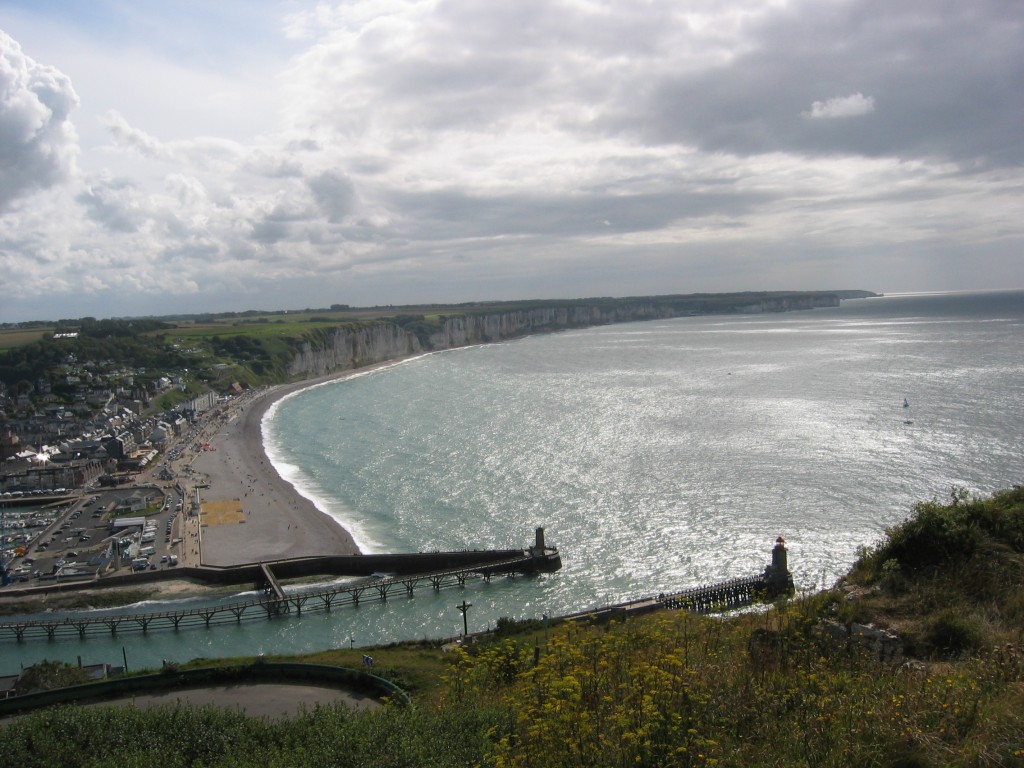
ARCHAEOLOGY: Fécamp boasts a natural harbour, perfect for 10th century marauding Vikings. Later they built a ducal palace...
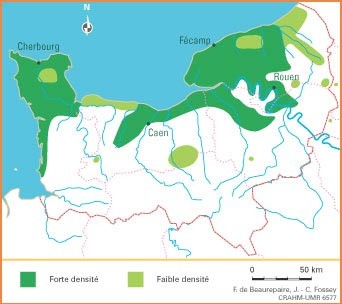
RESEARCH: Studies of modern dialects in Normandy show a marked affinity to current Danish...

RESEARCH: Splendid overview of the history of Early Normandy and its cultural formation in Anglo-Norman Studies...
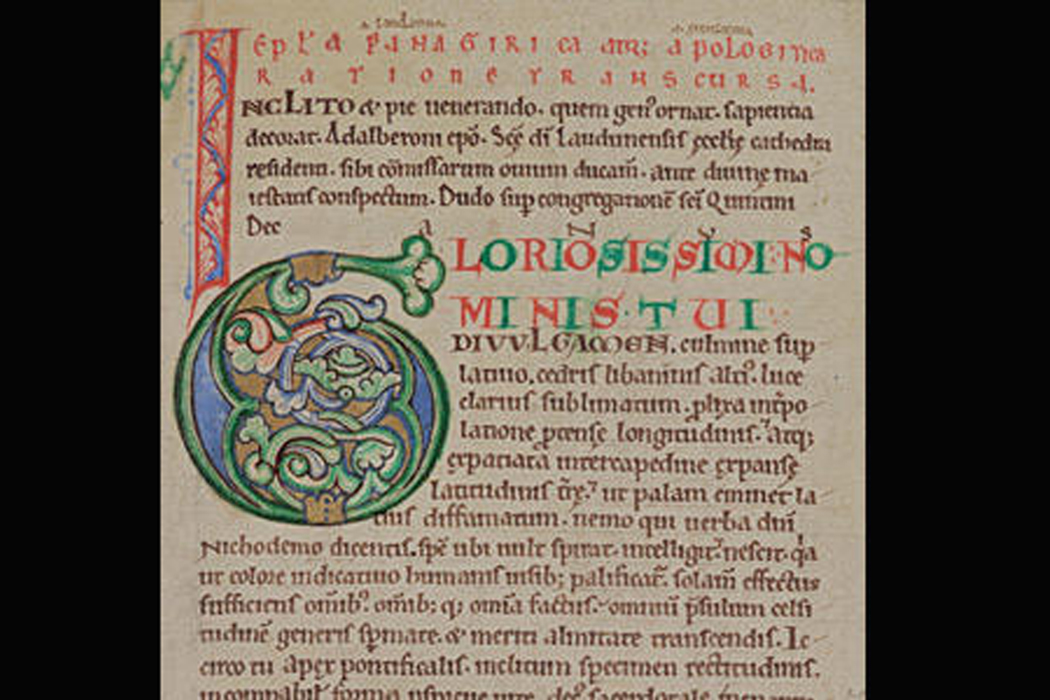
RESEARCH: Dudo's chronicle from the 11th century was essentially a didactic text, meant to teach courtly values...
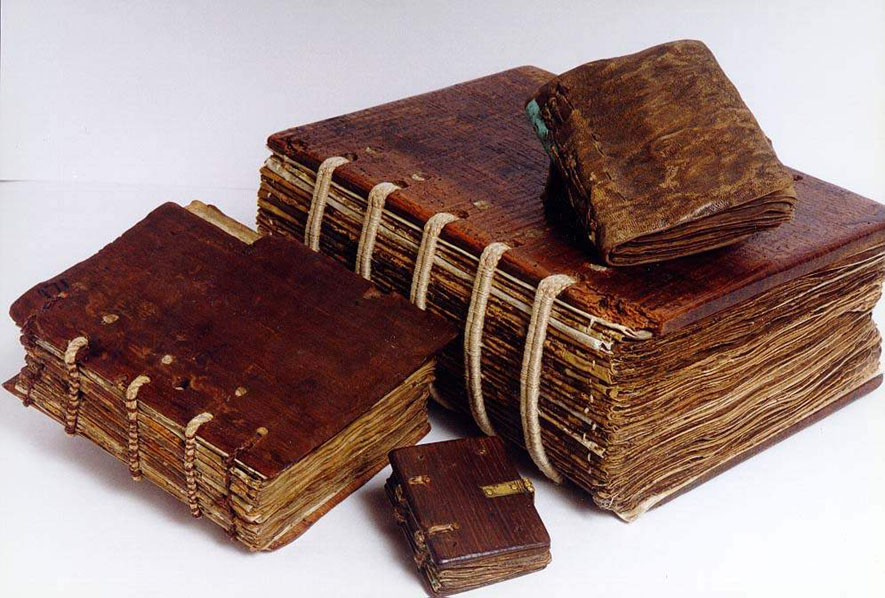
Heimskringla is the best known of the Old Norse kings’ sagas. It was written in Old Norse in Iceland by the poet and historian Snorri Sturluson (1178/79–1241) ca. 1230. The name Heimskringla was first used in the 17th century. It derives from the first two words of one of the manuscripts (kringla heimsins – the circle of the world).
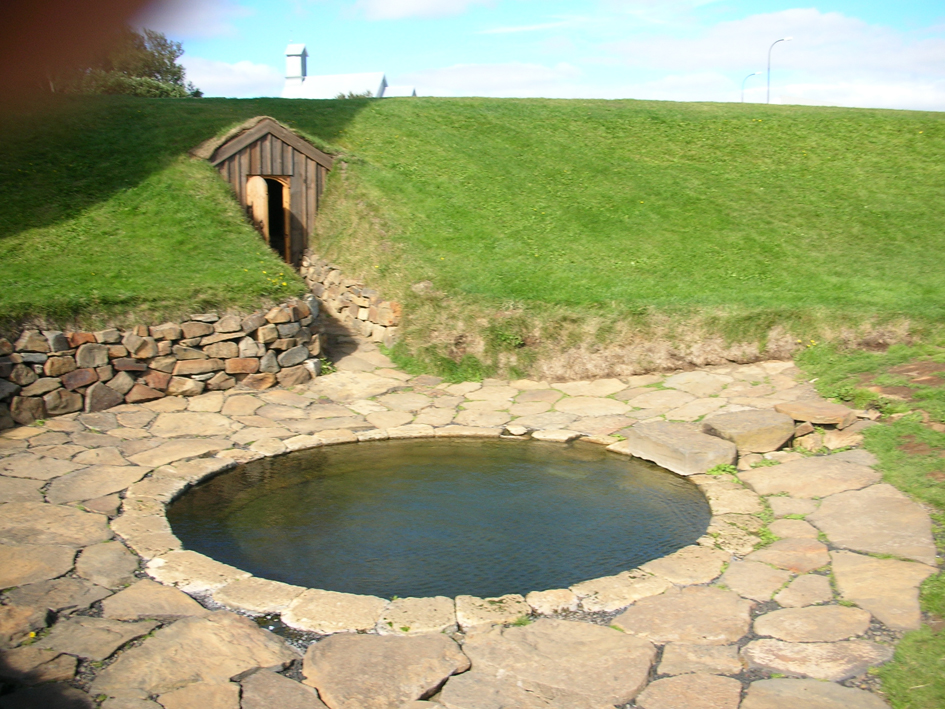
Heimskringla is a collection of sagas about the Norwegian kings, beginning with the saga of the legendary Swedish dynasty of the Ynglings, followed by accounts of Norwegian rulers from Harald Fairhair of the 9th century up to the death of the pretender Eystein Meyla in 1177. The exact sources of his work are disputed, but included earlier kings’ sagas, such as Morkinskinna, Fagrskinna and the twelfth century Norwegian synoptic histories and oral traditions, notably many skaldic poems. Also, Snorri sojourned in both Norway and Sweden. For events of the mid-12th century, Snorri explicitly names the now lost work Hryggjarstykki as his source. However, the composition of the sagas is Snorri’s.
Heimskringla is also an extremely rich online collection of Old Norse source material, primarily Eddas, Icelandic sagas, scaldic poetry, and some background material.
Heimskringla is simply the place to begin for students of Old Norse!
“Stories for all time” is a three-year research project (2011 - 2014) on Icelandic fornaldarsögur also called the Legendary Sagas
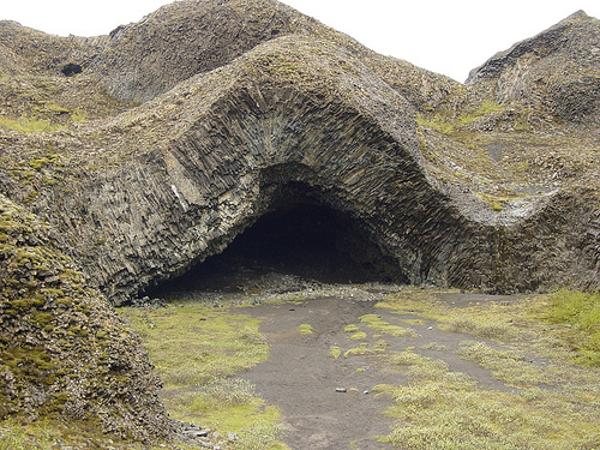
NEW RESEARCH PROJECT: Giants, trolls, elves, sorceresses, dragons are otherworldly beings in the fornaldarsögur...
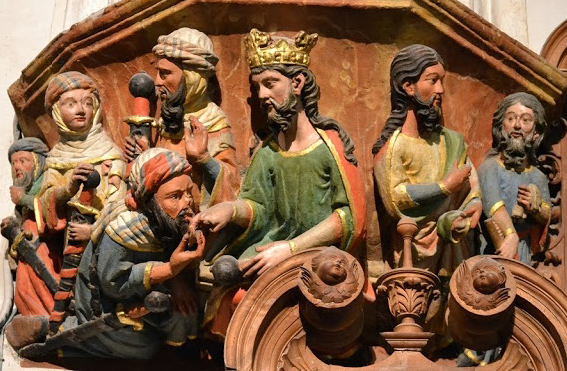
RESEARCH: The article invites us to take part in a medieval walk-through of the chapel of Santa Catalina in the Cathedral of Burgos
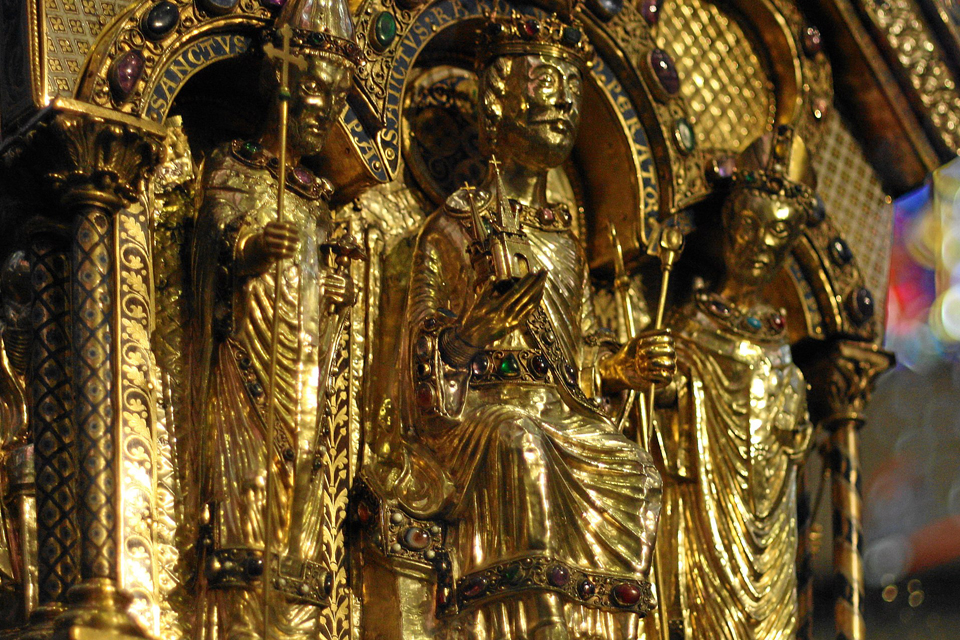
Recent scientific examinations of Charlemagne's bones have brought us a bit closer to the man, who was both lean and graceful...