In the 11th century, the rich silver mines in Rammelsberg gave rise to the construction of a splendid palace complex in Goslar.
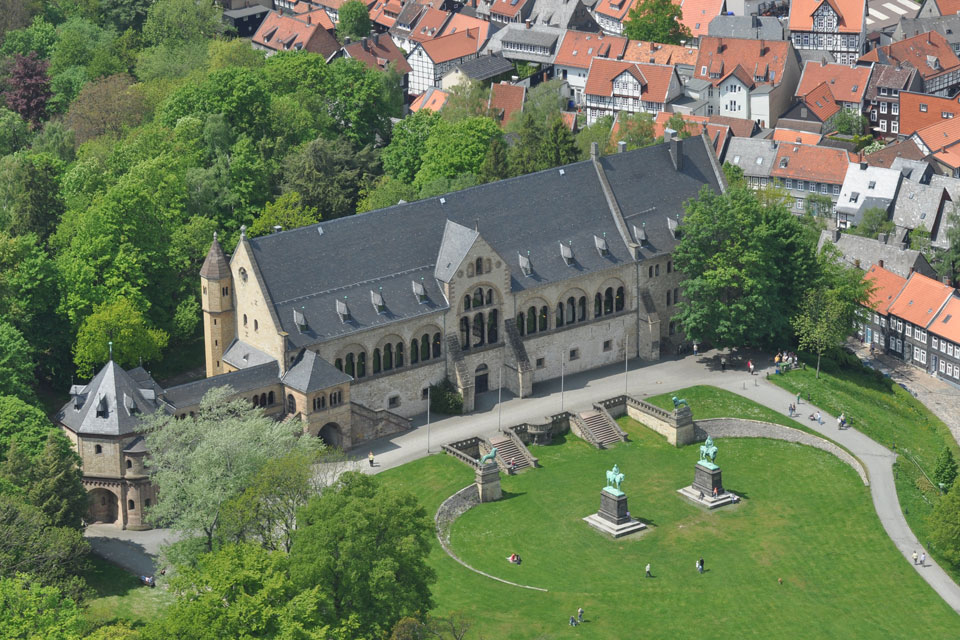
In the 11th century, the rich silver mines in Rammelsberg gave rise to the construction of a splendid palace complex in Goslar.
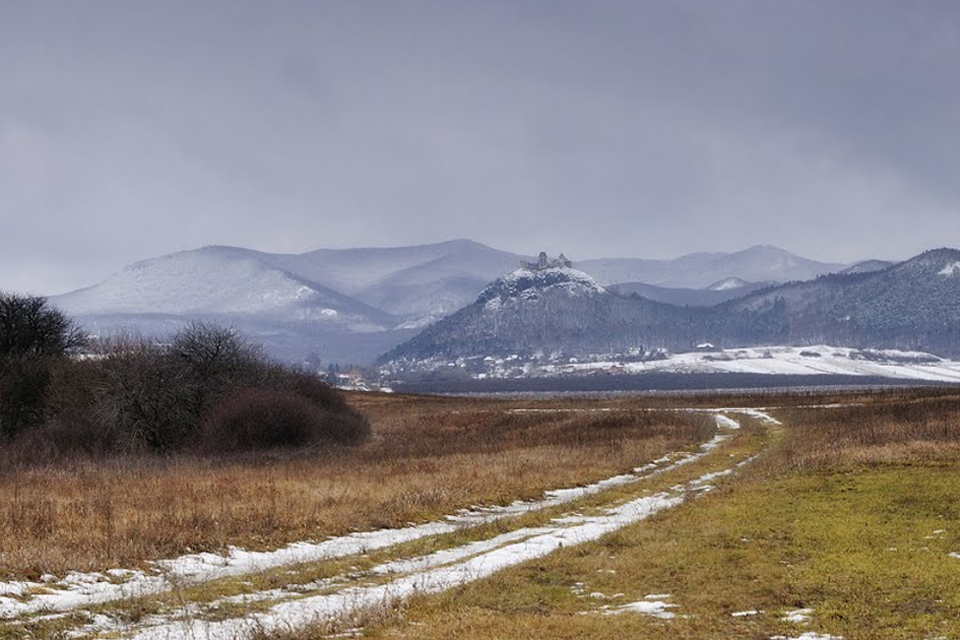
Until recently the Castle of Füzér was a dilapidated ruin romantically hewn from a steep rock in north-eastern Hungary. Now it has been completely rebuilt.
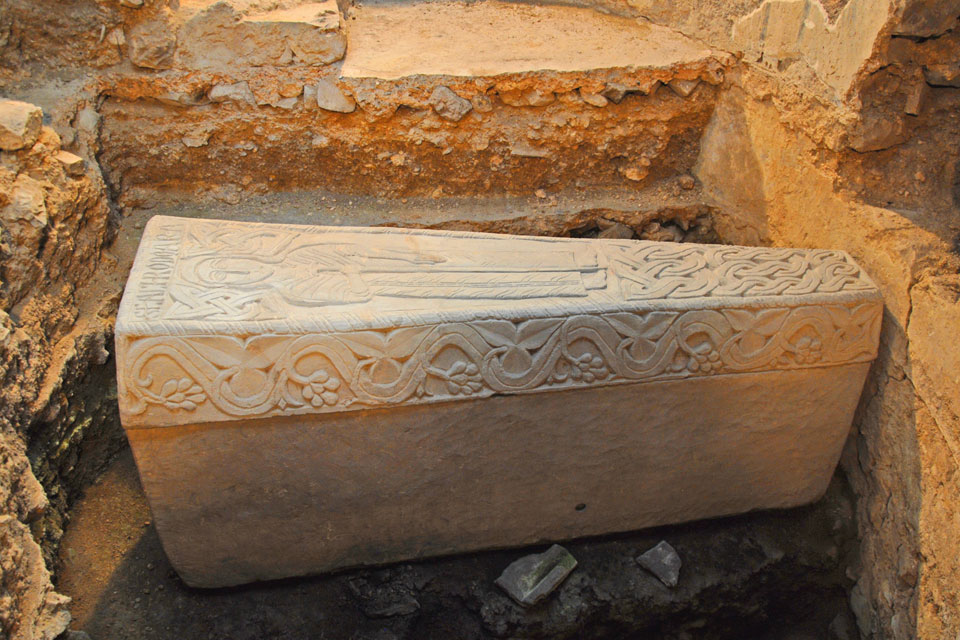
In 1977 the Sarcophagus of Chrodoara was discovered in the church in Amay. The stone-carvings on the slab are widely recognised as unique
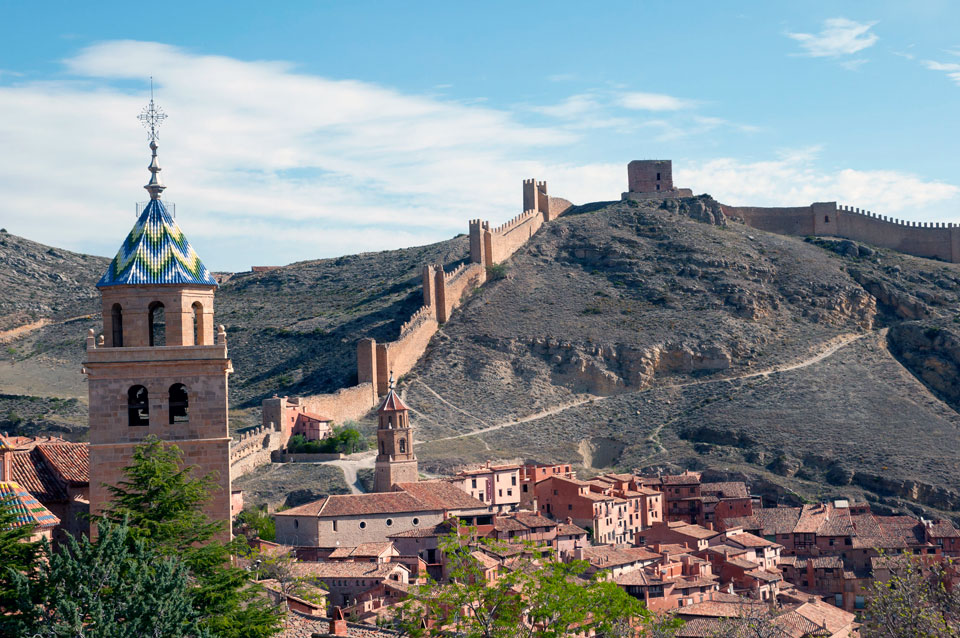
Declared a National Monument in 1961, the medieval town of Albarracin is probably one of the most beautiful and evocative places to experience old Spain
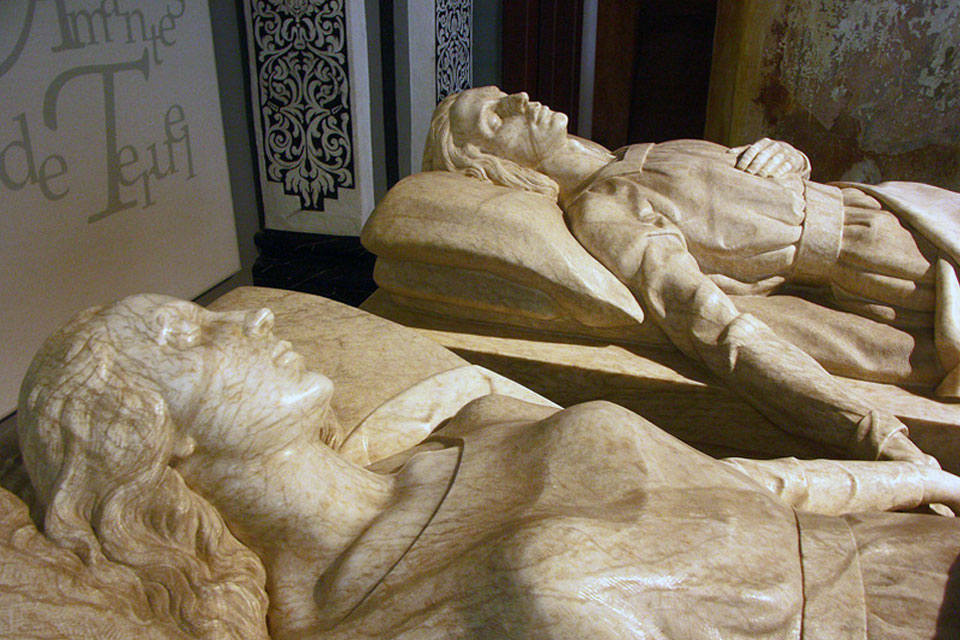
The Story of the Lovers of Teruel published in the 16th c entury is said to have a medieval tragedy at its core.

Although founded as the seat of a bishop in the 11th century, it took more than 150 years before Linköping began to look like a proper city.
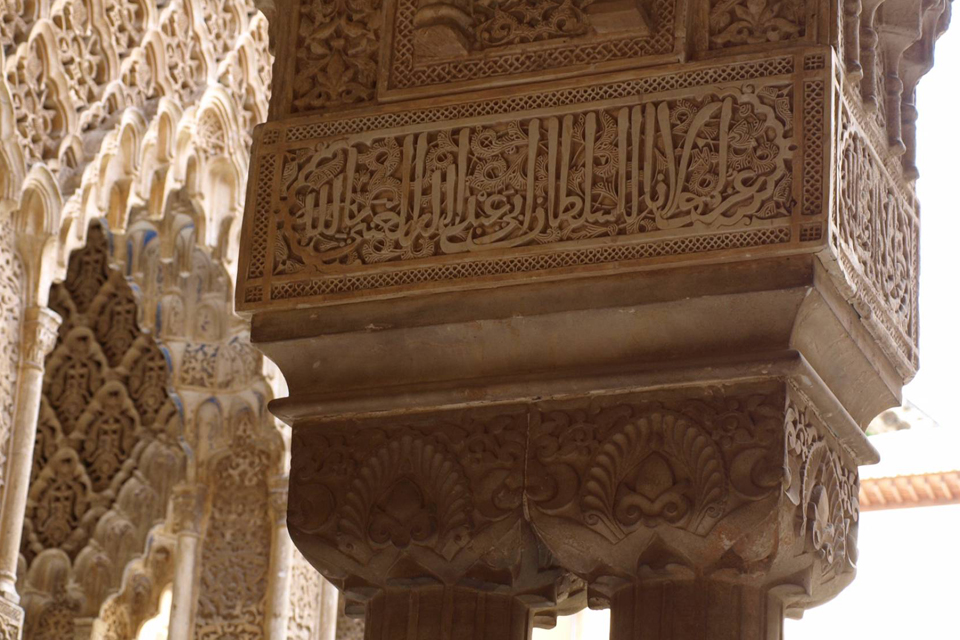
Catalogue of nearly 10,000 epigraphic inscriptions found in Alhambra have recently been concluded unveiling unimaginative riches
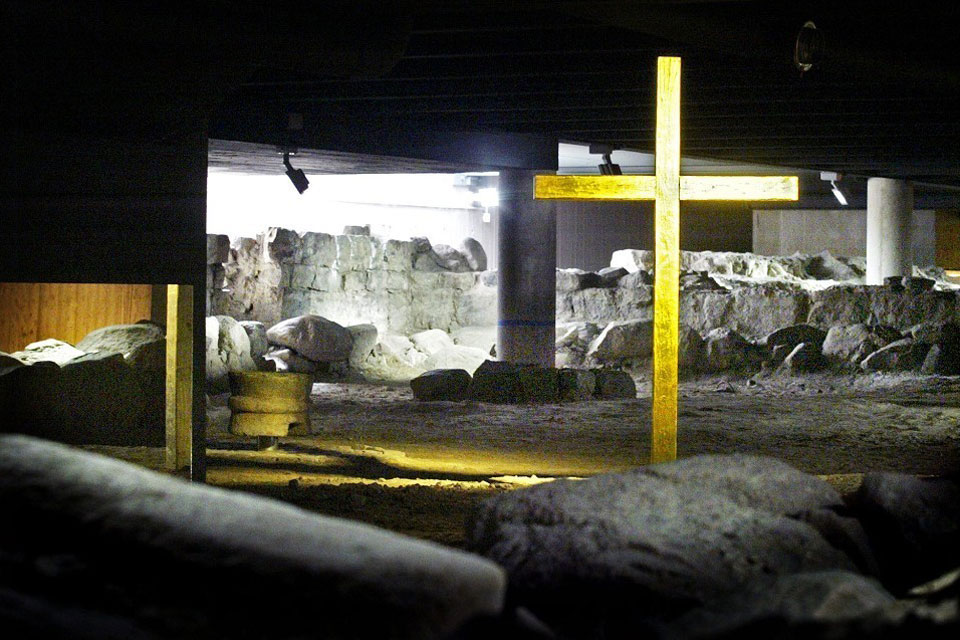
Medieval city of Lund in Scania is believed to have been founded in AD 990. It soon became a major Christian centre and retains its medieval core
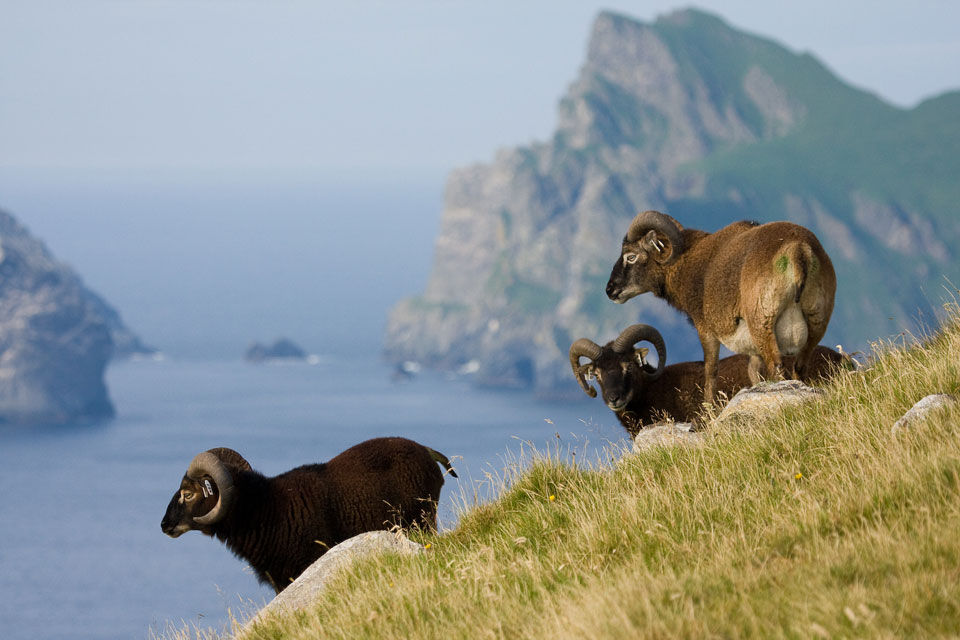
St. Kilda is a small group of islands far off the West Coast of the Outer Hebrides. Inhabited for at least four millennia it has a rich medieval past.
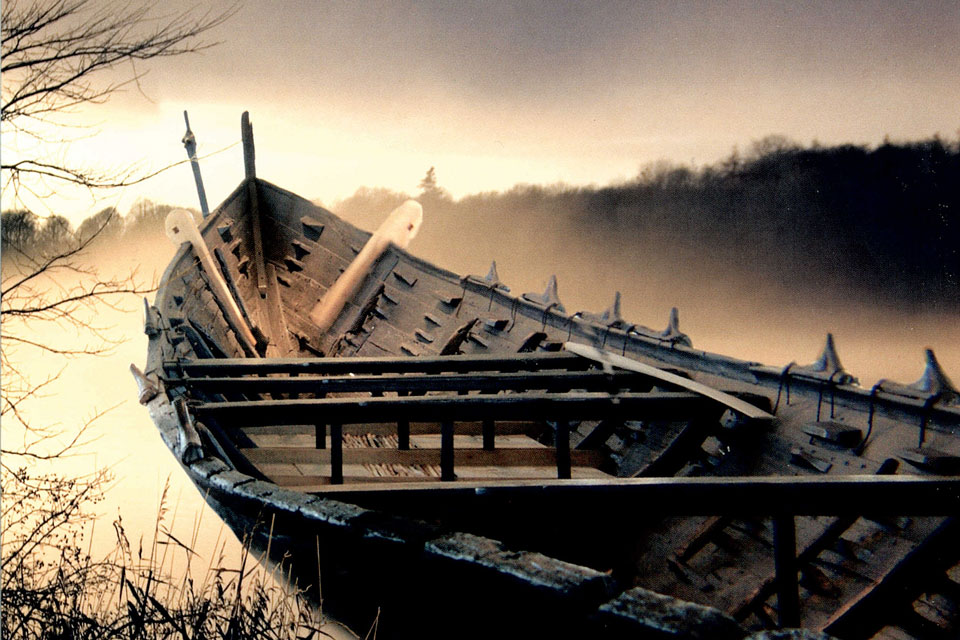
On the edge of the Fenlands at Oikington an Anglo-Saxon man named Hoch built a farm sometime in the 5th century. here, his family was buried
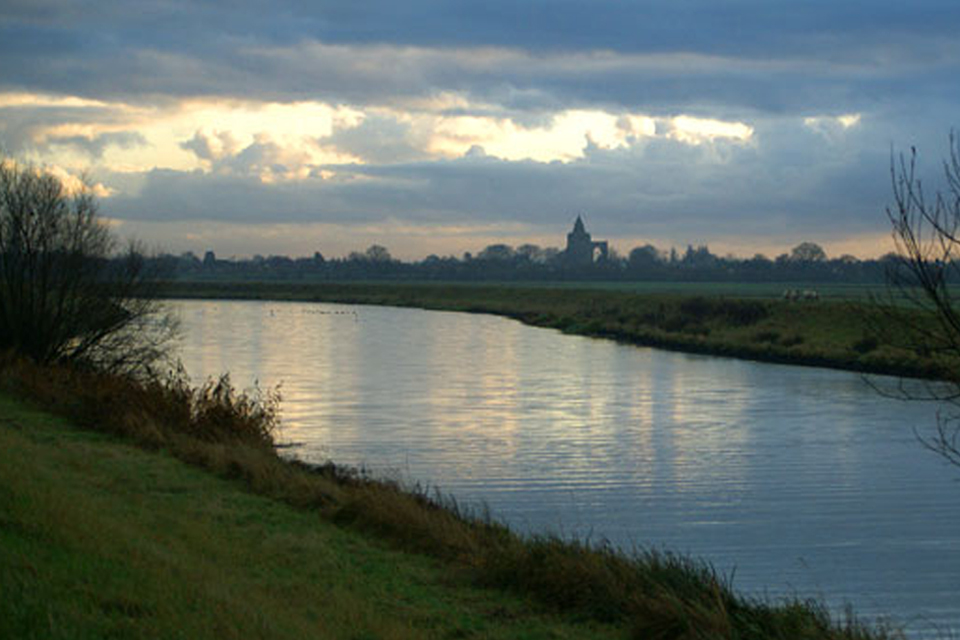
The Anglo-Saxon hermit, St. Guthlac, had a career reaching from aristocratic warrior over monastic visionary to patron saint of Crowland Abbey
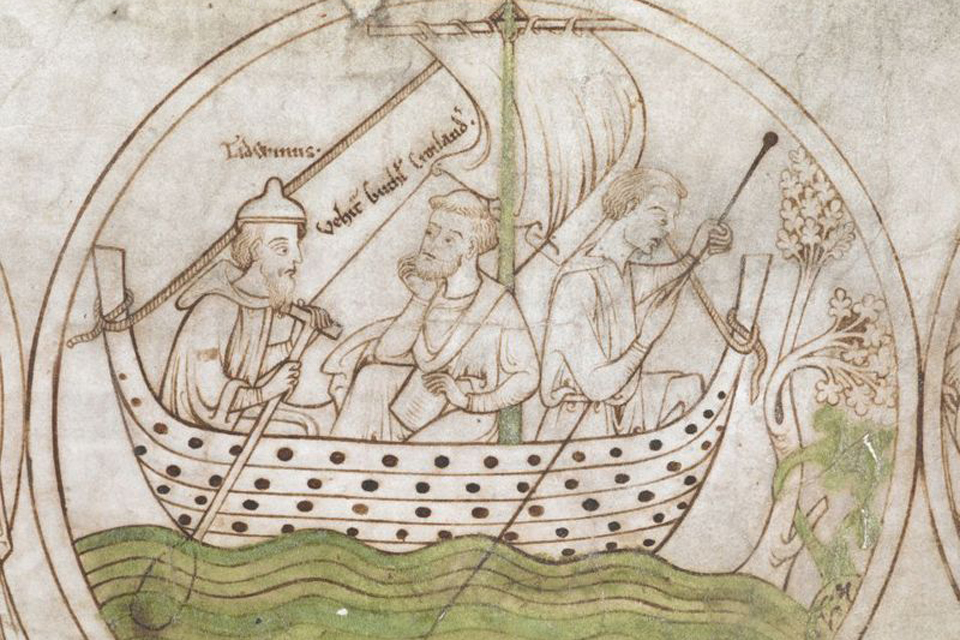
For a long time a number of research projects have explored the culturally fluid landscape of the Medieval Fenlands in Eastern England. New book tells the story
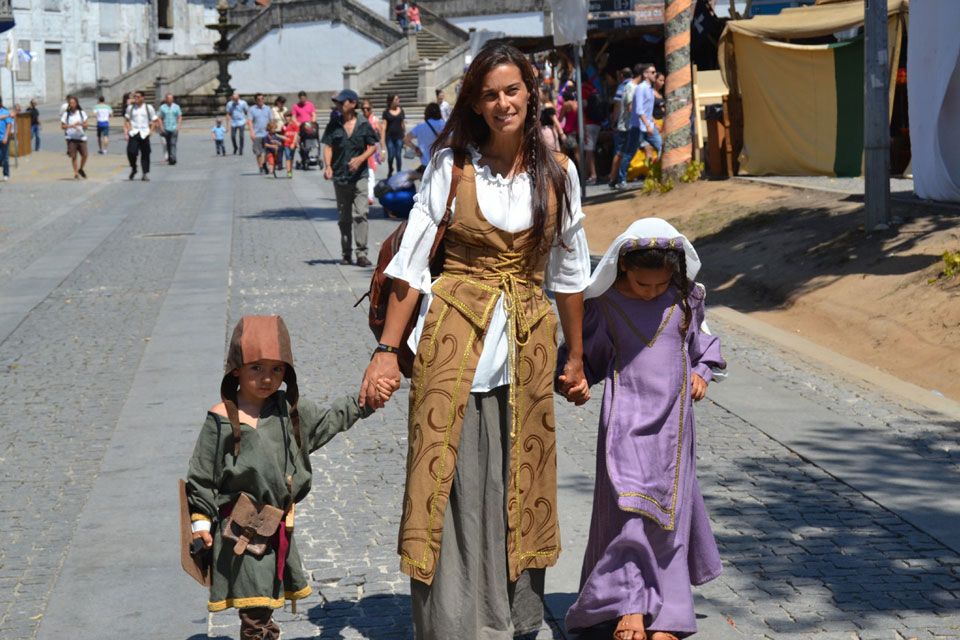
A major European medieval events is the twelve-day-festival in Santa Maria da Feira in Portugal. Recently the motives behind participation were explored.
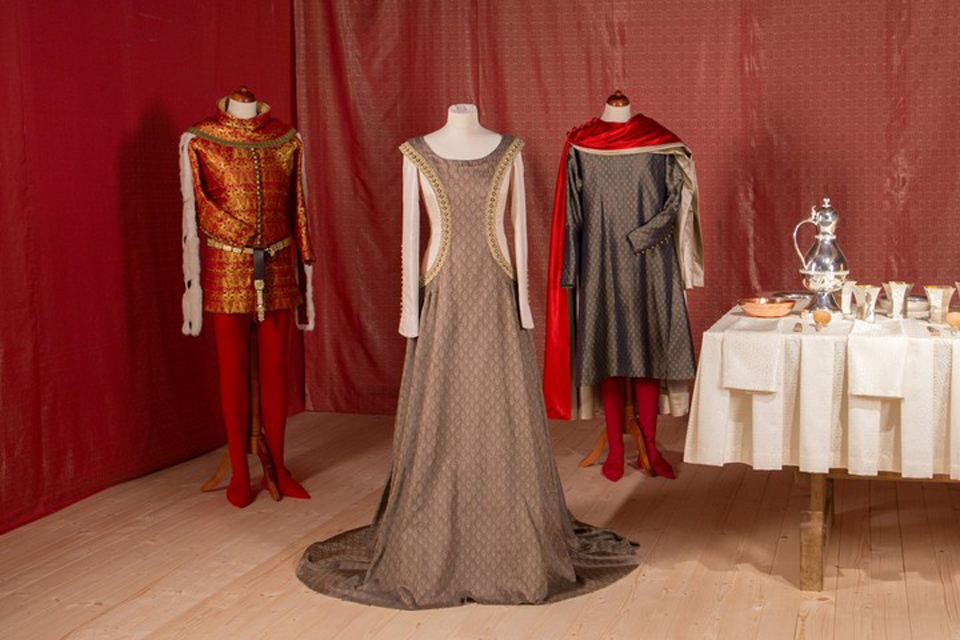
The Karlštejn Treasure is a collection of around 400 objects dating back to the 14th century, when Charles IV commissioned the building of the Castle.
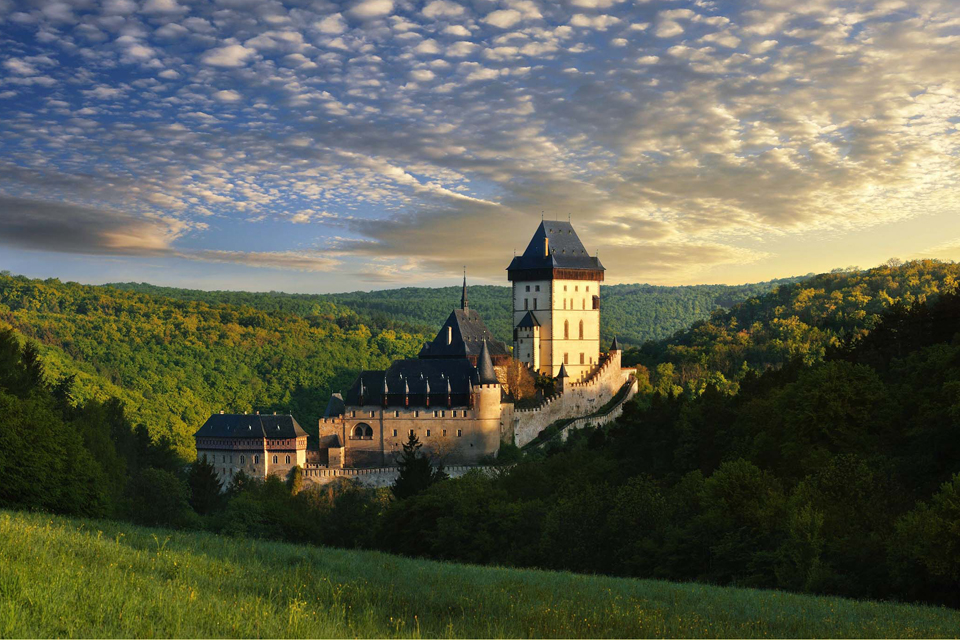
Karlstejn is a remarkable witness to the creative energy of Charles IV, king of Bohema and Holy Roman Emperor 1316 - 1378
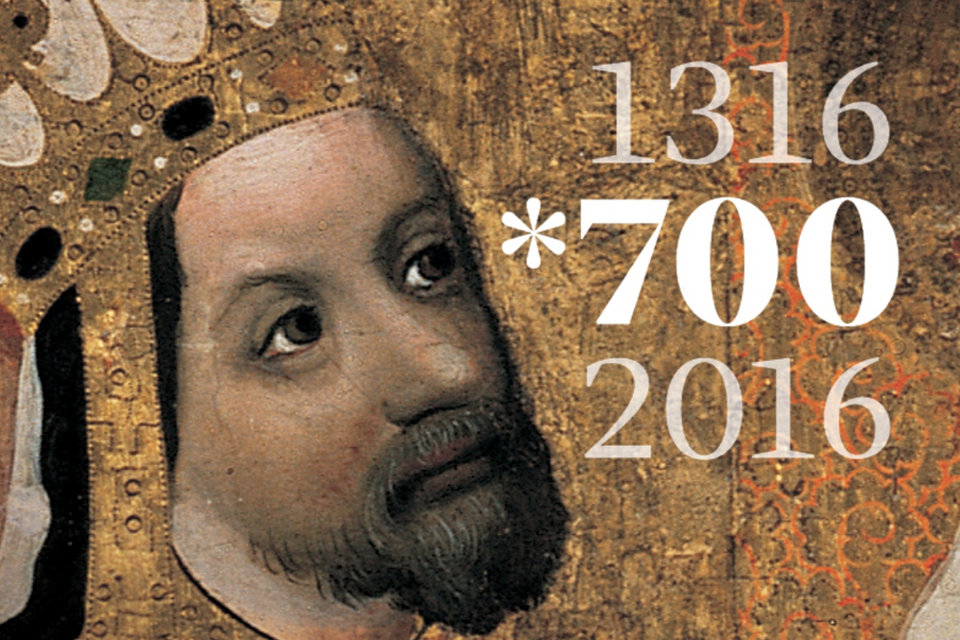
This year Prag and Nuremberg celebrates the birth of Charles IV (1316 – 1378) with two major exhibitions and a number of other events.