The Lewis Chessmen from the 12th century are among some of the most iconic images of both the Isle of Lewis itself and the Norse heritage of the British Isles. This summer six of them will come home...
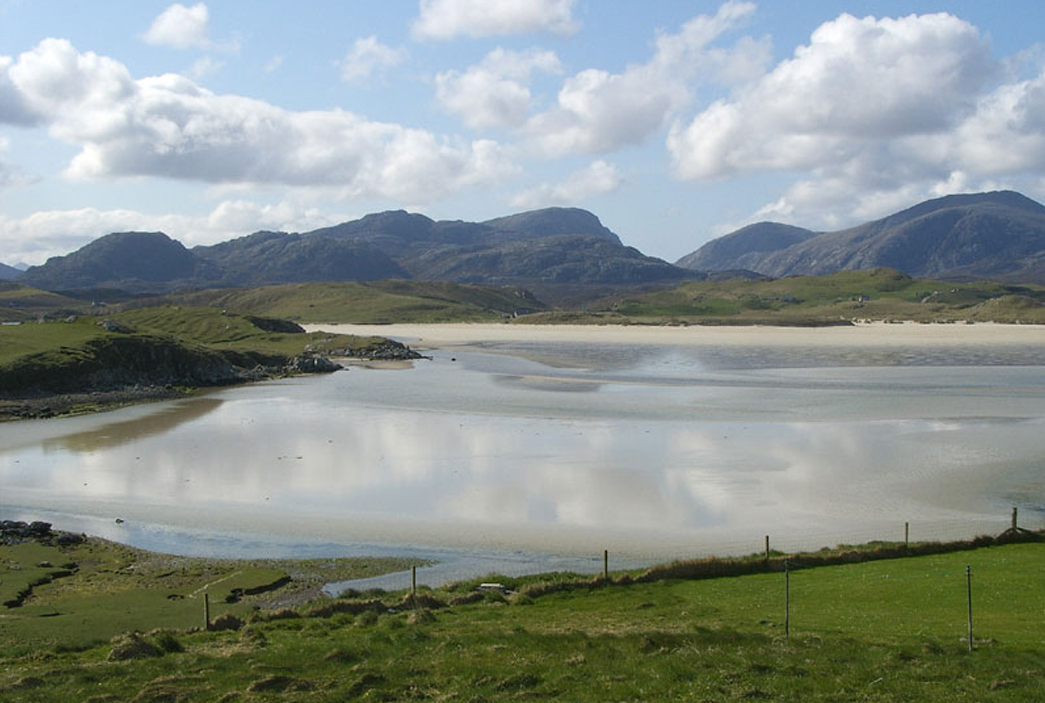
The Lewis Chessmen from the 12th century are among some of the most iconic images of both the Isle of Lewis itself and the Norse heritage of the British Isles. This summer six of them will come home...
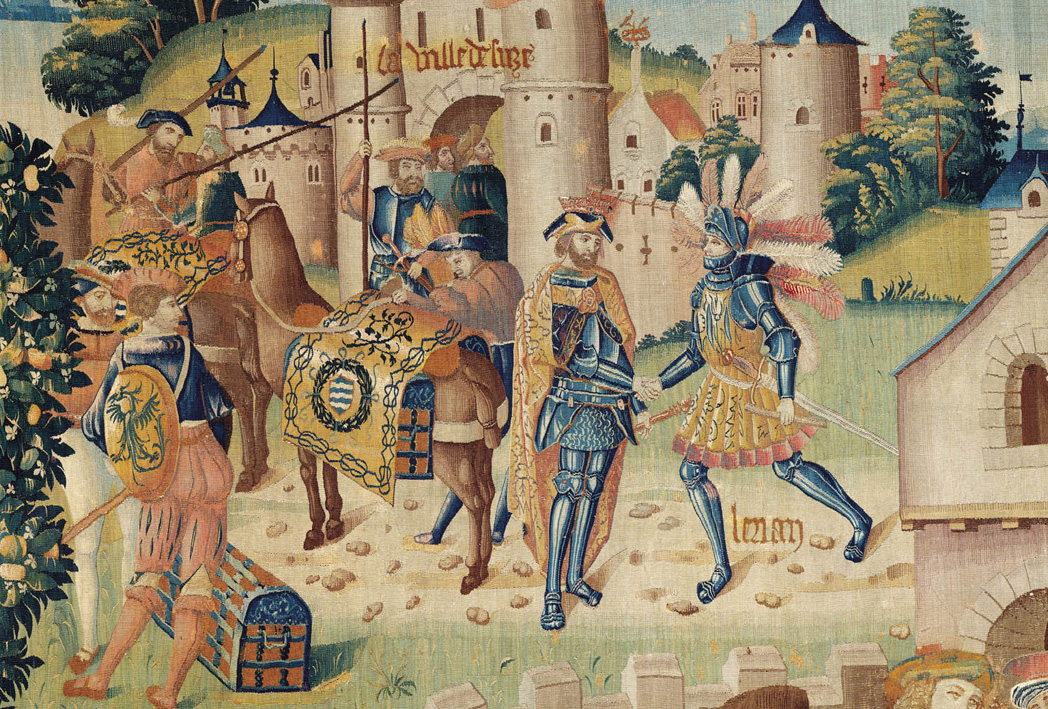
Exciting exhibition at the Bargello in Firenze tells the story of medieval travellers and their journeys

This is not a walk for the fainthearted. The chance is, though, to experience some genuine medieval hospices

Wienhausen, a convent near Lüneburg has preserved a remarkable heritage of religious art in the form of murals, sculpture, textiles and texts. Touching the Risen Christ was the high point
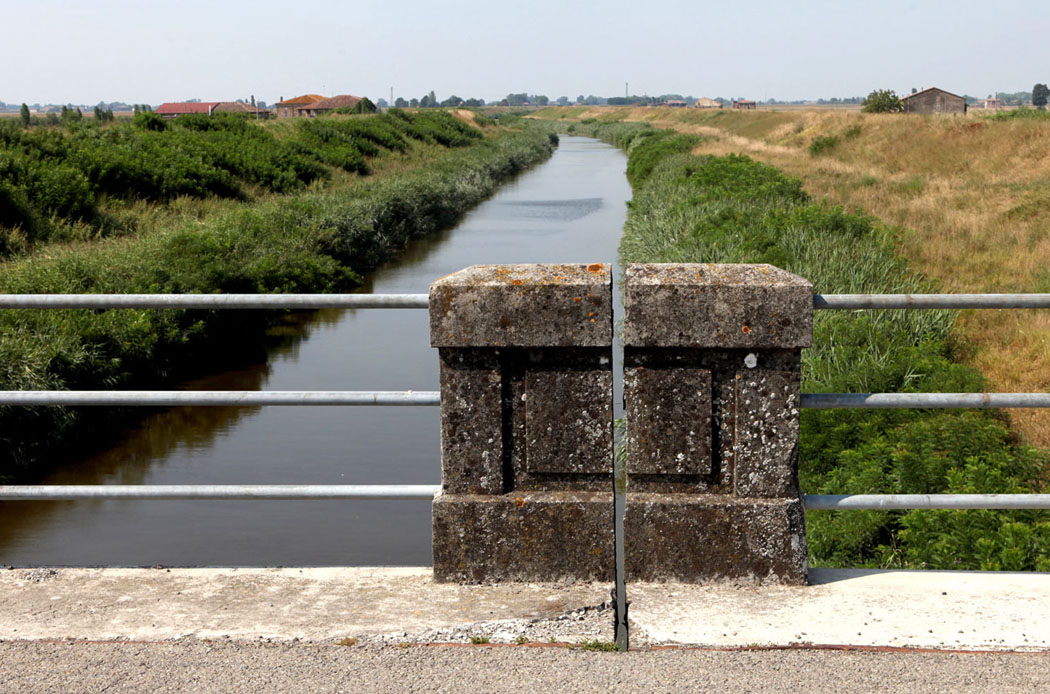
Genetic studies have demonstrated that a significant part of the population in San Giovanni in Persiceto near Bologna may perhaps trace its roots back to the Lombard invasion in the 8th century
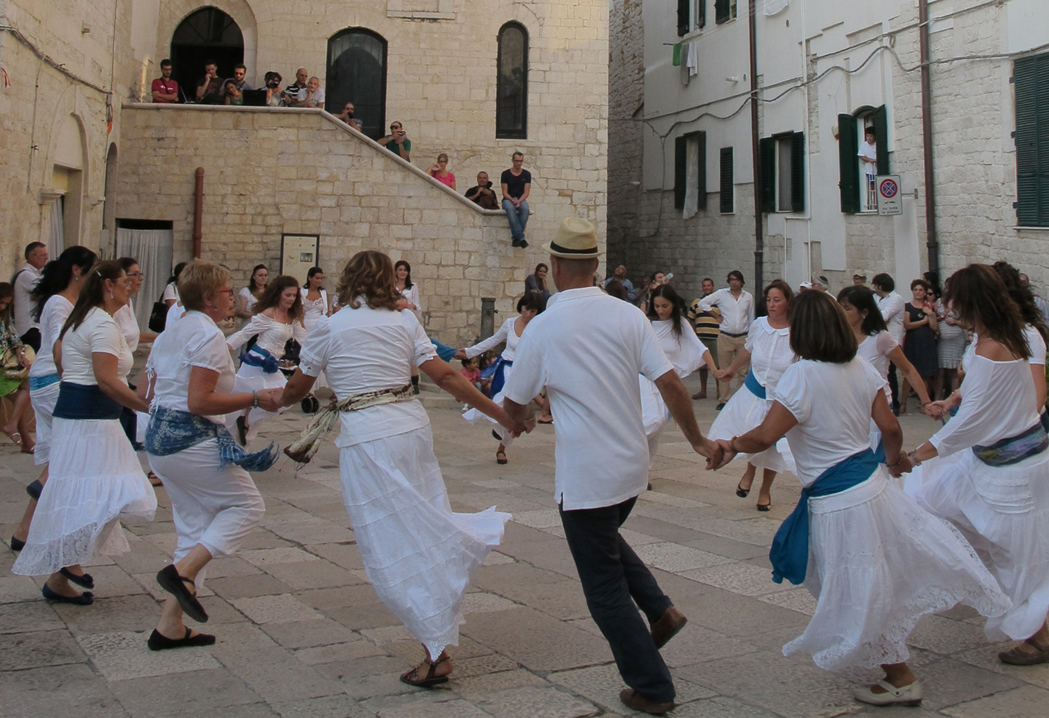
The medieval Scolanova Synagogue in Trani was confiscated around 1380 and used as church. In 2006 it was returned to the Jewish community.
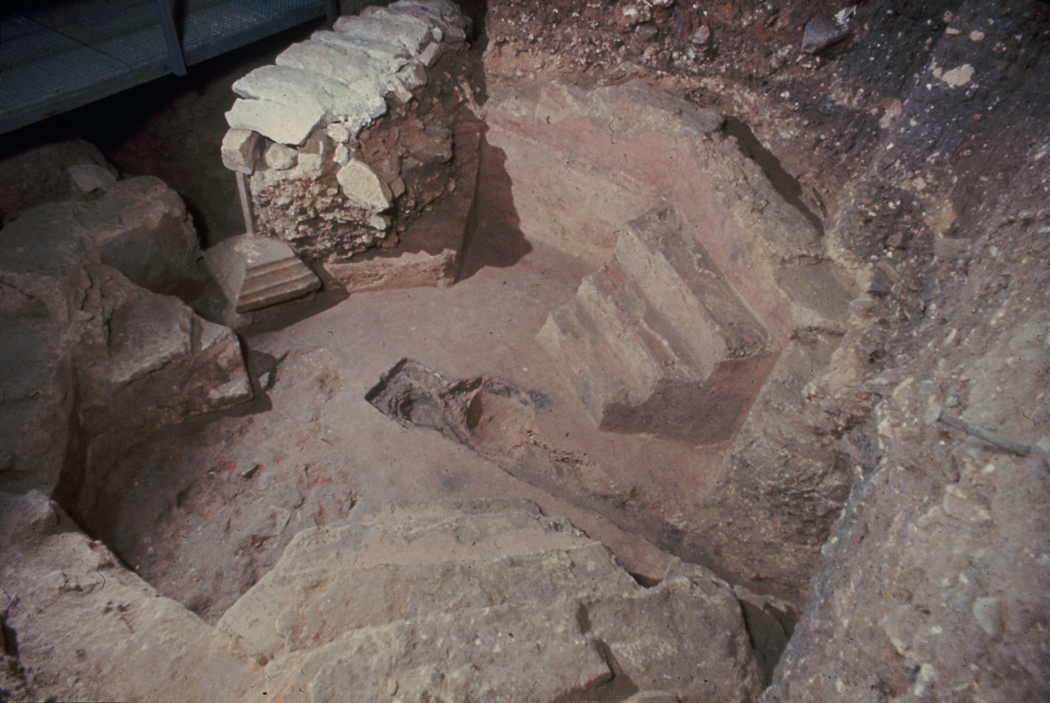
The City Museum in Barcelona has remodeled its exhibition devoted to the period from Late Antiquity and into the 8th century: the Visigothic period
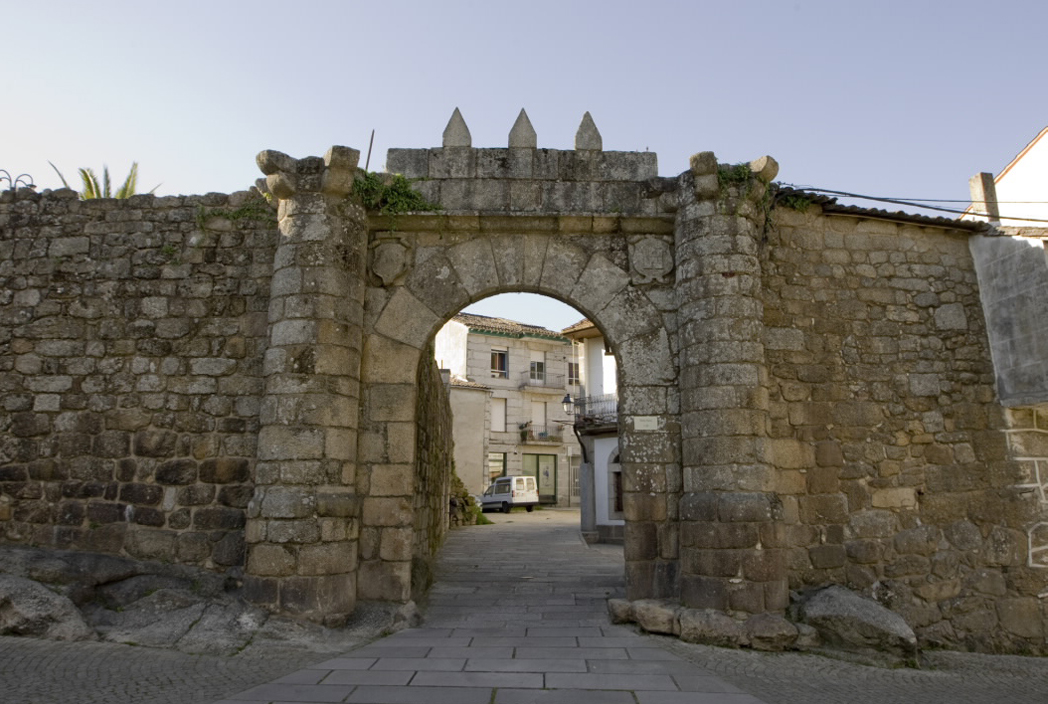
The town of Ribadavia – Burgo de Rippa Avia - is located in the southwest of the province of Ourense in Galicia. The town lies on the right bank of the river Miño, where the river Avia flows into it.
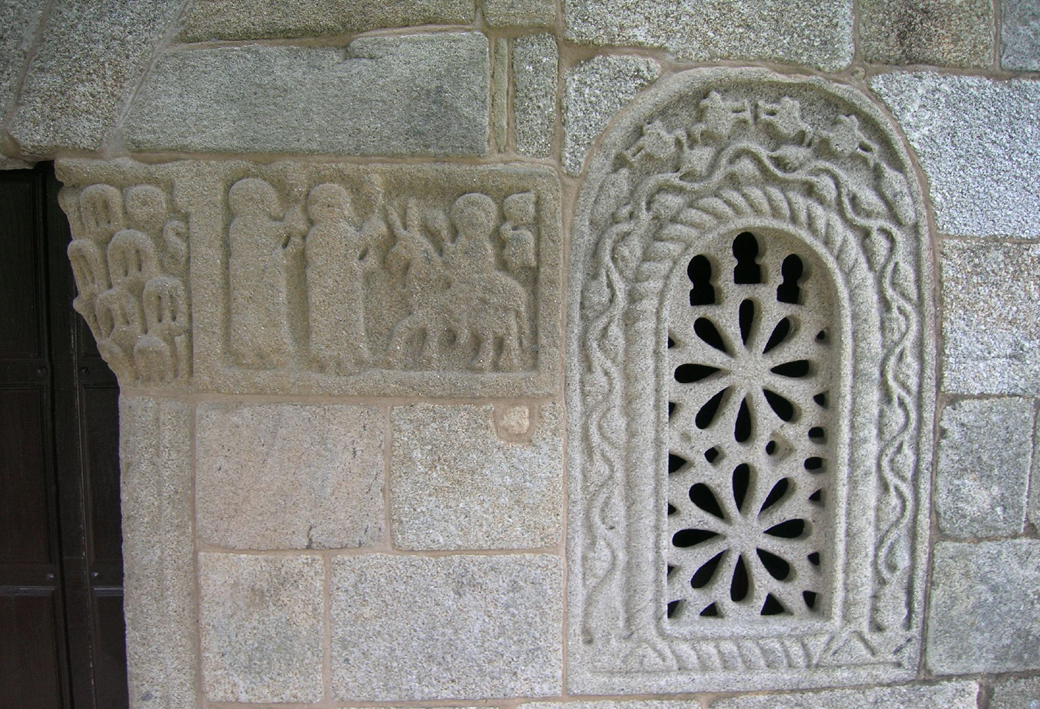
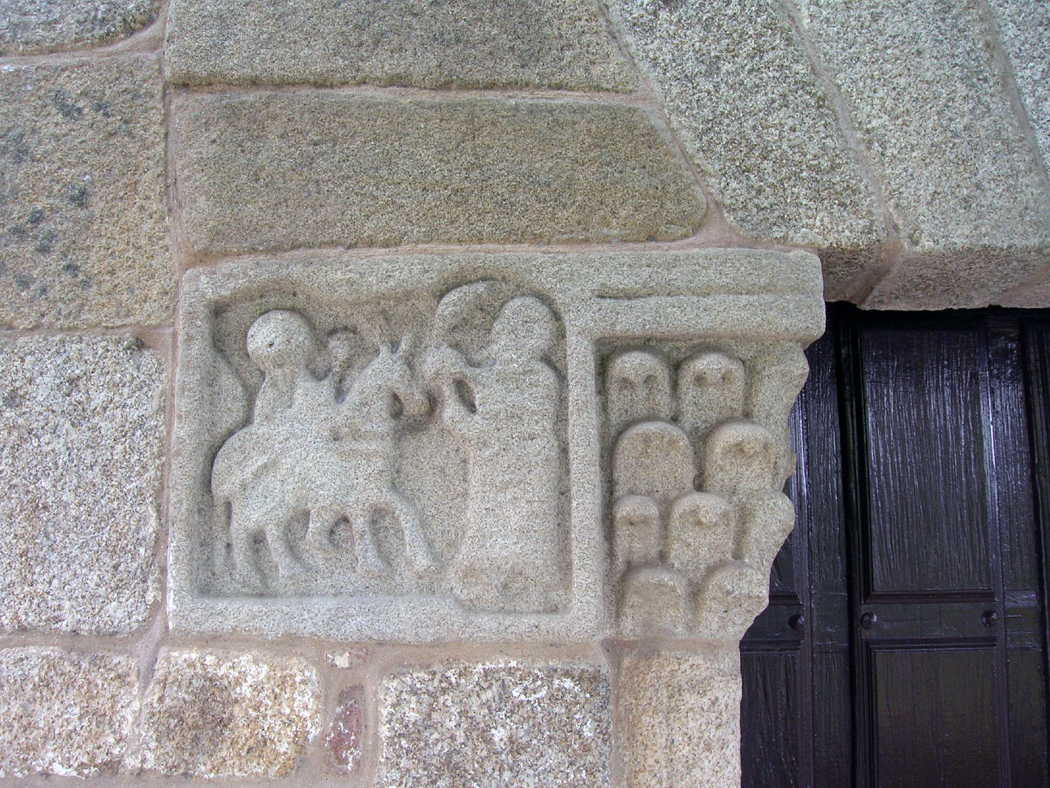
South of Ribadavia near Ourense in Galicia lies a small village, where the local wine, the famous Ribeiro, is grown. Here was a small monastery located and although is buildings are long gone, a small precious chapel may still be visited.
The church has only one nave and measures 8.60 x 5.75 m, built of granite blocks and with a wooden roof. The small tower is from a later period as is the small portico, built in front of the entrance. Of main interest is the façade, which probably sported a carved tympanum, no longer extinct.
The entrance forms a the horseshoe arch, on each side of which are two half-columns decorated with stylised wine-stocks. They end in palm-leaves. On each side are panels, on the left showing the flight to Egypt and on the right Jesus’ entry into Jerusalem. On each side of these are two windows. The left is square, while the right has a delicately traced transenna, with two rosettes on top of each other. These are framed by a carefully carved band of rope, surrounded by a branch of vine.
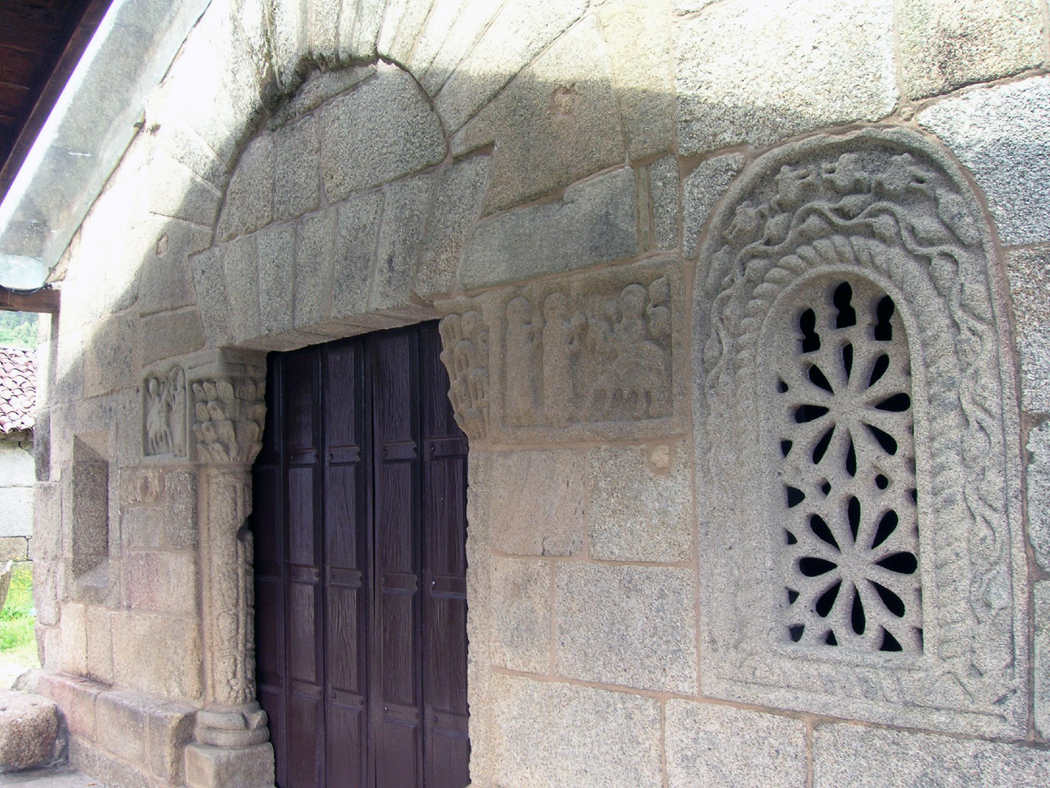
The church is believed to have been built during the reign of the Asturian king, Alfonso III (866 -910). Originally it was dedicated to Maria Magdelen; later it was rededicated to San Ginés (or in Galician: San Xenxo).
Archaeologists have excavated the church, where they found nine tombs cut in granite, which contained the remains of children, but very few grave goods.
Guía del Prerrománico en España
By Jaime Cobreros
Madrid 2006
ISBN 84-9776-215-0
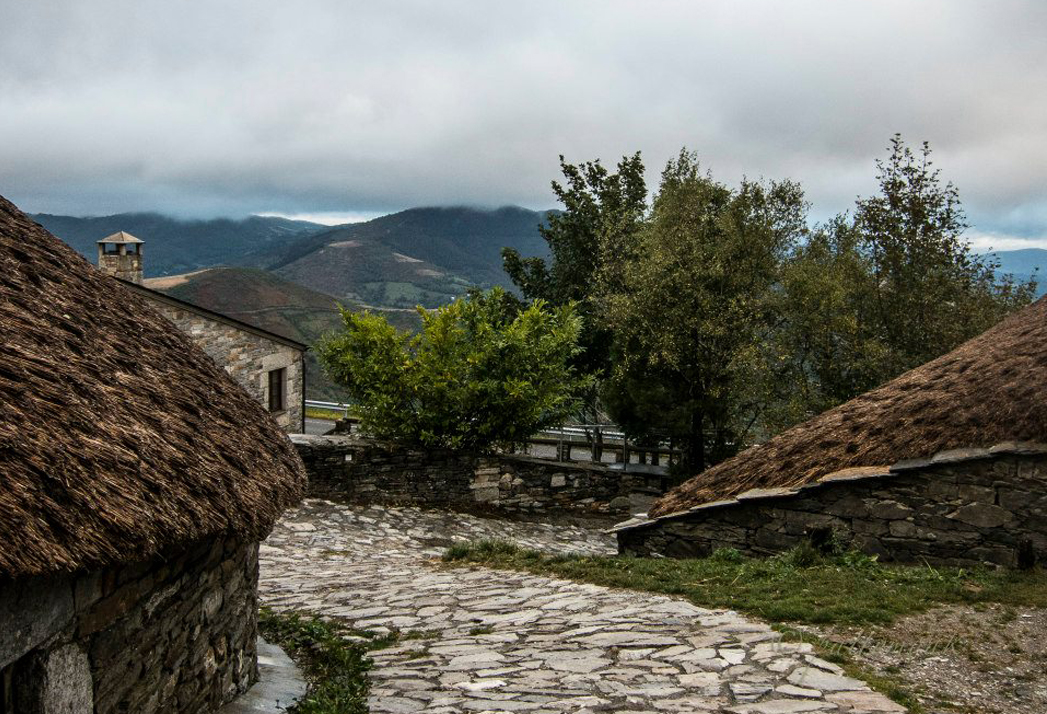
Galicia in the Early Middle Ages experienced a remarkable economic and cultural transformation. The evidence is carefully being piecing together by the archaeologist, José Carlos Sánchez Pardo
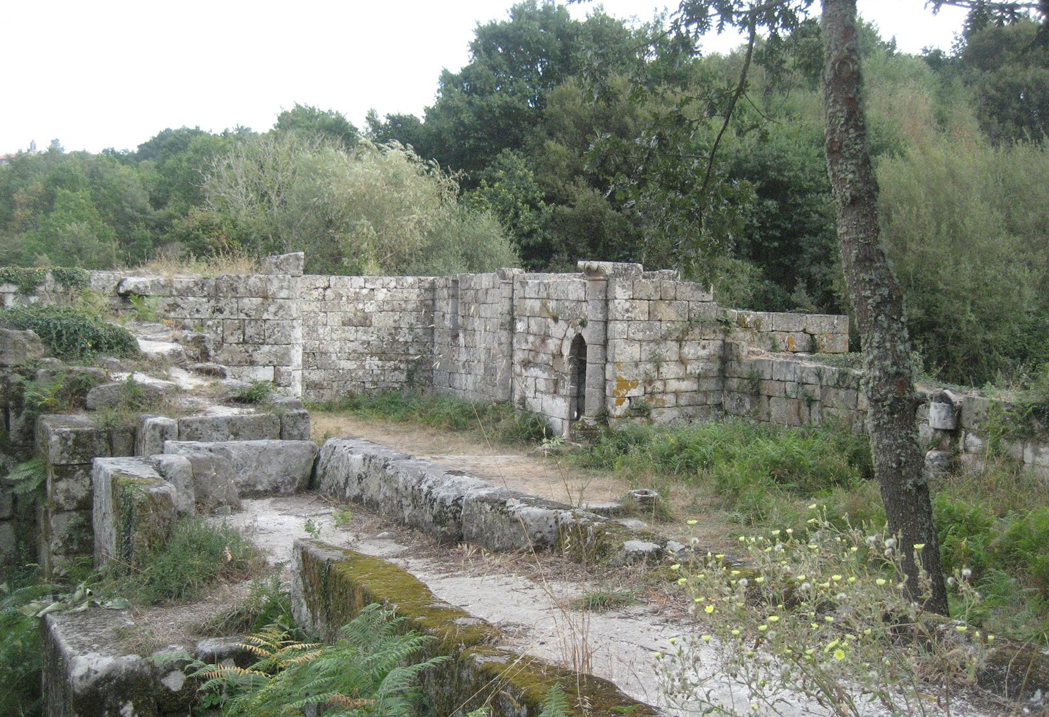
Santa Mariña de Augas Santas is a small parish near Ourense in Galicia in North-Western Spain. It has a history reaching back before Christianity
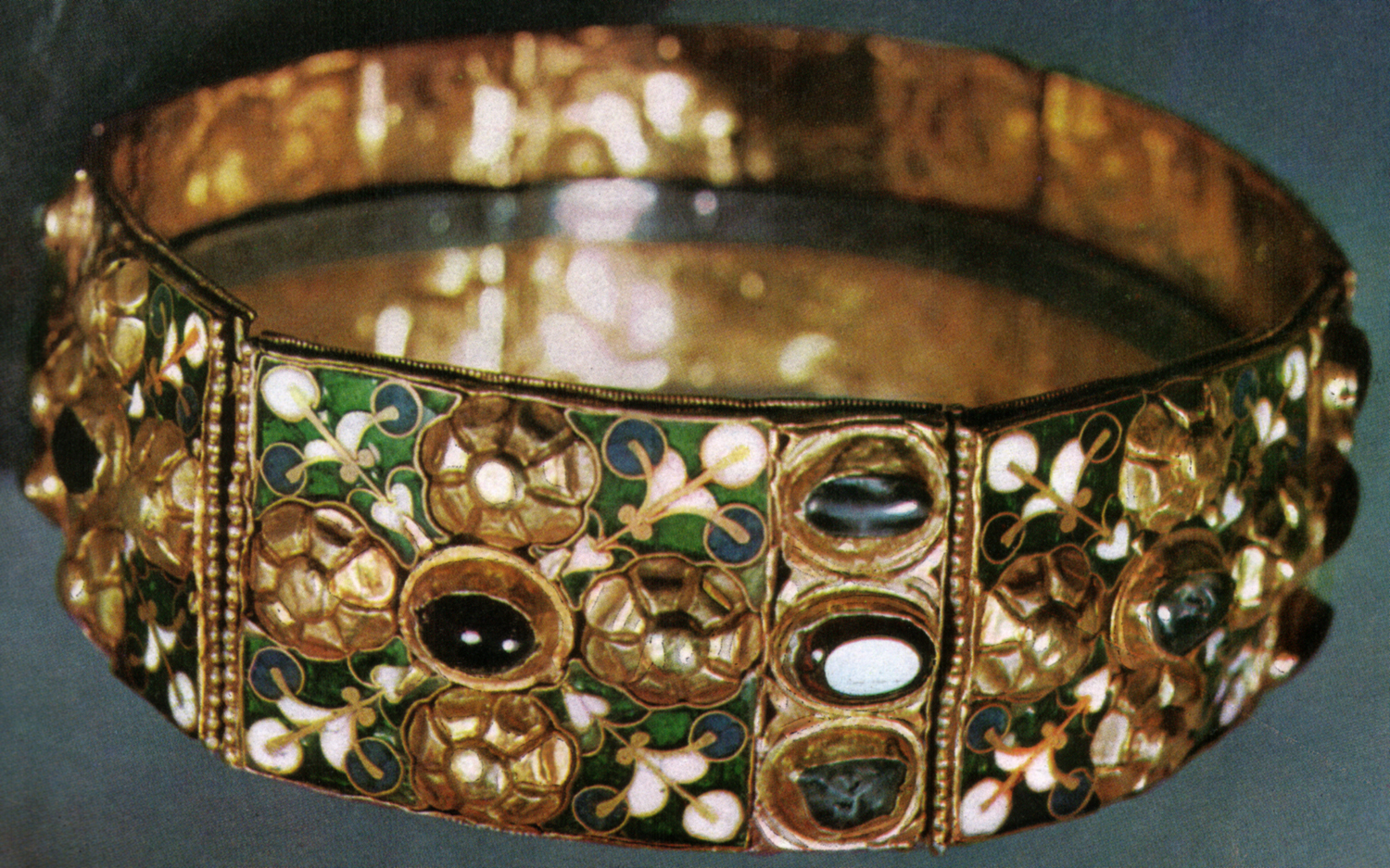
The Chapel of Teodolinda in the Cathedral of Monza and holds the famous iron crown, part of which have been dated as far back as the 4 -5th century.
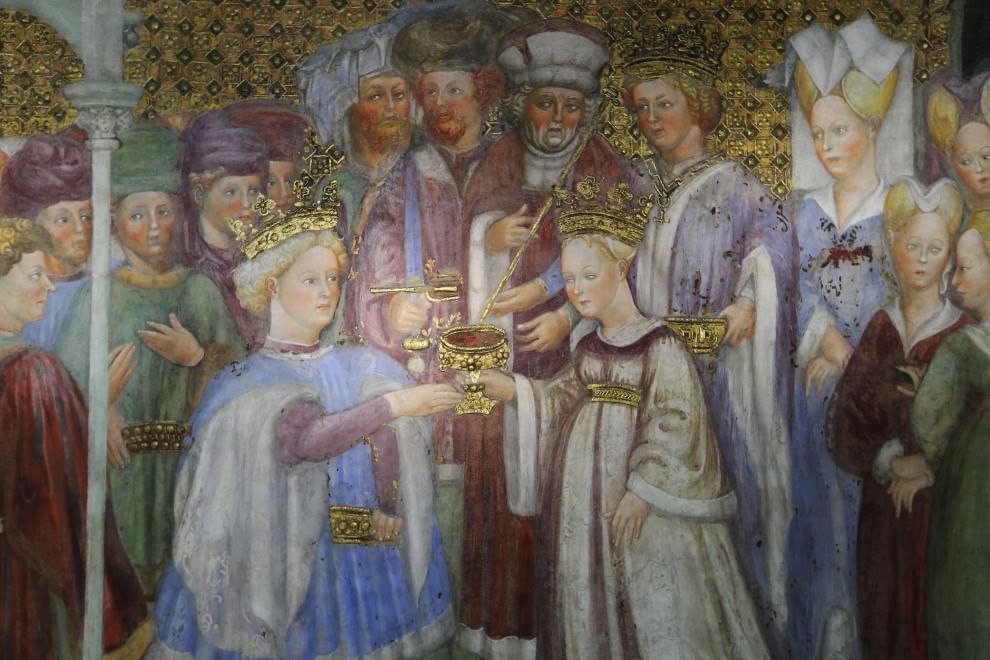
The Chapel of Teodolinda with the famous cycle of frescoes by the Zavattari Workshop has been painstakingly restored and has now been reopened
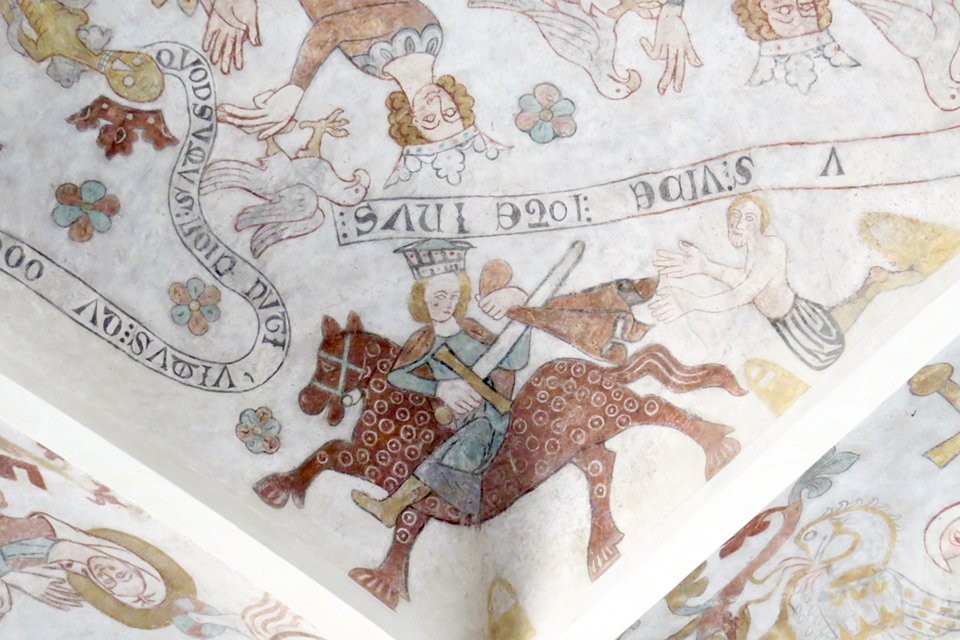
Saint Martin was the first non-martyr sainted by popular acclamation. However, the idea of who he was has continued to change according to popular opinion
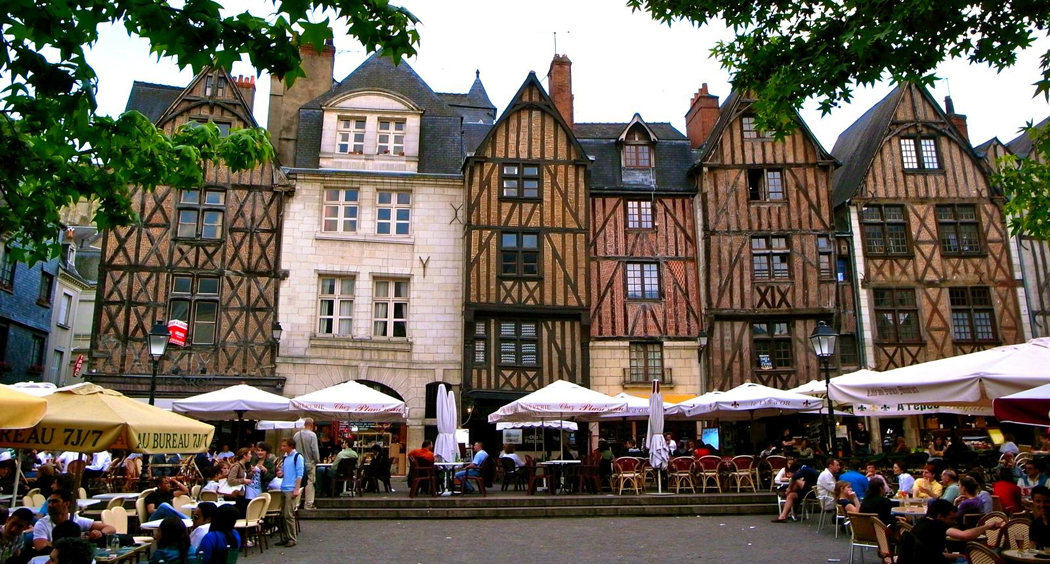
Tours was very early on a fortified city with a flourishing Christian community on the outskirts. The two parts of the modern city still seem to reflect this ancient historyTours was very early on a fortified city with a flourishing Christian community on the outskirts. The two parts of the modern city still seem to reflect this ancient history
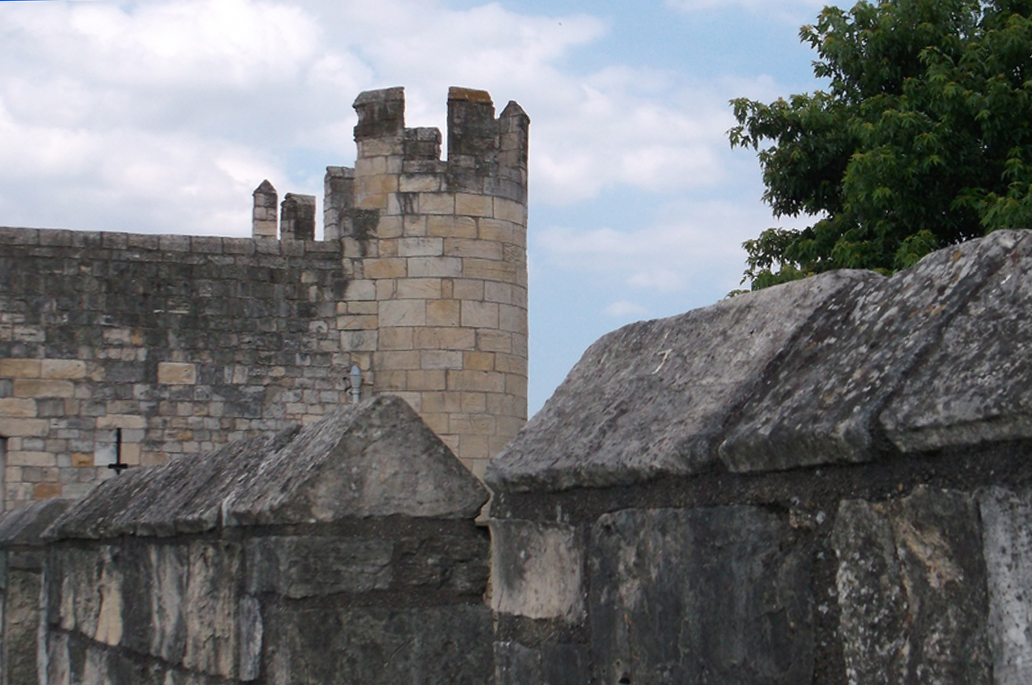
City of York Council invests to protect York’s medieval Bar Walls