Archaeologists from MOLA (Museum of London Archaeology) discovered the devotional panel, venerating Thomas, Earl of Lancaster in remarkable condition by the River Thames.
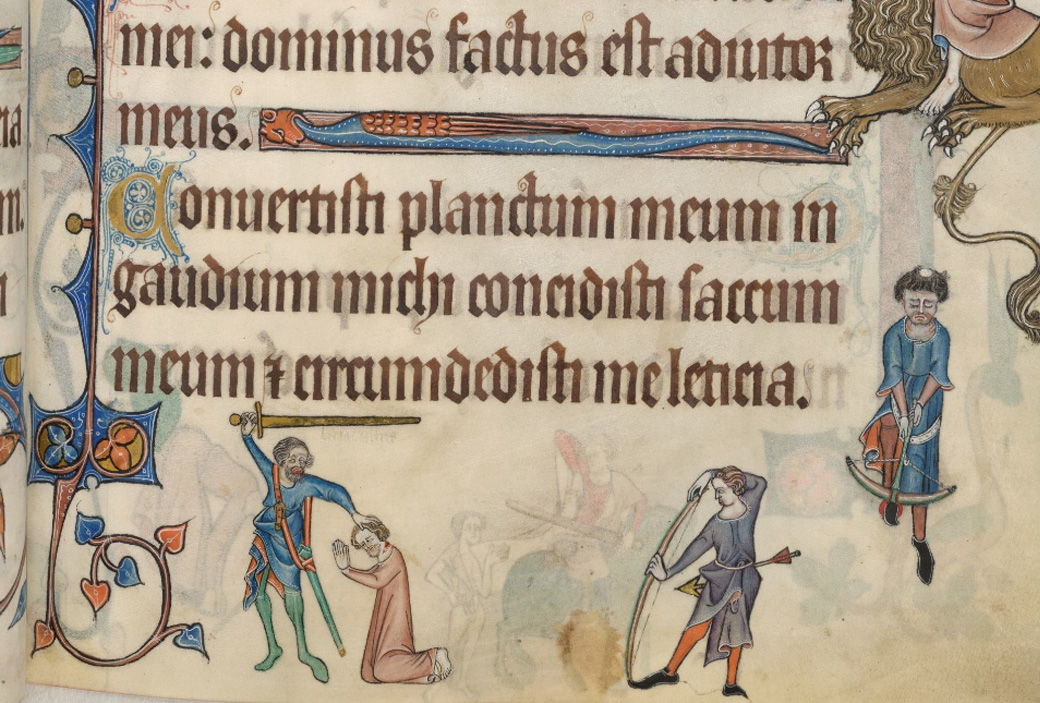
Archaeologists from MOLA (Museum of London Archaeology) discovered the devotional panel, venerating Thomas, Earl of Lancaster in remarkable condition by the River Thames.
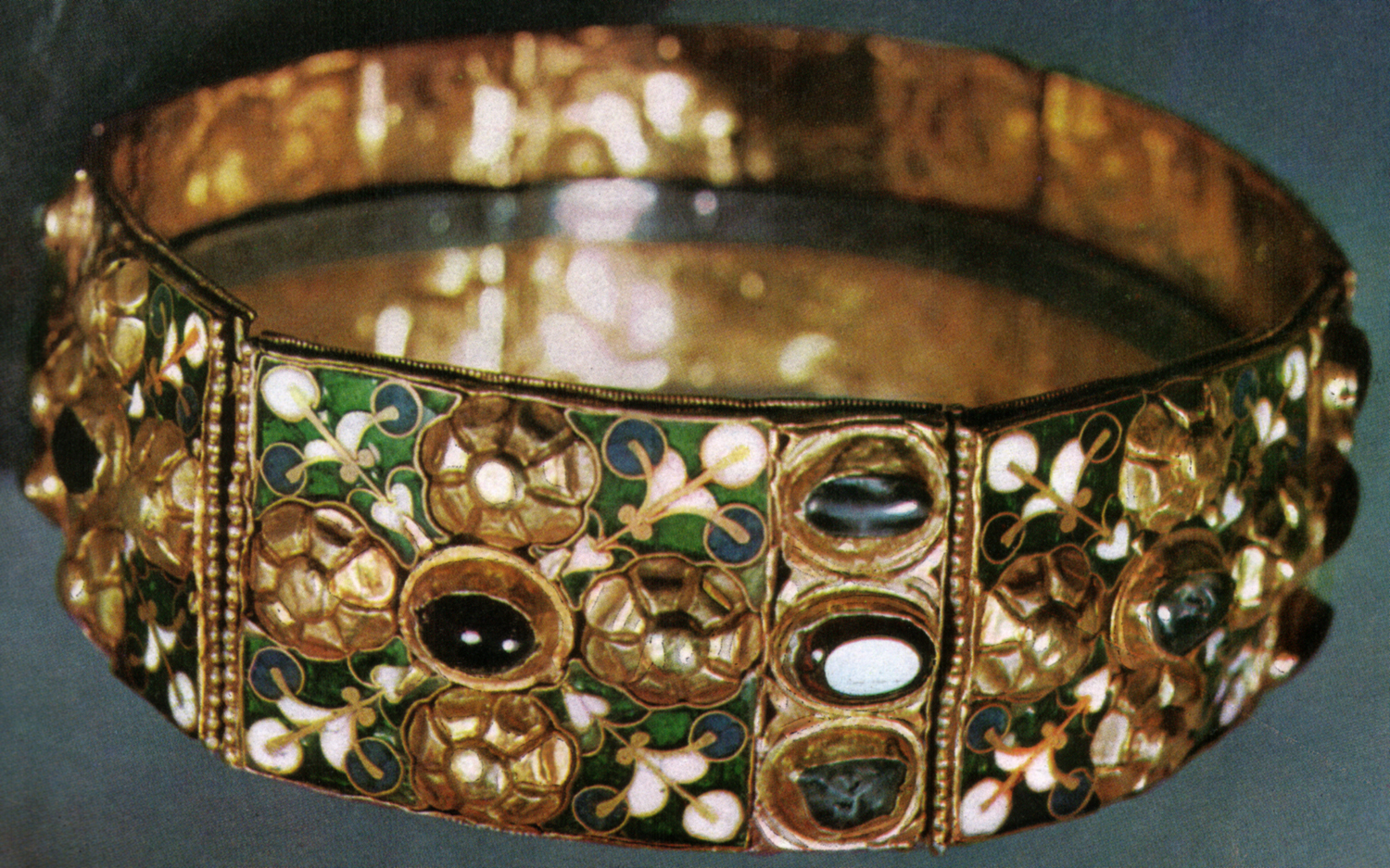
The Chapel of Teodolinda in the Cathedral of Monza and holds the famous iron crown, part of which have been dated as far back as the 4 -5th century.

Crystal Cross from the 16th century returned after a hundred years. It is believed to have belonged to either Mary Stewart or her mother Marie de Guise
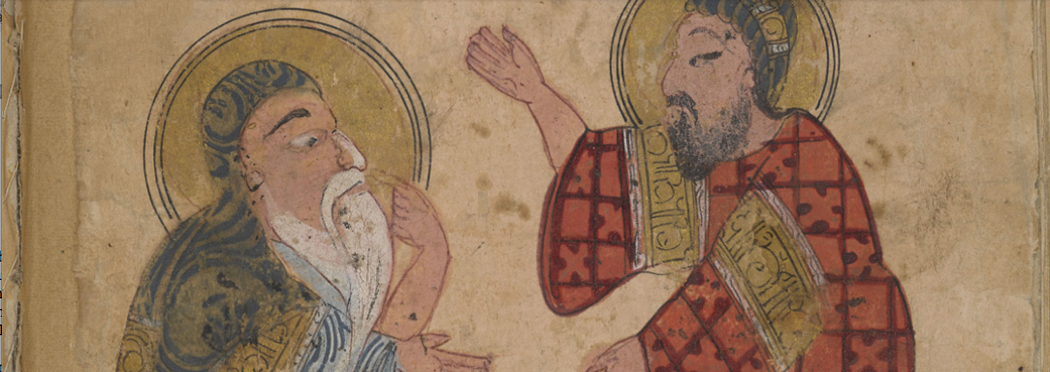
The Arabic Manuscripts Collection In the British Library comprises almost 15000 works in 14000 volumes
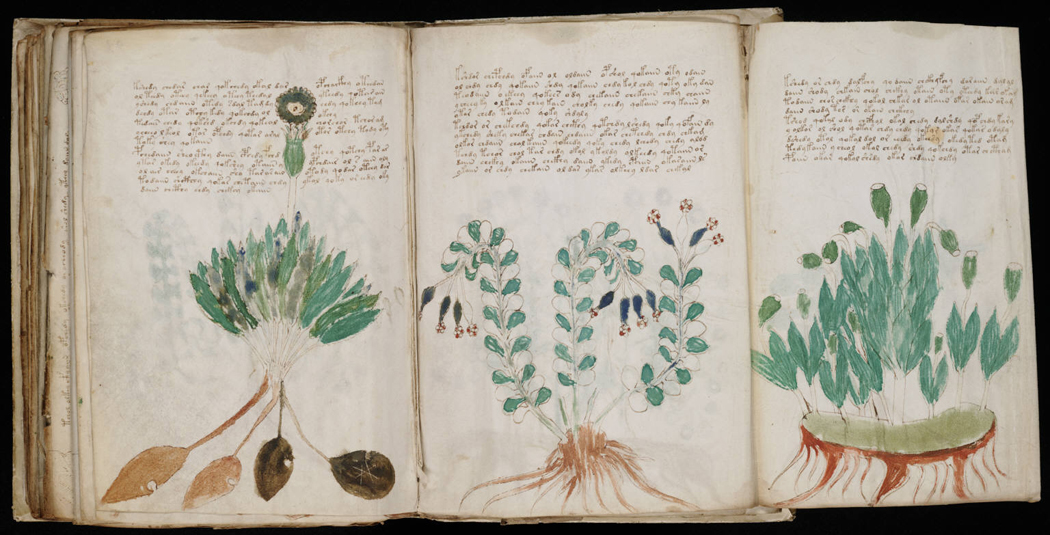
The Voynich Manuscript is perhaps the largest medieval enigma of them all. New digitized edition might help scholars along
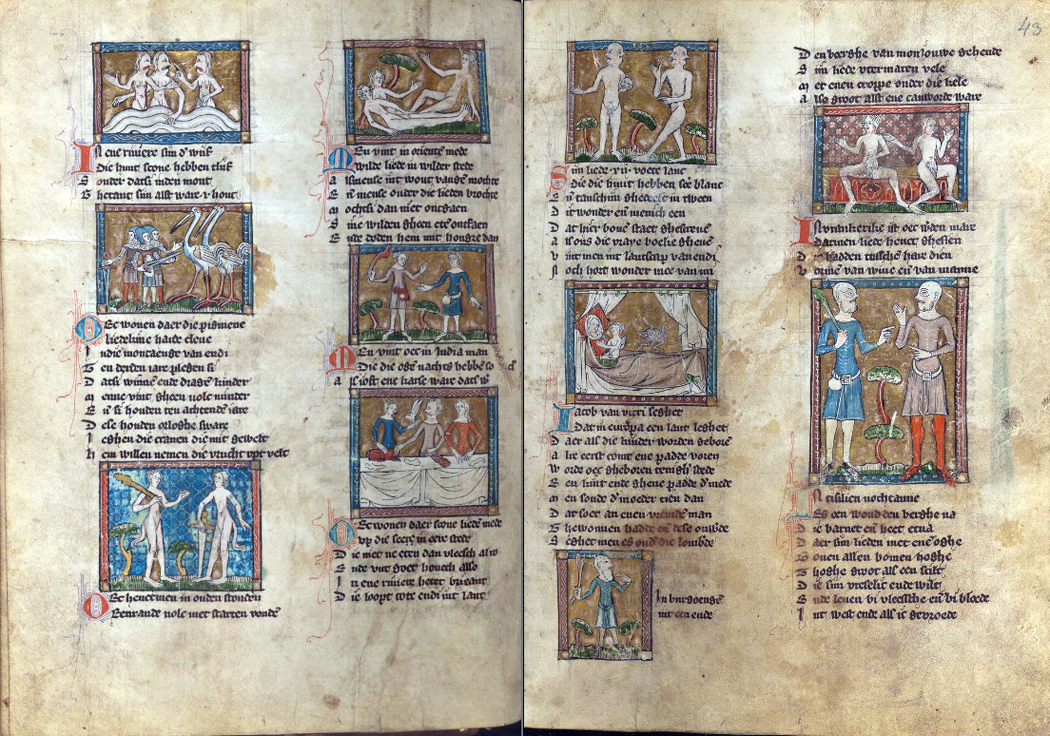
Der Naturen Bloeme is a Masterpiece by the Dutch Poet, Jacob van Maerlant c. 1230 – 1291
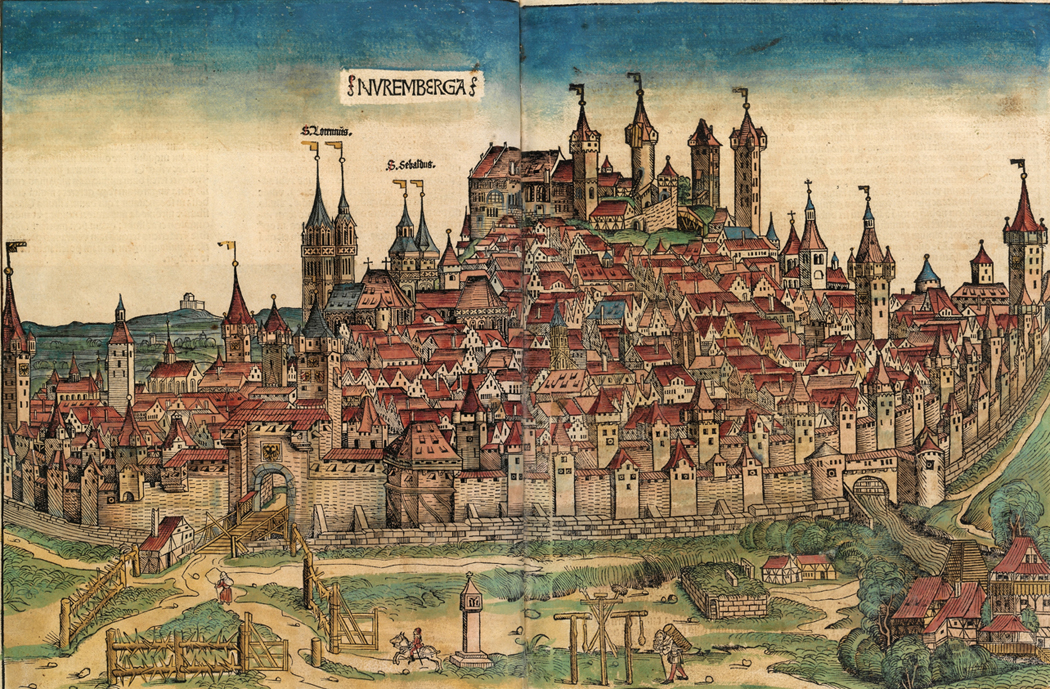
An exhibition in Heidelberg - with beautiful pictures - shows magnificent manuscripts from the transition between handwritten and printed books
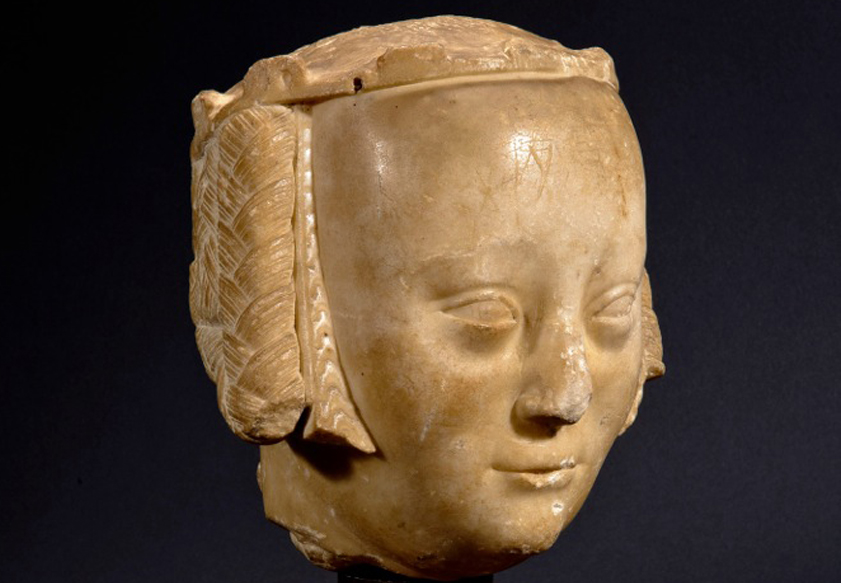
The Maison de Piasa in Paris announces an auction of a marble head of Jeanne de Bourbon (1338 – 1378), wife of King Charles V
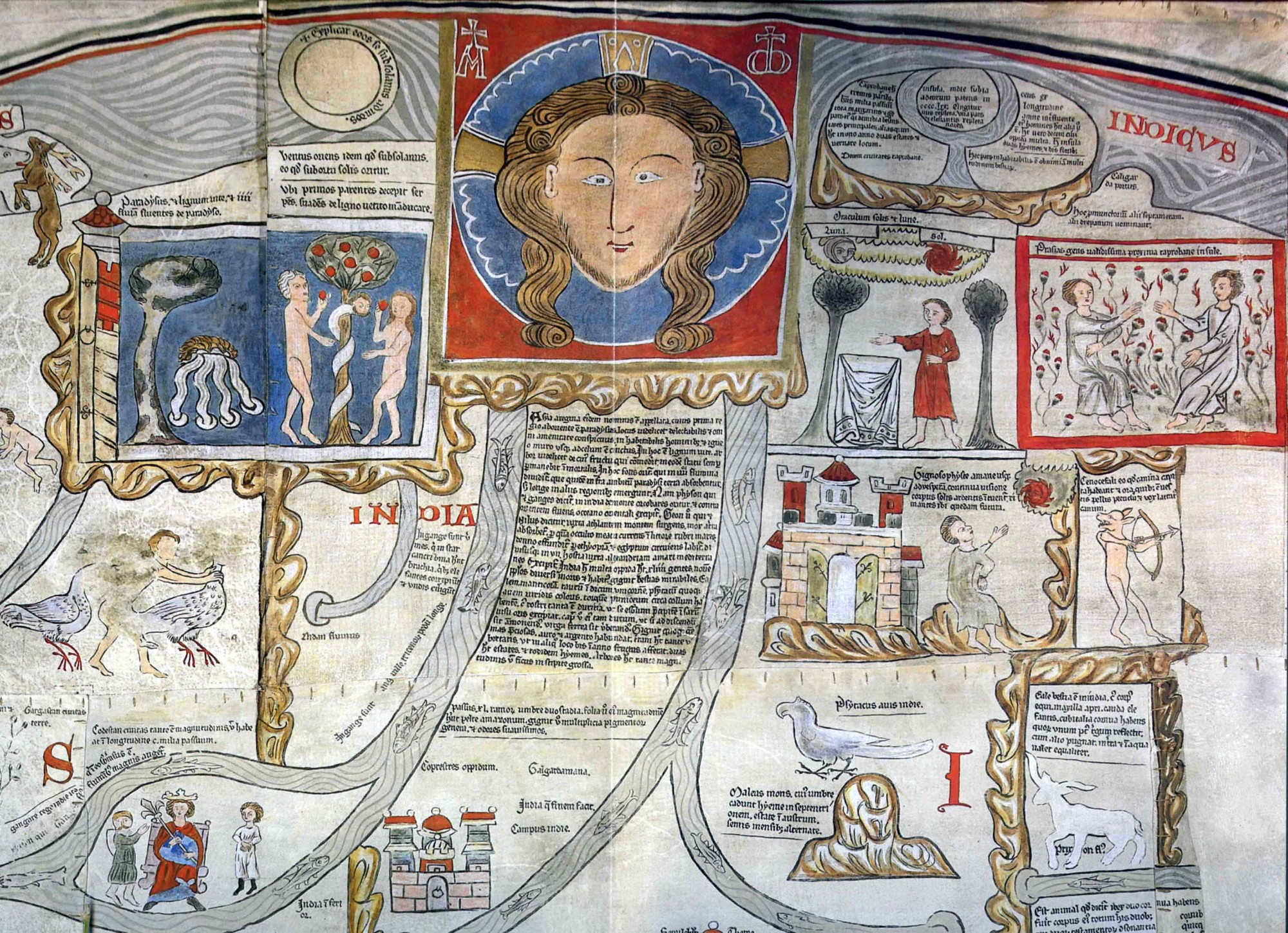
The Ebstorf Map belongs to a group of maps known as the Mappae Mundi
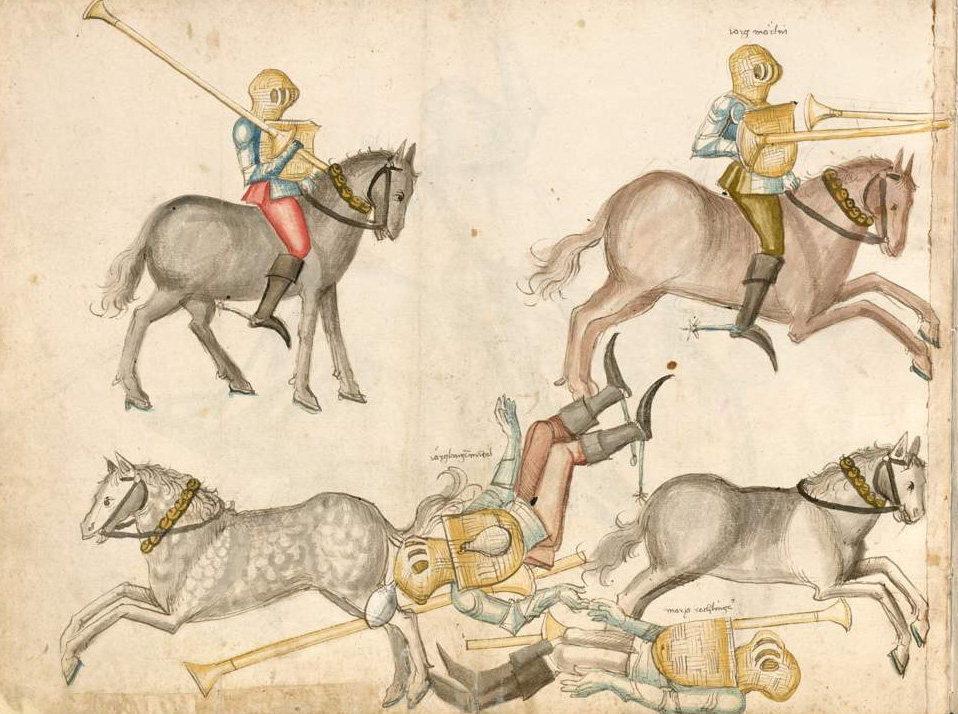
New edition of Marx Walther’s Tournament Book from the 15th century brings us close to the more popular parts of these late-medieval feasts.
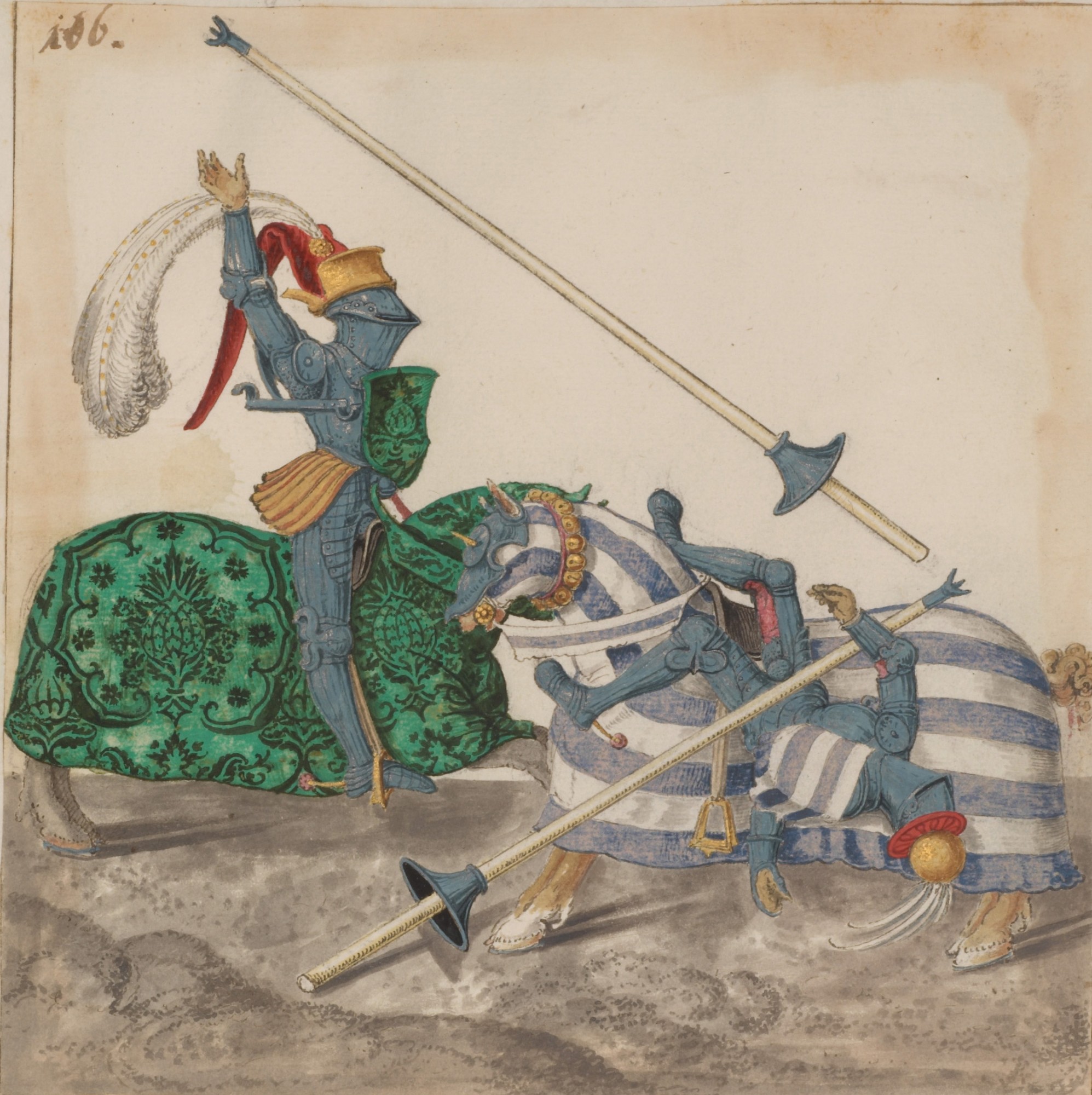
The story of Maximilian I as the "last knight" is told in Mannheim this summer (2014)
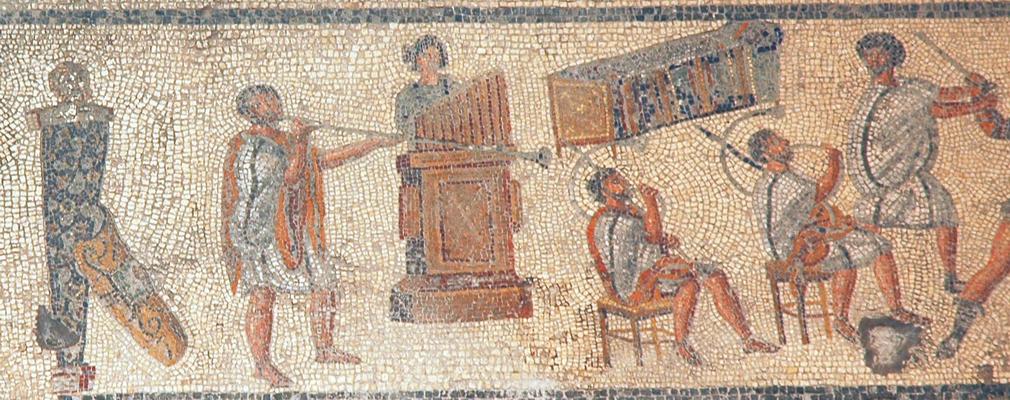
The organ was a prestigious instrument in the Byzantine Empire. New reproductions of early medieval organs help to uncover ancient music.
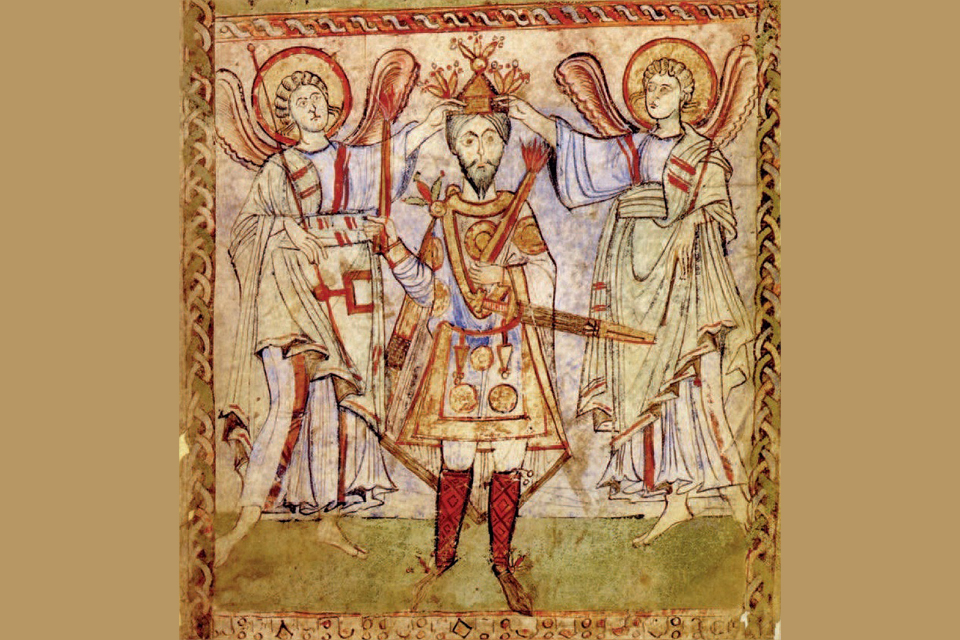
Swords as symbols of sovereignty are known from the 11th century and onwards. However, careful examination of new evidence shows the precursors belonging to the 10th century Ottonian dynasty were typical Viking swords
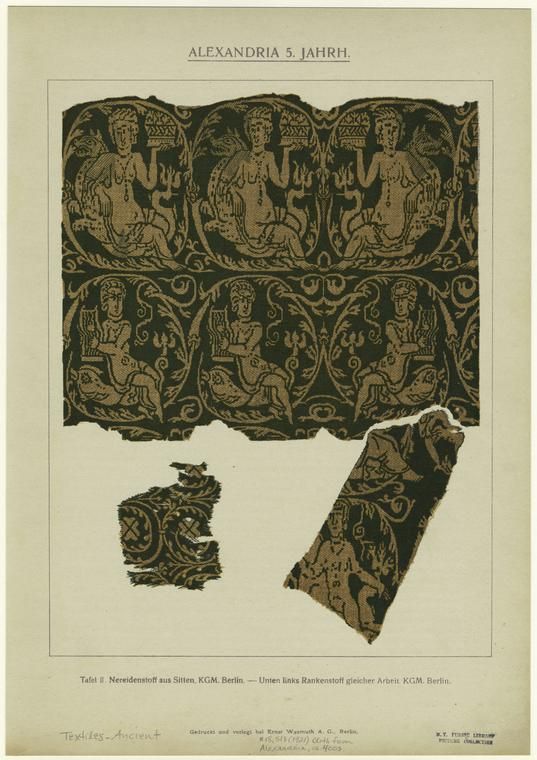
Already in the beginning of the 20th century a German professor by the name of Stückelberg took the opportunity to register and photograph a series a relic-wrappings from the churches and abbeys in the Valais. Many of these tiny pieces belong to the early middle ages and stem from China, via Persia and Egypt to Western Europe. Many of these tiny pieces appeared to belong to the same textiles. Fragments seemed to have been cut off and used in different locations.
One such famous piece is of course the “Nereid Textile” from Sion (Sitten), one of the few fabrics from classical antiquity. It was probably found during an opening of the reliquary of St. Maurice in 1225 and after that dispersed through the valley. Studying all the fragments, Stückelberg found that the sudarium had been bordered on top by a pattern of eagles, while the bottom paraded falcons. He dated the piece to the 4th century and concluded that it might in fact have been the earliest wrapping for Saint Maurice (or what was believed to be his earthly remains, found by Theodulus).
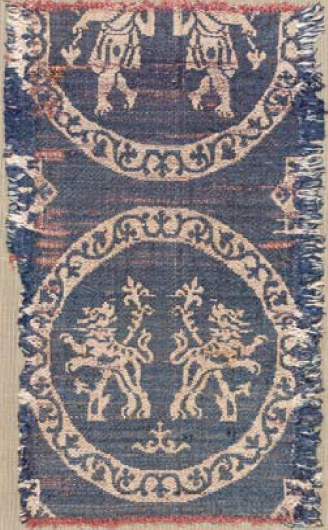
Another silk-piece found at St. Maurice in 1923 seems to be a bit later – from the 6th century. It sports a rapport of lions, vine and chalices.
Too other fragments from Egypt from the 7th to 8th centuries show rapports of dancing figures in medallions alternating with dancing lions or cows. Colours white on blue or red on yellow. These were all found in the Ewer in 1923.
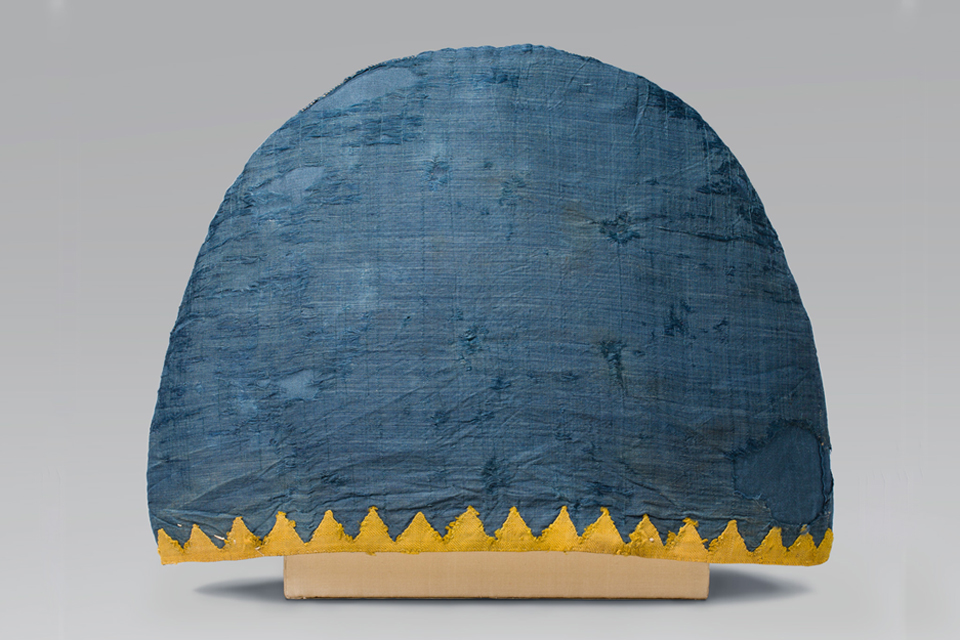
More, however, were to come. As late as in 1961, a whole new cache of fragments were found when the head of St. Candidus was opened. This costly head-shaped reliquary was made in the 12th century. During restoration work the head was found to contain not only parts of the presumed skull but also a blue silk cap and dozens of small tied-up packages of relics wrapped in fabrics with little parchment notes attached.
Some of these textiles belong to the period, when Saint-Maurice d’Augune was founded (515).
Currently this cache of textiles is exhibited at the Abegg-Stiftung at The Villa Abegg in Switzerland together with other rich collections from Hildesheim and the Guelph Treasure. It may be viewed by contacting the Institution.
Unfortunately the full collection of textiles has never been published.
Veil and Adornment
Medieval Textiles and the Cult of Relics.
Villa Abegg
27.04.2014 – 09.11.2014
Unveröffentlichte Walliser Gewebefunde
By E. A. Stückelberg
In: Anzeiger für schweizerische Altertumskunde: Neue Folge, 1926, Vol. 26, no. 2 – 3, pp. 95 ff. (with 20 coloured photos)
Early Textiles in the Canton Valais
A. F. Kendrick
The Burlington Magazine for Connoisseurs, 1924, Vol. 45, No. 258, pp. 125-127+130-131
Textilien des Mittelmeerraumes aus spätantiker bis frühislamischer Zeit
By Sabine Schrenk and Regina Knaller (Textile Analysis)
In: Textilsammlung der Abegg-Stiftung Volume 4
With English Translation of the Introducing Texts
ISBN 3-905014-24-6
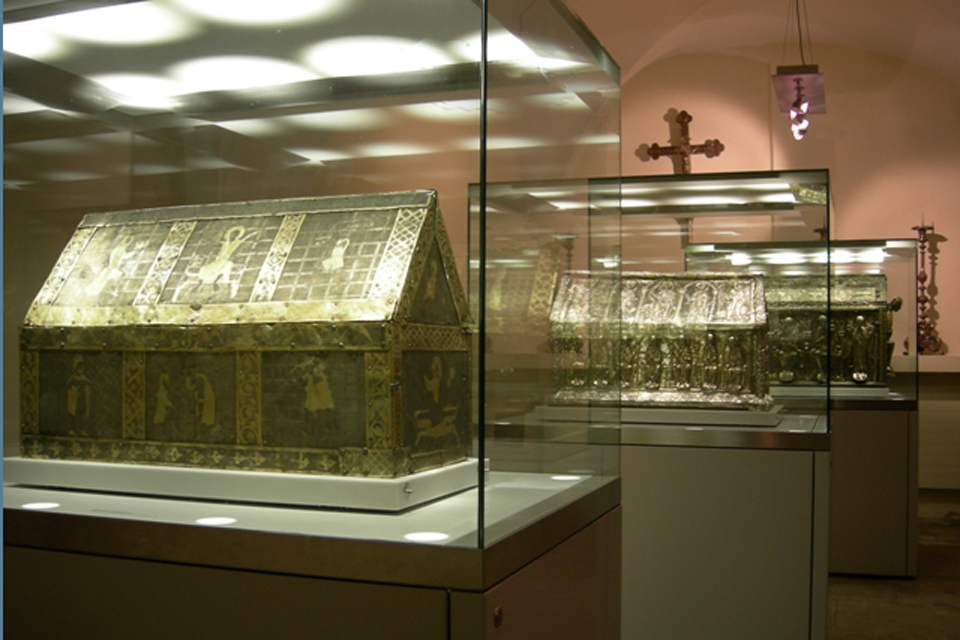
Very early on, the basilica built at Agaune was venerated and honoured through gifts of gold, silver and pieces of decorative art
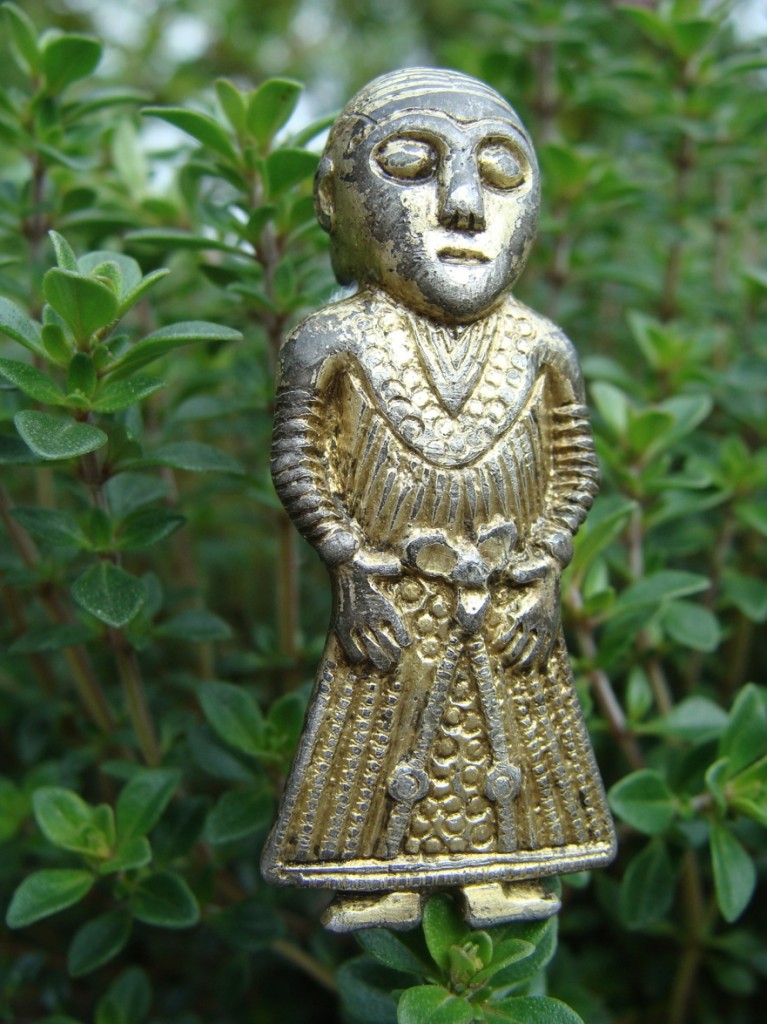
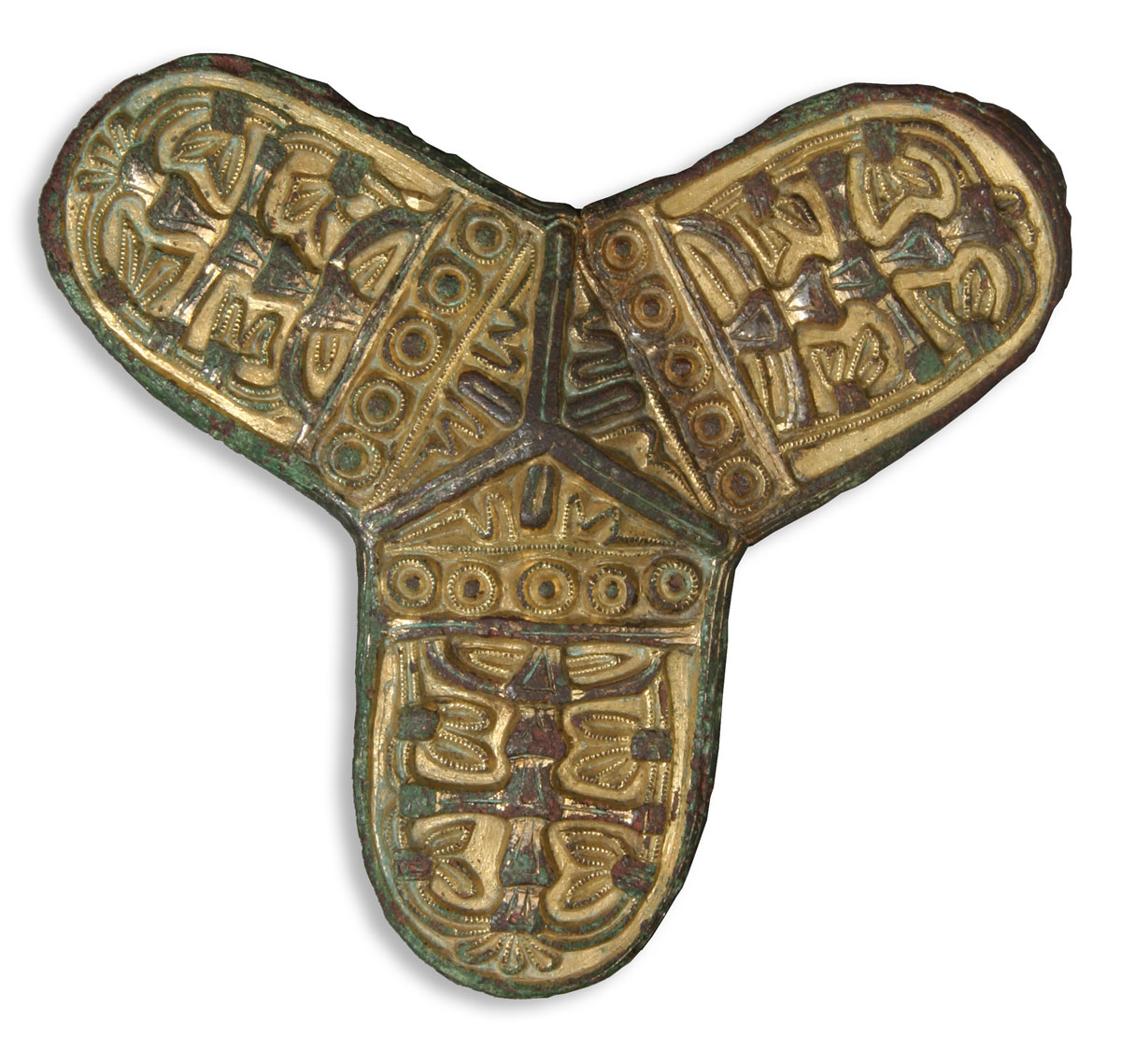
A few months ago a tiny silver figurine was found on the Island of Funen by a man with a metal-detector. Immediately called ‘The Revinge-Woman’ after the spot, where she was found, soon found her way into the hearts of the archaeologists. Not only is she sensational, she is also lovely! The figurine estimated to be from the 9th century is tiny and measures no more than 4,6 cm. She is made of solid silver and afterwards gilded. While her body is flat, the head is three-dimensional. In the back of her head small holes signify, that she has been worn as an amulet. She is wearing a dress and jewels, which are very delicately wrought and which presents details, not known from graves Her hair, which has been parted in the middle, is tightly pulled back and twisted into a bun. Around her neck she carries what looks like a massive string of pearls or a golden necklace. Perhaps her arms are covered in golden rings too. Or perhaps the arms of her dress were pleated, as might also have been the case with the body of her dress. Around her waist she carries a belt, fastened by a three-foil brooch. In Viking graves these brooches are usually found on the breasts of the dead women, but here it is used to pull her dress together at the waist. From the waist hang delicately wrought belt-straps. Beneath her dress delicate feet peep out. Due to the position of her hands in front of her tummy, she is believed to represent the goddess Freyja, responsible for love, lust, beauty, sorcery, fertility and gold. According to Norse Mythology she is said to own Brísingamen, a fabulous torque or necklace, made by dwarfs. Brísingamen is also mentioned in Beowulf, who receives something like it as a gift from Wealtheow, the queen of Denmark after he has killed Grendel. (Verses 1190 – 1200 [1])

Other silverfigurines from the same time – for instance the unique silver Valkyrie, presently (summer 2014) exhibited at the British Museum at the Viking exhibition – are of app. the same size. This Valkyrie measures 3.5 cm and was found in Hårby, also on the island of Funen in 2013. It shows a female warrior complete with sword and shield. Her hair, though, is flowing down from a bun and her dress looks different. She also seems to carry a long necklace around her throat. The two figurines were found app. 50 km apart. The Silver newly found figurine may be seen at the The Viking Museum Ladby on the Island of Funen, Denmark, during summer 2014.
Ekstraordinært fund: Forgyldt sølvfigur fra 800-tallet [Extraordinary find: Gilded silver-figurine from the 9th century]
[1]
The cup was carried to him, kind words
spoken in welcome and a wealth of wrought gold
graciously bestowed: Two arm bangles, a mail-shirt and rings; and the most resplendent
torque of gold I have ever heard tell of
anywhere on earth or under heaven.
The was no hoard like it since Hama Snatched
the Brosings’ neck-chain and bore it away
(p. 85, verses 1191 – 1198)
From:
Beowulf. A New Verse Translation.
By Seamus Heaney
New York, Farrar, Straus and Geroux 2000