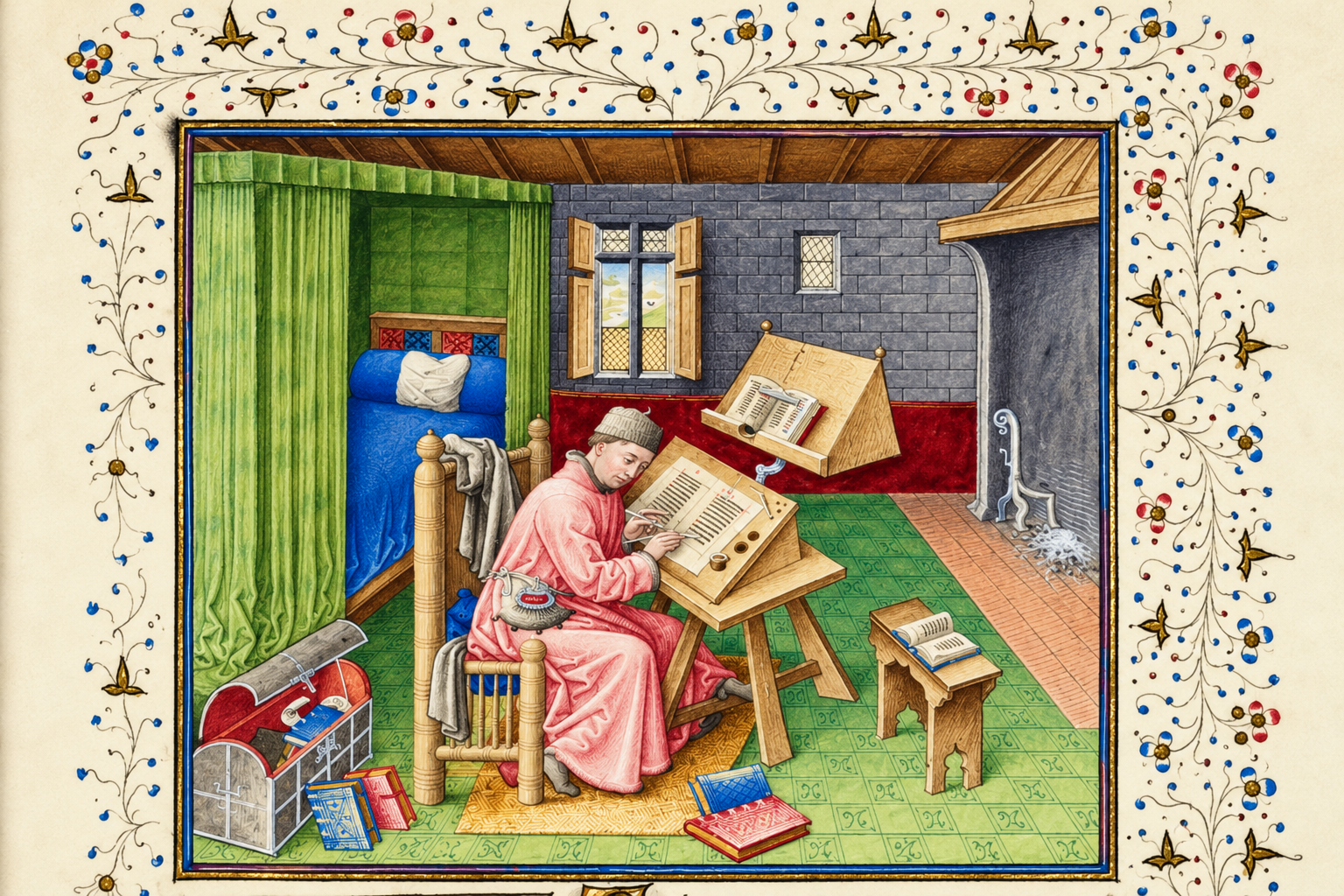
Jean Le Tavernier (illuminator), Jean Miélot in his study (detail), after 1450, Buonaccorso of Pistoia, Brussels, Bibliothèque Royale MS 9278-80, fol. 10r (Bibliothèque royale de Belgique). oruce: Khan Academy

Nicolas Flamel – From A Wealthy Parisian Businessman to legendary alchemist

In 1418, Nicolas Flamel died in Paris, leaving behind a considerable fortune in houses, rents and other property. A prosperous “bourgeois de Paris”, he had spent much of his adult life acquiring real estate, funding religious and charitable works, and arranging for prayers to be said for himself and his wife after their deaths. In doing so, he had also carefully cultivated his public memory, ensuring that his name and image would survive in the streets, churches and cemeteries of Paris.

He could hardly have imagined what would happen next. Within a century, this respectable Parisian businessman and public scribe had begun to acquire an entirely different reputation. According to increasingly elaborate accounts, Flamel had discovered the secret of the philosopher’s stone, mastered the transformation of base metals into gold and perhaps even achieved immortality.

This remarkable transformation from Parisian burgher to legendary alchemist is currently the subject of an exhibition at the Musée de Cluny in Paris.

Planning a visit? We offer a series of essays exploring the fascinating world of Flamel and Pernelle – their houses, their business affairs, their religious foundations and, above all, the bustling city of Paris in which they lived.

This enticing history is right now on view at the Musee de Cluny in Paris… 

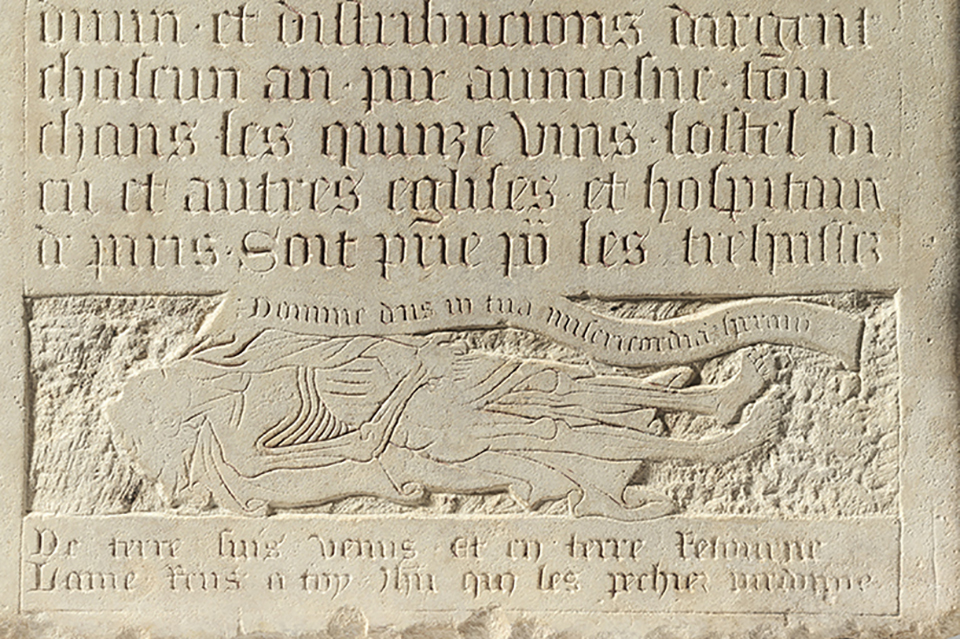
Nicolas Flamel on his tombstone . detail © Musee de Cluny

Nicolas Flamel – The Man Who Became an Alchemist After His Death

23/10/2026

How did a wealthy Parisian property investor and benefactor become one of the most famous alchemists in history? A new exhibition at the Musée de Cluny in Paris explores this extraordinary transformation of Nicolas Flamel Read more
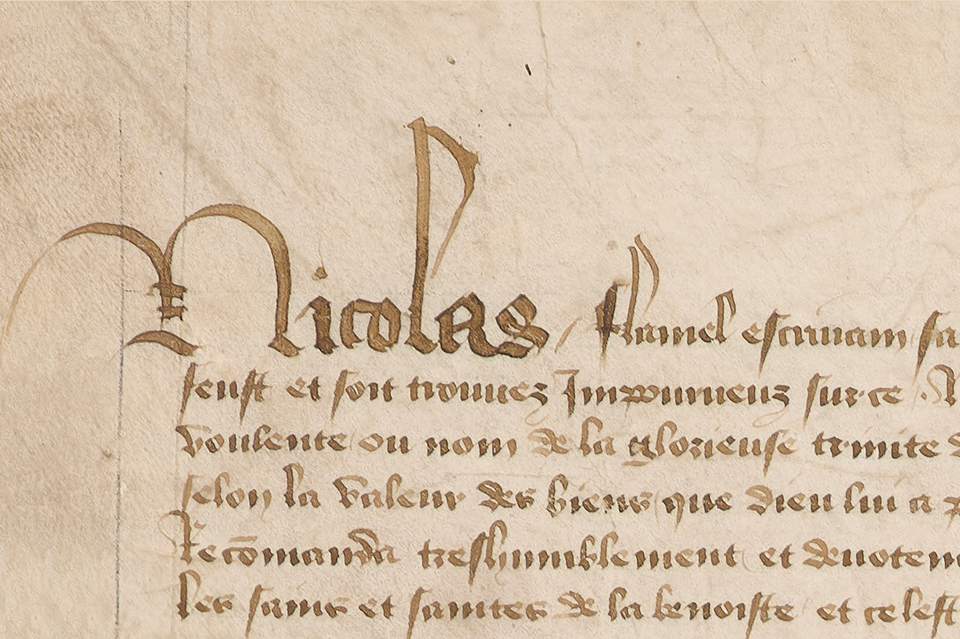
Detail of Testament Nicolas Flamel

The Testament of the Parisian Nicolas Flamel (1330-1418)

23/10/2026

Nicolas Flamel, was a very wealthy Parisian slumlord making his living from renting out rooms and apartments in houses build on the right side of the Seine in the fourteenth and fifteenth centuries. Upon his death, he donated his entire wealth to churches and hospitals to atone for his sins. Read more
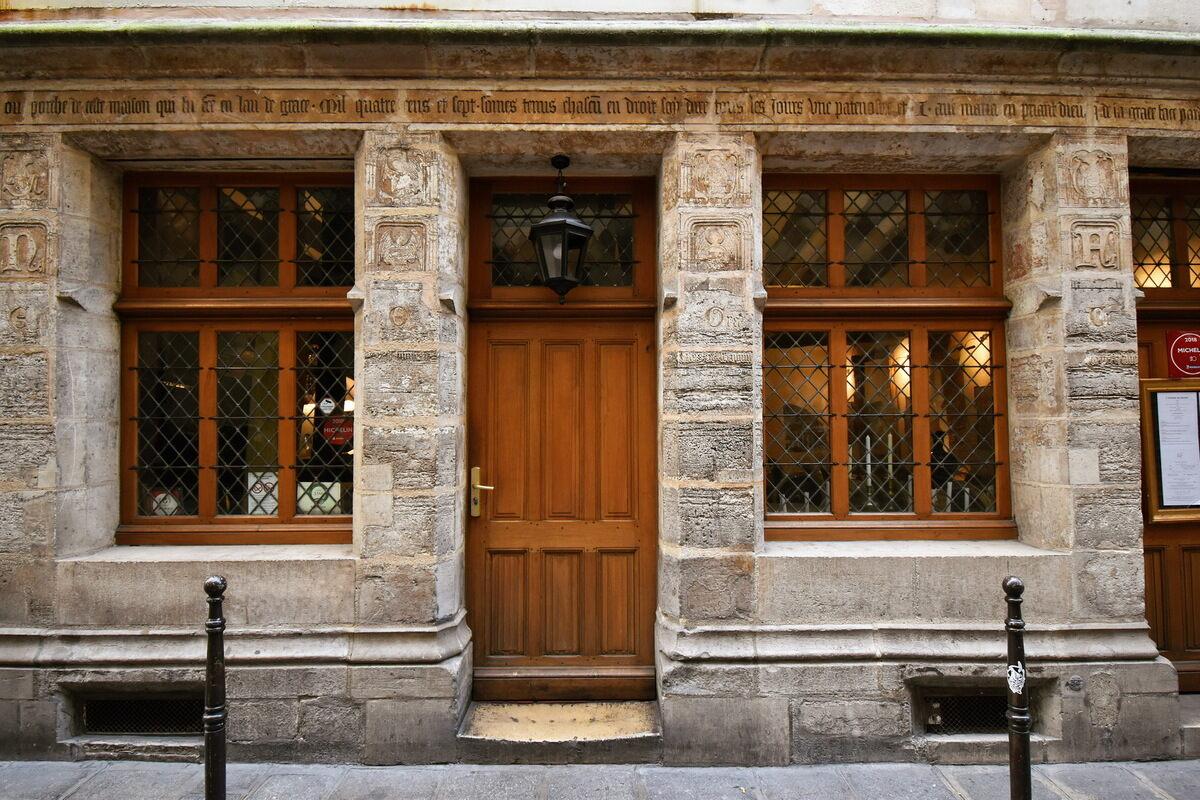
Nicolas Flamel's House in Rue de, Montmorency in Paris. Source: Wikipedia

The House Nicolas Flamel Built for the Living and the Dead in 1407

23/10/2026

Built in Paris in 1407, the surviving house of the Parisian Bourgeois, Nicolas Flamel, offers an unusual glimpse into medieval housing, charitable foundations and the religious obligations of working people. Read more
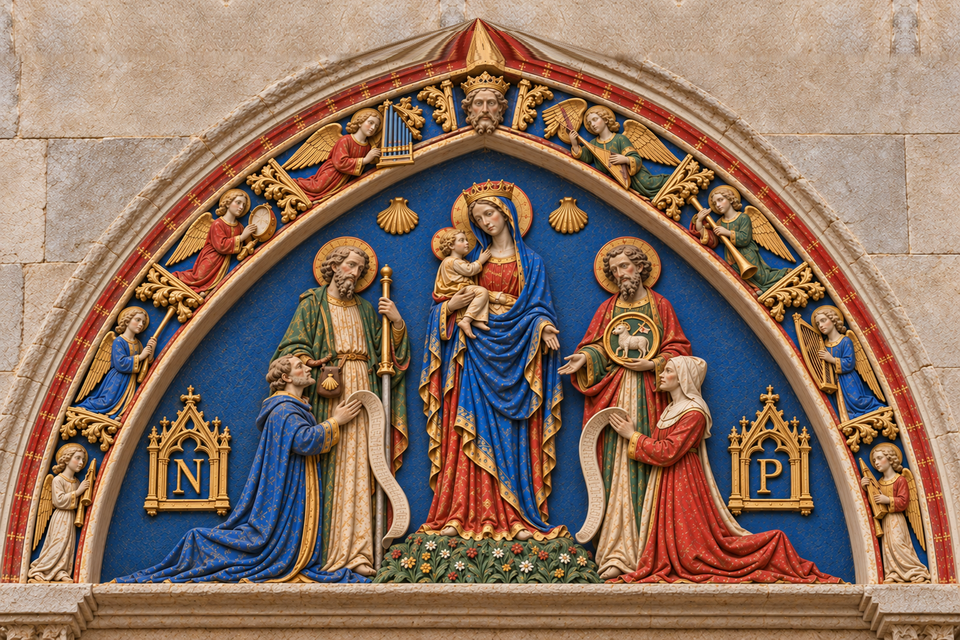
Reconstructed Tymonum above the portal with the entrance into Saint-Jacques-de-laBoucherie. AI Reconstruction based on a drawing from Villiar. © schousboe CCBYSA40

The Devotional Landscape of Nicolas Flamel and Pernelle in Medieval Paris

22/10/2026

A house with two street entrances, writing stalls against a church wall and a sculpted portal reveal how the Parisian couple, Nicolas Flamel and Pernelle, connected domestic life, work and religious patronage in the 14th century Read more
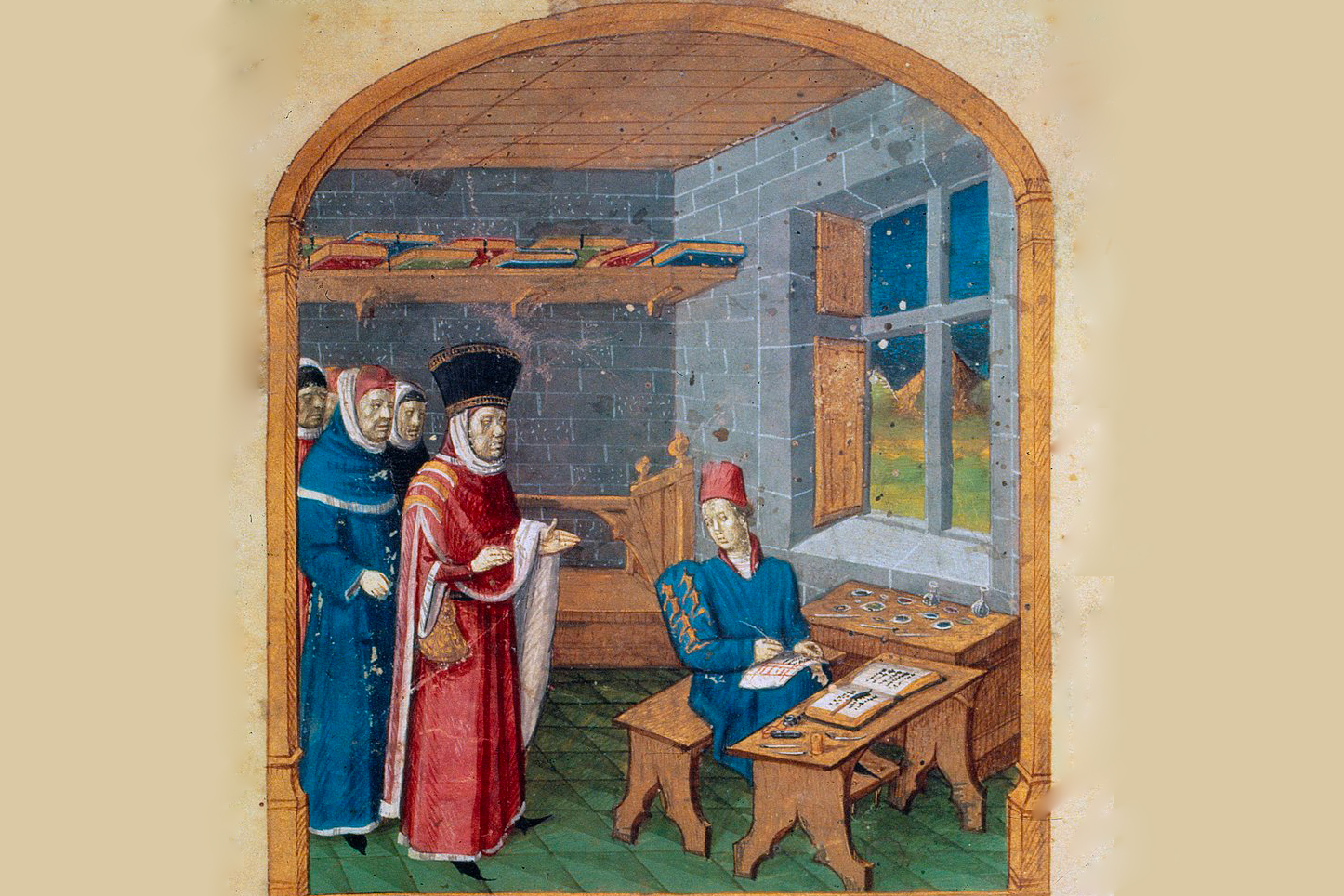
This 15th-century illumination from the Mare Historiarum (MS Latin 4915, folio 1) at the Bibliothèque nationale de France depicts the chancellor Guillaume Jouvenel des Ursins visiting a scribe and illuminator in his workshop. Painted between 1447 and 1455 by the Master of Jouvenel, it offers a rare window into medieval book production. Source; © BnF/Wikipedia

Reading Medieval Paris: Fifteen Books on the City

21/10/2026

Medieval Paris was not simply a royal capital, a university town or a city of magnificent churches. It was also a crowded and constantly changing urban landscape Read more
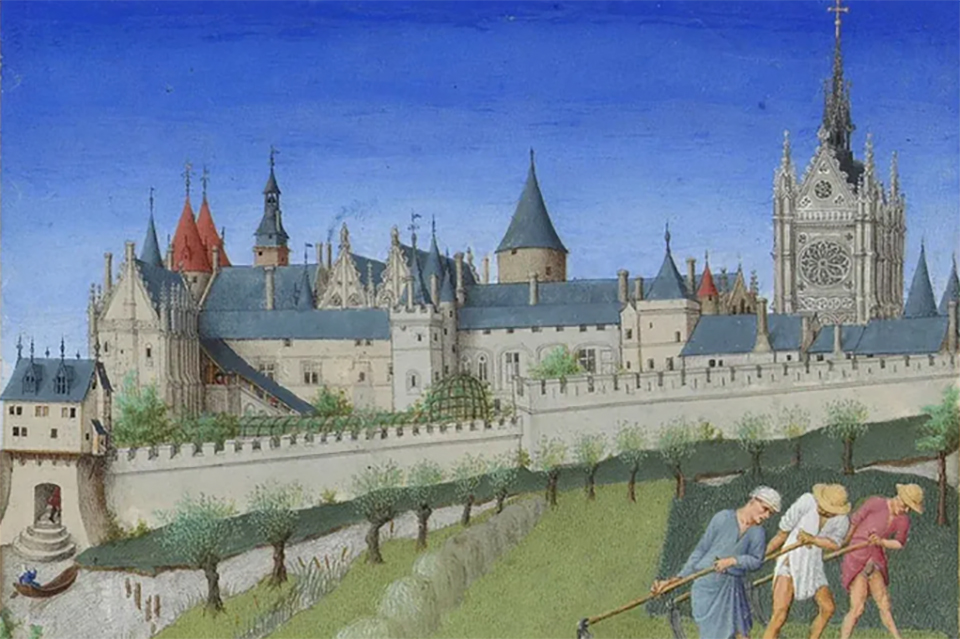
Stepping into the Heart of Medieval Paris

21/10/2026

A Journey Through Time on Île de la Cité invites you to step into the heart of Medieval Paris Read more
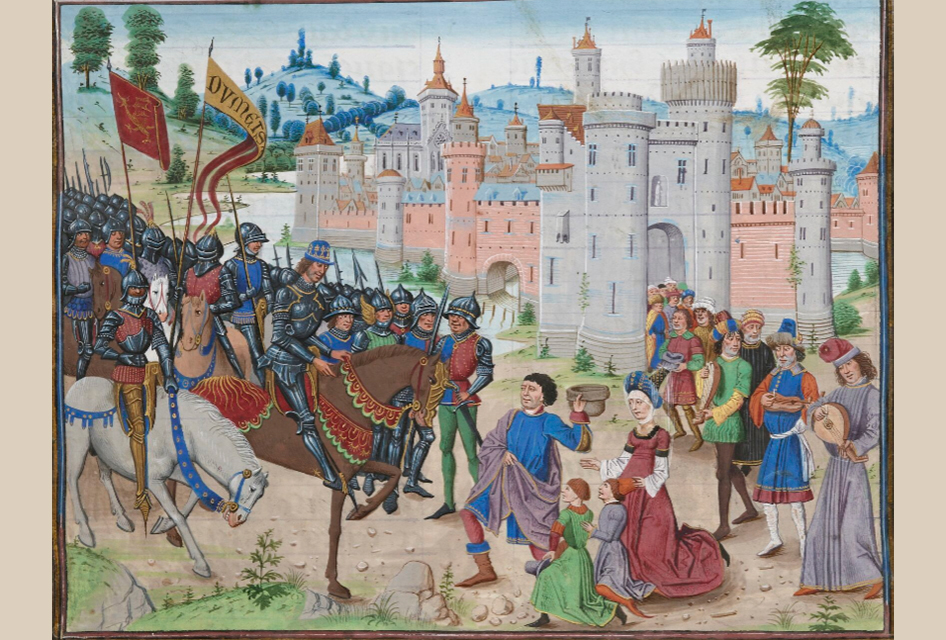
Musiciens. From Faits Grand Alexandre. BnF MSF22547

Music in the Time of Nicolas Flamel

19/10/2026

What did Paris sound like in the lifetime of Nicolas Flamel (c. 1330–1418)? As part of its exhibition Nicolas Flamel, alchimiste de papier, the Musée de Cluny invites visitors to explore the musical world of this wealthy Parisian bourgeois Read more
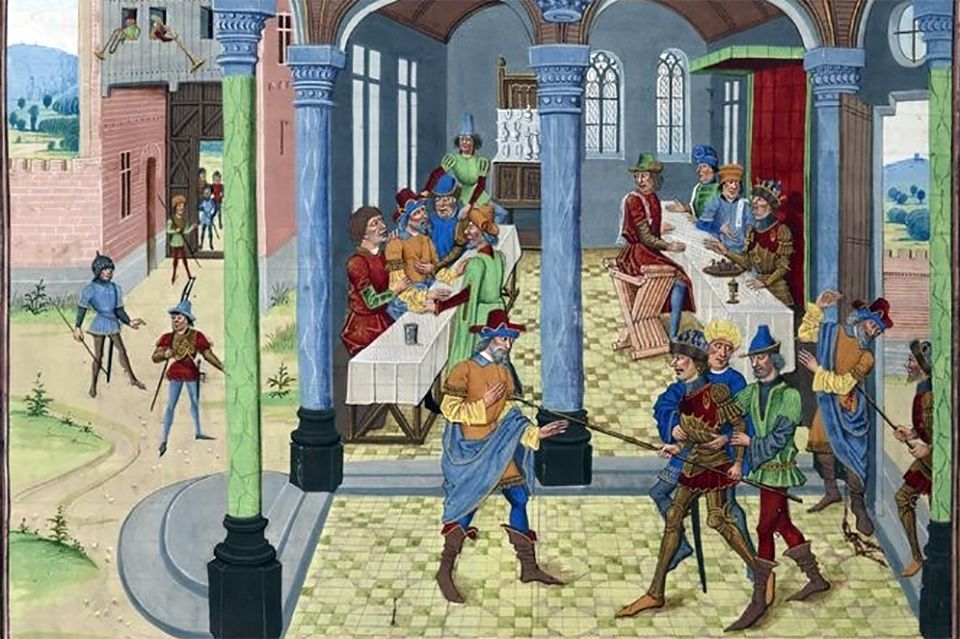
WEB BnF MS F 22547 fol 187r

Inside the Houses of the Canons of Notre-Dame in Fifteenth-Century Paris

18/10/2026

A remarkable collection of post-mortem inventories reveals how the wealthy canons of Notre-Dame lived, worked and entertained in late medieval Paris. Read more
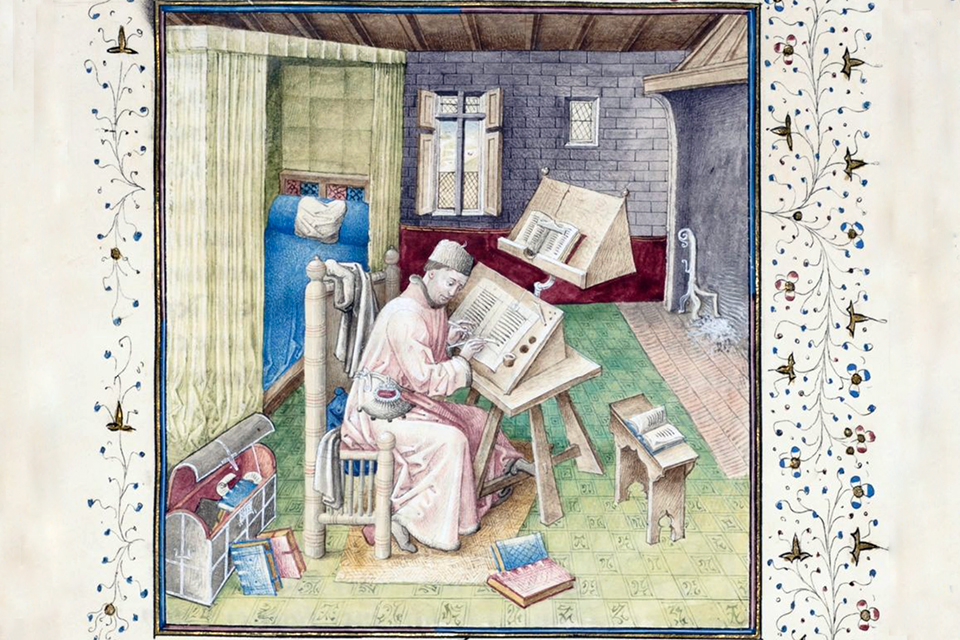
Jean Le Tavernier (illuminator), Jean Miélot in his study (detail), after 1450, Buonaccorso of Pistoia, Brussels, Bibliothèque Royale MS 9278-80, fol. 10r (Bibliothèque royale de Belgique). oruce: Khan Academy

What Was an Escripvain in the Middle Ages? Scribes, Authors and the Business of Writing

18/10/2026

What did it mean to be an escripvain (or escrivain) in medieval France? Was such a person a professional copyist, a clerk, a secretary, a notary or an author? And how did the meaning of the term change as manuscript production developed into an increasingly specialised commercial enterprise during the later Middle Ages? Read more

SUBSCRIBE

Get Medieval.news every week
The weekly essay and news about exhibitions, research and books from the medieval World

We don’t spam! Read our privacy policy for more info.