Tanner’s Day – also known as St. Andrew’s Day – falls on the 30. November. It used to be a holiday celebrated by the lace makers in Bedfordshire. The tradition might go back to Catherine of Aragon.

Tanner’s Day – also known as St. Andrew’s Day – falls on the 30. November. It used to be a holiday celebrated by the lace makers in Bedfordshire. The tradition might go back to Catherine of Aragon.
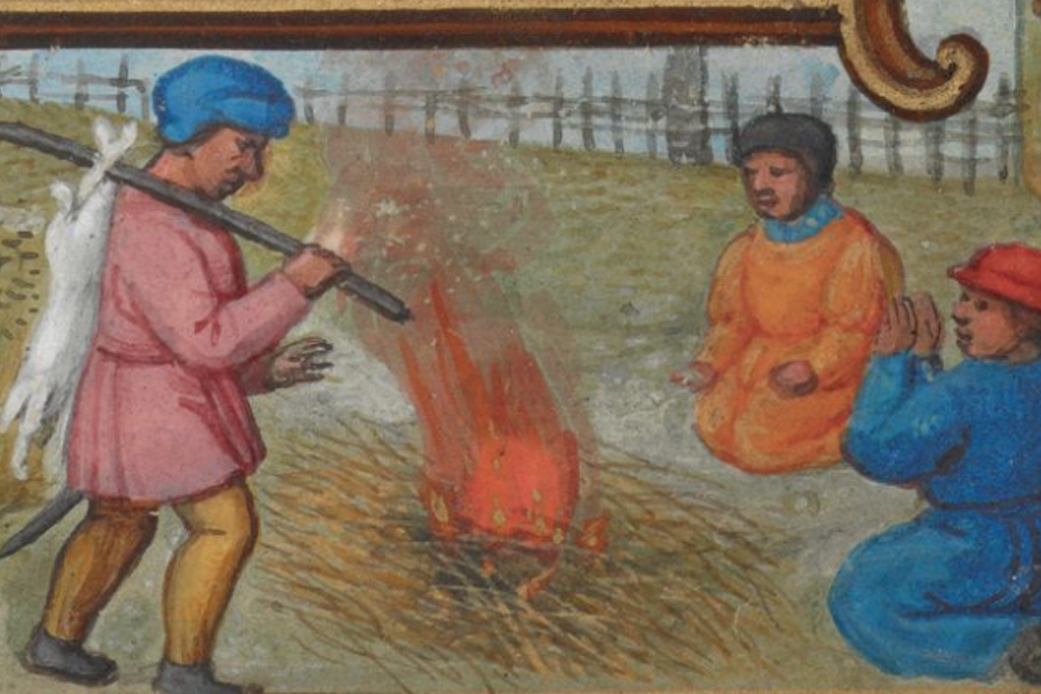
Tandry Whigs are soft buns served on St. Andrew's Day on the 30th of November. The modern version has medieval roots. Here is a recipe.

Myths made by medieval monks may have fooled archaeologists searching for King Arthur's grave
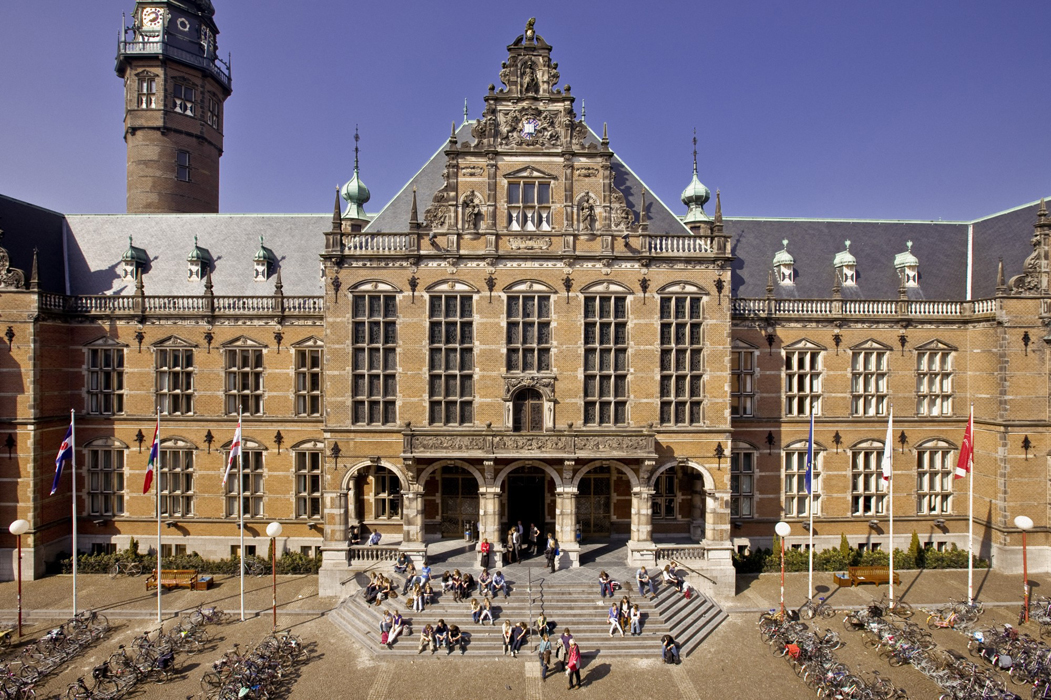
The Research School for Medieval Studies aims to enhance the quality of scholarly training and research within the field of Medieval Studies in the Netherlands and Flanders.

The Utrecht Centre for Medieval Studies coordinates the manifold research initiatives developed by the medievalists working at Utrecht University.
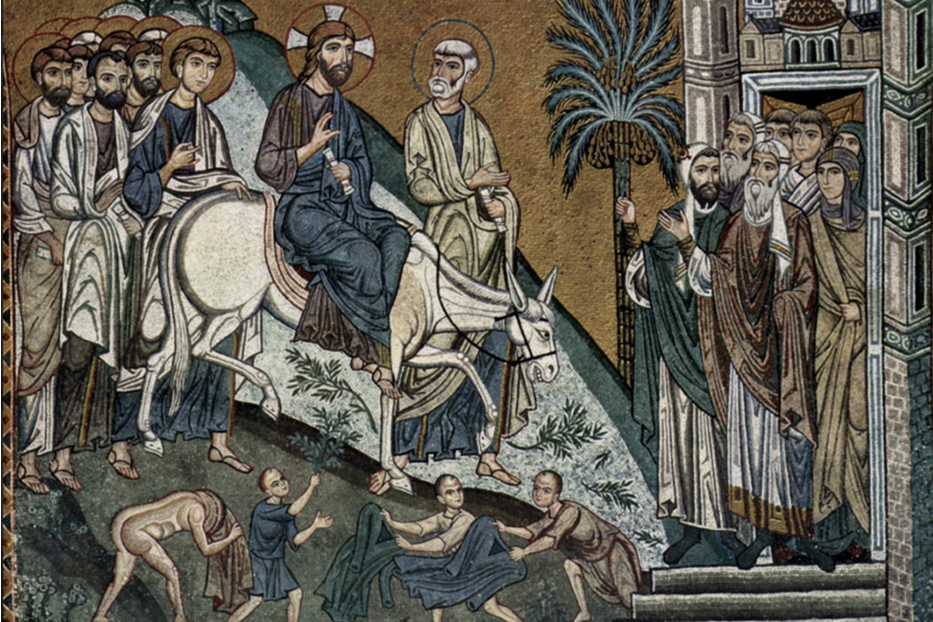
Originally Advent was a period of Parousia with Christmas signalling the Second Coming of Christ. Later it became a period set aside for peace when warring and feuding was strictly prohibited. Signalled by the Triumphant Coming of Christ and his earthly representative, the King heralded a new worldly peace
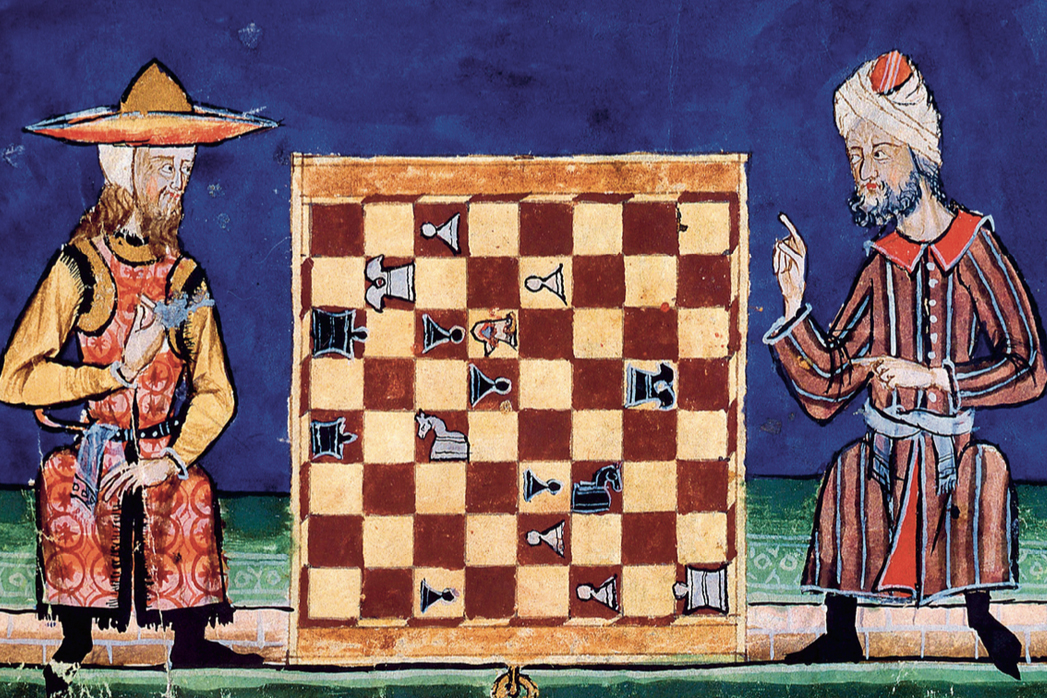
The concept of Convivencia refers to the way in which Christians, Muslims and Jews lived together in Medieval Iberia. But what is the history behind this concept?

Sufism represents the mystical and spiritual tradition of Islam. New handbook outlines the doctrine, history and modern controversies. Must-read for all, who think that Islam is not many-facetted.
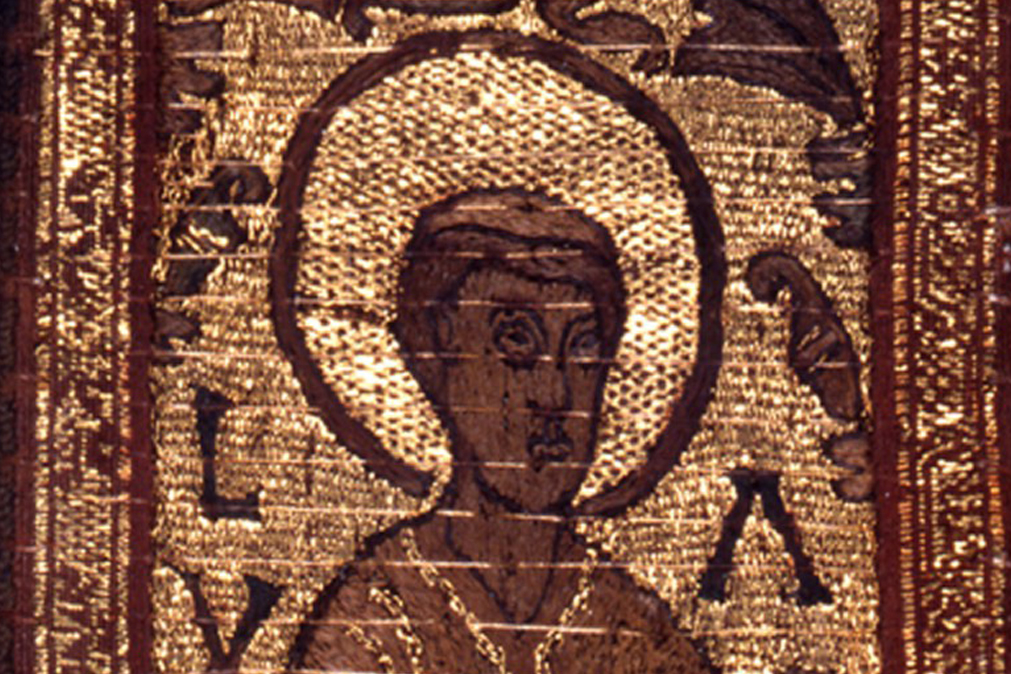
NEW RESEARCH: Donations of art were meant to bring Anglo-Saxon women closer to the sanctum – the altar, the priest or the saint
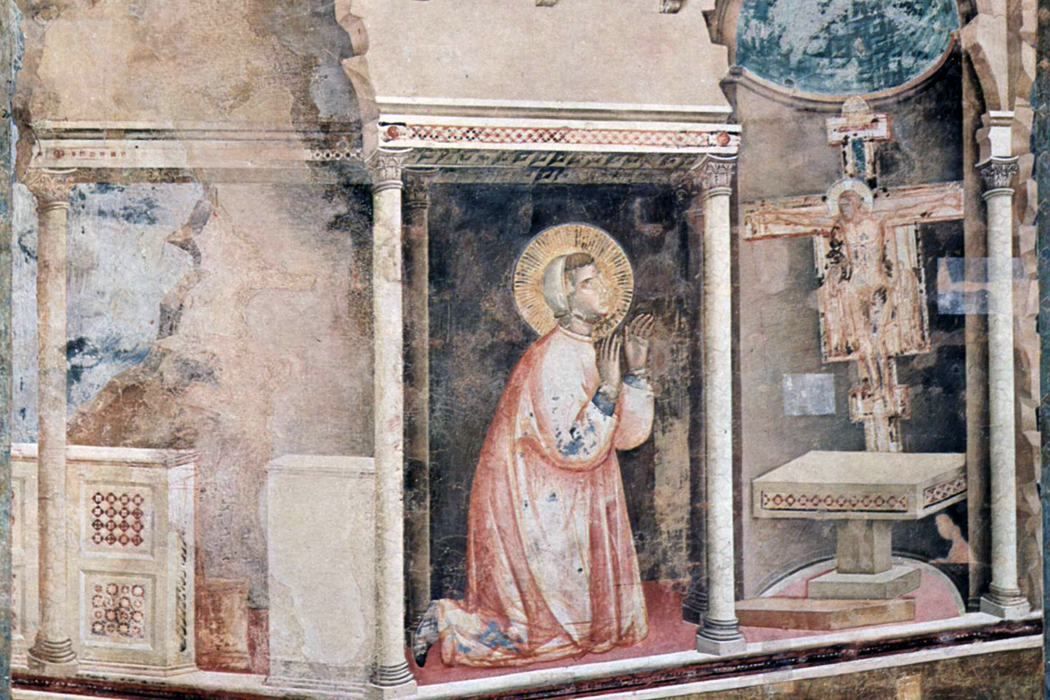
Paintings within paintings are seldom just decorative details. More often than not they function as meta-commentaries or framing of the painting itself (or vice-versa). This book traces the the phenomenon in the paintings of Giotto and the Lorenzetti Brothers

Most of Giotto's art consists of frescoes and cannot be “moved” around. A new website tries to guide the tourist to places in Italy where Giotto's art may be enjoyed.
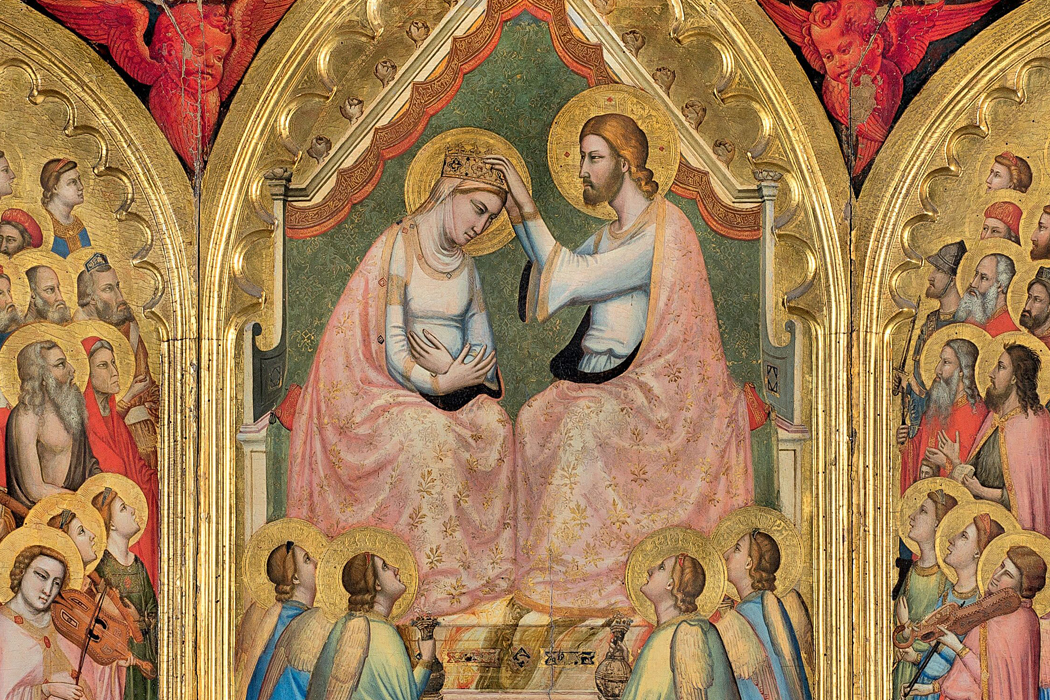
Giotto is without doubt one of the great masters in European Art. This autumn a major exhibition - Giotto L’Italia - of fourteen masterpeices may be seen in Milan.
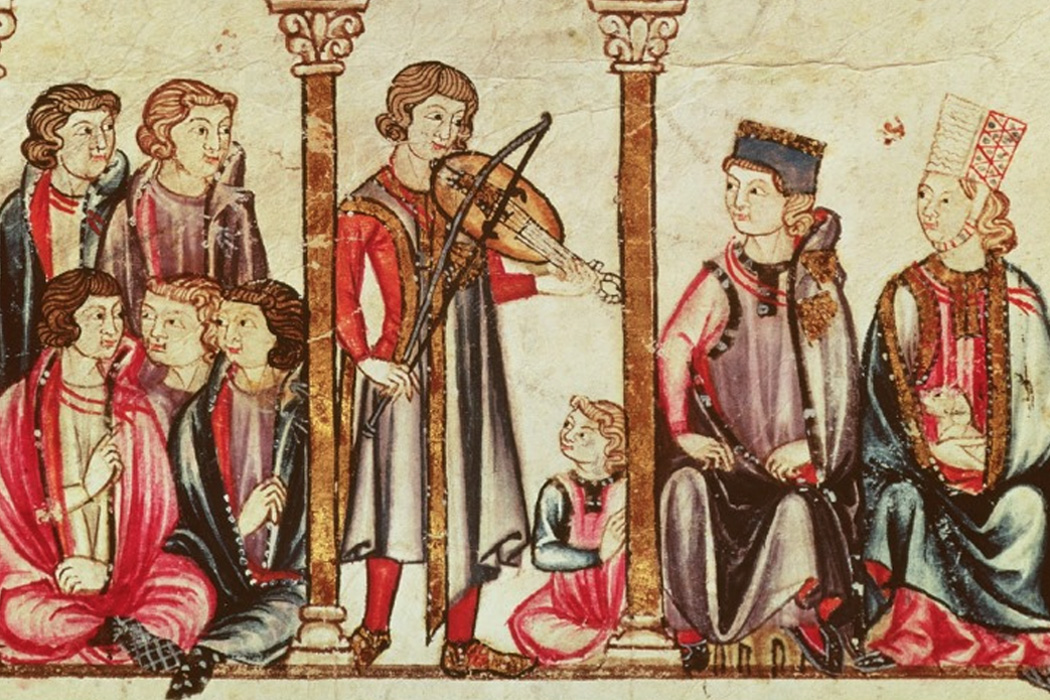
Special issue in honour of the medievalist Stephen Parkinson
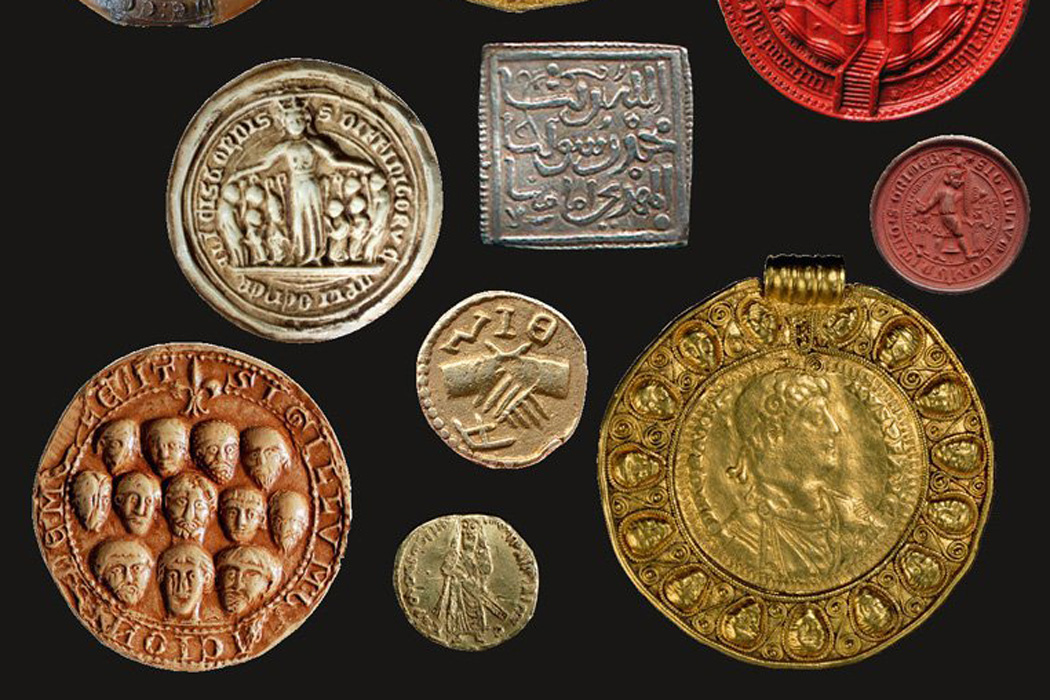
Medieval Coins and Seals: Constructing Identity, Signifying Power
Ed. by Susan Solway
Brepols Publishers, 2015
pISBN: 978-2-503-54344-4
eISBN: 978-2-503-54417-5
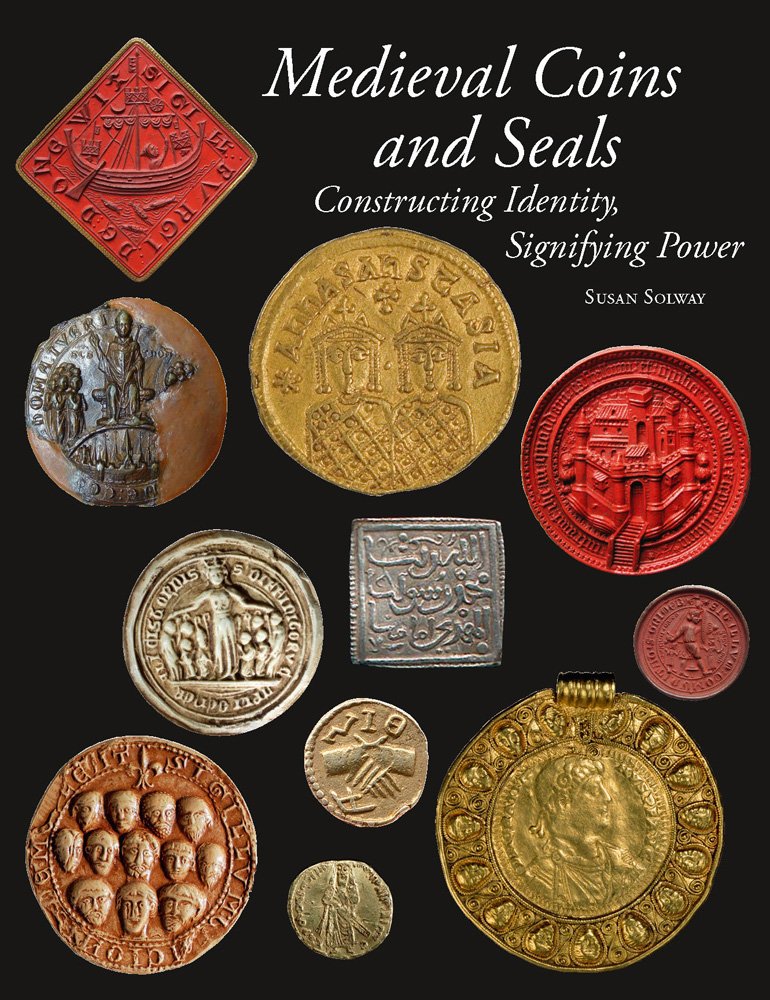 Medieval Coins and Seals: Constructing Identity, Signifying Power showcases these objects as intrinsic and highly significant aspects of medieval visual culture, and contributes to an understanding of the many ways in which they functioned as conveyors of meaning in Western European, Islamic, and Byzantine cultures from the fifth to the fifteenth century. The essays presented here, by art historians, numismatists, sigillographers, and historians on a wide variety of coins and seals, afford fresh insight into these tantalizing relics of medieval art and the vibrant cultural roles they played at the time of their creation. Through their images and inscriptions, they conveyed complex cultural attitudes by means of sophisticated visual strategies carefully constructed to further the subjective agendas of rulers and − in the case of seals − of aristocrats, ordinary individuals, towns, corporations, and government officials. The messages conveyed by these tightly controlled objects were, above all, ones of authority, identity, and legitimacy, with goals or subtexts that included the politics of self- presentation; the construction of personal, civic, national and cultural identity; the advertisement of dynastic succession; and much more. As forceful modes of visual discourse designed to carry calculated, at times propagandistic, communications to broadly dispersed audiences, coins and seals actively served during these centuries as sociocultural agents that helped mold public opinion (as they had in antiquity), and thereby shaped the medieval world.
Introduction
BY Susan Solway
Part One: Crossroads in Medieval Studies: Sigillography, Numismatics, and Art History
Medieval Identity: A Sign and a Concept
By Brigitte Miriam Bedos-Rezak
Coins, Images, Identity, and Interpretations: Two Research Cases – a Seventh-Century Merovingian Tremissis and a Fifteenth-Century Ducat of Milan
By Lucia Travaini
Part Two: Striking Identity, Minting Politics in Medieval Europe and the Middle East
Strategies of Representation: Minting the Vandal Regnum
by Guido M. Berndt
Coins as Agents of Cultural Definition in Islam
By David J. Wasserstein
A Byzantine Pedigree: The Design of Coins and Seals in the Latin East
By Lisa Mahoney
Classical Revival in Twelfth-Century Jazira: Religion – Humanism on Contemporary Coins
By Wayne G. Sayles
Reflections of Coinage: The Imago Clipeus on the West Façade of Le Mans
By Susan Leibacher Ward
Part Three: Medieval Women: Coining Identity, Sealing Power
Displaying Identity and Power? The Coins of Byzantine Empresses from 804 to 1204
By Liz James
Money, Power, and Women: An Inquiry into Early Anglo-Saxon Coinage
By Anna Gannon
Swords, Seals, and Coins: Female Rulers and the Instruments of Authority in Thirteenth-Century Flanders and Hainaut
By Erin L. Jordan
Bede’s Ladies: Images of Anglo-Saxon Holy Women on Thirteenth-Century Seals
By Kay Slocum
Seals, Gender, Identity, and Social Status in the Late Twelfth and Early Thirteenth Centuries in Wales
By Susan M. Johns
Part Four: Sealing Civic, Urban, Rural, and Corporate Identity in Western Medieval Europe
Seals of Cities and Towns: Concepts of Choice?, p. 283
By John Cherry
The Common Seal and Communal Identity in Medieval London
By Elizabeth A. New
The Formation of a Sealing Society: London in the Twelfth Century
By John McEwan
Art for New Corporations: Seal Imagery of French Urban Communities in the Thirteenth Century
By Markus Späth
Seals and the Peasant Economy in England and Marcher Wales, c. 1300
By Phillipp R. Schofield
Part Five: Miniature yet Mighty: Coins, Seals, Medieval Art, and Material Culture
Medieval Seals: Image and Truth
By James Robinson
The Mystic Lamb of Ghent: Aldermen’s Seal, Altarpiece, and Tableau Vivant
By Jesse D. Hurlbut
Vestiary Identity in Twelfth-Century Seals
By Janet E. Snyder
Ancient Coins and Their Afterlife: Numismatic Passages into Medieval Art and Material Culture
Susan Solway
Muslim Coins of the Crusader Period in a Renaissance Collection: Premature Medievalism or Mistaken Identity?
By John Cunnally
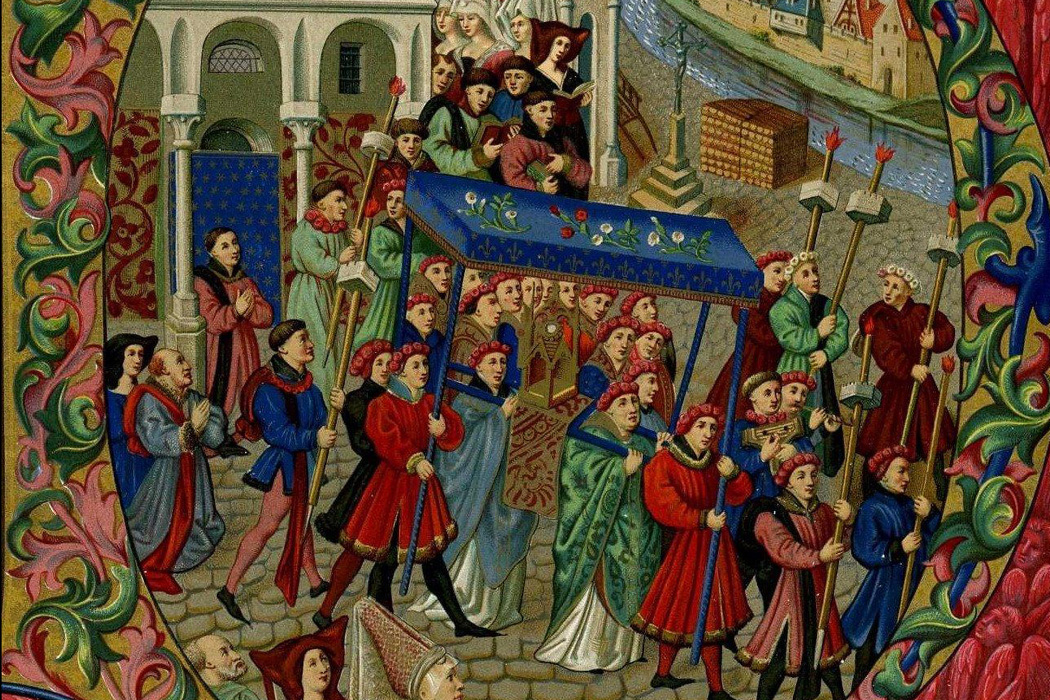
This important book about the life of burghers in Paris in the Middle Ages is written in the best tradition of the Annales – School.
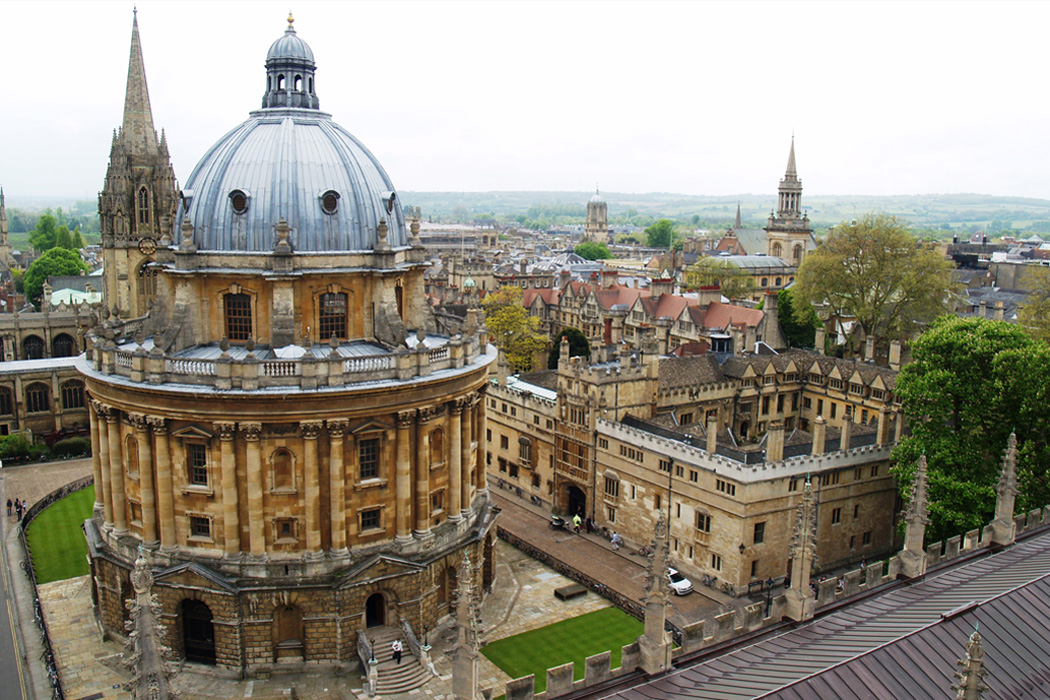
A brand new guide to Medieval Sources published by the Bodleian History Department.