Medieval Jewelry and Burial Assemblages in Croatia have been studied to provide relative and absolute chronologies

Medieval Jewelry and Burial Assemblages in Croatia have been studied to provide relative and absolute chronologies
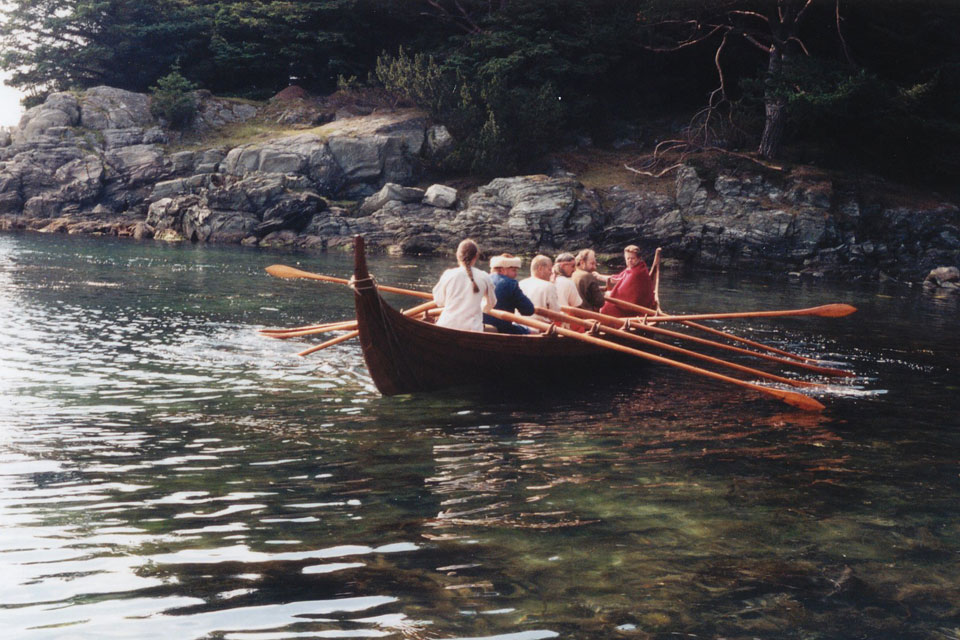
We all know what a Viking is: a heathen, gruesome and wild Scandinavian, who sailed, raided and traded throughout Europe from c. 799 – 1066.
THESE TERMS AND CONDITIONS OF SALE GOVERN YOUR PURCHASES OF Subscriptions from Medieval Histories Inc. on https://www.medieval.eu
EVERY TIME YOU MAKE A PURCHASE ON OUR SITE, YOU ACKNOWLEDGE AND ACCEPT THESE TERMS AND CONDITIONS OF SALE.
Every order you place through https://www.medieval.eu will be deemed your offer to purchase. We may accept your offer either through an e-mail confirmation or through delivery of the items you requested. Our acceptance of each offer as specified is expressly subject to and conditioned on your acceptance of these (and only these) Terms and Conditions of Sale.
Purchases of Subscriptions (as defined below) are purchases of a limited, non-transferable, revocable license. The license may be terminated immediately if your account is terminated for any reason, in Medieval Histories’ sole and absolute discretion, or if Medieval Histories discontinues providing the services on the Site.
Subscriptions have no monetary value, are non-refundable and cannot be used to purchase or use products or services other than gaining access to the page wherefrom it is possible to download pdf’s or other electronic files.
Subscriptions are deemed consumed upon purchase and end upon any termination of your account.
All prices shown on this site are subject to change without notice. The prices stated at the beginning of delivery apply.
We will collect sales tax in any states we are obligated to do so by law and any applicable sales tax will be added to your purchase.
All Medieval Histories Subscriptions are non-refundable, except, in our sole and absolute discretion or as required by applicable law. Virtual products purchased will be available for use as soon as reasonably practicable.
You can review Medieval Histories Privacy Policy here.
Access to pdf’s or other electronic files takes the form of a membership subscription
You agree that by completing the subscription service registration at the site, you authorize Medieval Histories Inc to charge applicable recurring Subscription fees to your designated billing payment method.
Purchasers of ongoing Subscriptions are billed on a yearly basis, which begins upon membership subscription service registration and ends thirty (365) days thereafter (each a “Subscription Year”). The fee for each Subscription is charged on the 1st day of the Subscription. Renewals are charged one month prior to next year’s subscription begins.
You represent and warrant to Medieval Histories that you are authorized to use the billing payment method (including, without limitation, all accounts, credit cards and such associated therewith) for the purposes of purchasing Subscriptions as described herein.
You can cancel your ongoing subscription in the following way by sending an email at any time until one month is left of the subscription covering the prior year.
It is important to us that you feel secure and safe when you shop at Medieval Histories Inc. Please see our Privacy Policy to understand how we protect your personal information. As part of the shopping process, you may give your credit card information to our Merchant Account at payment processing vendor. We note that payment processing vendor takes the responsibility of protecting that information very seriously.
All Medieval Histories Subscriptions, are non-refundable, and non-returnable except in our sole and absolute discretion.
We reserve the right to cancel any excess portion of an order. We shall not be held in default if delivery is delayed, hindered, or rendered impossible by forces of nature, civil commotion, governmental acts, terrorism, war, storm, fire, flood, explosion, walkouts, strikes, other industrial problems, utility, services, network or transportation or interruptions, server crashes, hackers, viruses, technical issues or any other cause beyond our reasonable control. We reserve the right to revise or modify products, product information or pricing without prior notice. We are not responsible for typographical or printing errors.
These Terms and Conditions of Sale will be interpreted and governed pursuant to the laws of Denmark; and only to those laws.
YOU IRREVOCABLY WAIVE ALL RIGHTS TO BRING OR PARTICIPATE IN ANY CLASS ACTION SUITS OR CLAIMS REGARDING THE MATTERS RELATED HERETO AND CONSENT TO THE MANDATORY ARBITRATION PROVISIONS IN THE Terms of Use.
If any part of these Terms and Conditions of Sale is void, unlawful or unenforceable, that part will be deemed severable and will not affect the validity and enforceability of any remaining provisions. These Terms and Conditions of Sale constitute the entire agreement among the parties relating to this subject matter.
Last updated: Jan. 2, 2016
Medieval Histories Inc.
Paradisstien 5
DK 2840 Holte
Registration number: DK 29 93 42 15
Contact:
Karen Schousboe (Editor-in-Chief and owner of company)
Email: info@medievalhistories.com
Phone: 0045 24 23 36 10

The Royal Studies Network connects scholars who are working on monarchal topics in any geographical or temporal context. Conference in 2016 announced
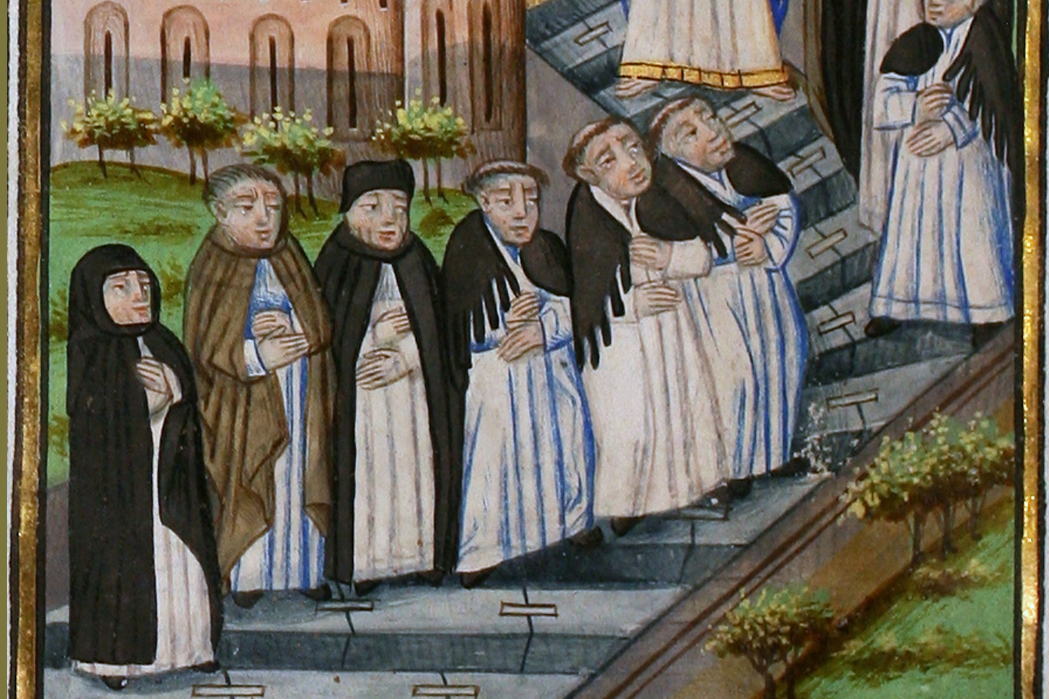
The 91st Annual Meeting of the Medieval Academy of America will take place on February 25-27 2016 in Boston
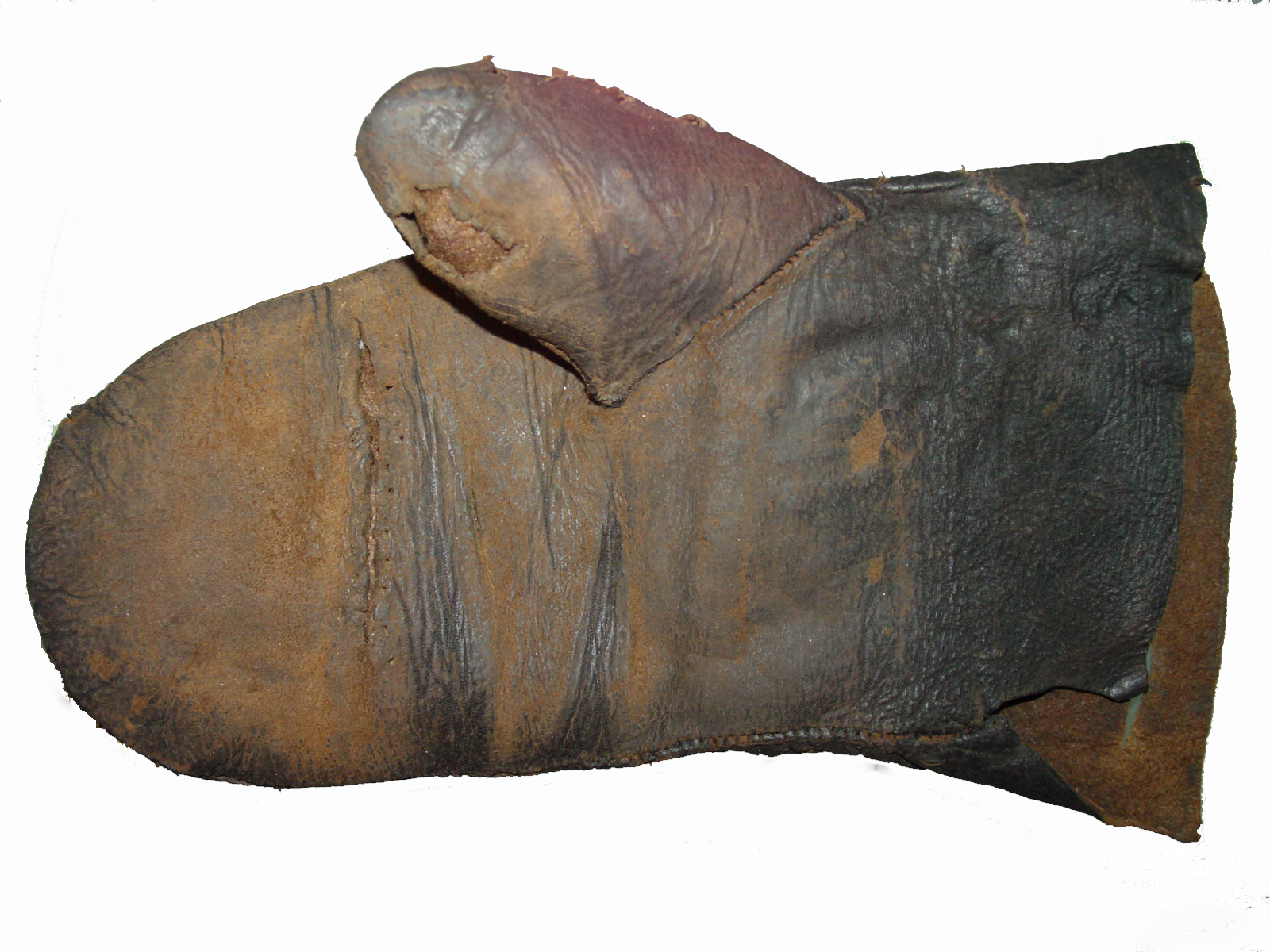
Mittens, gloves and gauntlets represent a number of different types of protective gear for the hands. Their history has recently been told in a new Dutch book.

Dreaming of waking along the ramparts of a massive castle from the 11th century with a view of Donau? Now the time has come
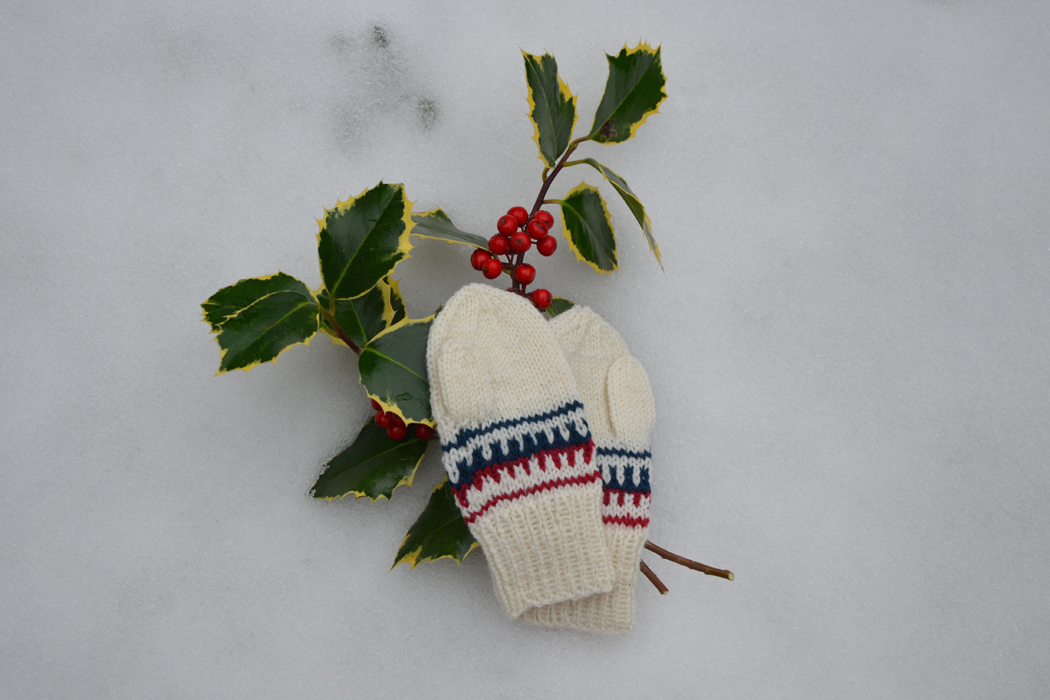
Estonia is known for its very old tradition for using knitted mittens for prestigious gifts. The oldest fragment is from the 13 th century.
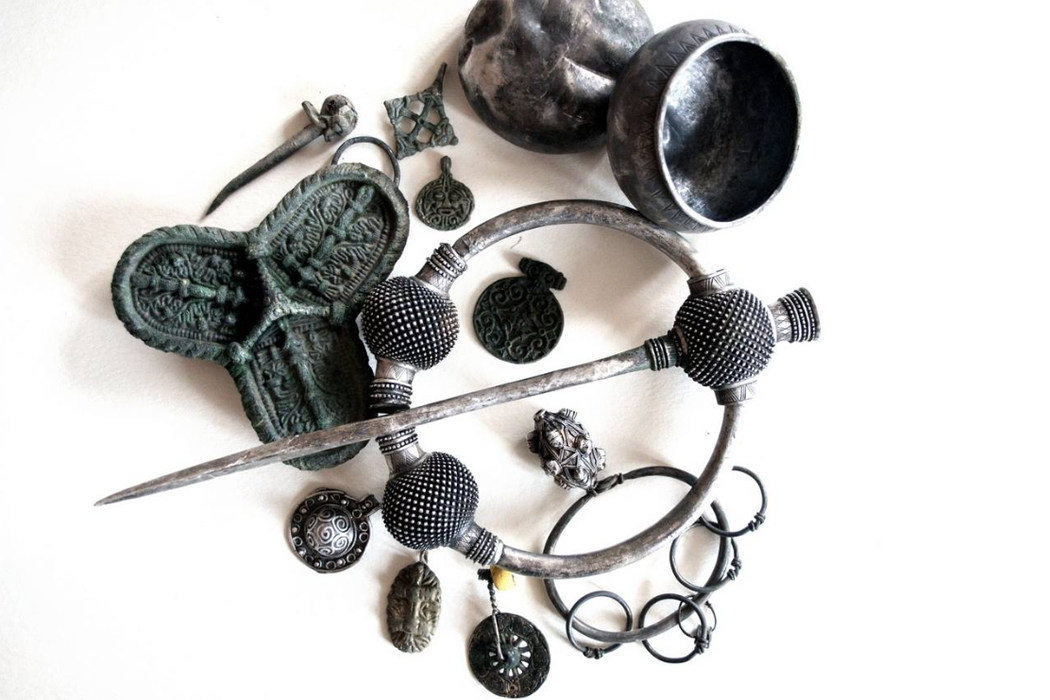
The viking hoard from Ll. Karleby found in 2015 about 10 km from the royal centre in Lejre sheds important light on the life in the 10th century
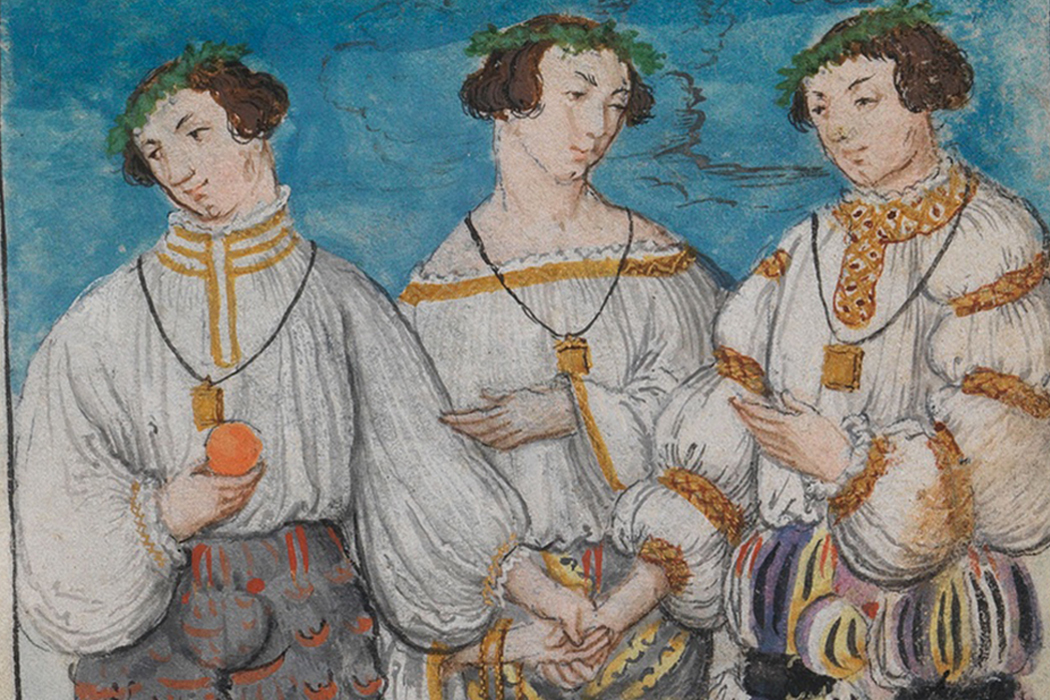
The First Book of Fashion is a unique fashion-journal written and illustrated by a German Clerk from Renaissance Augsburg

In Nürnberg they have an amazing collection of costumes, which is usually hidden away. Now for the first time in decades they are put on show.

This year, the Oxford Symposium on Food & Cookery focuses on offal - loved by gourmets and hated by gourmands

Facts or fairy tale? Each year we tell the wondrous story about the brilliant star and the magi bringing gifts to Baby Jesus. New book about the Star of Bethlehem explores the ancient context of the story and its role in the formation of Late Antiquity.

REVIEW: New excellent book tells the story of the mythological royal centre in Gl. Lejre c. 500 -1000 from an archaeological and historical point of perspective.
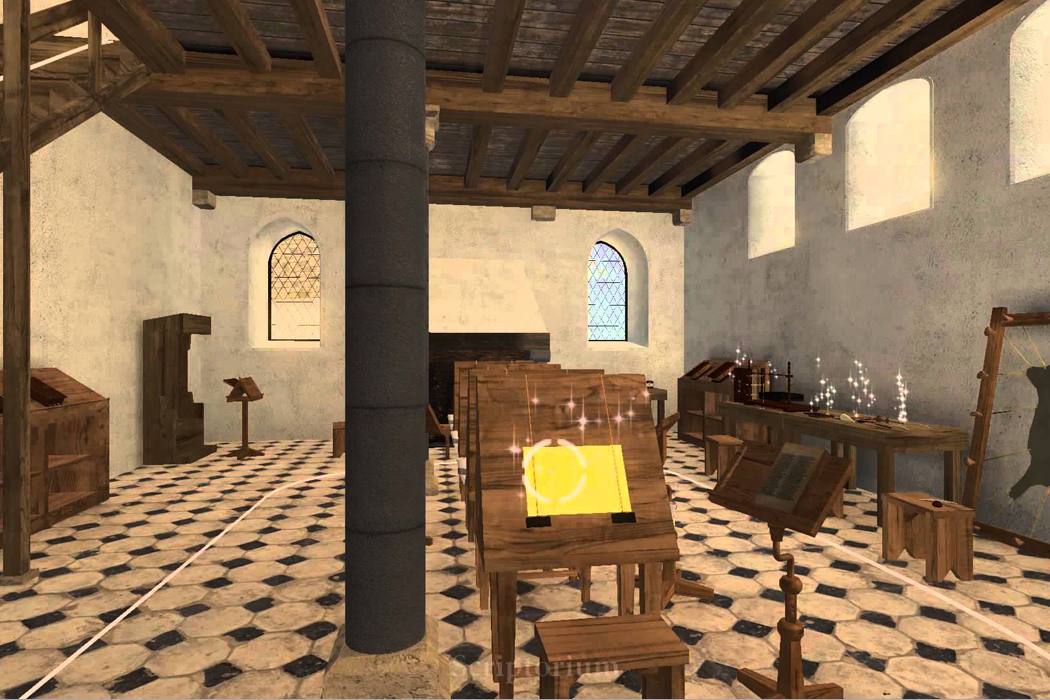
The usage of virtual worlds for simulating history has been little discussed although projects in design schools have repeatedly used "the medieval world" to teaching the technicalities.
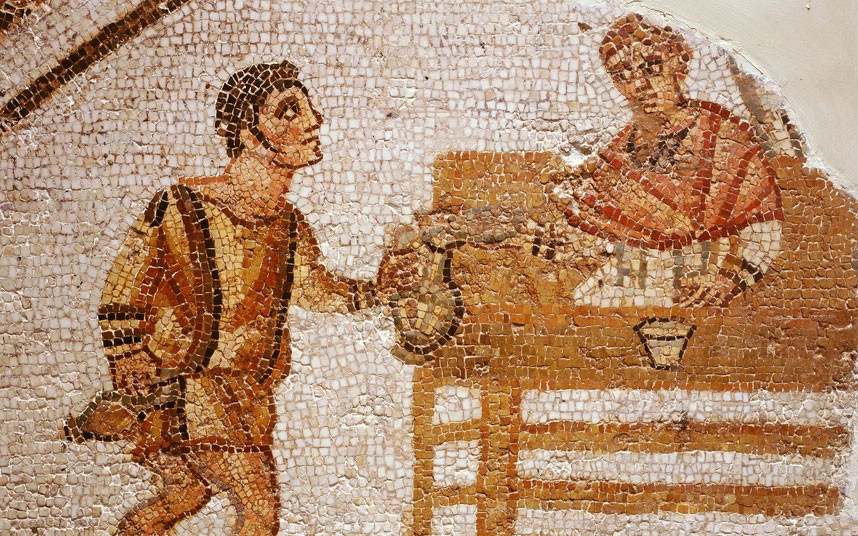 In Antiquity mulled wine was known as “conditum paradoxum”. According to Apicius, a Roman gourmet from the 1st century AD, it was prepared by first mixing wine and honey in order to boil, skim and reduce it ever so slowly. To this mixture should be added ground pepper, some mastic from your wine-stock, a bay leaf, safran, roasted date stones and the flesh of the dates softened in wine and squashed to a smooth pure. Finally it should all be mixed with wine and served cool and strained. Apicius lists the measures, but frankly the measure between honey and wine seems improbable. Another Greek recipe seems more reasonable. In the classical cookbook [1] the following tried and tested recipe is given:
Mix the honey with the same amount of wine (1 ½ dl) and bring to boil. Skim and repeat. Add the spices to the mixture while hot and let it steep until cold. Add the rest of the wine and allow to stand overnight. To serve, strain through a fine sieve or muslin and serve cold. The best way to explain the taste is to think ‘Martini’ (shaken, not stirred).
Curiously enough Apicius and his De coquinara has always been associated with Roman Antiquity. The fact remains however that the earliest manuscripts date from the 8th and 9th centuries. One of these manuscripts was written at the monastery of Fulda and the other at Tours, while the origin of the third is unknown. In a recent PhD Wanessa Asfora has explored the possibility that this collection of recipes was in fact copied in the early Middle Ages for dietetic reasons and that it should rather be considered a medieval collection of recipes. A key to decipher this text as medicinal is the widespread use of the verb tempero and its cognates fundo and condio, all designating mixing. According to Asfora the verbs designate the practice of blend, temper and flavour in order to create a ‘balance’. This is obviously important in the concoction of the 200 or more sauces and condiments, but also – as here – for the forerunner of what we later knows of as a hypocras or mulled wine. The origin of the name comes from the invention of a cloth sieve by the 5th century BC Greek physician Hippocrates.
It is nice to imagine a gout-ridden Charlemagne drinking hot mulled wine when spending christmas in Aachen in the beginning of the 9th century.
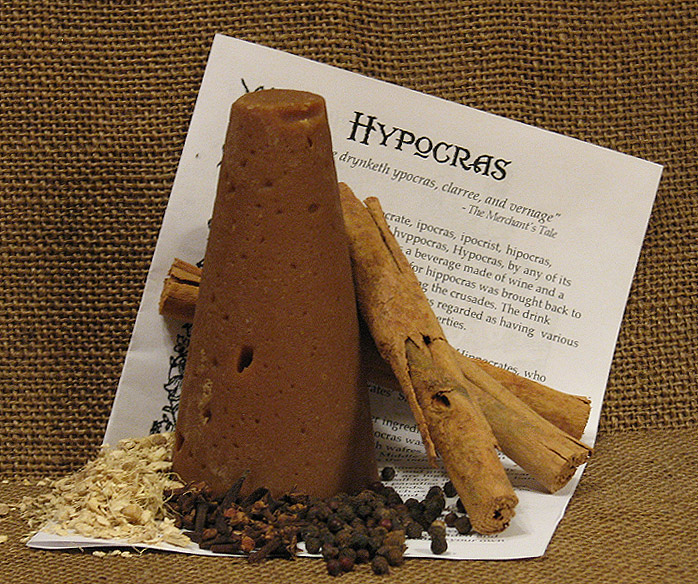 In the later middle ages the hippocras, hypocras (ipocras) or mulled wine became an important part of the last course, the desserte. This consisted of cheese, candied fruits and light cakes, which were often served together with a sweet wine like malvasia (malmsey) and other such wines, which originally came from South-Eastern Europe. Except, of course, these wines were highly prized and more often than not simply substituted by an artificially sweetened concoction, the hypocras
The first recipe for making hypocras is from the 13th century and can be found in the Tractatus de Modo. At that point the drink was called a piment or pimen. However from the 14th and 15th centuries several recipes are known. Here is a recipe from the Menagiér de Paris from the late 14th century [2] on how to make “hippocras”.
To make hippocras powder pound together (app)
For 1.8 litre of wine the Good Wife was ordered to mix it with 15 – 20 gr of this mixture plus 250 gr of sugar.
But if she was preparing a hippocras as served in Bésiers, Carcasonne or Montpelier she was recommended to pulverize 20 gr cinnamon with 12 gr white ginger and all together 5 gr of clove, grains of Paradise, mace, galingale, nutmeg and spikenard “more of the first and then less and less of the others as you go”. This should be mixed with 500 gr of sugar. Put some of the sugar and some wine to boil and mix it with the spices. Then strain it as many times as is necessary until it comes out clear and red. “Nota that the tastes of sugar and cinnamon should dominate”.
This sound as a rather sweet mixture, but we all know that the further south in Europe you travel the sweeter cakes seem to be.
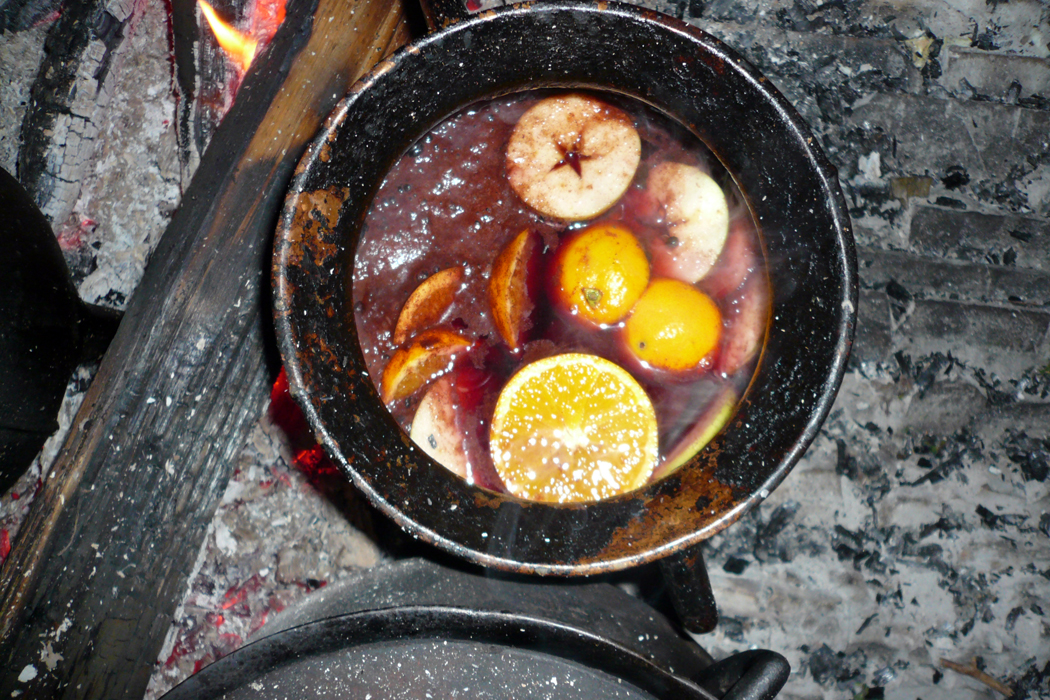 In the later Middle Ages small bags of the spices meant for making hippocras or mulled wine could be bought ready-mixed in the markets. (As they may today in December at all street -corners).
However, from later cook books we know of a plenitude of recipes for different types of hippocras very much like the one, which the “Good Wife” was ordered to serve to her elderly husband. Apparently, any good housekeeper knew how to make her own mixture. Here is one with cardamom added [2]:
Mix it with 2 dl wine and 100 gr of sugar and set it to boil for five minutes. When cold, strain it and mix the rest of the bottle of wine into the strained liquid. Together this mixture is then poured through the cloth with the spices.
Another recipe describes a mixture consisting of
Here the spices are supposed to be mixed with some of the wine and just set aside for a day, when the rest of the wine should be added. This should be left standing for yet another day, after having been strained, the wine should be carefully warmed up with sugar.
The recipes do not say whether they should be served hot or cold. Probably it depended on the weather and the doctor’s order.
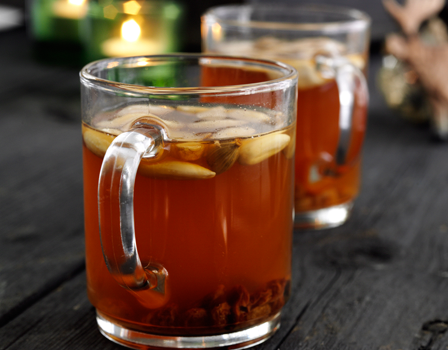 A very nice modern version is to mix and bring to boil
As soon as it boils the mixture should be taken off the stove and set aside for 1 – 1 ½ hour. Strain the mixture and heat it. Can be mixed with a finely chopped apple, chopped almonds and/or chopped dried apricots or plums. Nice for children (non-alcoholic). And Really nice laced with Calvados (apple brandy)…
Tip: If you are preparing a large batch for a party with friends and family, it might make sense to make a spicy syrup by placing the spices in a teabag and cook them with half and half of honey (sugar) and juice (wine). This is what we do…
[1] From: Apicius: history of incorporating a cookbook on Early Middle Ages (the 8th and 9th centuries.)
By Wanessa Asfora.
[2] The Good Wife’s Guide. Le Ménagier de Paris. A Medieval Household Book.
Translated by Gina L. Greco and Christine M. Rose
Cornell University Press 2009
The recipes can be found on pp. 329 -30
[3] The recipes are from: Renæssancemad. Opskrifter og køkkenhistorie fra Christian 4’s tid. Gyldendal 2006, p. 144 – 145.
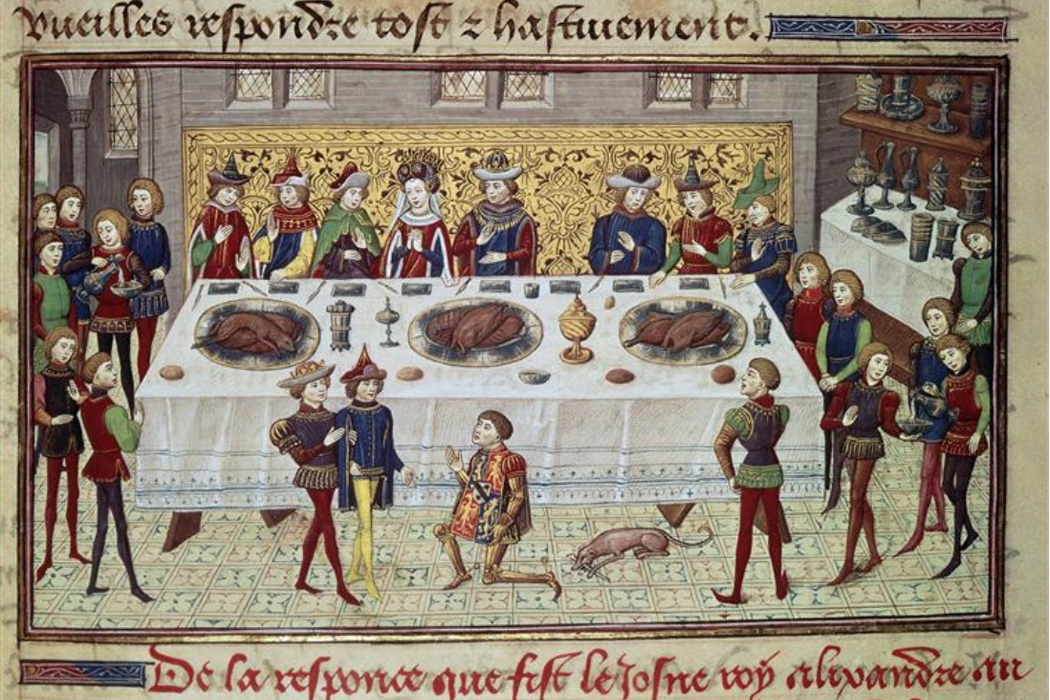
Le Livre des conquêtes et faits d’Alexandre was made for the Duke of Burgundy, Philip the Good (1396-1467) . It is preserved in the Musée du Petit Palais.Source: Pinterest