The French Journal: Études anglaises ( Vol 3/2013 (vol 66) has collected a series of studies touching upon medieval objects

‘Medieval Histories’ offers medievalists all the news about exhibitions, books, research, archaeology, travel-tips and much more from the Medieval World
The French Journal: Études anglaises ( Vol 3/2013 (vol 66) has collected a series of studies touching upon medieval objects
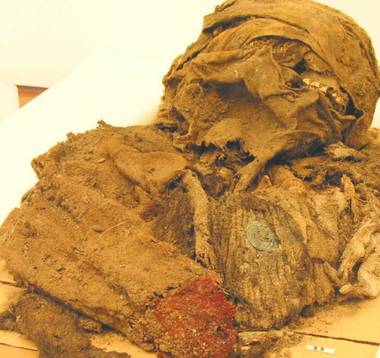
RESEARCH: Beneath the floor of the Stave-Church in Uvdal a burial was found containing medieval tunics and other textiles...
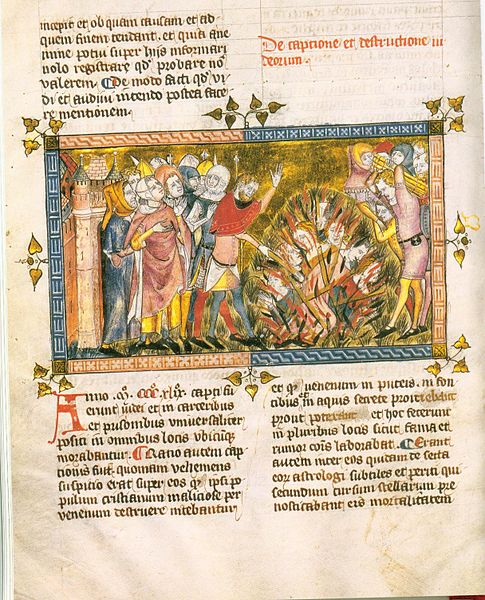
Alongside annals, chronicles were the main genre of historical writing in the Middle Ages. Consequently they have always been of great importance to historians. The extent to which they are also of interest to students of medieval literature or of historical linguistics was only fully realised in the latter part of the 20th century. Since many chronicles are illustrated, they are also a fruitful object of study for art historians.
It was the desire for a forum in which these disciplines could operate together that led to the foundation of the society. The history of the society began with a series of triennial conferences initially in Utrecht, but later moving from place to place. These early conferences were hosted by Erik Kooper (English studies, Utrecht). It was at the second of these conferences, in 1999, that the society was formally founded.
The Medieval Chronicle Society gratefully acknowledges the sponsorship by the Liverpool Centre for Medieval and Renaissance Studies and the University of Liverpool’s School of English.
The medieval Chronicle Society publishes a yearbook – The Medieval Chronicle – with the proceedings of the annual conference. The yearbook is published by Rodopi. So far seven volumes have been published.
The Society has also been heavily engaged in the production of a major reference work – Encyclopedia of the Medieval Chronicle – which was published in 2010 at Brill under the auspices of the general editor, Graeme Dunphy.
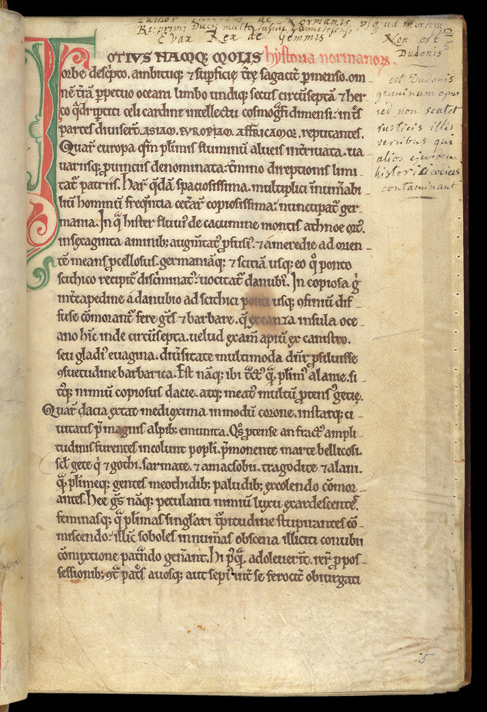
07.07.2014 - 10.07.2014 The Medieval Chronicle - 7th international Conference at the University of Liverpool
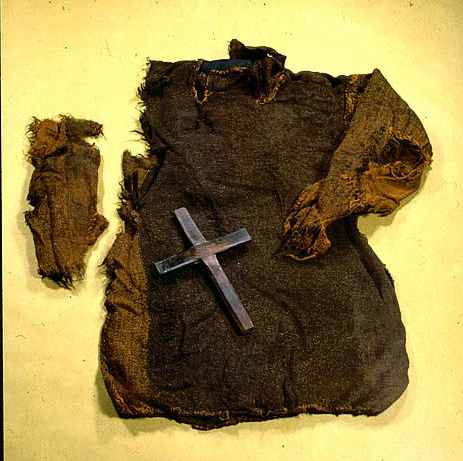
A Christian Cemetery in a Bog from the early Middle Ages has revealed extraordinary Christian "bog Bodies"...
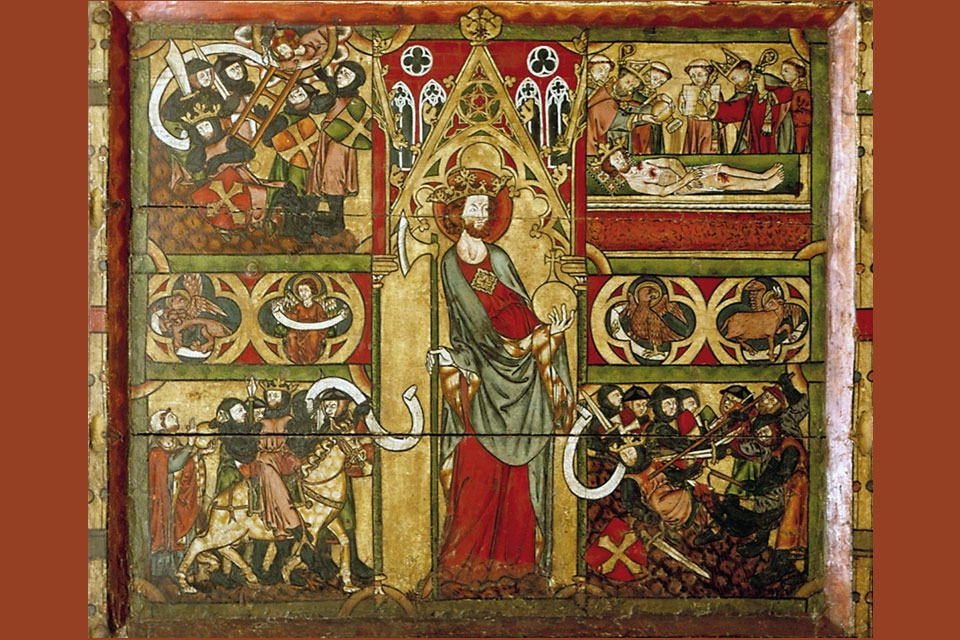
St. Olaf of Norway was a missionary with an "iron tongue". He was central to the process of Christianisation of Norway after 1015, concludes Olav Tveito, who describes it as a top-down affair
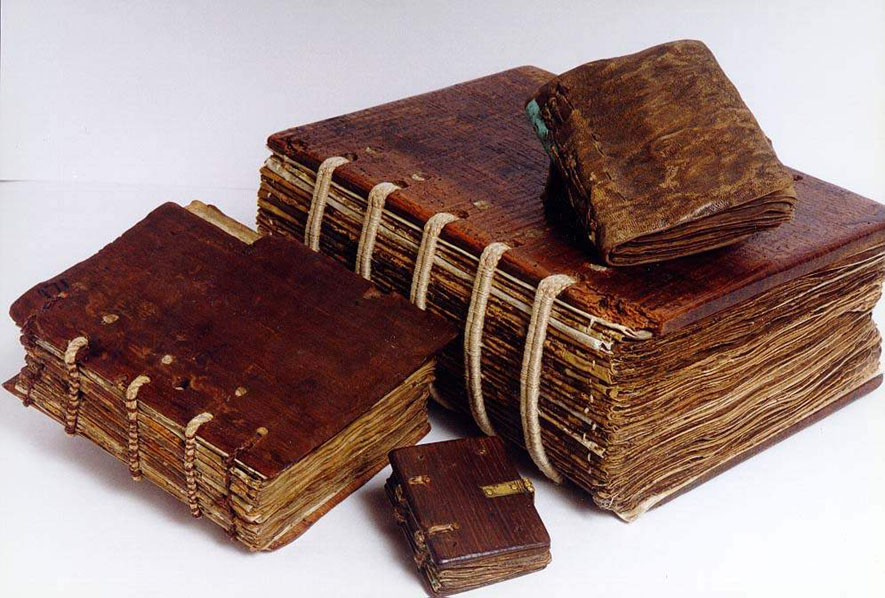
Heimskringla is the best known of the Old Norse kings’ sagas. It was written in Old Norse in Iceland by the poet and historian Snorri Sturluson (1178/79–1241) ca. 1230. The name Heimskringla was first used in the 17th century. It derives from the first two words of one of the manuscripts (kringla heimsins – the circle of the world).
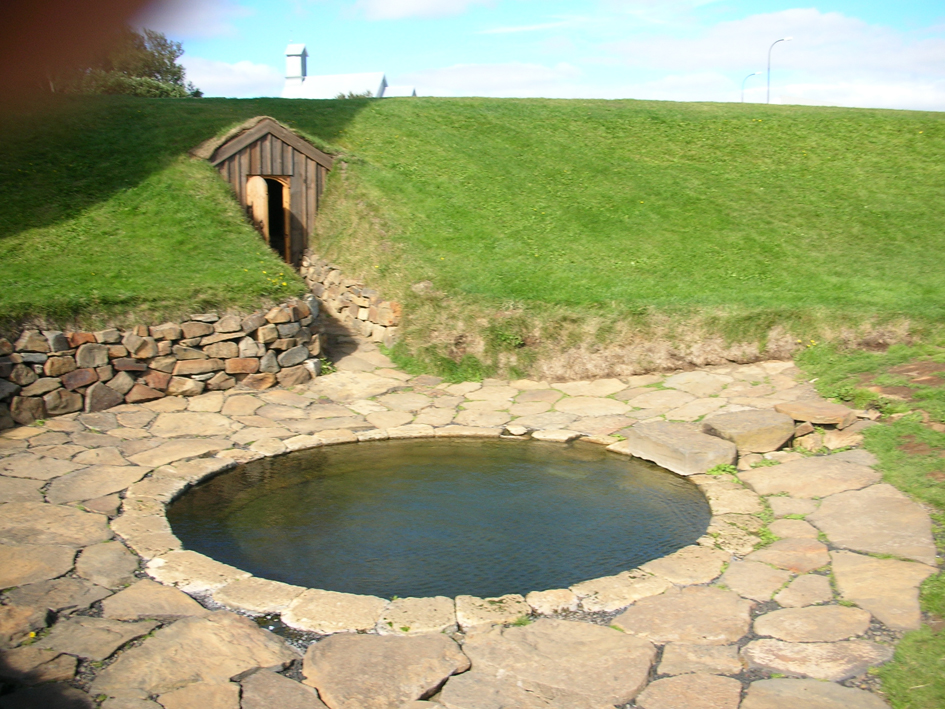
Heimskringla is a collection of sagas about the Norwegian kings, beginning with the saga of the legendary Swedish dynasty of the Ynglings, followed by accounts of Norwegian rulers from Harald Fairhair of the 9th century up to the death of the pretender Eystein Meyla in 1177. The exact sources of his work are disputed, but included earlier kings’ sagas, such as Morkinskinna, Fagrskinna and the twelfth century Norwegian synoptic histories and oral traditions, notably many skaldic poems. Also, Snorri sojourned in both Norway and Sweden. For events of the mid-12th century, Snorri explicitly names the now lost work Hryggjarstykki as his source. However, the composition of the sagas is Snorri’s.
Heimskringla is also an extremely rich online collection of Old Norse source material, primarily Eddas, Icelandic sagas, scaldic poetry, and some background material.
Heimskringla is simply the place to begin for students of Old Norse!
“Stories for all time” is a three-year research project (2011 - 2014) on Icelandic fornaldarsögur also called the Legendary Sagas
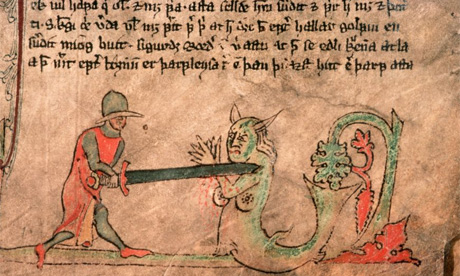
12..06.2014 - 14.06.2014 Sagas, Legends and Trolls: The Supernatural from Early Modern back to Old Norse Tradition. International Conference in Tartu

28.06.2014 - 29.06.2014 Unlocking the Vikings: Norse and Viking Cultures in the Twenty-first Century
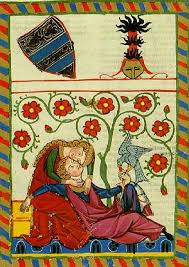
12.06.2014 - 13.06.2014 Perspectives on Chivalry Medieval to Modern. An Interdisciplinary Symposium at Rowan University
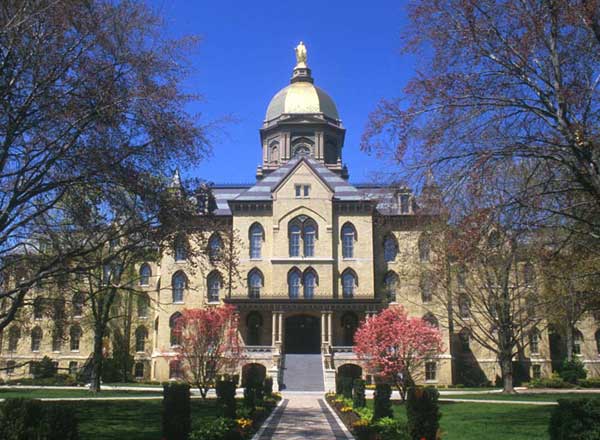
01.03.2014 Mellon Postdoctoral Fellowship in Medieval Studies at the University of Notre Dame Medieval Institute
01.03.2014 Deadline for applications for Phd fellowships and Postdocs at the Universities of Southern Denmark and York
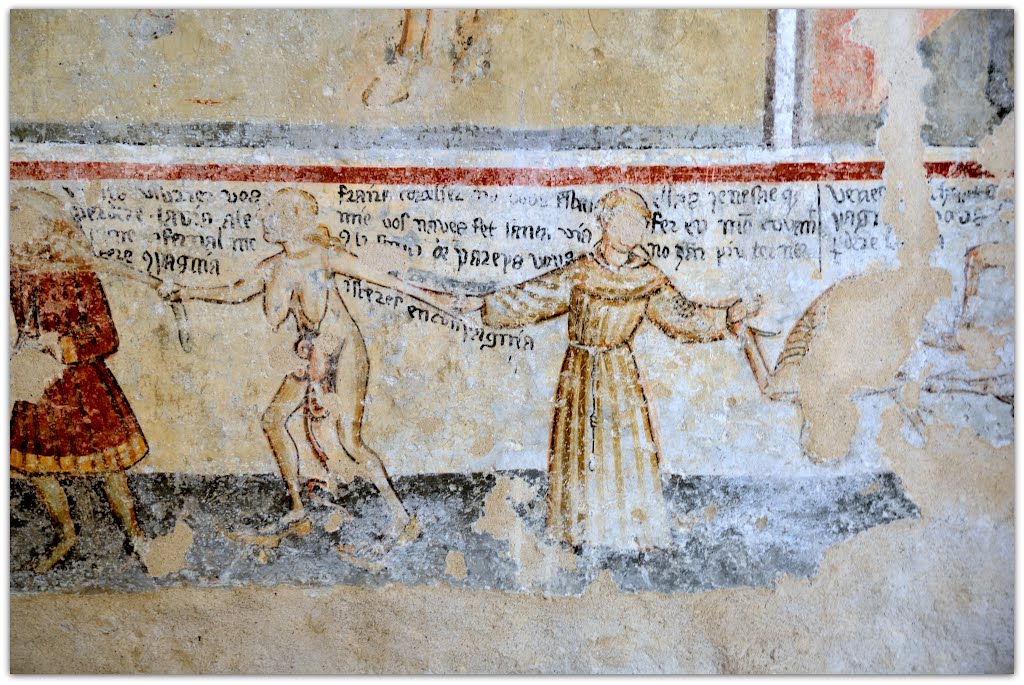
16.10.2014 - 18.10.2014 Memento Mori: The Macabre Genres in Europe from the Middle Ages until today
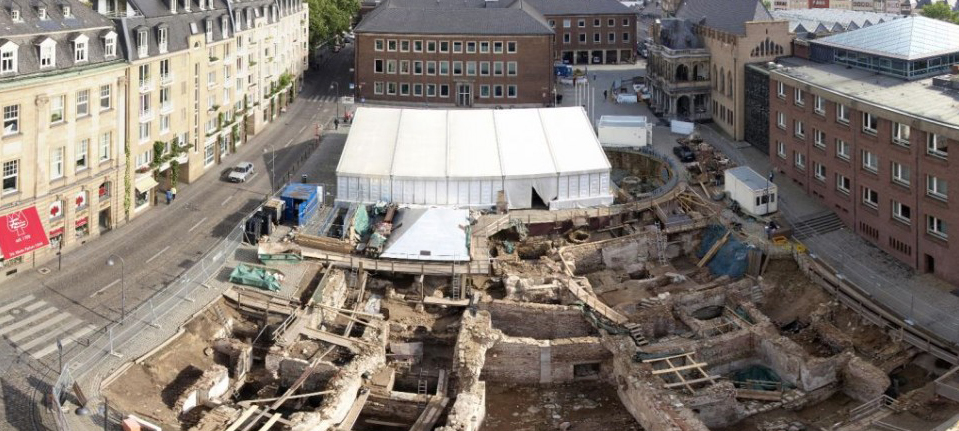
During the last decade archaeologists in Cologne have re-excavated the 700-year old synagogue with its adjacent Mikveh...
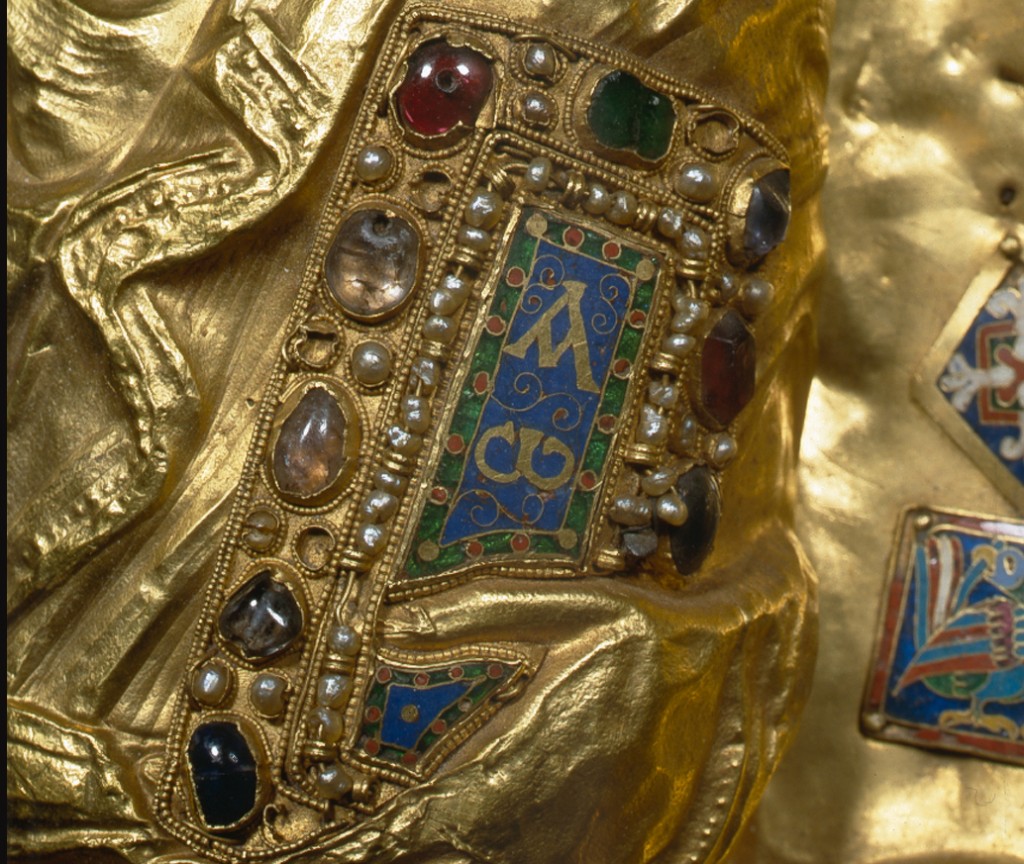
09.10.2014 - 11.10.2014 Clothing sacred scripture. International Conference in Zurich