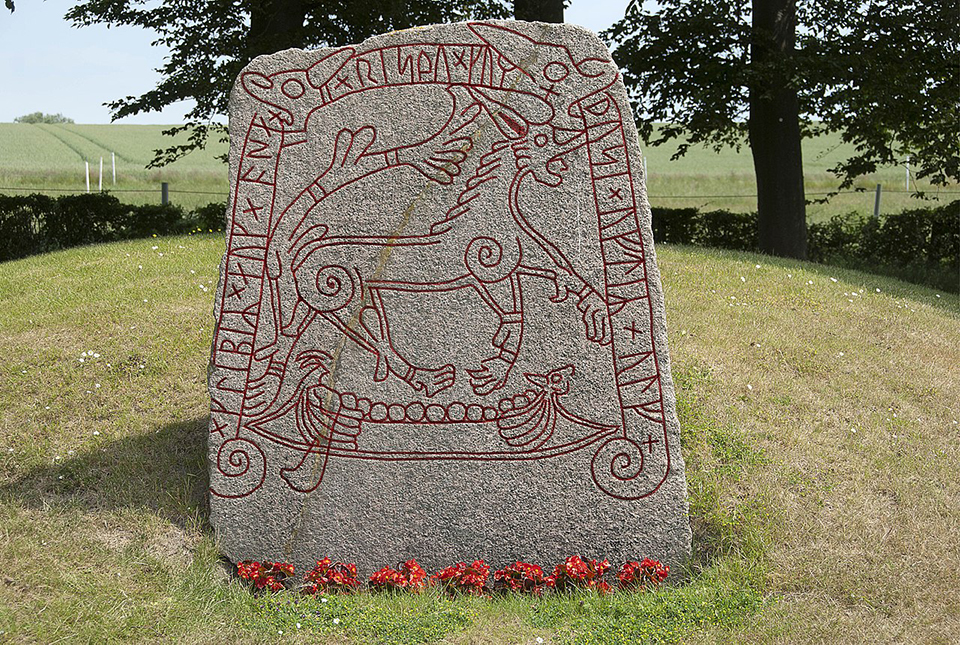
When did the war on wolves commence? Only in the later Middle Ages it appears. On the contrary, poetry, sagas, onomastics, and pictorial art were rich in the motif of the wolf and the man and their myriad metamorphoses.
‘Medieval Histories’ offers medievalists all the news about exhibitions, books, research, archaeology, travel-tips and much more from the Medieval World
When did the war on wolves commence? Only in the later Middle Ages it appears. On the contrary, poetry, sagas, onomastics, and pictorial art were rich in the motif of the wolf and the man and their myriad metamorphoses.
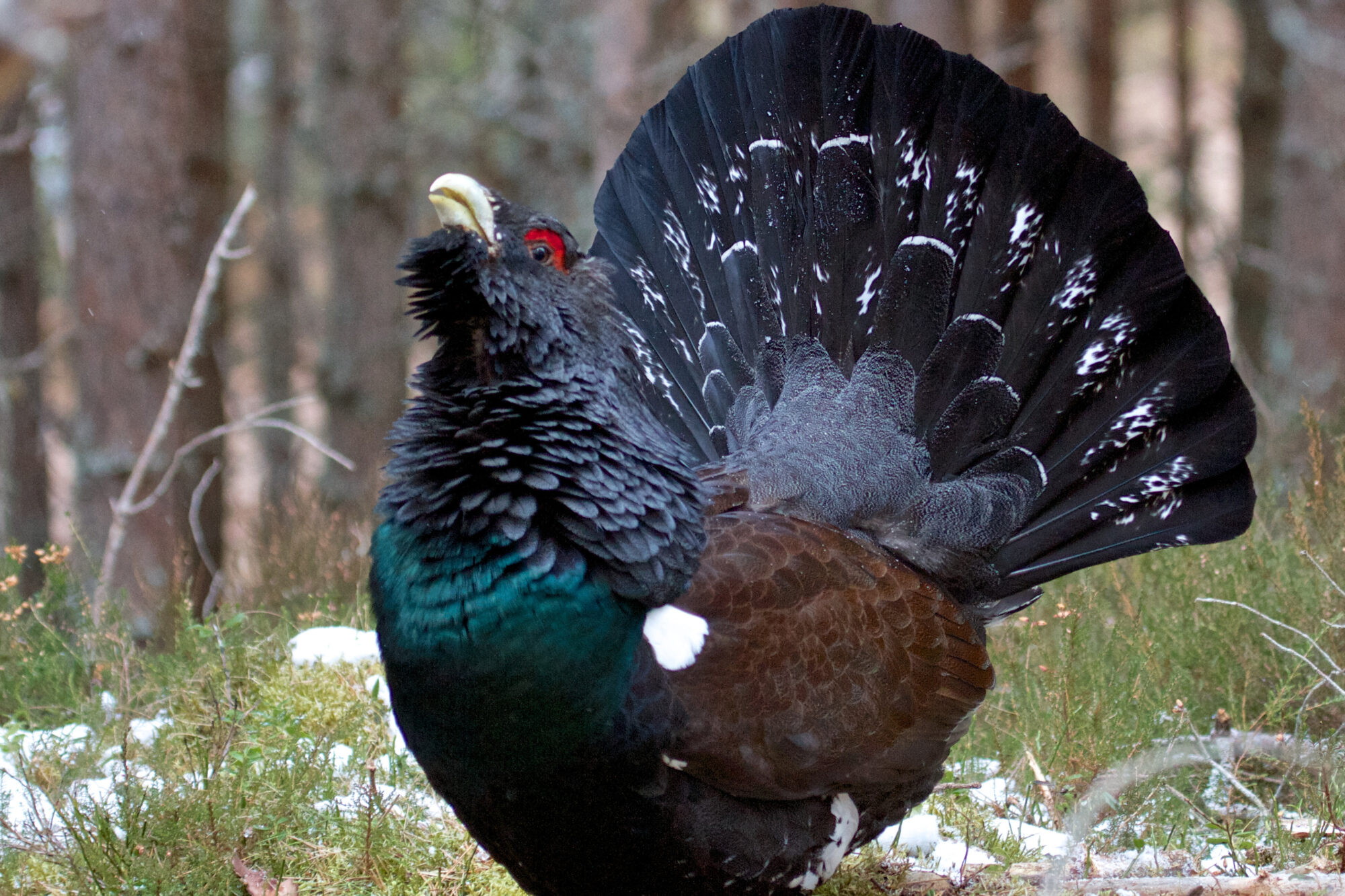
Since 1985 the number of European Capercailles in Middle Bavarian Alps have been reduced. This has happened despite a general hunting prohibition since 1973. New research points to the influence of climate changes, but also the impact of outdoor tourism
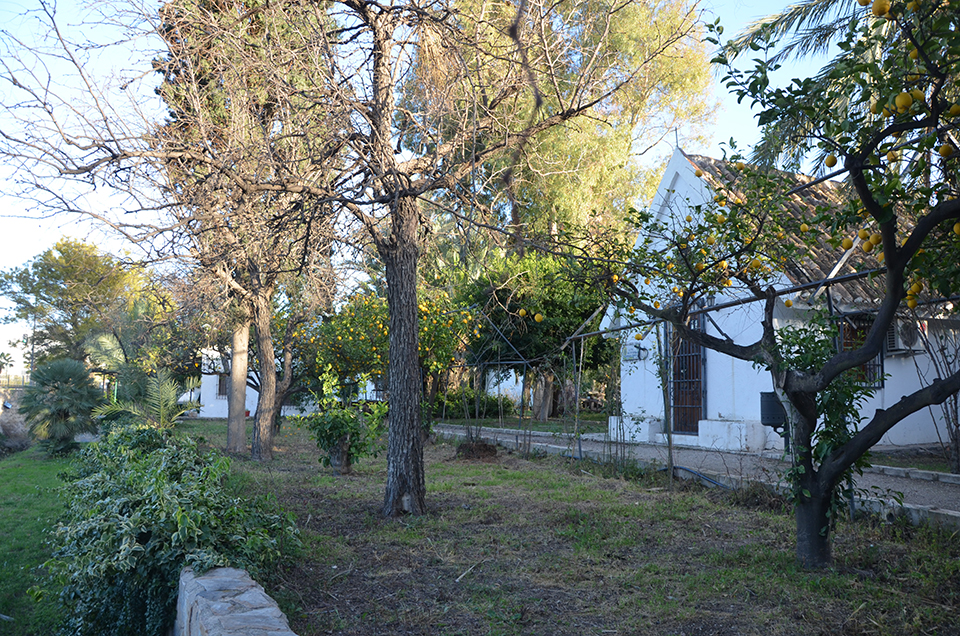
Following the footsteps of the Arabs in the 7th century Mediterranean, a Green Revolution took place, introducing new crops, irrigation techniques, and an innovative agrarian system. A new research project aims to broaden the perspective and explore the agrarian consequences from a broader ecosystemic viewpoint.


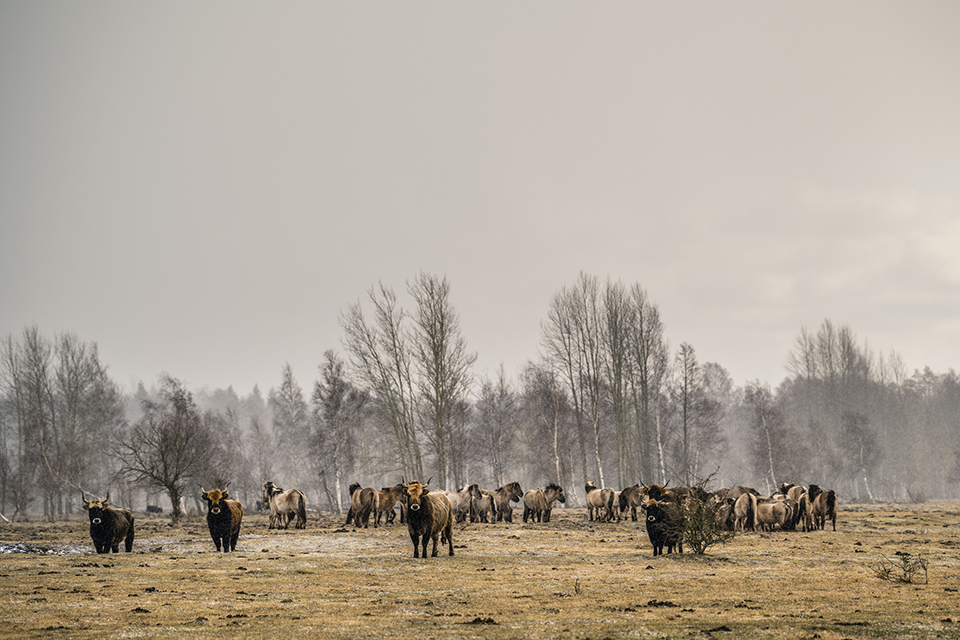
What is best when considering Europe's abandoned farmland? Should it be returned to more extensive - traditional and even Medieval - ways of sylvo-pastoral forms of cultivation? Or should it be rewilded with large grazers? Or left to its own devices?
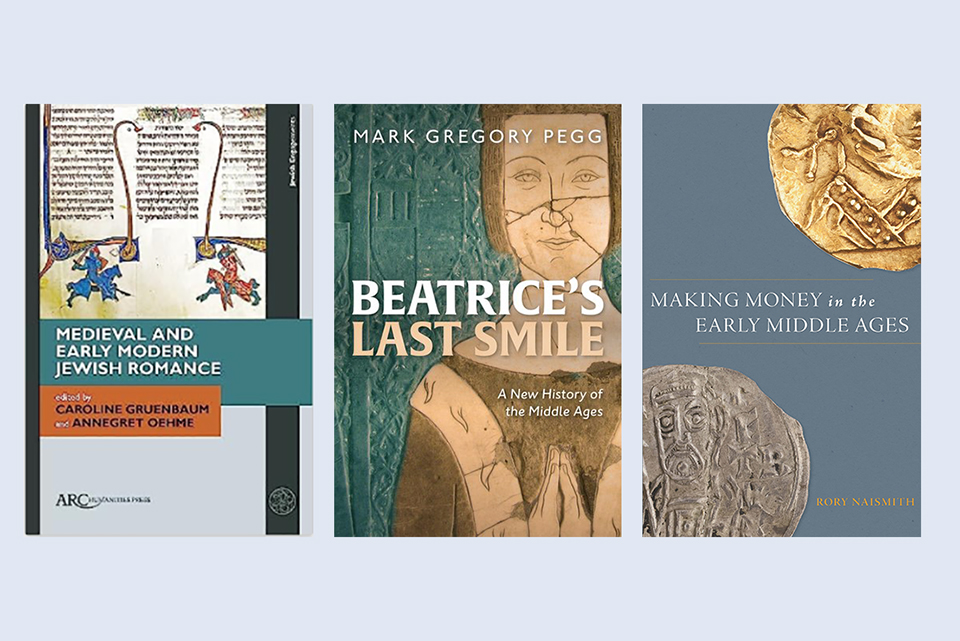
New Books out in July 2023 offers a New History of the Middle Ages, several books focusing on crusaders and an important introduction to medieval money-making
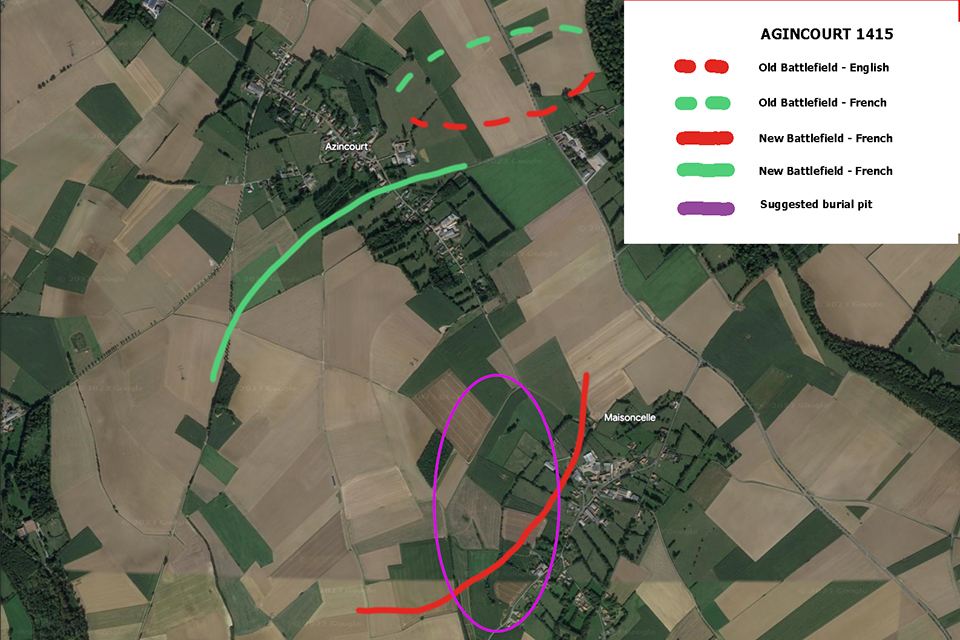
In a new article, Michael Livingston generously allows us to follow in his footsteps while he studies the layout of the battleground of Agincourt.

Who shaped the Medieval City of Paris? Kings, Abbots or Burghers? New Book explores these questions from multiple and different angles.
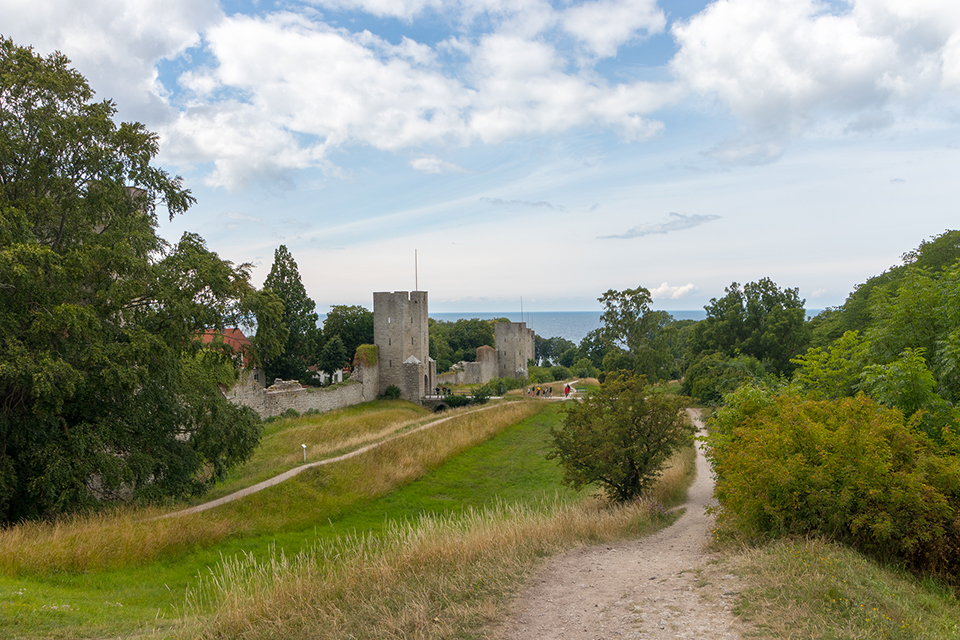
By focusing on the "heritagescape" - composed of the intwined nature and culture of a historical landscapes - tourist managers might find a way to disperse the cruise tourists plodding down congested inner cities.
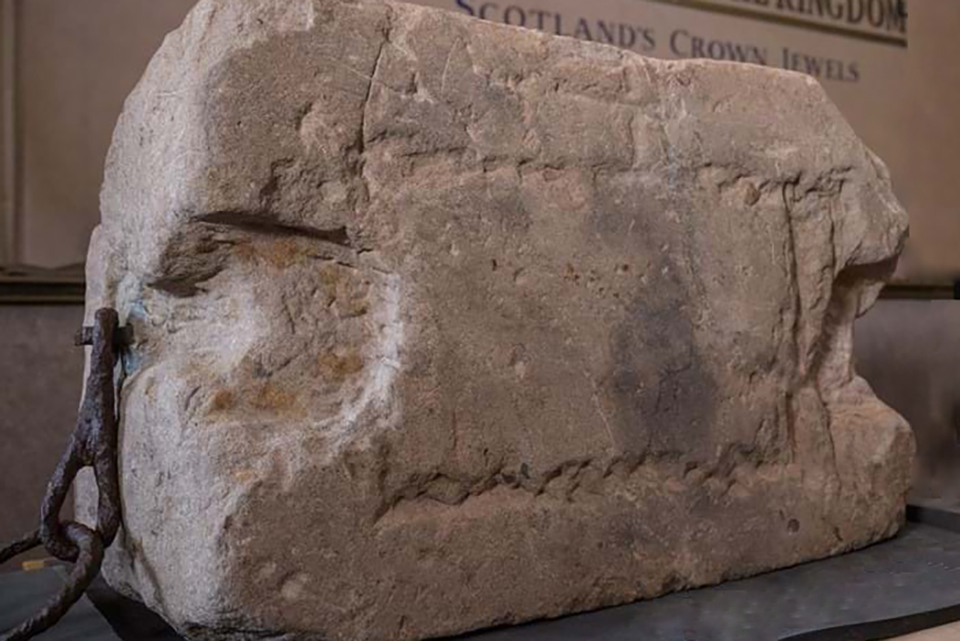
The Stone of Destiny, also known as the Stone of Scone, is an ancient symbol of Scotland’s monarchy, probably used since the 10th century in the inauguration of its kings. As such, the stone is unique owing its preservation to Edward I, who seized the symbolically charged Scottish symbol in 1296.
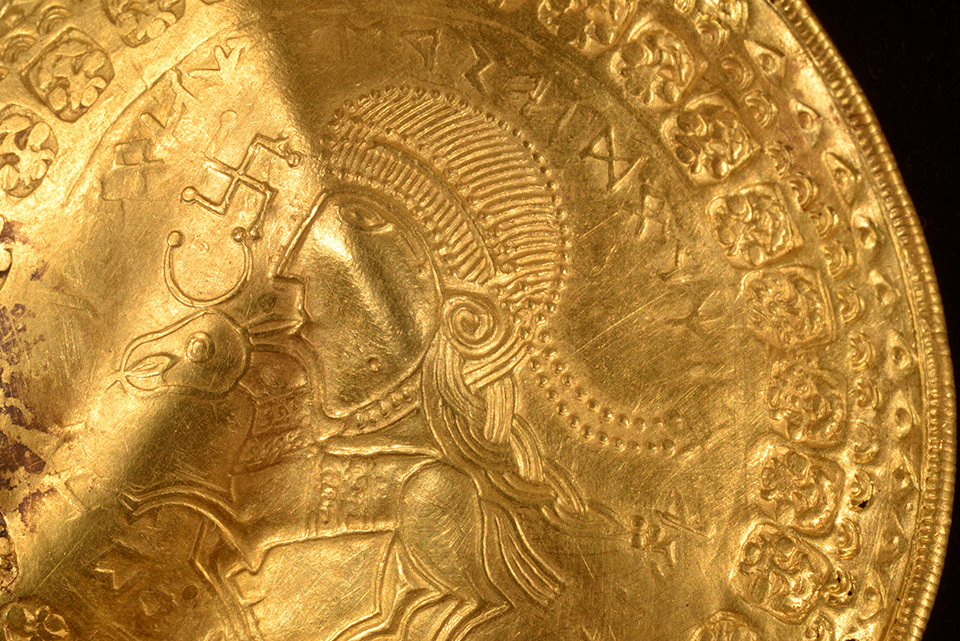
In December 2020, an impressive hoard of gold bracteates, pendants and a scabbard mount was discovered. Dated to c. AD 335-540, the hoard is unique. Recently, the Runic inscription on one of the bracteates was deciphered, presenting us with the earliest Odin inscription.
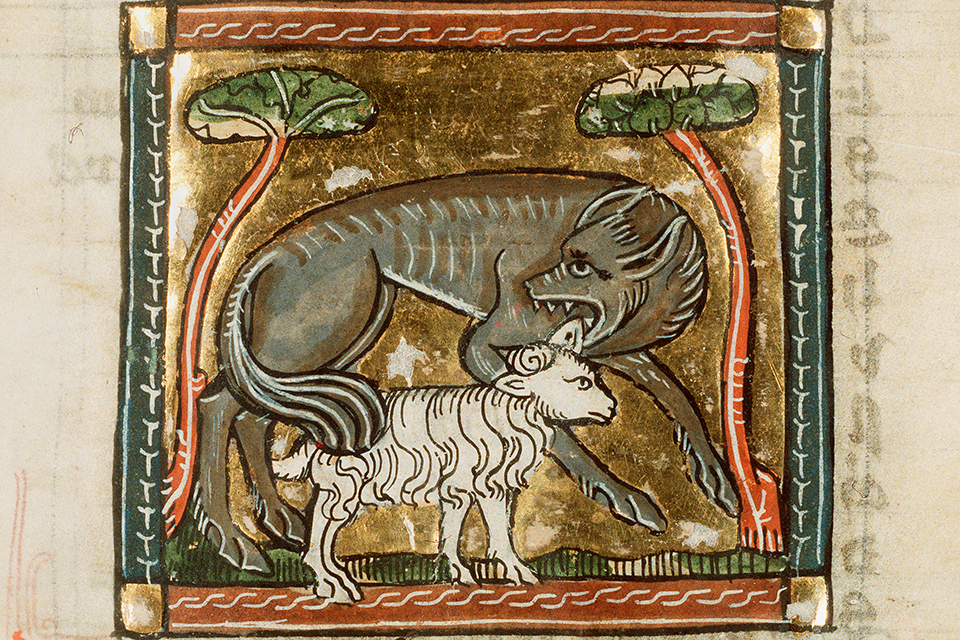
Roman and Germanic people revered the wolf in Late Antiquity and the early Middle Ages. So why did a pernicious hate of one of Europe's remaining predators supersede the veneration in the Early Middle Ages?
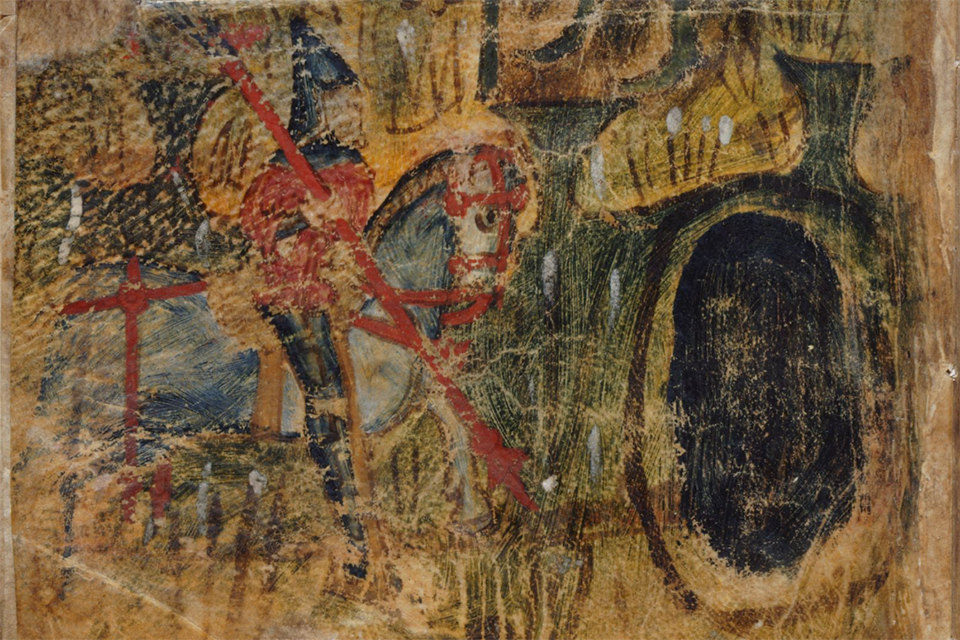
The famous chivalric romance of Sir Gawain and the Green Knight continue to capture our imagination with its stories of a hero on a famous quest. New book claims to identify the author.
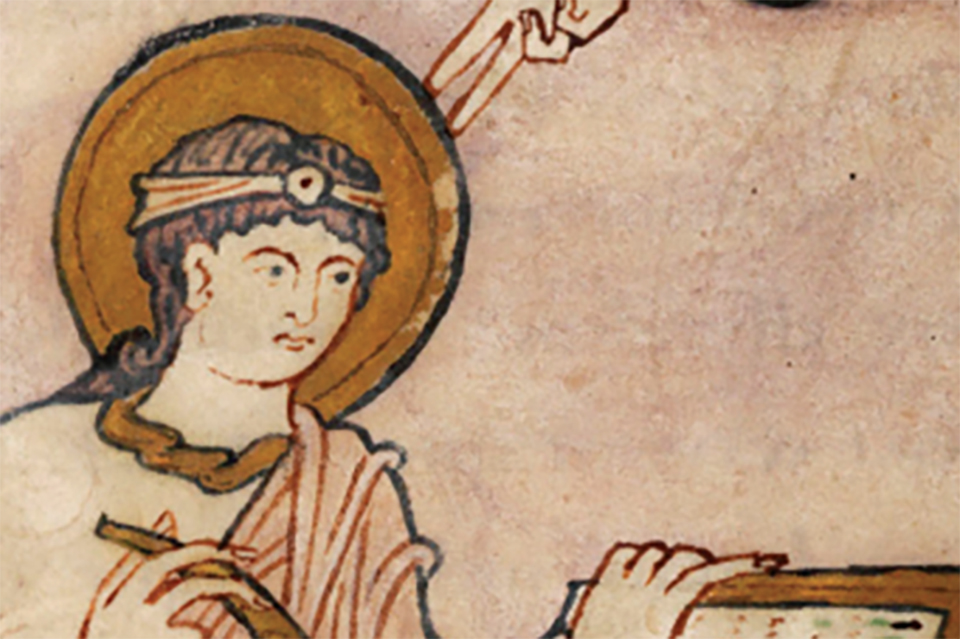
In 2023 Worcester commemorates the 1000th anniversary of the death of Wulfstan, Bishop of Worcester (1002-16), Archbishop of York (1002-23), and revered uncle of St Wulfstan (1062-95)
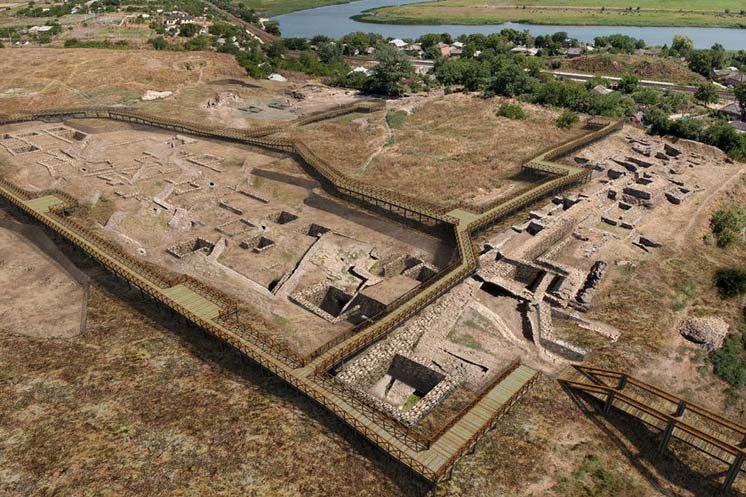
Source:
Laying the Corpses to Rest: Grain, Embargoes, and Yersinia pestis in the Black Sea, 1346–48
By Hannah Barker
In: Speculum (2021), Vol. 96, No. 1, pp. 97–127
When, how, and why did the Black Death reach Europe, and why were the results so devastating? Recent phylogenetic studies of the bacterium Yersinia pestis have demonstrated that the specific strain responsible for the catastrophe developed in China in the first half of the thirteenth century. The bacterium then took approximately 150 years to reach the area near Lake Issyk-Kul in modern-day Kyrgyzstan, where tombs dated to 1338–1339 bear witness to an outbreak. From there, it took approximately seven years to reach the Venetian colony of Tana, near the Sea of Azov, and Solgat in the Crimea. From these locations, it spread to Constantinople and then to the major ports and trading hubs of the eastern Mediterranean, such as Alexandria, Messina, Genoa, Marseille, Ragusa, and Venice. Finally, the disease spread inland as well as northwards.
This leads to a specific question: why did the pestilence gain such gravitas at this particular moment? Why did it “suddenly” erupt with such violence? And, if at all, to what extent was this caused by endemic reservoirs that had survived from the Justinianic plague of the sixth century? Archaeologists and scientists are currently studying the different strains of the bacterium and how they shaped the course of the European catastrophe.
Sources produced by people present in the Black Sea region during the Second Pandemic—including Genoese colonial administrators, Venetian diplomats, Byzantine chroniclers, and Mamluk merchants—offer an important perspective. They show that the Venetian community at Tana played a significant role in plague transmission; that it took over a year (from spring 1346 to autumn 1347) for the plague to cross the Black Sea to Constantinople; that people crossed the Black Sea in 1346, but commodities did not, owing to a series of trade embargoes; that grain was one of the most important Black Sea commodities in both volume and strategic value; and therefore that the embargoes of 1346 delayed plague transmission by temporarily halting the movement of grain, along with its accompanying rats, fleas, and bacteria.
When Venice, Genoa, and the Golden Horde made peace and lifted their embargoes in 1347, both the grain trade and the spread of plague resumed, precipitating the later European disaster and devastation.
In a brilliant and detailed exposé of the evidence provided by letters, diplomatic reports, legal documents, and chronicles, the historian Hannah Barker lifts the veil on these crucial political manoeuvres, which delayed the spread of the pestilence.
Recent studies from 2025 supplements this study by demonstrating how a forced volcanic climatic cooling-off of the Mediterranean region in the year 1346 led to a significant drop in average temperatures of between 1.5º and 2º, which caused widespread famine. Although not as harsh as the downturn caused by the Samala eruption in 1256, this led to an invigorated diplomatic effort to have the embargo lifted so that cities in Italy might lessen the strain by importing grain. Ultimately this is claimed to be the last missing piece. However, the question still remainss, to which extent and how, bacterial reservoirs and other rodents than the black rats played a role in the north of Europe.
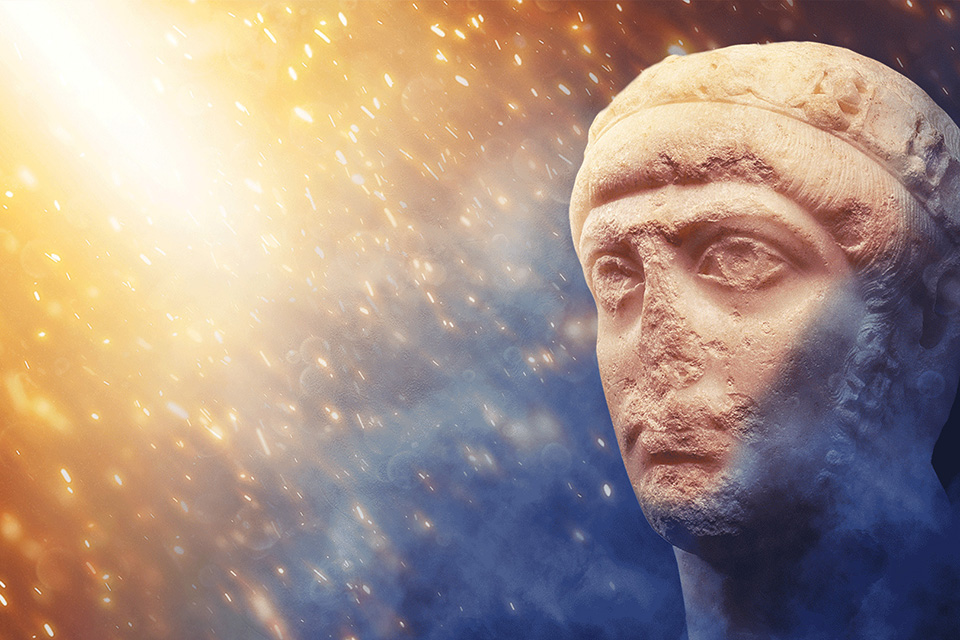
Why did the Western Roman Empire collapse in the 5th century? A major exhibition in Trier offers a handful of explanations at three separate locations.


