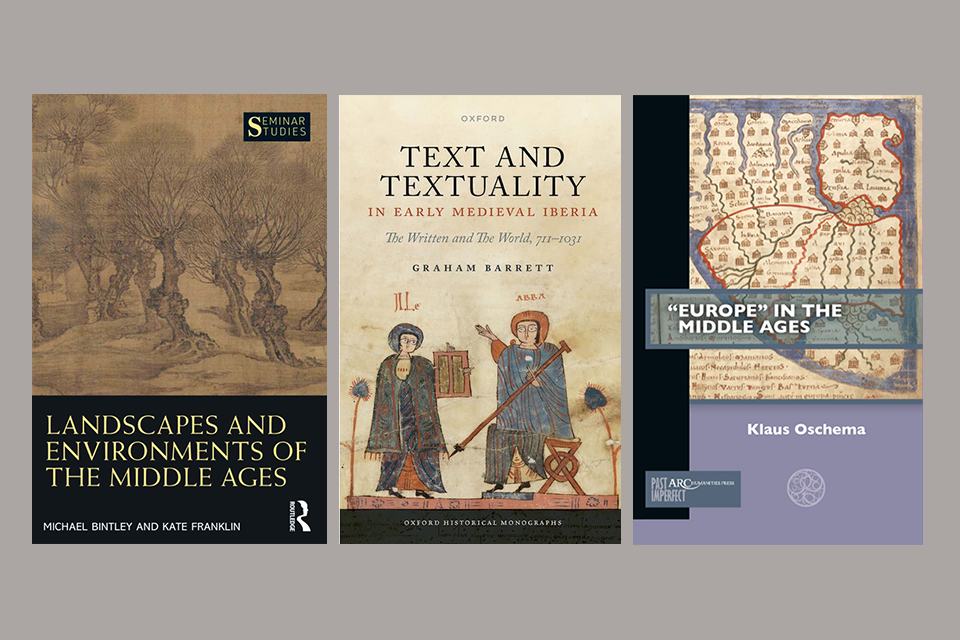
When the Holy Roman Emperor Henry II died 1000 years ago, on July 13, 1024, he left behind a rich legacy of books.

‘Medieval Histories’ offers medievalists all the news about exhibitions, books, research, archaeology, travel-tips and much more from the Medieval World
When the Holy Roman Emperor Henry II died 1000 years ago, on July 13, 1024, he left behind a rich legacy of books.
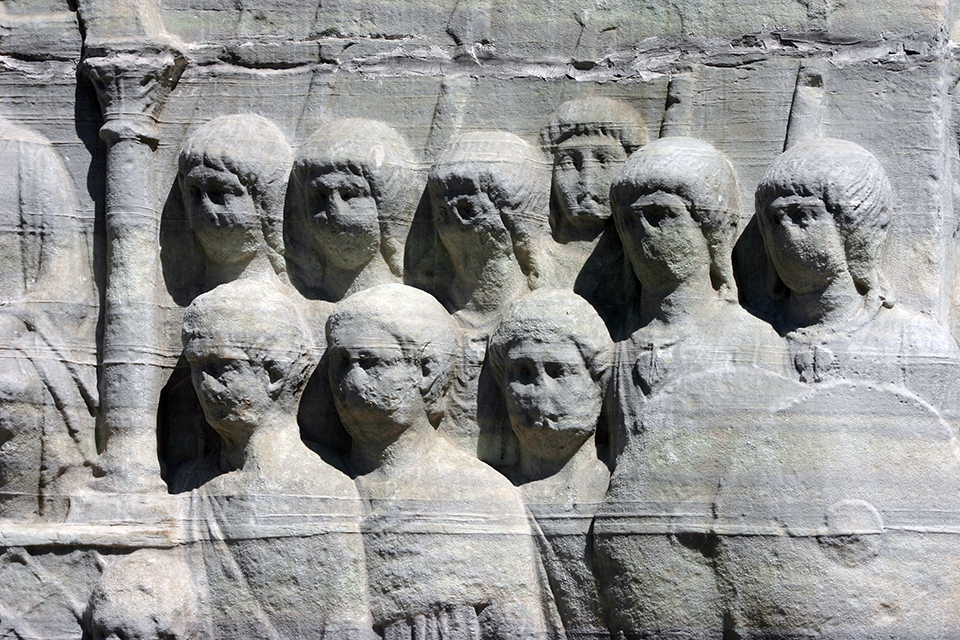
Citizen of the Franks, Roman soldier in arms. Such is the established translation of the first part of a burial inscription from the fourth century discovered near Budapest

Medieval women were considered weak, soft, sensual, and fickle if not frivolous. Even today, we hear an echo in the disparagement of Kamela Harris
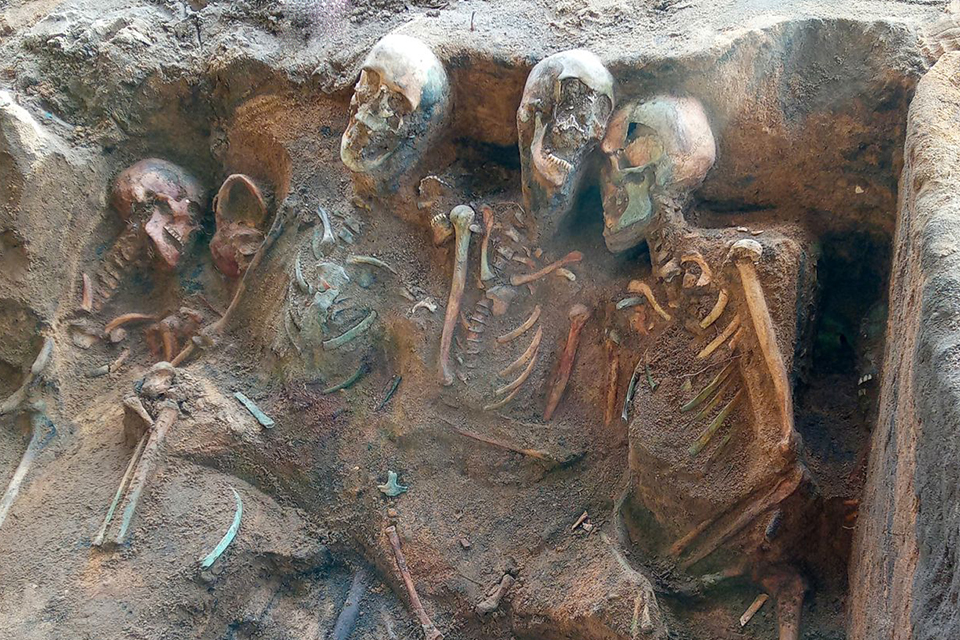
After Covid, the natural history of the second great plague epidemic - The Black Death - has inspired scientists to work in interdisciplinary teams and develop new methods
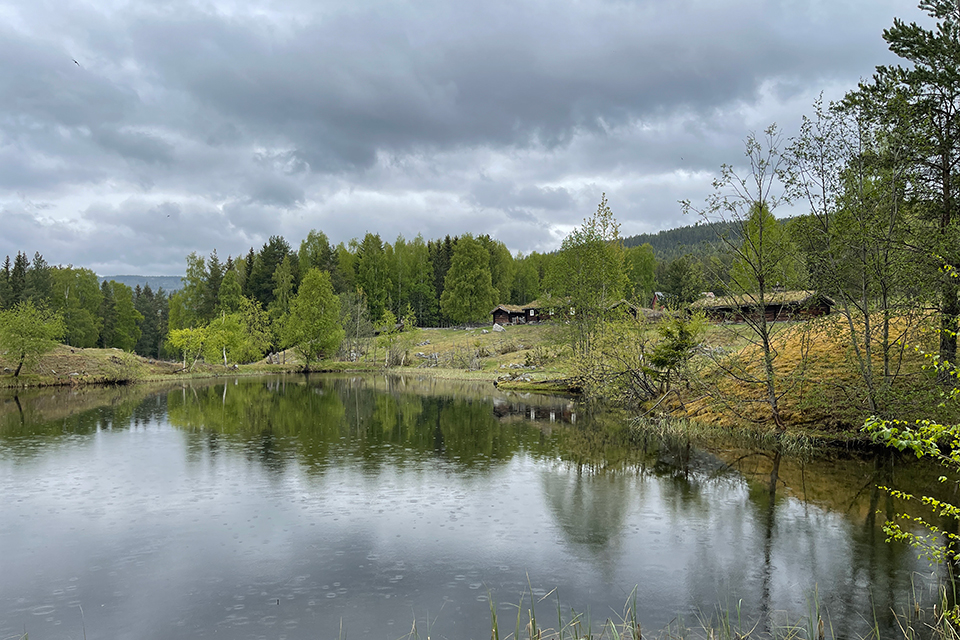
Large permanent fishing trap discovered near Lillehammer sheds light on the freshwater fishing methods in the Norwegian Middle Ages
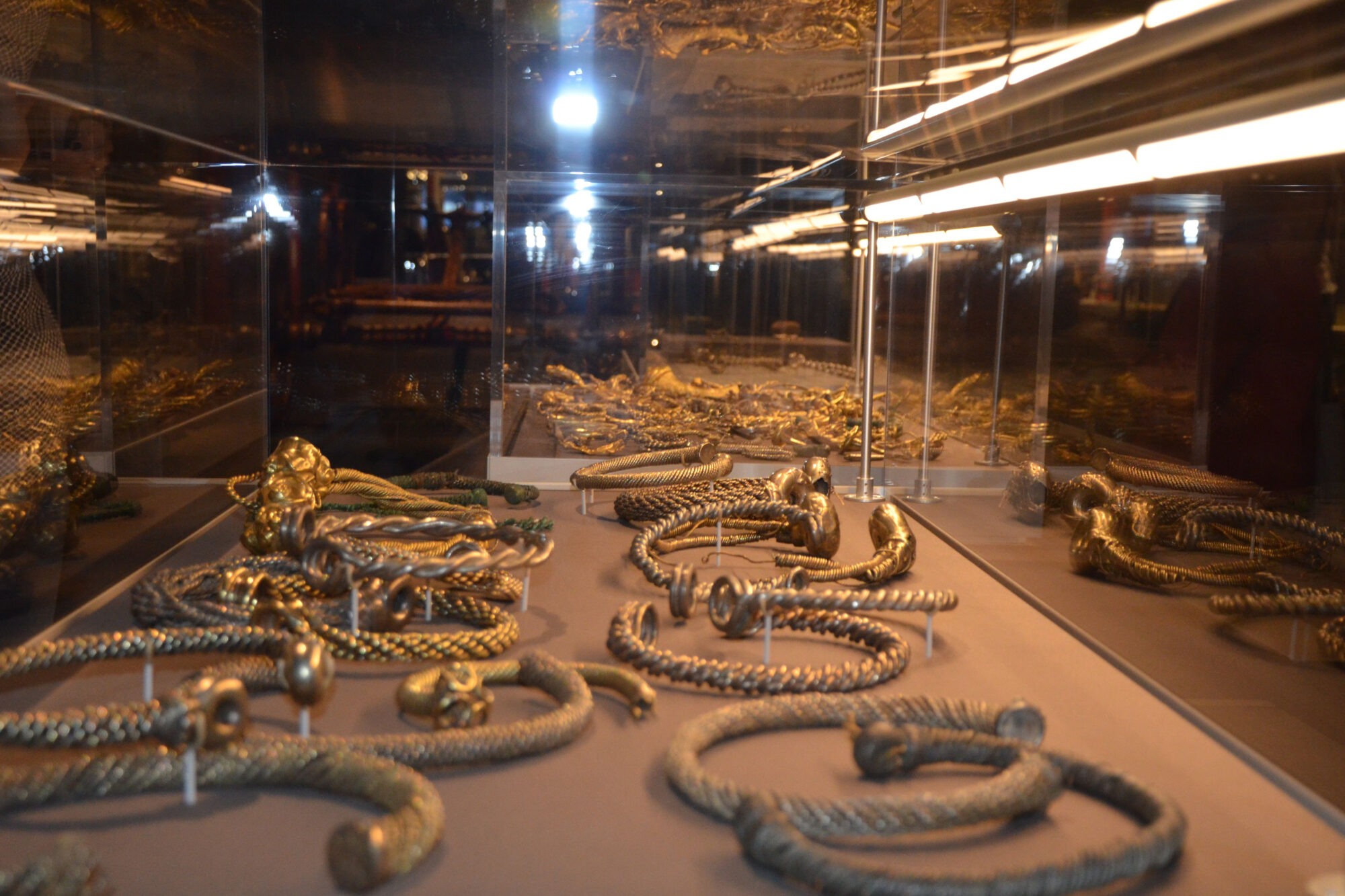
People are increasingly obsessed with their "identity" and the process of "othering". The question, though, is: who is in charge of the labelling? People themselves? Or their surroundings? Archaeology in Galicia has a story to tell
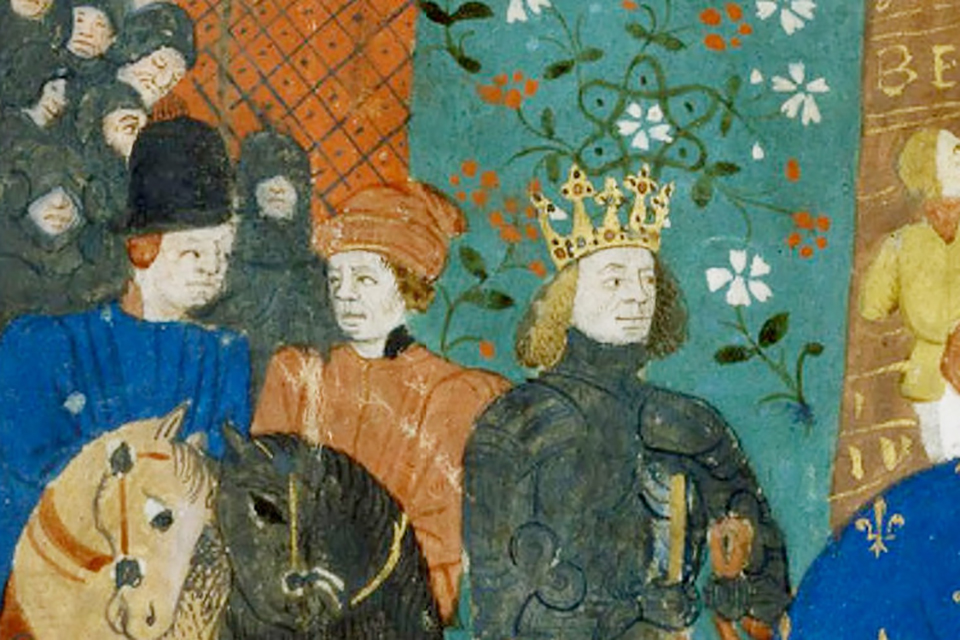
The French king, Charles VII is known for his long reign and his success in ending the Hundred years' War. But he also presided over the gradual employment of numerous bourgeois jurists and merchants paving the road for the shift from charismatic to bureaucratic leadership.
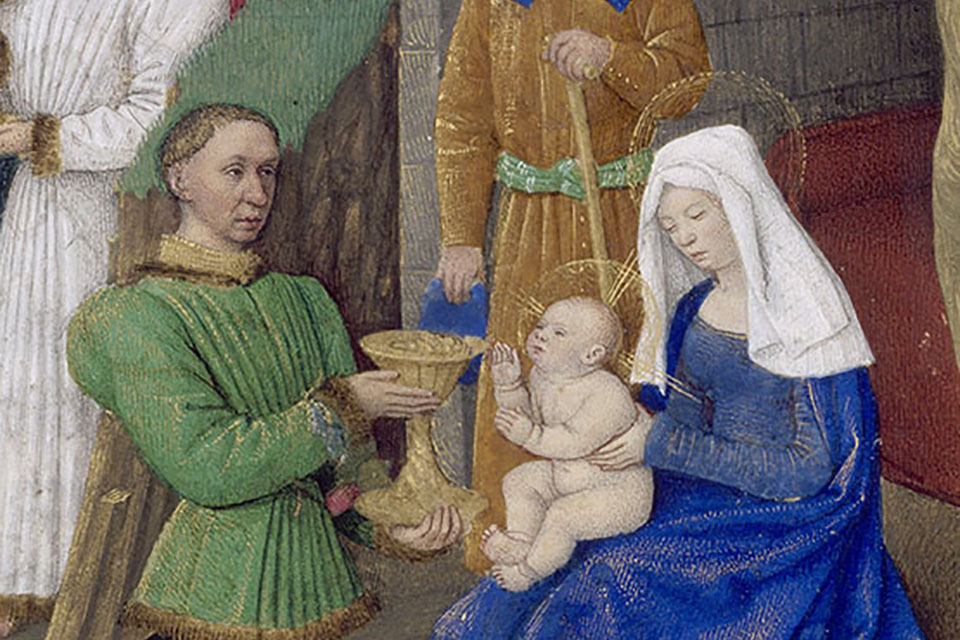
New exhibition at the Musée de Cluny this spring focus on the artists and forms og art in France during the reign of Charles VII
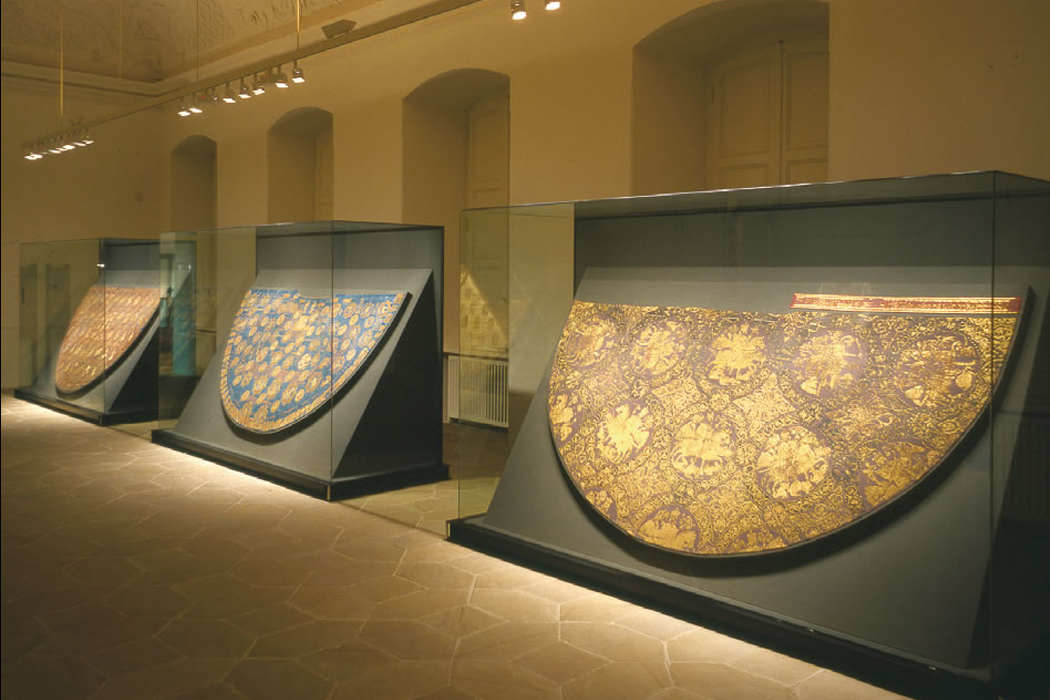
The 11th century Imperial Robes in Bamberg are some of the oldest preserved royal garments. They form a unique ensemble from the 11th century. New research project aims to get a better understanding of their original design and outlook.
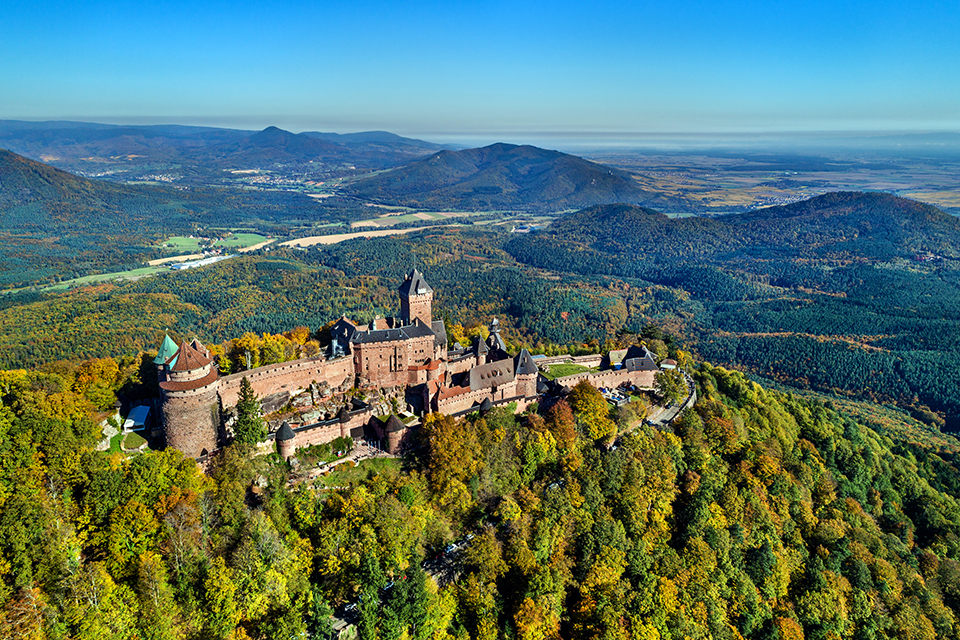
Château du Haut-Kœnigsbourg is one of the the most thrilling experiences in the Middle Vosges in Alsace, France
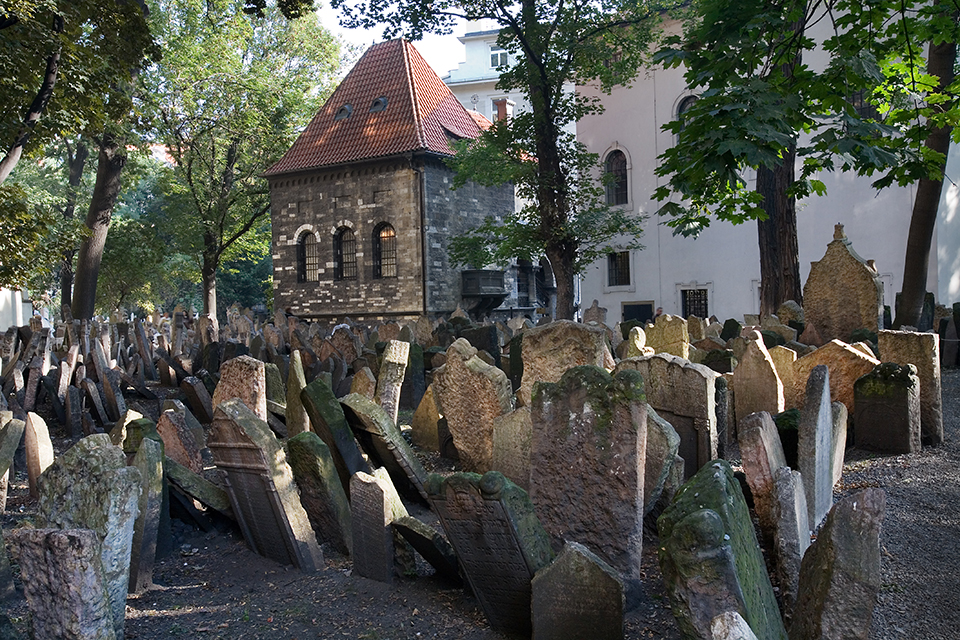
Wherever Jews settled in Central Europe, their first initiative was to plan a cemetery. New research deals with the archaeological and folkloric evedence of these evocative places.
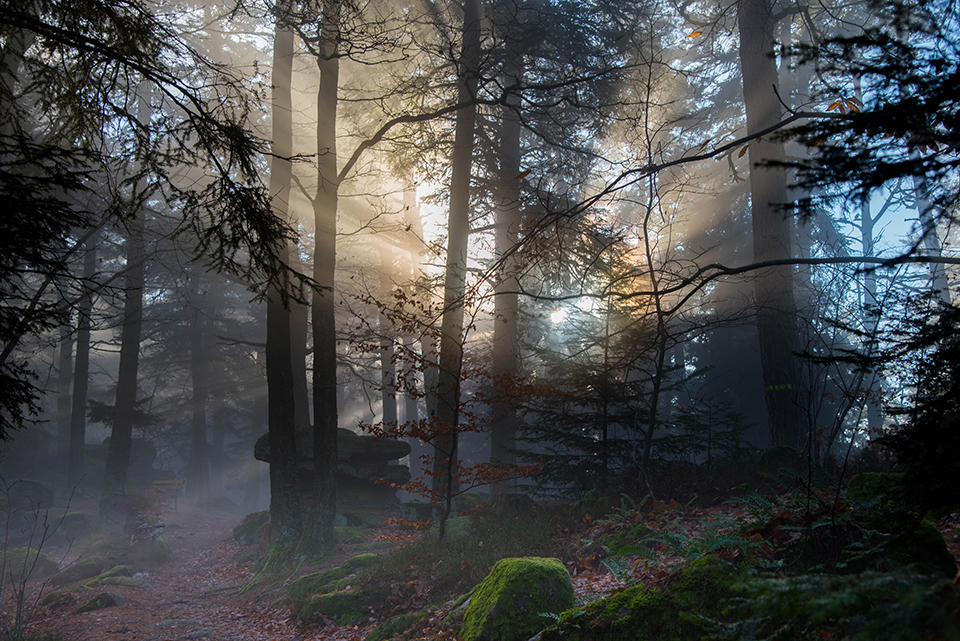
In the Early Middle Ages, the Vosges were regarded as a wilderness - by elites, poets and priests. However, the ideas about how to live in and utilise this wilderness were contested.
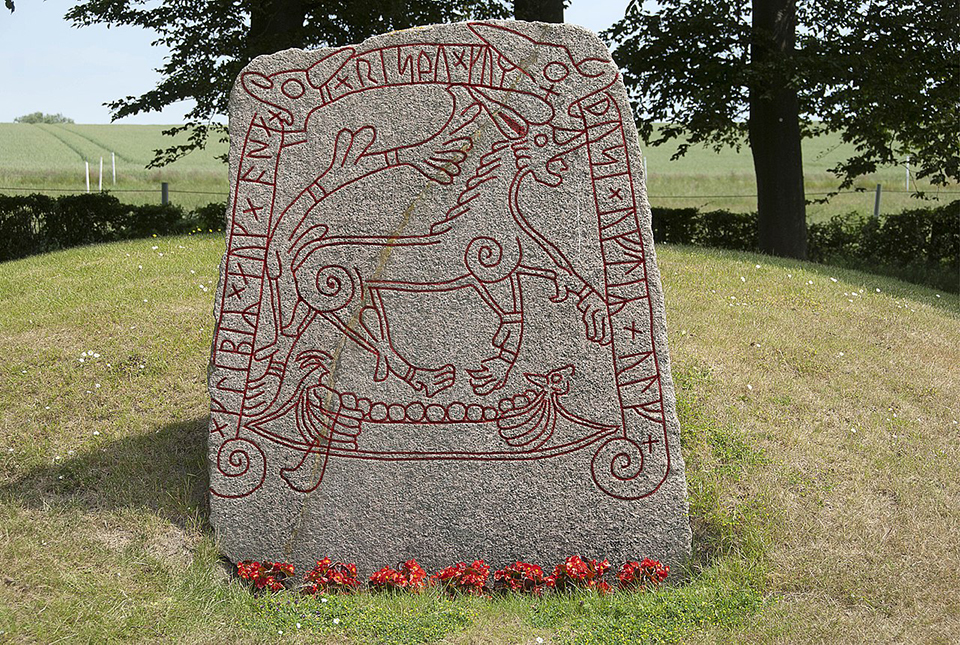
When did the war on wolves commence? Only in the later Middle Ages it appears. On the contrary, poetry, sagas, onomastics, and pictorial art were rich in the motif of the wolf and the man and their myriad metamorphoses.
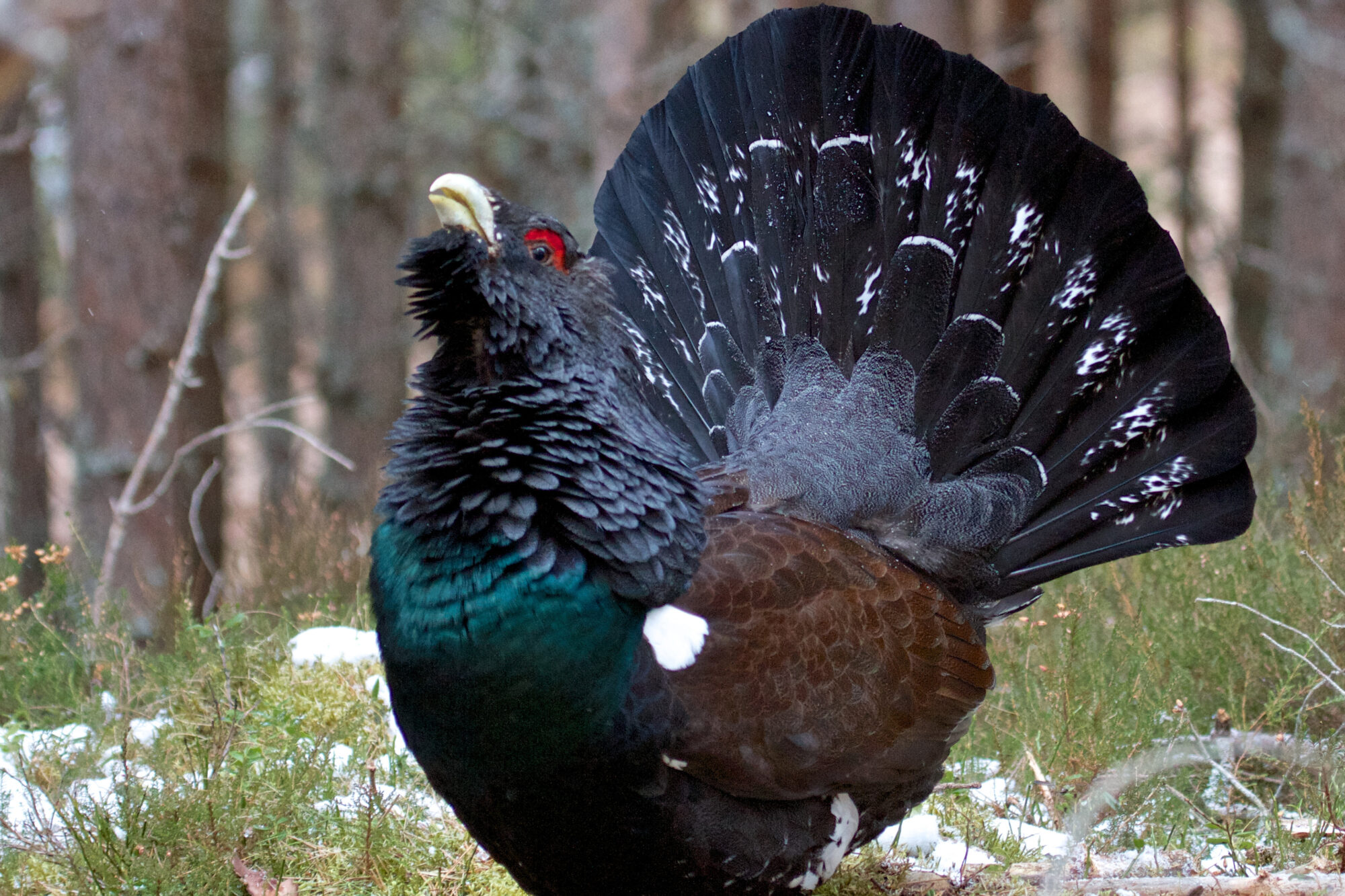
Since 1985 the number of European Capercailles in Middle Bavarian Alps have been reduced. This has happened despite a general hunting prohibition since 1973. New research points to the influence of climate changes, but also the impact of outdoor tourism
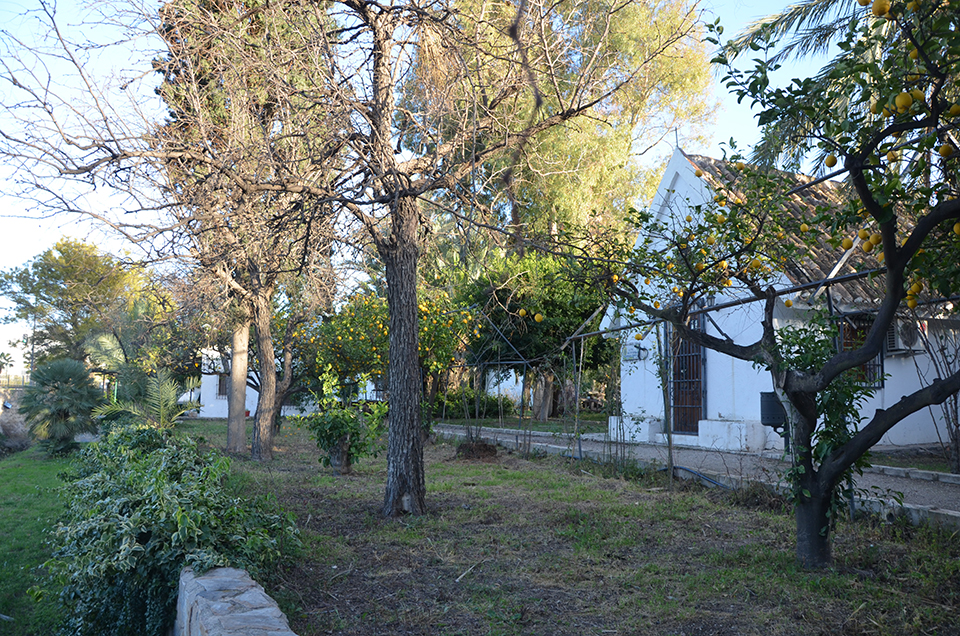
Following the footsteps of the Arabs in the 7th century Mediterranean, a Green Revolution took place, introducing new crops, irrigation techniques, and an innovative agrarian system. A new research project aims to broaden the perspective and explore the agrarian consequences from a broader ecosystemic viewpoint.