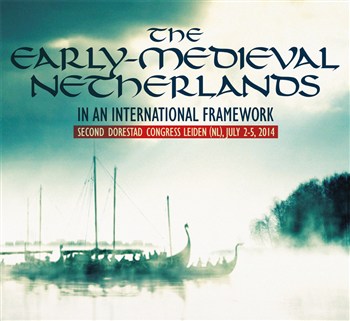
02.07.2014 - 05.07.2014 Second Dorestad Congress - The Early-Medieval Netherlands in an international framework
‘Medieval Histories’ offers medievalists all the news about exhibitions, books, research, archaeology, travel-tips and much more from the Medieval World
02.07.2014 - 05.07.2014 Second Dorestad Congress - The Early-Medieval Netherlands in an international framework
Get an overview of the ten most important medieval exhibitions spring and summer 2014
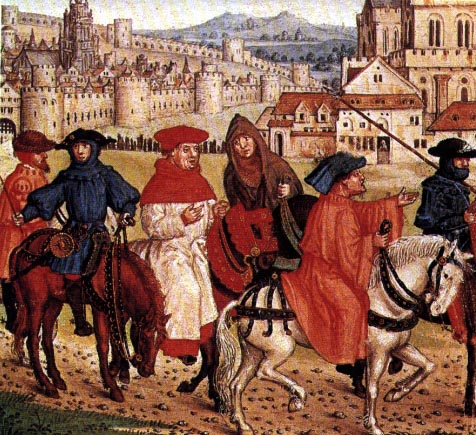
Voyager au Moyen-Age What were the dreams of travelling? And how did people in the Middle Ages plan and execute real travels? These questions are at the centre of a future exhibition at Musee de Cluny in Paris (Musee de Moyen-Age.) The exhibition is mounted in collaboration with museums in Florence (Bargello), Catalonia (Vic) and Cologne (Schnütgen) The exhibition is planned to open its doors in October 2014.
Due to a current reworking of the website of the Musée de Cluny, further information is pending
Christian Resurrection and Jewish Immortality during the First Crusade
By Shmuel Shepkaru pp 1 – 34
False Prophets and Ravening Wolves: Biblical Exegesis as a Tool against Heretics in Jacques Fournier’s Postilla on Matthew
By Irene Bueno pp 35 – 65
The Self-Coronation of Peter the Ceremonious (1336): Historical, Liturgical, and Iconographical Representations
By Jaume Aurell and Marta Serrano-Coll pp 66 – 95
Pathos and Pastoralism: Aristotle’s Rhetoric in Medieval England
By Rita Copeland pp 96 – 127
The Birth of a Maxim: “A Bishop Has No Territory”
By Tyler Lange pp. 128 – 147
– Plus reviews
See full list of contents at Cambridge Journals Online
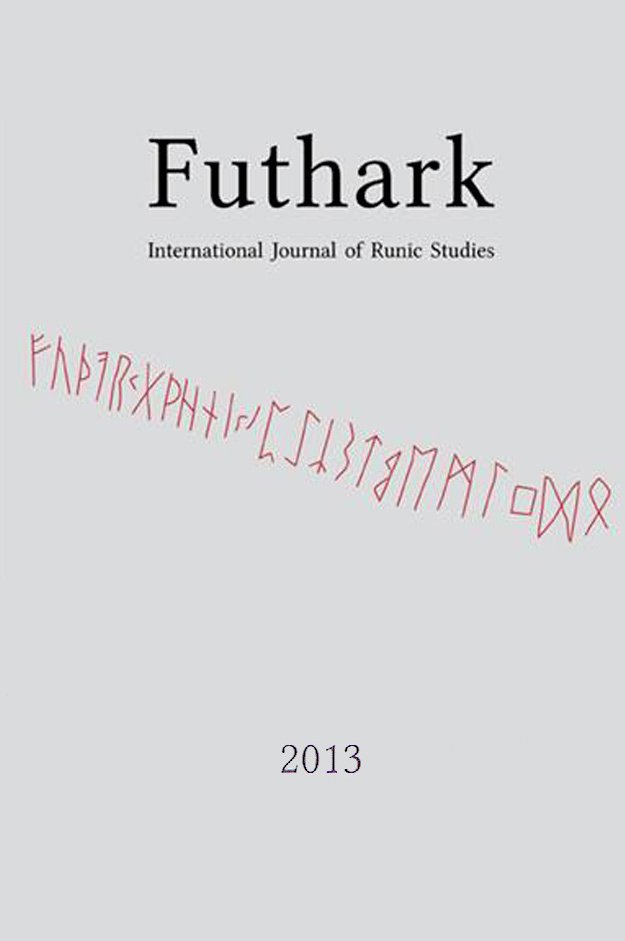
Futhark is a yearbook of Runic Studies. Latest issue is vol. 4, 2013
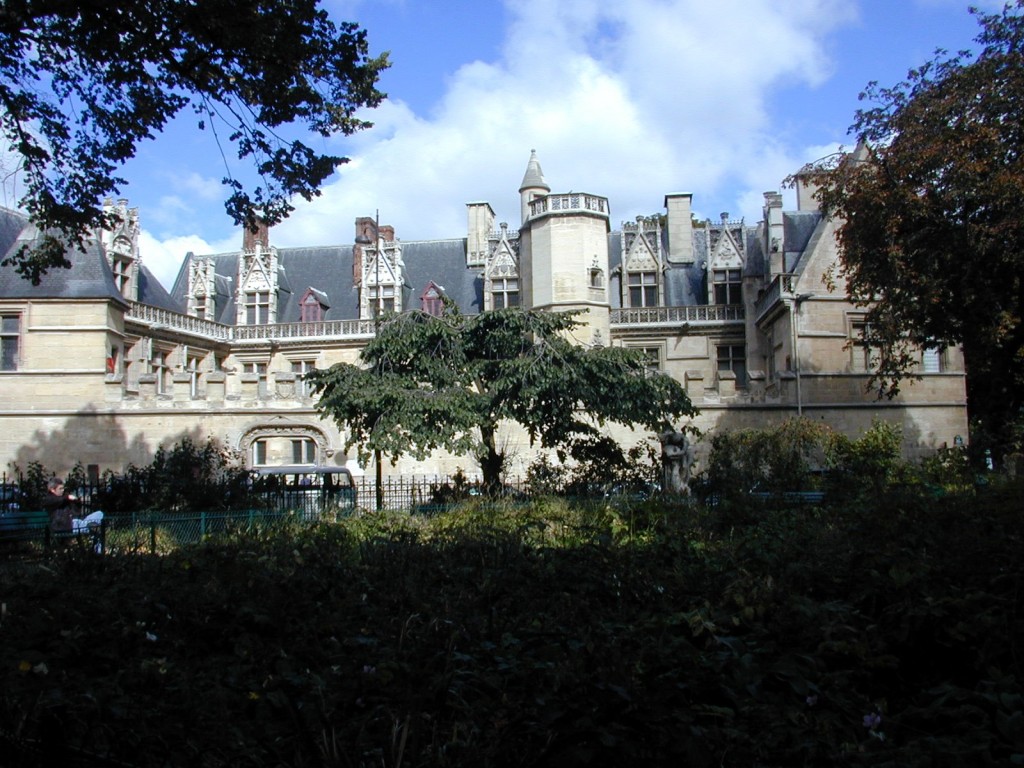
The Museum of the Middle Ages in Paris – Musée de Cluny – has seen a stagnation, maybe even a downturn in the number of visitors. Why?
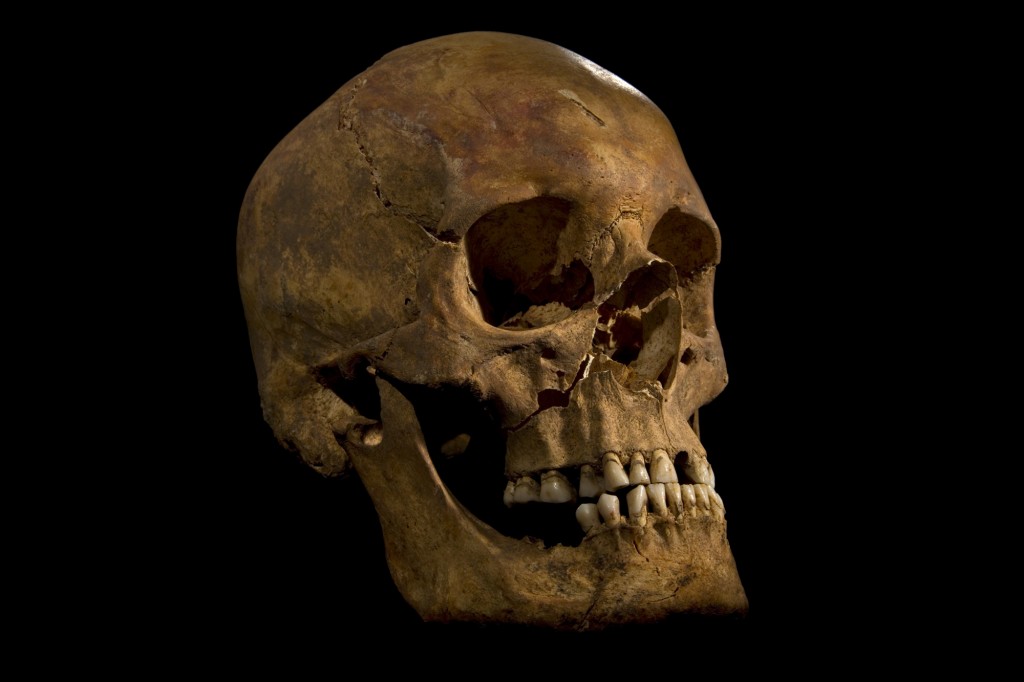
Richard III ate a very protein-rich diet. Whether this protein came from animals or plants (beans or peas) cannot be said. However, at least a quarter of the protein came from seafood. A diet like this was typical of a late medieval nobleman, who could afford to consume expensive foods like meat, game and fish.
However, analysis of skeletons from even high-status graves in the cemetery of St. Peter’s in Leicester has shown that they ate less protein and fish than Richard III.
Further analysis has shown that Richard must have suffered from stomach troubles. Careful analysis around the gut area of Richard III resulted in finds of microscopic egg-casings from roundworms, an intestinal parasite.
Finally his teeth have been analysed. Researchers found that he must have suffered severe tooth decay, possibly from a “sweet tooth”, which he was able to please.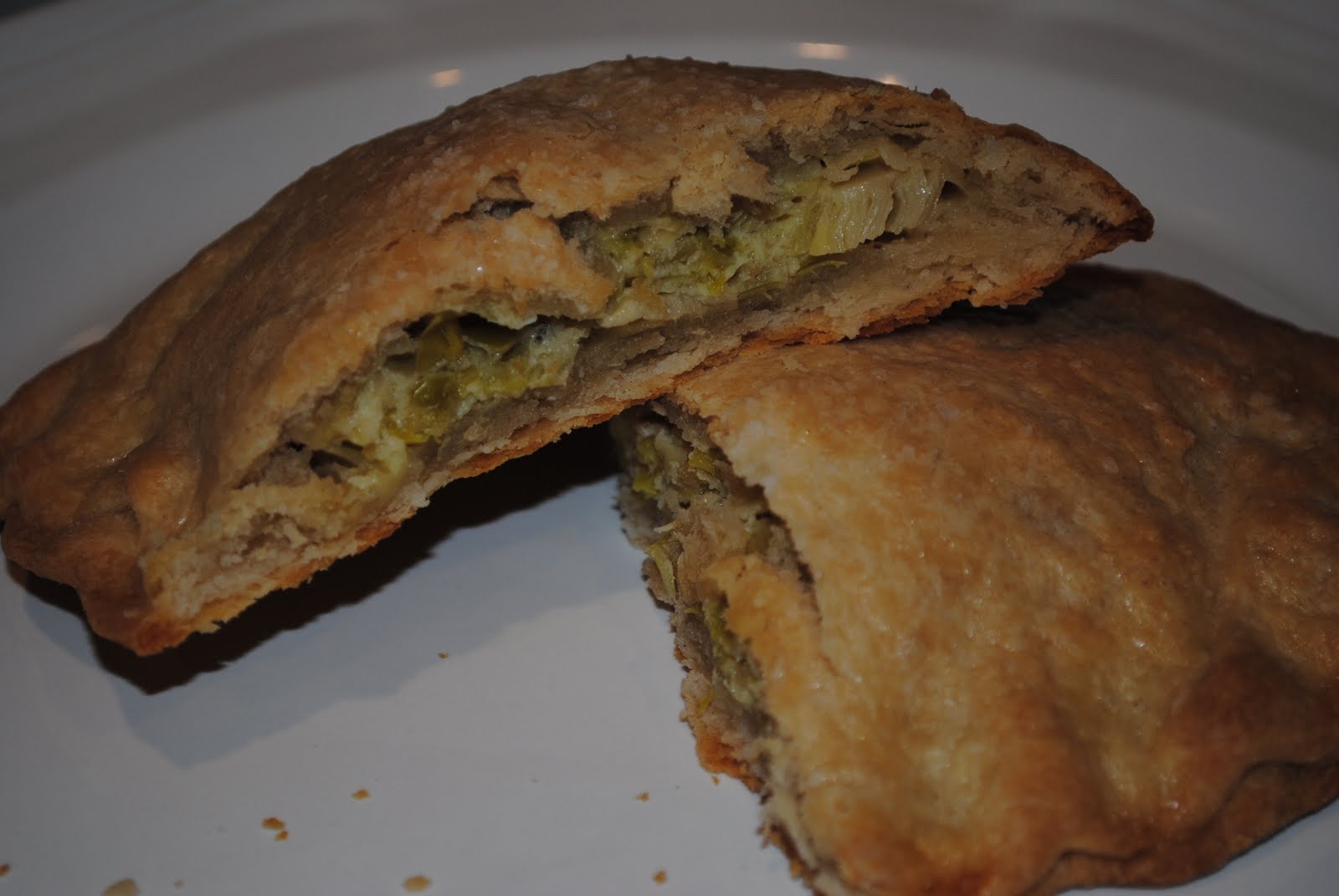
There exists at least one menu from a party, Richard III attended: his coronation on the 06.07.1483. At this feast venison, roast cygnet (swan), roast crane, roast heron, roast bittern (small heron), roast egret (another heron), sturgeon and pike were served. The banquet lasted over five hours and Richard was served on a golden plate, while Anne his wife was served on a gilt plate.
SOURCE:
Richard III. The King under the Car Park.
By Mathew Morris and Richard Buckley
Leicester University press 2013.
The intestinal parasites of King Richard III
By
Dr Piers D Mitchell et al
In: The Lancet, Volume 382, Issue 9895, Page 888, 7 September 2013
Richard III – the final act
By Amit Rai
IN: British Dental Journal 214, 415 – 417 (2013)
The Coronation of Richard III: The Extant Documents.
Ed. by Anne F. Sutton ad P.W. Hammond
Alan Sutton 1983
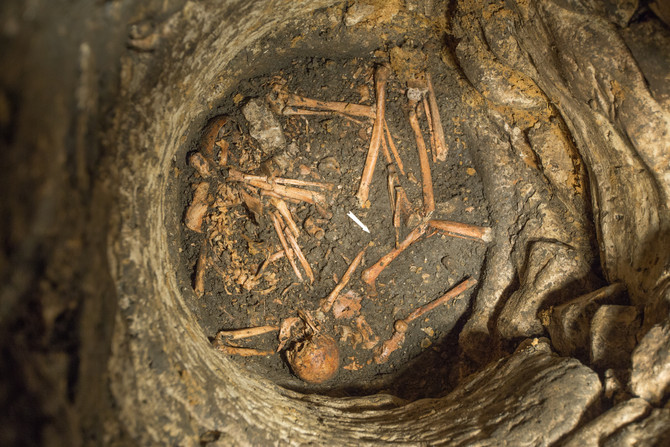
INRAP – Institut national de recherches archaeologiques preventives – recently finished an archaeological investigation of a Roman village, Intaranum. Located in the Northwest of France at the crossroad of an important Roman network of roads it covered more than 120 ha2 of which 1000 m2 has been excavated. The archaeological investigation has uncovered a stretch of a road, a forge and a series of stone houses complete with bathing facilities equipped with hot and cold baths. These were supplied with water from deep wells.
Excavating one of these, the archaeologists found a gruesome collection of human skeletons packed in a layer measuring more than 3 metres. It is estimated that between 20 to 30 bodies were dumped into the well. Representing a collection of men, women and children the people are believed to be of civilian origin.
Even though the wells are from the antiquity, the bodies have preliminarily been dated to the period between the 8th and the 10th century. This leaves us with a number of plausible events, which may indirectly have caused the medieval massacre:
1) In 841 the sons of Louis the Pious – Lothar, Charles the Bald and Louis the German fought at Fontenoy, 25 km north of Entrains – about a days ride up North. Charles the Bald set up camp in Thury, 16 km from Entrains.
2) After 845 the Vikings arrived in the region pillaging not only Paris, Chartres and Beauvais but also Orleans and the Abbey of Saint-Benoit-sur-Loire. The massacre may have been the result of a Viking band of warriors pillaging the countryside, 30 km inland from Loire.
3) The third explanation presented is more general. The massacre may simply have been caused by one of the groups of brigands, which were known to pillage villages before the turn of the millennium, which witnessed the formation of the peace-movement, Pax Dei meant to control anarchy and widespread violence which followed in the weakening of the Carolingian power.
Future studies of the skeletons will hopefully provide a more precise date plus more information about the dead and whether they show signs of mutilations and violence. One possibility is also that the dead people were the victims of an epidemic. However, if this was the case, the question remains why they were not buried in the local cemetery, but rather dumped in a well.
SOURCE:
Au fond du puits, mystérieuse découverte à Entrains-sur-Nohain
INRAP 18.12.2013

The Department of History and Art History is composed of three sections: History, Art History and the Centre for Conflict Studies. The research and education programmes of the History section span the period from Classical Antiquity up to the present day. The department places a special emphasis on the history of Europe, but it also has study and research programmes dealing with the history and culture of the United States, Africa and Eastern and Western Asia.
The department’s Art History section performs research and provides education on the fine arts and architectural history from Classical Antiquity to the present day, with a special emphasis on the Middle Ages. Two research institutes at Utrecht University are involved in the study of Medieval Culture: the Research Institute for History and Art History and the Institute for Cultural Inquiry.
The research group, Medieval Culture, studies primarily medieval sources as forms of communication. Attention is paid to all the different forms – verbal, written and visual – and their interaction. The central questions are: who communicated with whom, for what reasons, and what kinds of message (intellectual, emotional, instructive, inciting, etc.) were exchanged?
The Institute has an impressive profile and a long list of important publications.
Utrecht University offers students various possibilities for studying medieval history, literature, art, music etc., at undergraduate (BA) as well as graduate (MA) level. Tutoring is provided by specialists in a variety of disciplines.

Post-doc position in Medieval History at the University of Utrecht with focus on relics as sacred objects, c. 350-c. 1150

We are pleased to announce the call for papers for Borderlines XVIII: Power and Influence in the Medieval and Early Modern World. This conference will be held in University College Cork, 4-6 April 2014. Proposals for both papers and panels are welcomed from postgraduate and postdoctoral researchers in the fields of both Medieval and Early Modern studies. This interdisciplinary postgraduate conference is kindly funded by the School of History, the School of English, the College of Arts, Celtic Studies and Social Sciences Graduate School, and the Forum for Medieval and Renaissance Studies in Ireland
The theme of this year’s conference will focus on the concepts of power and influence. From political thought to literary authority, the matters of power and influence, in both the Middle Ages and the Early Modern period, form a consistent presence. Their function and interpretation vary and when examining the issue of power, Foucault’s statement that “power must be analysed as something which circulates, or rather as something which only functions in the form of a chain” provides us with the starting point where we can explore the influences of power on these earlier societies.
This conference will explore and extend current perceptions of the roles of power and influence in both Medieval and Early Modern settings and invites papers that address the social, historical, literary, religious and cultural significance of these roles. We welcome papers from researchers in the fields of Anthropology, Archaeology, Codicology, Drama, Digital Humanities, Folklore, History, History of Art, Geography, Languages, Literature, Music, Paleography, Philosophy and Theology. Topics may include (but are not limited to):
• Political power and its structure
• Class system
• Physical power: combat and warfare
• Lack of power and issues of liminality
• Gender roles
• Authority in religion and religious groups
• Power: its presence and absence in society
• Literary authority
• Commerce and economics
• Place and territory
• Depictions of power and powerlessness in art and literature
Abstracts of 250 words plus a short biography for a 20-minute paper are welcomed from postgraduates (MA, PhD and Postdoctoral students), as are proposals for panels, and should be submitted by Friday 31 January 2014 to borderlinesxviii@gmail.com.
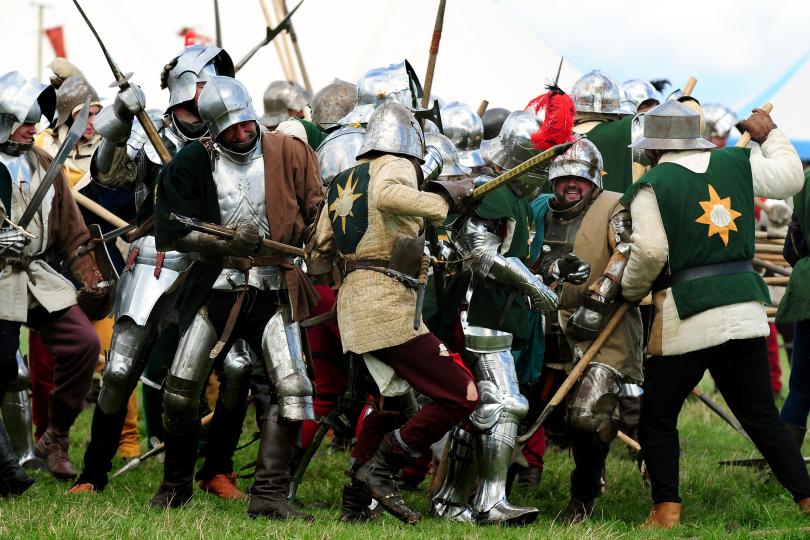
A new course offered for free by the University of Leicester in association with FutureLearn builds a picture of the England that Richard III inhabited in the 15th century—and comes from the scholars in archaeology, history and literature who helped uncover the monarch, whose remains were found underneath a car-park in Leicester in 2012. Over 10,000 people signed up to the first release of the course, and interest in the course has been so high that similar numbers are expected for the second release.
The course, which is already fully booked, will explore a time that saw huge upheavals, including savage dynastic warfare, shifting allegiances among a powerful aristocracy, and significant depopulation. Students will also learn about how workers become more prosperous as wages rose, and how introduction of printing transformed access to literacy and books.
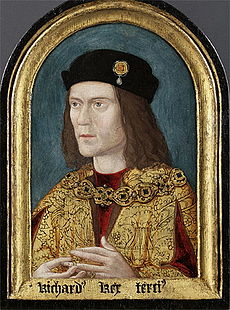
The six week course, starting on the 25th of November, will cover a different feature of Richard III’s England each week, including:
They are no entry requirements, but the course will be taught by leading academics in the field. It will entail about two hours of study a week.
“We think we’ve developed a course that will really enhance your interest and understanding of the period,” said Deirdre O’ Sullivan, Lecturer in Medieval Archaeology in the School of Archaeology and Ancient History. “As well as the way in which scholars go about identifying the questions that need to answered and bringing evidence to bear on them. There are many controversies about the period and we hope that by the end of the course you will armed with enough knowledge to formulate your own views of the credibility, or otherwise, of some of the theories around.”
The course is a MOOC—a Massive Open Online Course, delivered online to enable anyone to enjoy learning—wherever they are, and whether they are enrolled at university or not. They are offered in association with Futurelearn, which is owned by the Open University and currently launched in beta form.
FutureLearn, set up in December 2012, offers free MOOCs in partnership with 23 UK universities and three international institutions, along with the British Museum, British Library and British Council.
This MOOC is the first such course offered at the University.
“At Leicester we’ve got a lot of experience in delivering distance learning courses”, said Deirdre O’Sullivan, “We run a full set of programmes at master’s and undergraduate level, and we’ve been doing this for a long time, so we think we understand the needs of distance learning students.”
Please note that all places are currently filled on this release of the course. Applications for the next release are open; the next course will start in midsummer 2014.
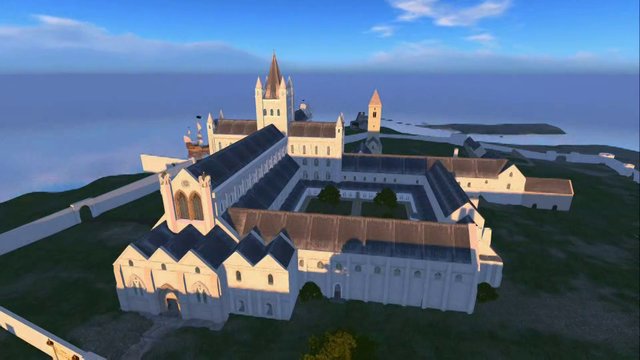
Review: Archaeologists, historians and computer scientists at St. Andrews University is busy exploring new technology to create open worlds for time-travellers
Three months after the foundation stone was laid for Campus Galli, the construction of the medieval monastery is bankrupt...

These Fragments is a blog written by Toby Martin, who has recently acquired a post as a postdoctoral junior research fellow at the University of Oxford. The title of the project is “Origins of a European Community. Creating identity and Networkd with dress in Post-Roman Europe”

Application Address: www.ed.ac.uk/jobs
Location: Edinburgh University
Salary: £30,424 – £36,298
Contract type: Full time
Contract term: Temporary
The University of Edinburgh
The University of Edinburgh is an exciting, vibrant, research led academic community offering opportunities to work with leading international academics whose visions are shaping tomorrow’s world.
College of Humanities and Social Science
School of History, Classics and Archaeology
Teaching Fellowship in Late Medieval History
(18 months)
£30,424 – £36,298
Applications are invited from scholars of the highest calibre with teaching experience in any aspect of the late European Middle Ages (c.1200-1450). You will have expertise in any area of late Middle Ages, but preference will be given to those with knowledge in European history.
This post is tenable from January 2014 on a full time, fixed term basis for eighteen months.
Apply online, view further details or browse more jobs at our website. www.ed.ac.uk/jobs
Closing date: 13 November 2013.
Committed to Equality and Diversity, The University of Edinburgh is a charitable body, registered in Scotland, with registration number SC005336.