Ever so often we stumble on some minor medieval news, which do not merit a full article, but nevertheless deserve a short notice.

Ever so often we stumble on some minor medieval news, which do not merit a full article, but nevertheless deserve a short notice.
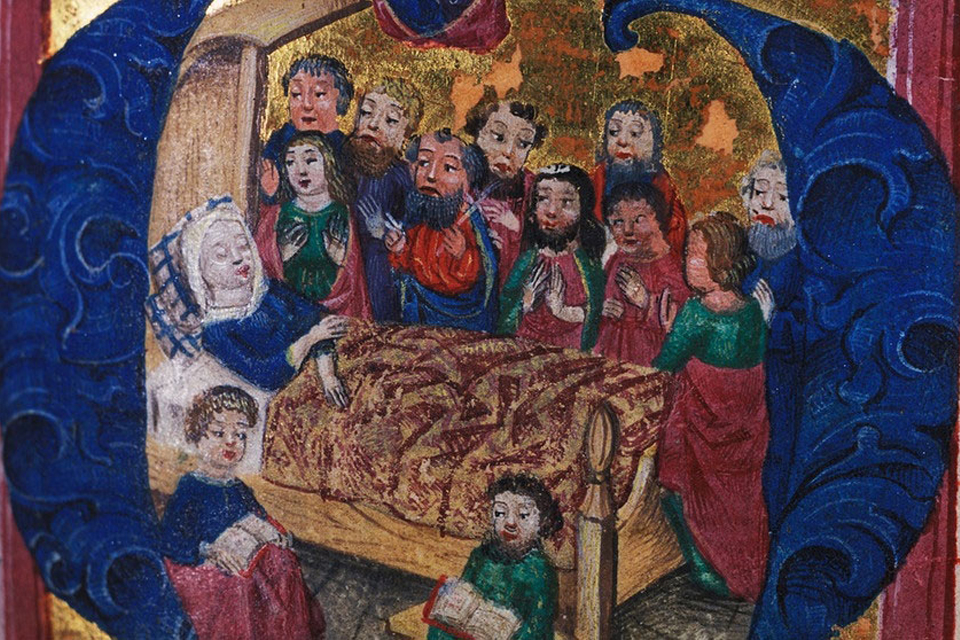
In December 2015, the Munich Diocese decided to close the Bridgettine Abbey in Altomünster. The future fate of the priceless collections is unknown.
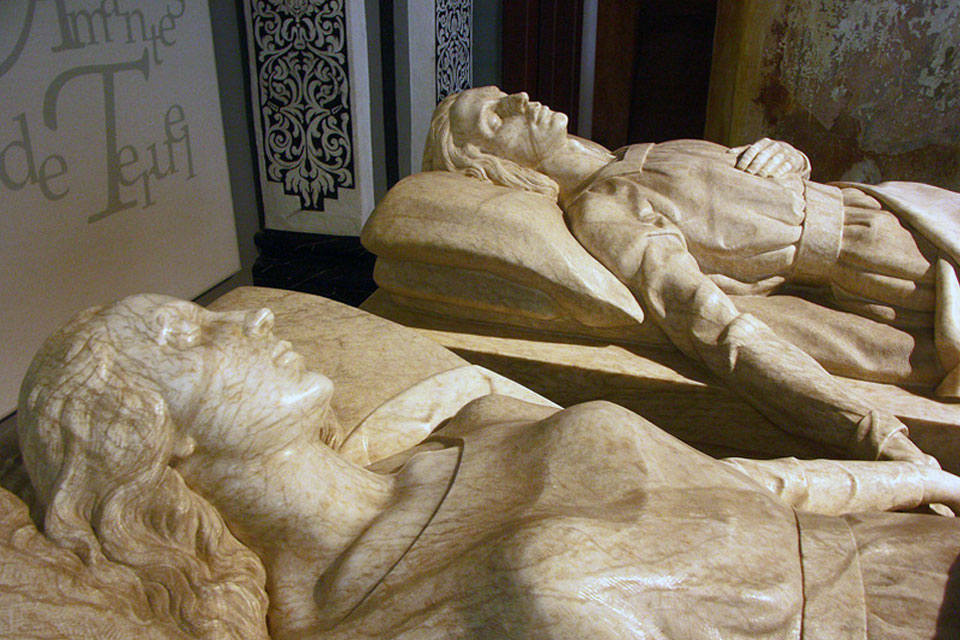
The Story of the Lovers of Teruel published in the 16th c entury is said to have a medieval tragedy at its core.
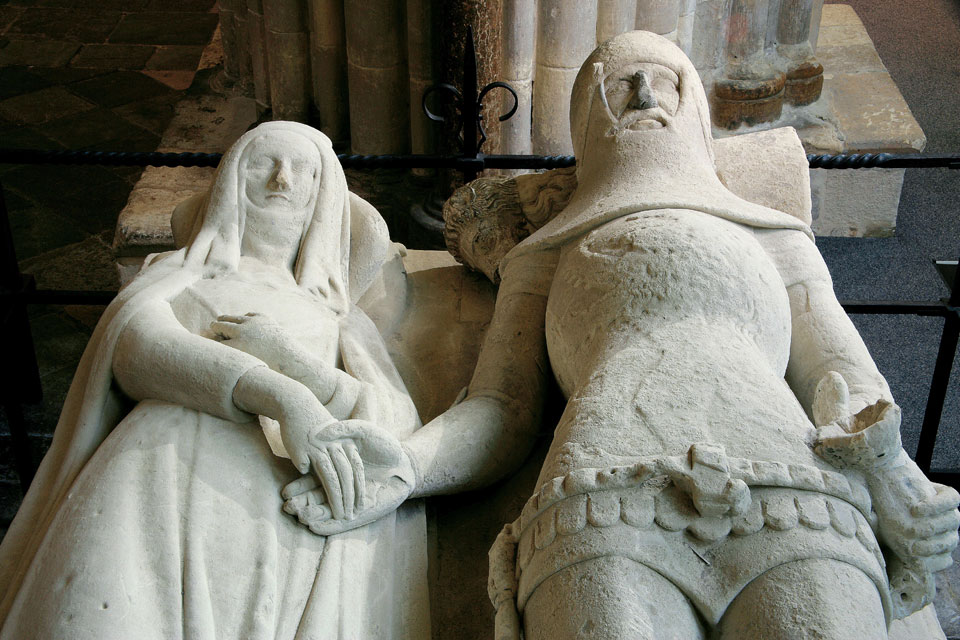
A memorial for Philip Larkin has been revealed in the Poets’ Corner in Westminster Abbey. This invites us to ponder the medieval Arundel Tomb, which inspired him
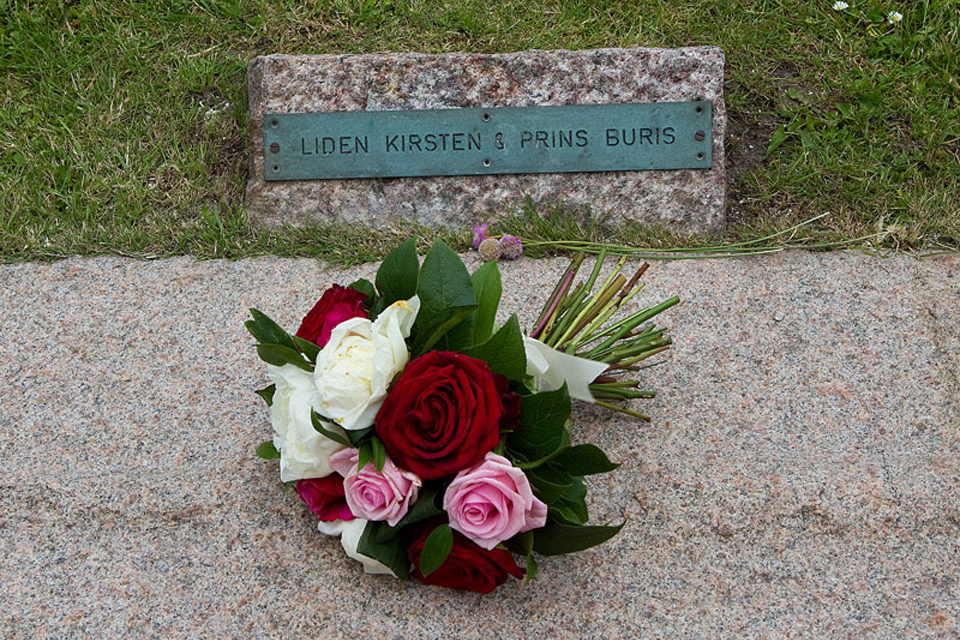
In Vestervig in Northern Jutland newly wedded brides place their wedding bouquets at a 13th century medieval tombstone. Why is that?
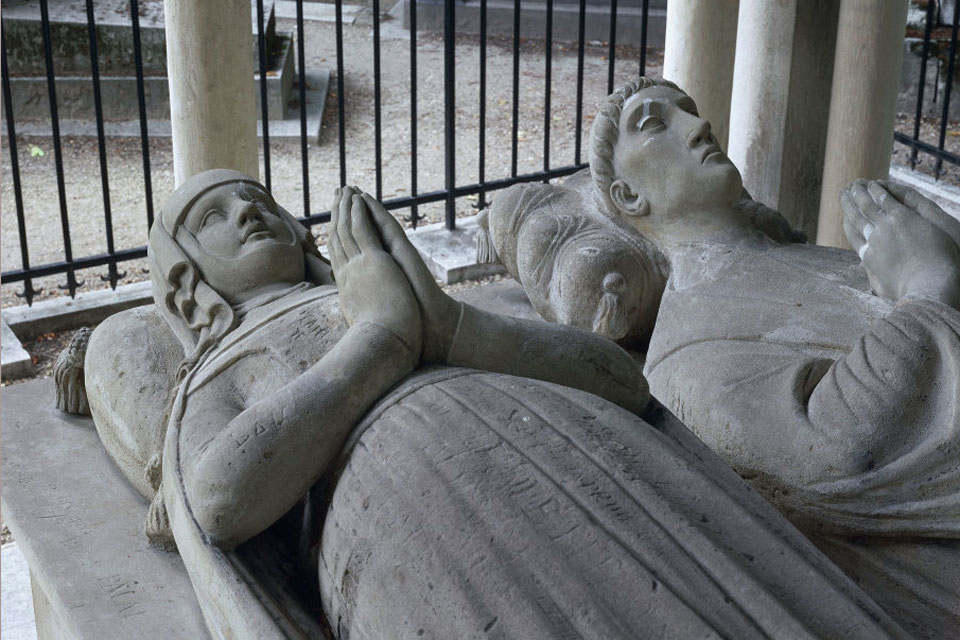
Abelard and Heloise have left us some of the most heart-wringing and evocative love letters ever written. In the 19th century a cult developed among lovelorn youngsters at Père Lachaise
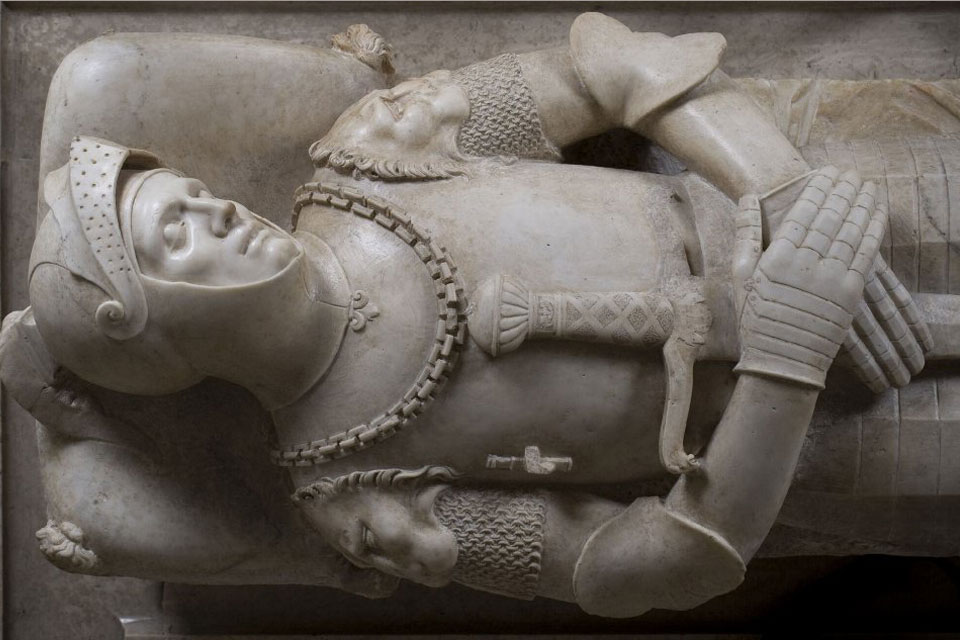
Guidarello Guidarelli (* Ravenna, c. 1450, † Imola, 06.03.1501) was an Italian military leader in the service of Cesare Borgia. He is famous for his effigy

Although founded as the seat of a bishop in the 11th century, it took more than 150 years before Linköping began to look like a proper city.
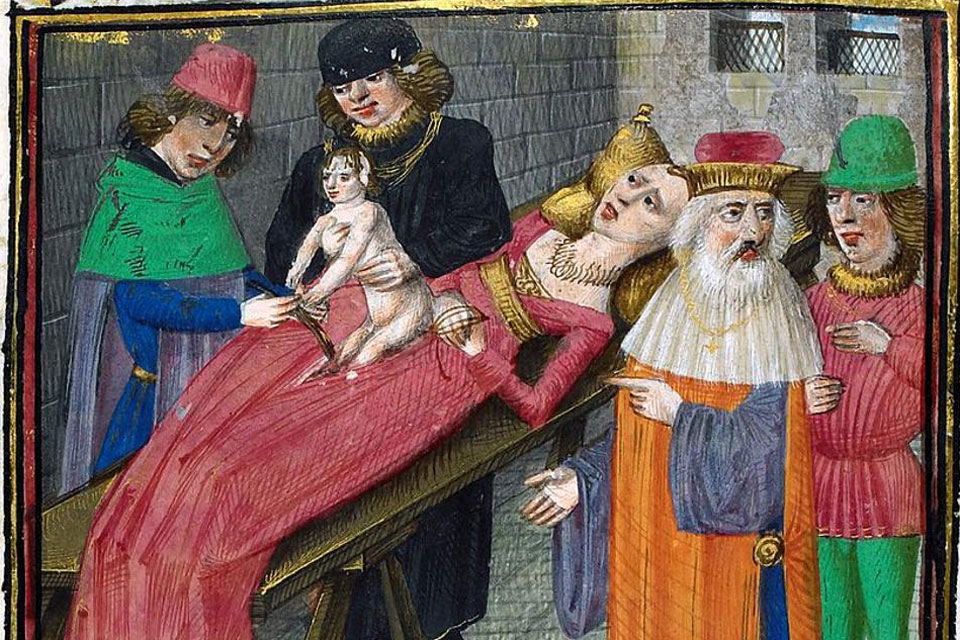
New Czech study raises the question whether a caesarean section was successfully carried out in Prague in the 14th century.
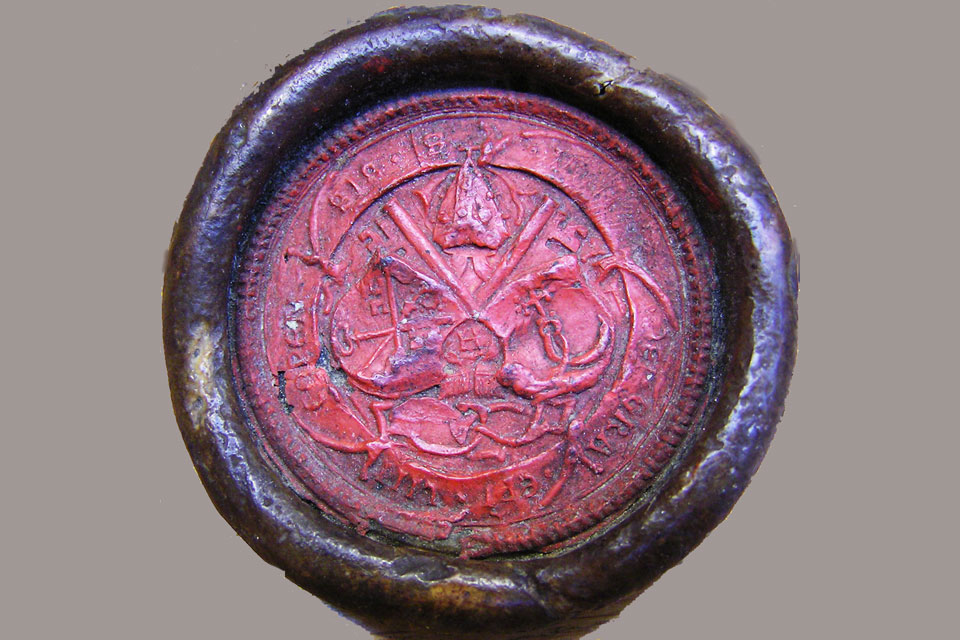
Hans Brask was bishop of Linköping in Östergötland from 1513 – 1527. He is primarily known for his household book with calendar, menus and regulations
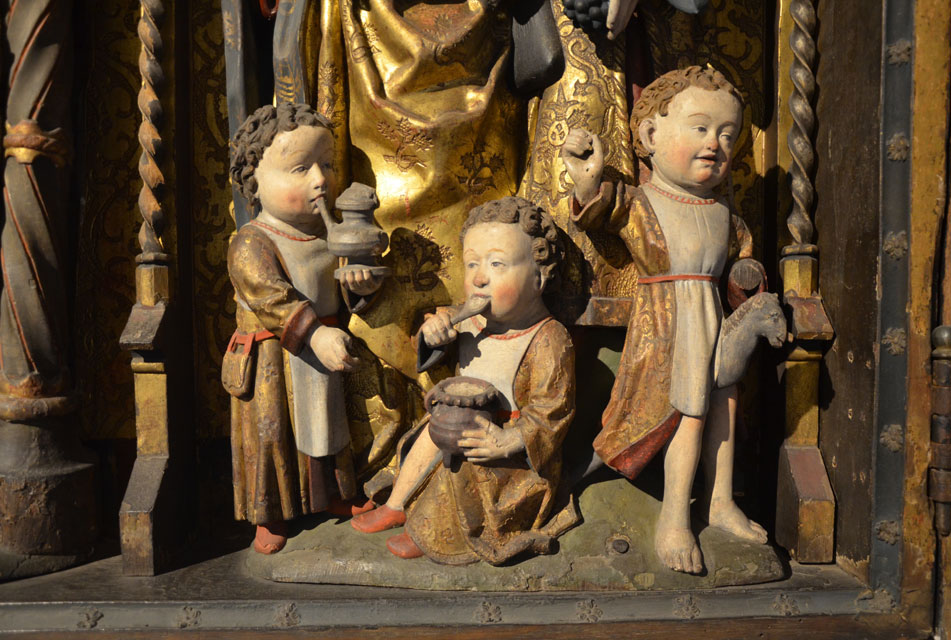
In Late Medieval Germany, Christmas turned into a family event. How did this come about and why?

Was the medieval Christmas primarily a religious feast? Or a boisterous folk-festival? The answer is probably both!

We may feel that nature is given. But it is also a significant cultural and historical construct. New book offers introduction to environmental history
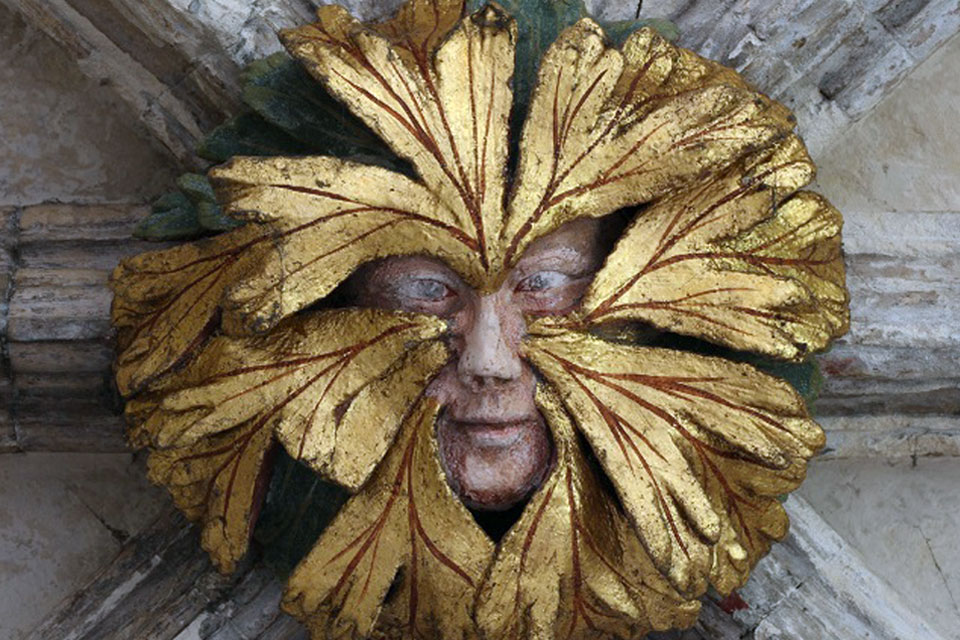
Environmentalism covers the ancient idea that environments and climate influences our mentalities. New book offers an introduction
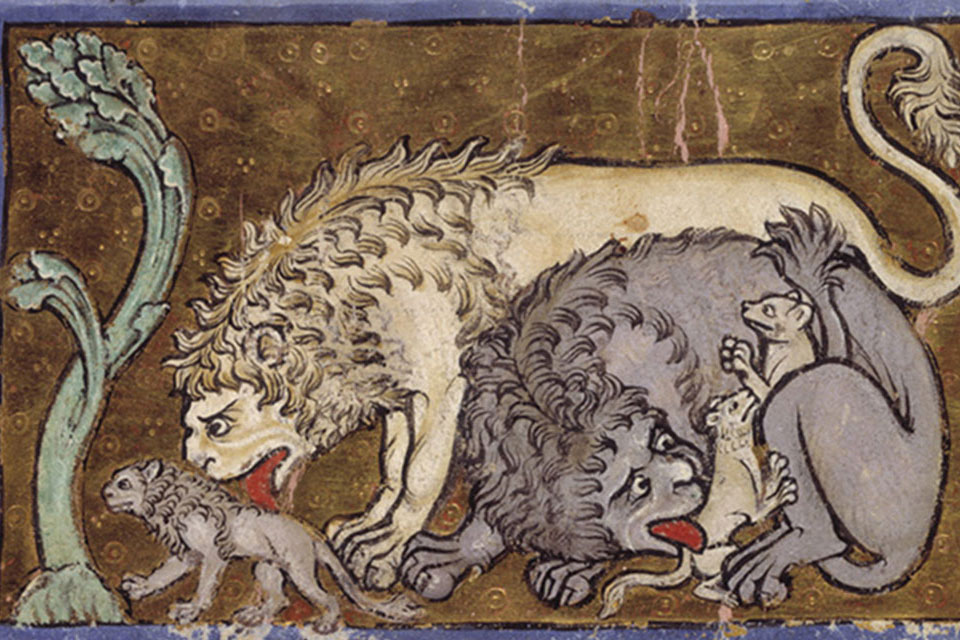
New series in environmental humanities aim to offer interdisciplinary approaches to medieval, early modern, and global pre-industrial cultures
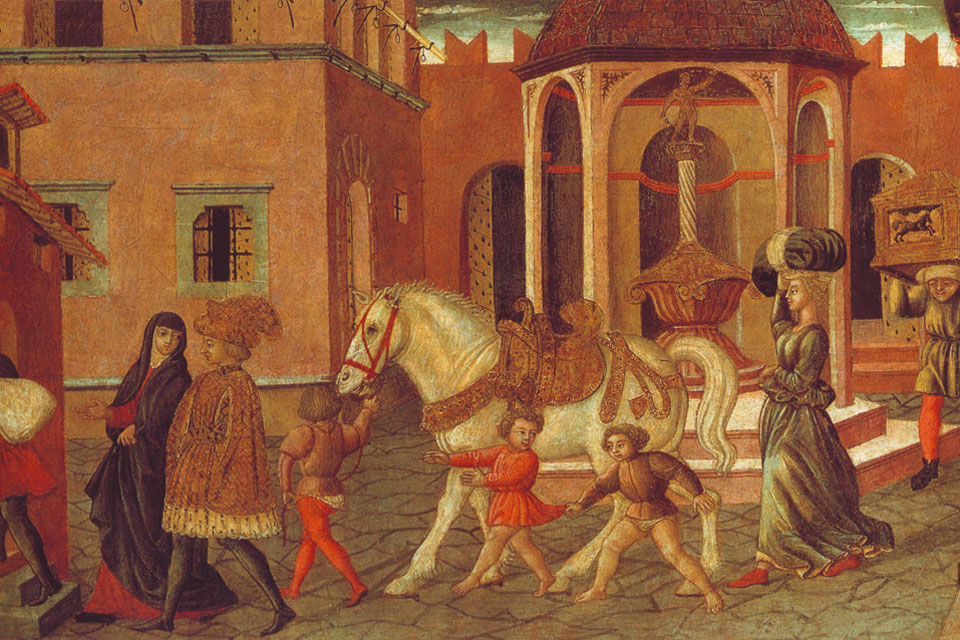
Cassoni are known as bridal chests made in Italy from the 14th to the 16th centuries. Lavishly painted, they were gifted by the groom to the bride.