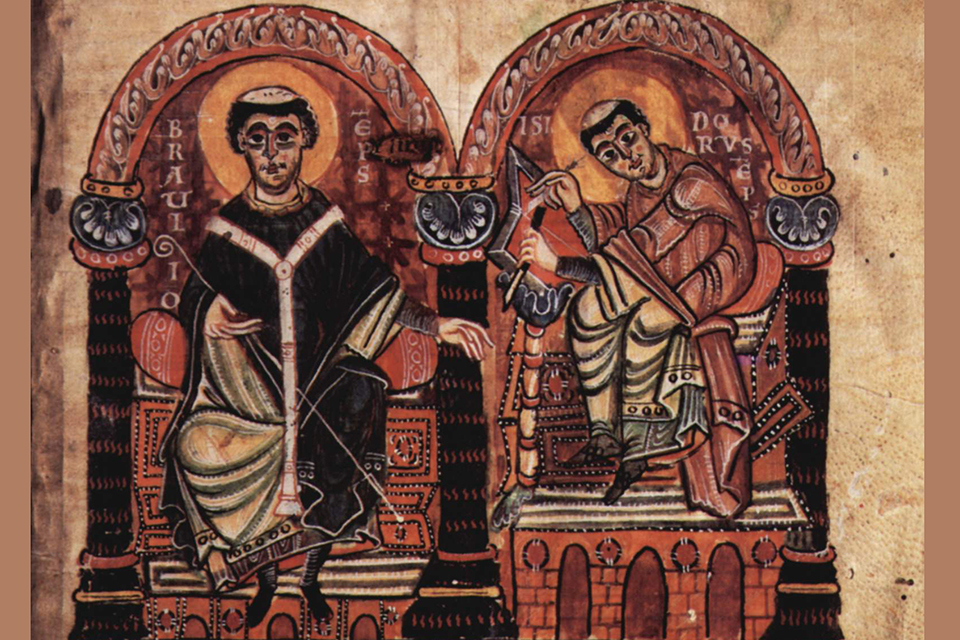
Isidore of Seville was a renowned scholar, theologian, and archbishop who lived in Visigothic Iberia from around AD 560 to 636. He had a profound influence on education and scholarship in Medieval Europe.
Some of the dyes used in the Heroes Tapestry in the Metropolitan from around 1400 have been identified as stemming from lichen.
The aDNA studies of the Avars, a Mongolian people who settled in the Carpathians in the 6th century, continue to yield new and fascinating insights into the formation of close-knit ethnic groups.
The plague is caused by a zoonotic bacterium, Yersinia pestis. First isolated in 1894, it was identified as the cause of the Hong Kong Epidemic. Later, in the 20th century, the same bacteria were shown to have caused the Black Death. Recently – due to studies of the aDNA – Yersina pestis have also been shown to have caused the Justinian plague as well as very recently epidemic events in prehistory 2800 BC. Also – which the article does not refer to – the discovery of the likely role of a plague epidemic following in the footsteps of the Yamnaia.
During its natural history, the pathogen has undergone numerous mutations at different rates, transforming it from a variant of Yersinia pseudotuberculosis to more or less virulent Yersinia Pestis, traditionally divided into three bio-variations termed the Antiqua, the Medievalis, and the Orientalis – named after three major epidemics, the Justinian Plague, The Black Death, and the Hong Kong epidemic. The three variants may still be found in reservoirs in respectively Central Asia, Siberia and Russia (the Antiqua), Central Asia (the Black Death), and China (Orientalis). However, the biotypes intermingled – also historically. To this should be added the knowledge, that the bacterium mutated while the different waves of an epidemic played out.
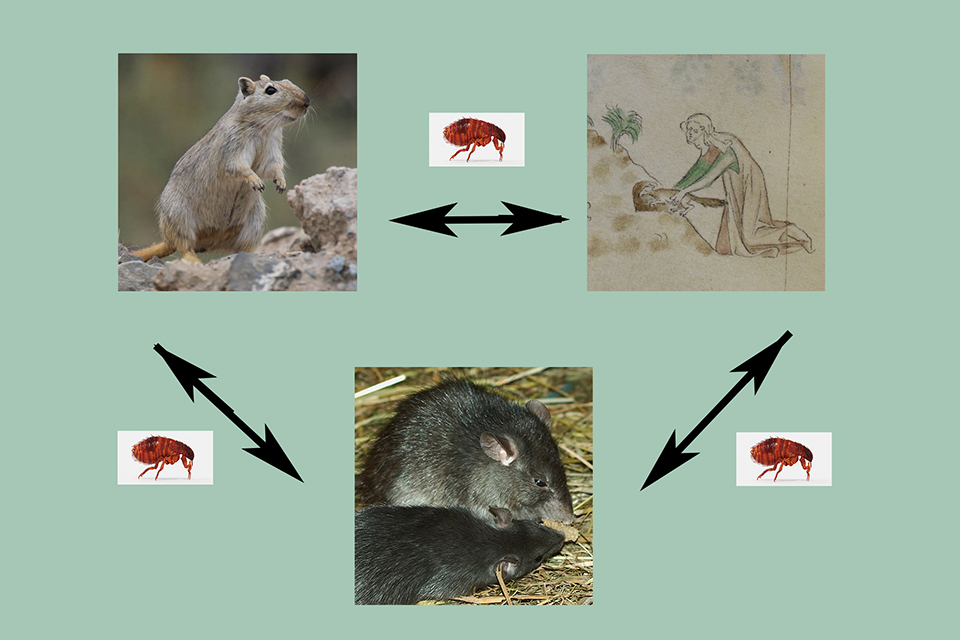
Transmission to humans from carriers typically happens via flea bites, but it can also follow through direct contact with infected animals for instance by handling or eating them, or by inhaling aerosols from patients. Modern incidents tell of infections from squirrels, but also via predators infected from carcasses (Pumas in Yellowstone). Plague comes in three forms – bubonic, septicemic and pneumonic. While people can survive bubonic plague, the septicemic and pneumonic forms are 90-100% deadly.
Yersinia Pestis is a highly virulent pathogen known to infect over 200 different mammals. Of these, more than 351 species of rodents can act as hosts, and 279 have been identified as plague carriers. Thus, the former focus among historians on the rat as the main vector would seem to be excessive. Marmots may have played a significant role in the northern parts of Europe, causing the epidemics known as the Sylvatic or (wild) plagues spreading among groundhogs, great gerbils, squirrels, prairie dogs, rabbits, and water voles. Although human contact may at first sight be expected to be rare, hunters and trappers in Siberia and further west into Scandinavia, would historically be daily exposed, thus explaining the heavy toll that the Black Death also had in secluded spots in Norway and Sweden (as well as during the Justinian plague in Bavaria). Today, the so-called wet markets in China and Asia are not just potential petri dishes for viruses like Covid but also plagues.
As opposed to the Sylvatic plagues, the Urban form is epidemic and relies on rats as the hosts and fleas as the vectors. However, the epidemic character of the urban plague has also to do with the fact that written documentation describes them as such. As opposed to this, the sylvatic form is only known from archaeology and paleo-genomics, leading to a more confused impression, such as the puzzlement forged by the pattern of infections and mortality in Norway (with no particular black rat population in the interior, see Benedictow).
Exactly how lethal the different plagues hit, has been debated. Currently, though, the opinion is that the plagues hit hard, albeit at different levels in different regions and types of settled areas, ranging – during the Black Death – between 30 – 50% with averages of 45%. The recurrent infections also raise questions which need to be addressed in the future. As is known, the Black Death was not just a one-off epidemic hitting Europe harshly between 1348-51. For at least 350 years, outbreaks continued. Were they sourced in natural reservoirs? Or did they take place due to the constant mutations of the bacterium and its ability to bypass the developing immune system of people?
One particular element to be considered in the future (and which the review does not consider) will be the interplay between climate deterioration and the four great plagues. The plague victims discovered in graves from 3000-2800 BC, played out during the so-called neolithic decline when a unique combination of solar activity, cosmic rays and decentering of the geomagnetic fields took place. This might be compared to the chronological correspondence between the volcanic-forced LALIA AD 536-41 and the Justinian plague. Finally, the climatic downturn took in the later Middle Ages, which ultimately leading to the Little Ice Age coincided with the eruption of the Black Death. The mechanism appears to be the increase in the number of rodents seeking food and shelter at times of famine. Also, less favourable climatic conditions may cause rodent populations to collapse, forcing the fleas to migrate to other mammals; that is people.
The Natural and Clinical History of Plague: From the Ancient
Pandemics to Modern Insights
Antoni Bennasar-Figueras
In: Microorganisms, January 2024. Open Source
Yersinia pestis: the natural history of plague.
By Barbieri, r., Drancourt, M. et al.
In Clinical Microbiology Rev 34:e00044-19
Emergence and Spread of Basal Lineages of Yersina pestis during the Neolithic Decline
By Nicolas Rascovan, Karl-Goöran Sjögren, Kristian Kristiansen, Rasmus Nielsen, Eske Willerslev, Christelle Desnues, Simon Rasmussen
In: Cell 2019, vol 176, pp 295 – 305
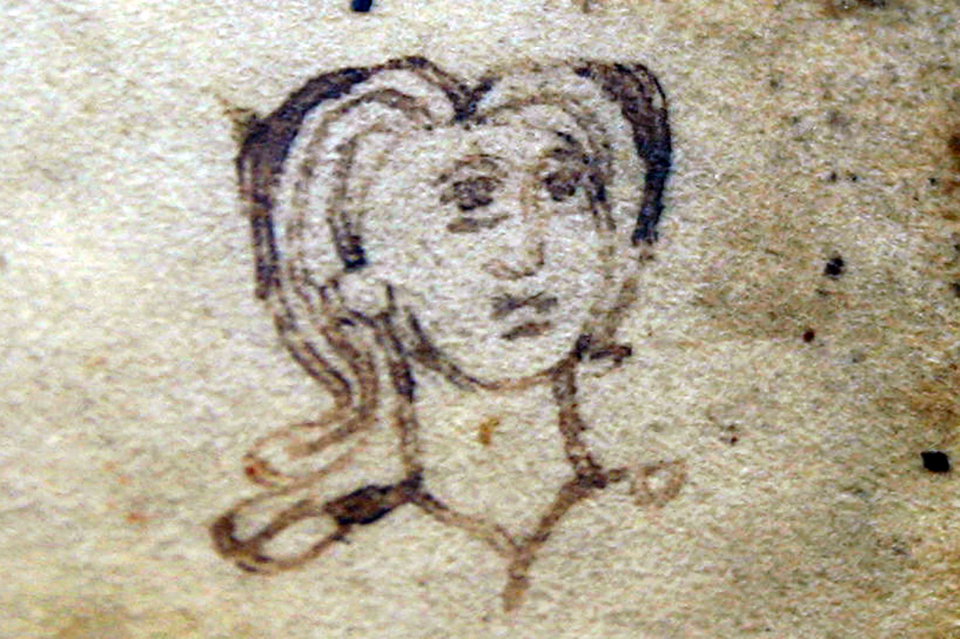
Millstatt was founded c 800 by the Duke of Carinthia, who built the first church after he allegedly destroyed one thousand pagan statues by throwing them into the lake. A later Abbey housed a significant collection of texts in high medieval German literature
People are increasingly obsessed with their "identity" and the process of "othering". The question, though, is: who is in charge of the labelling? People themselves? Or their surroundings? Archaeology in Galicia has a story to tell
… the obstacles that made me fail did not come from men; they all came from the elements. In the south, the sea has been my undoing; in the north, the burning of Moscow and the cold of winter. Thus water, air, and fire, all of Nature, nothing but Nature-these have been the enemies of a universal regeneration which Nature herself demanded!
Napoleon Bonaparte, in exile on St. Helena, 1816 (Quoted by Charles Travis)
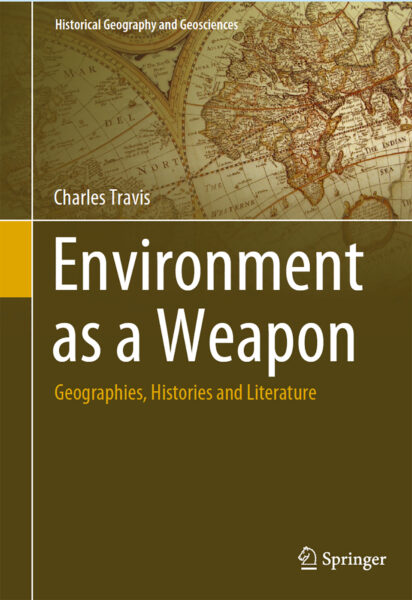
Environment as a Weapon
By Charles Travis
Springer Verlag 2024
The book “Environment as a Weapon” considers how the confluence of war and nature from the time of the Agricultural Revolution (10,000 BCE) to our present day has been represented in works of history, geography, and literature. In the Epic of Gilgamesh, the Torah, Greco-Roman myths, and the New Testament, warfare is a trope commensurate with environmental disasters, extreme climate, and plague.
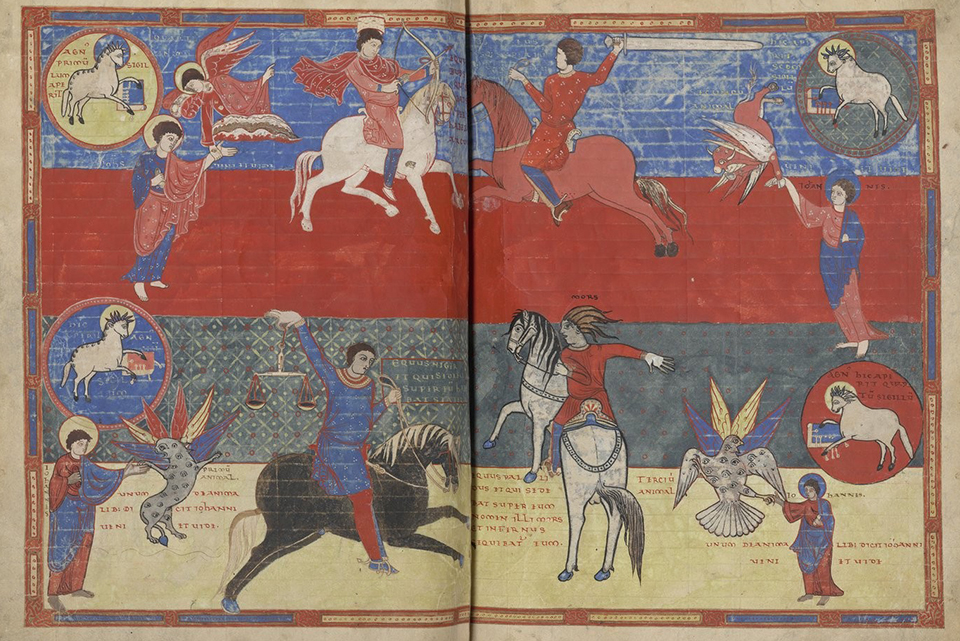
One of the more pregnant vignettes of this may be found in the motiv of the Four Apocalyptic Horsemen. However, other stories sets the scene for similar horrors. To name but a few, the Táin and Beowulf environments become allies and enemies in the Middle Ages. Somewhat later, the equestrian steppe is considered as the foundation of Genghis Khan’s Pax Mongolica, and is chronicled in The Secret History of the Mongols and The Travels of Marco Polo. The West African Griot legend of Sundiata and the Little Ice Age wreck of the Spanish Armada in 1588 speak to oceanic and atmospheric dimensions of warfare. Further up in history, the motiv become even more pronounced. Thus, during the American Revolution political pamphlets, poetry, diaries and weather logs reflect the severe weather and terrain deployed by George Washington’s early campaigns in the War of Independence. Napoleon’s midwifing of Total War is captured in Mary Shelley’s Frankenstein, Leo Tolstoy’s War and Peace, and Charles Minard’s carto-graph, Carte Figurative of the disastrous 1812 French invasion of Russia. The U.S. Civil War and the industrial-organic assemblages of its battles, arguably the first Anthropocene War, are parsed by the clarifying poetry of Emily Dickinson. Geopolitik and geo-hazards of flood and fire feature in the Global War works of Samuel Beckett, Kurt Vonnegut, and James Dickey. The literature of Vietnamese and American war combat veterans reveals how North Vietnam’s Environmental Military Complex stalled the American Military Industrial Complex in the jungles, and R&R districts of southwestern Asia. Finally, the sci-fi of H.G. Wells’ World Set Free and David Mitchell’s Cloud-Atlas frame Oppenheimer’s sub-atomic deployments at Hiroshima and Nagasaki, James Lovelock’s “Gaia,” and U.S. military discourses situating global warming as a national security threat to America.
Indeed, Environment as a Weapon ironically resonates with U.N. Secretary General António Guterres proclamation that “Seventy-five years ago, when the world emerged from a series of cataclysmic events: two successive world wars, genocide, a devastating influenza pandemic, our founders gathered in San Francisco promising to save succeeding generations from the scourge of war.” And yet, there we are once again, witnessing the environmental horrors which followed in the wake of the destruction of the Kakhovske Dam.
Thus, a holistic approach to studying and mitigating the human and environmental impacts of warfare would benefit from integrating approaches in the arts, humanities, and sciences, to better understand how the historical geographies of the Earth’s planetary systems have been perceived and deployed. Seemingly in the twenty-first century, these systems have emerged as agents of warfare, with the lithosphere, hydrosphere, cryosphere, biosphere, and atmosphere transforming into the Earth’s arsenals to combat anthropogenic climate change. Geographers, historians, and scholars in environmental studies, climate change, literature, and military studies, as well as the broader environmental humanities will find this book of interest as humanity grapples with the wicked and existential question of global warming. Medieval historians of warfare may enjoy the geographer battling with Beowulf and the Táin Bó Cúailnge.
Charles Bartlett Travis IV, Professor at University of Texas-Arlington, Arlington, USA
Four horsemen in the Apocalypse of St Sever Beatus from the 11th century. Source: Bnf/wikipedia/open domain
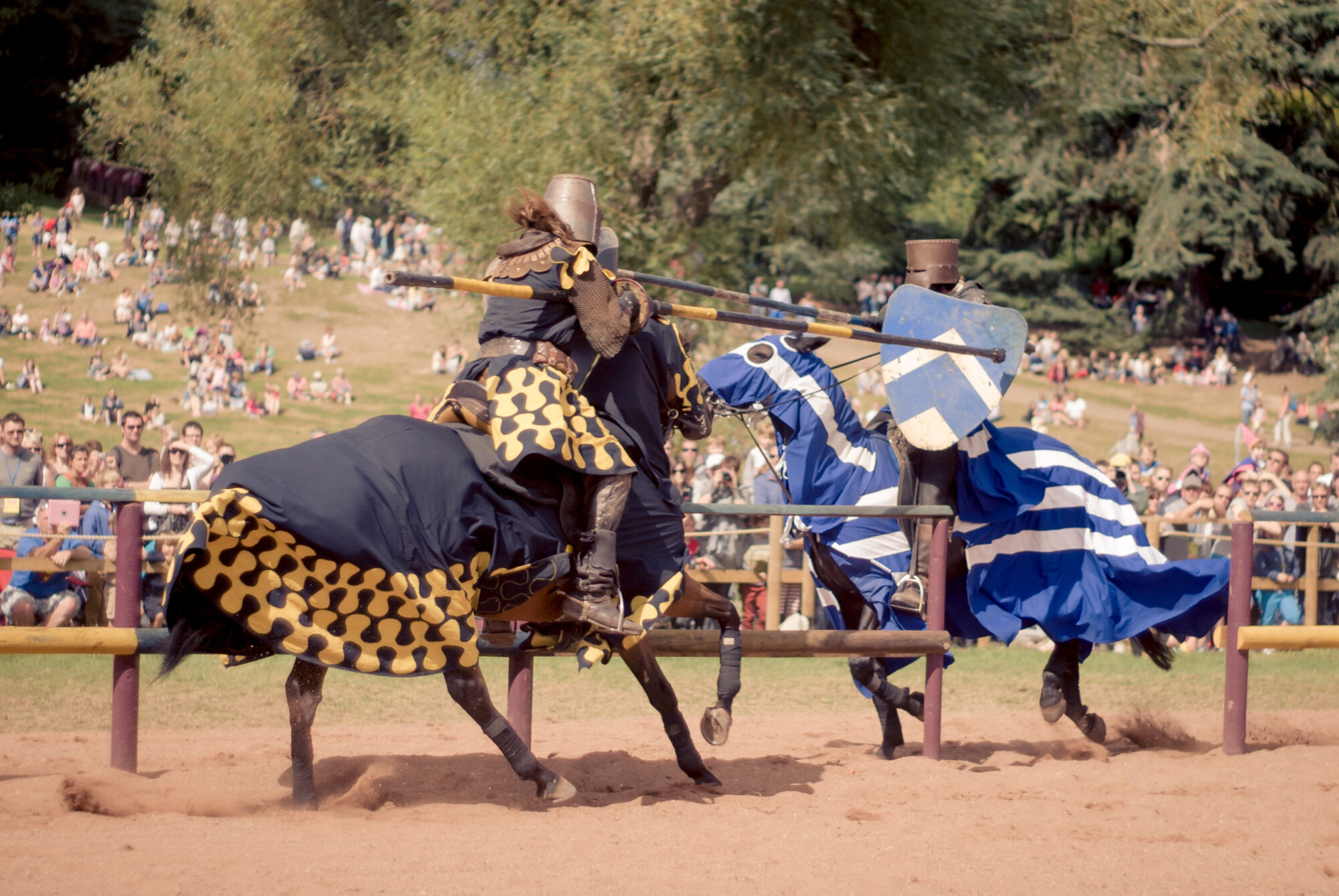
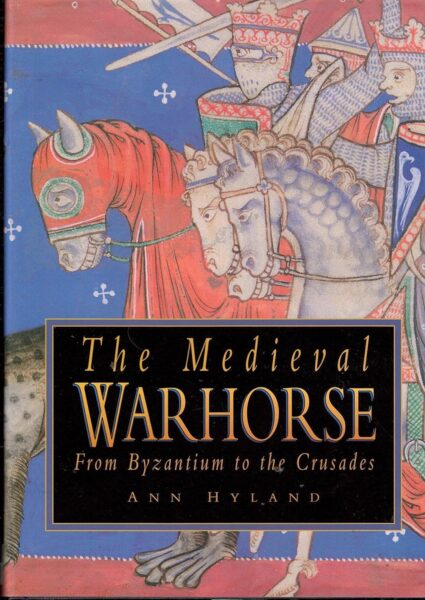
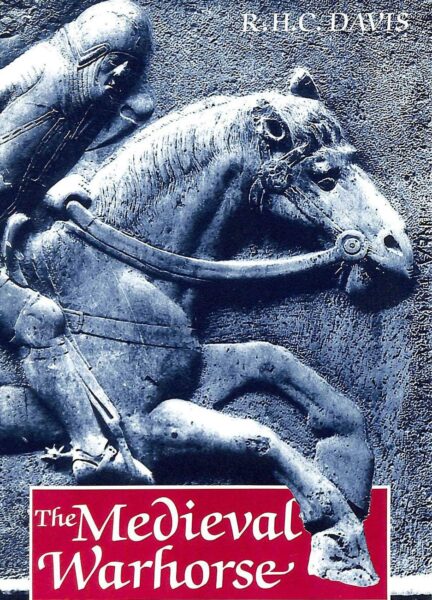
If your car was a horse, which one would you prefer to ride if you belonged to the Medieval elite? And why? This question is answered by a new archaeological analysis of an animal cemetery in London discovered thirty years ago. Not a locally produced, it appears. Newly published results from an archaeological analysis show how late medieval and Tudor elites imported superior animals to the UK for jousting and as status symbols.
Using advanced archaeological science techniques, including studying chemical composition, researchers have been able to identify the likely origins of several physically elite horses and the routes they took to reach British shores during the formative years of their life.
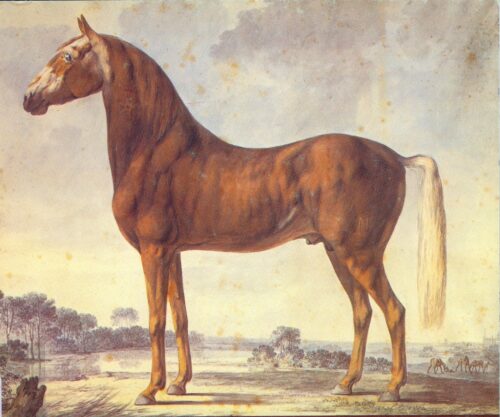
These animals – akin to modern supercars – were sourced from a variety of locations across Europe specifically for their height and strength and imported for use in jousting tournaments and as status symbols of 14th- to 16th-century life. They include three of the tallest animals known from late medieval England, standing up to 1.6 metres or 15.3 hands high, which while quite small by modern standards would have been very impressive for their day.
The skeletons of the horses were recovered from a site under the modern-day Elverton Street in the City of Westminster, which was excavated in advance of building works in the 1990s. In medieval times, the cemetery would have been located outside the walled City of London but was close to the royal palace complex at Westminster.
The research, led by the University of Exeter, and funded by the Arts and Humanities Research Council, is published in the latest edition of Science Advances.
“The chemical signatures we measured in the horse’s teeth are highly distinctive and very different to anything we would expect to see in a horse that grew up in the UK,” said Dr Alex Pryor, Senior Lecturer in Archaeology and lead researcher. “These results provide direct and unprecedented evidence for a variety of horse movement and trading practices in the Middle Ages. Representatives for the King and other medieval London elites were scouring horse trading markets across Europe seeking out the best quality horses they could find and bringing them to London. It’s quite possible that the horses were ridden in the jousting contests we know were held in Westminster, close to where the horses were buried.”

In the first experiment of its kind to be conducted on medieval horse remains, the researchers took 22 molar teeth from 15 individual animals and drilled out portions of the enamel for isotope analysis. By measuring isotope ratios of the elements strontium, oxygen and carbon present within the teeth and comparing the results with known ranges in different geographies, the team was able to identify the potential origin of each horse — and accurately rule out others, including prime European horse-breeding centres such as Spain and southern Italy.
The scientists writes that at least half of the horses had diverse international origins, possibly Scandinavia, the Alps and other northern and eastern European locations. The results, the researchers conclude, were consistent with the breeding patterns of royal stud farms, where horses would reside until their second or third year, before they would either be broken and trained or sent elsewhere to be sold.
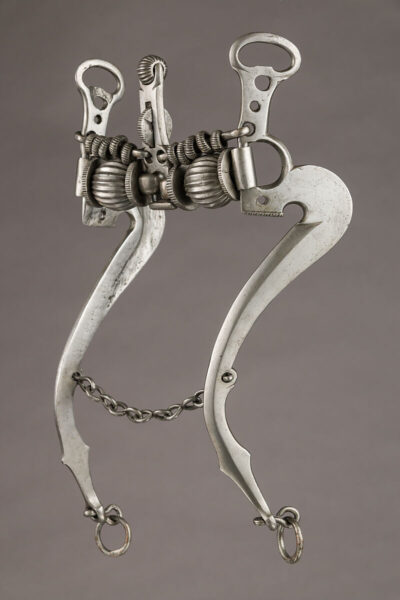
Physical analysis of the teeth revealed wear suggestive of heavy use of a curb bit, often employed with elite animals, especially those groomed for war and tournaments after the 14th century. Bit wear on two of the mares also suggested they were used under saddle or in harness and for breeding. And analysis of the skeletons revealed many of them to be well above average size, with several instances of fused lower thoracic and lumbar vertebrae indicative of a life of riding and hard work.
“The finest medieval horses were like modern supercars — inordinately expensive and finely tuned vehicles that proclaimed their owner’s status,” added Professor Oliver Creighton, a medieval specialist at the University of Exeter and part of the research team. “And at Elverton Street, our research team seem to have found evidence for horses used in jousting – the sport of kings, in which riders showcased their fighting skills and horsemanship on elite mounts.
“The new findings provide a tangible archaeological signature of this trade, emphasising its international scale. It is apparent that the medieval London elite were explicitly targeting the highest quality horses they could find at a European scale.”

Some of the horses excavated in London may have come from the famous stud farm at Esrum in Northern Zeeland in Denmark.
In the Middle Ages, Esrum was famous for its horses, bred on a mixture of Frisian horses and imported horses from Andalusia providing a combination of muscle and speed. This stud farm was a major income for the Cistercians at Esrum, who achieved special permission in 1184 to breed and sell their horses if the income was sent to Citeux in France, from where it was redistributed to newer and less wealthy monasteries. After the Reformation, the King took over Esrum Monastery and its stud and moved it to Frederiksborg. Here, the ancient breeding of the “Frederiksborger” is still carried out. We know, the export of horses played a large role in the Danish economy in the Middle Ages.
If some of the horses in London were Danish, they might have arrived as gifts from the Danish King, Erik of Pommerania, who was married to an English Princess, Phillipa in 1405. Part of her trusseaux consisted of two wagons and eight equestrian harnesses and saddles, but no horses. Apparently, even if she had a favourite pony, she might be expected to be provided for properly at her arrival in Denmark. Why bring candy to the chocolate factory?
Tournament. © Jenna Goodwin 71183546 Dreamstime
Press release from University of Exeter: Original written by Andrew Merrington.
Isotopic biographies reveal horse rearing and trading networks in medieval London.
By Alexander J. E. Pryor, Carly Ameen, Robert Liddiard, Gary Baker, Katherine S. Kanne, J. Andy Milton, Christopher D. Standish, Bastian Hambach, Ludovic Orlando, Lorelei Chauvey, Stephanie Schiavinato, Laure Calvière-Tonasso, Gaetan Tressières, Stefanie Wagner, John Southon, Beth Shapiro, Alan Pipe, Oliver H. Creighton, Alan K. Outram.
In: Science Advances, 2024; 10 (12) DOI: 10.1126/sciadv.adj5782
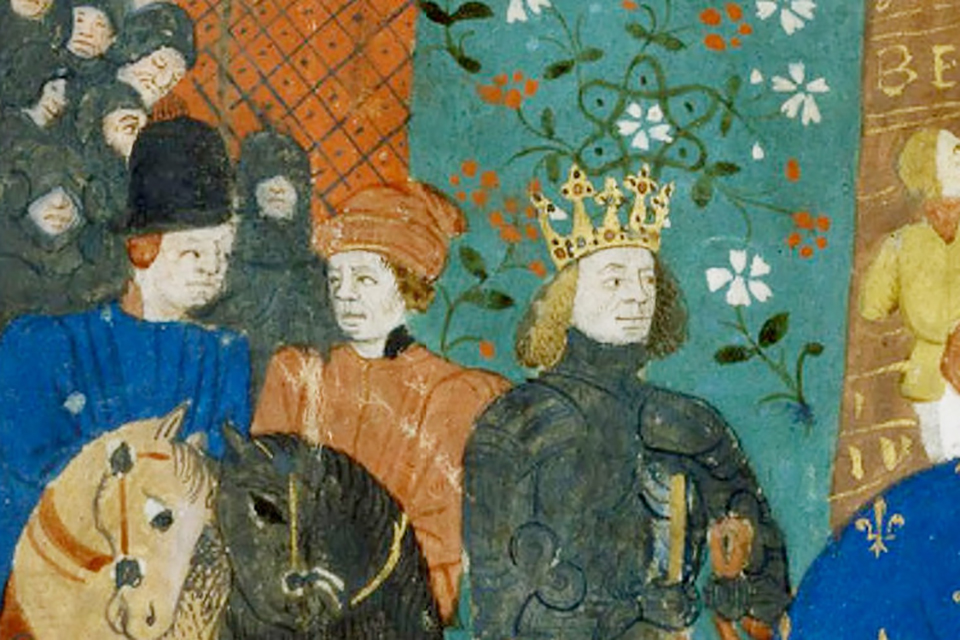
The French king, Charles VII is known for his long reign and his success in ending the Hundred years' War. But he also presided over the gradual employment of numerous bourgeois jurists and merchants paving the road for the shift from charismatic to bureaucratic leadership.
Medieval Conferences lists major events - check out the dates and see what is happening around the Medieval World in 2022
The 11th century Imperial Robes in Bamberg are some of the oldest preserved royal garments. They form a unique ensemble from the 11th century. New research project aims to get a better understanding of their original design and outlook.
For some historians (Reynolds 1984), feudalism is a concept created in the 17th century and used in the 19th century to describe the world before the more enlightened times of modernity. For others, it has acted primarily as a conceptual opening to explore the endless complexities of economic and social ties in the Middle Ages in the Maconnais, in Bourgogne or elsewhere.
Archaeology, however, has, during the last fifty years, uncovered a series of clear breaks in the European landscapes in the 10th and 11th centuries, demarcating feudalism as a distinct new socio-economic way of living and thinking about the world. These findings correspond to the history written by several French historians from the Annales School, who took pains to explore these new ways of thinking about land, tributes and taxes and the corresponding system of obligations welded into the fabric of medieval society in the High Middle Ages. (c. 1000 – 1300)
This new and transformational way of thinking originated in a world devoid of towns, money and markets. Instead, the cultural habits were based on economies of gifts, barters, and trading ventures. Here, a tribal outlook governed the social and economic relations among people wherever the iron grip of the Carolingian world order did not reach. Which was, in fact, not pervasive throughout Europe in the 8th and 9th centuries.
In the post-Carolingian world, budding feudalism organised a world gradually marked by private fortified homesteads, villages, and an economic upsurge in material wealth for the wider society. This materialism took off in the 9th century and flourished in the 10th century and later. Arguably, this shift was part of the interplay between centres and peripheries, leading to (among other alterations) the swinging seesaw between Carolingian France and Ottonian Germany.
More precisely, feudalism is generally understood as a reflection of the
As such, feudalism and feudal domination constituted a mode of production based on a specific organisation of exploitation of landed wealth and supported by the theology and religious thinking of the times. In time, it fostered a distinct lifestyle, the epiphenomena of the Middle Ages’ social and material culture and outlook.
Central to the outlining of the concept of feudalism were the works of French historians such as Marc Bloch (1886-1944), François-Louis Ganshof (1895-1980), Georges Duby (1919-96) and Jaques le Goff (1924-2014).
The latter two were primarily inspired by Marc Bloch and his definition based on the following characteristics: a peasantry consisting of tenants, a distinct warrior class, a cultural thinking based on violence, protection and obedience called vassalage, a fragmentation of state-sponsored rule and monopolised violence framed by dynastic thinking about familial and associative thinking.
“European feudalism should, therefore, be seen as the outcome of the violent dissolution of older societies. It would, in fact, be unintelligible without the great upheaval of the Germanic invasions, which, by forcibly uniting two societies originally at very different stages of development, disrupted both of them and brought to the surface a great many modes of thought and social practices of an extremely primitive character. It finally developed in the atmosphere of the last barbarian raids. It involved a far-reaching restriction of social intercourse, a sluggish circulation of money to admit salaried officialdom and a mentality attached to tangible and local circumstances. When these conditions began to change, feudalism began to wane.” (Bloch 2004, p 443).
Based on this understanding, Bloch developed his ideas of the two “feudal ages”, of which the First Feudal Age reached from the collapse of the Carolingian Empire in the 9th century to the mid-11th century, while the second feudal age covered the period from the mid 12th century to the mid 14th century and into the waning of the Middle Ages. Unlike this definition, Ganshof focused on the feudo-vasallic relations where feudalism was considered a system ruling duties concerning aid, obligations, and service (Ganshof 1961).
The cusp of the feudal age must be found in the economic and cultural decline, notably marking out the period from c. 500 – 700, with different timespans evoked in different parts of Europe. During this period, the Byzantine Empire virtually collapsed, leading to a decline in long-distance trade in the Mediterranean as well as in the North Sea and the Baltic.
During this period, the landscape and the towns became ruralised, if not abandoned. Europe closed off and fell into a disjunct and dispersed countryside where peoples’ lives were based on a subsistence economy pared with a gift economy. This was a period of economic decline and the formation of closed-off political and linguistic peripheries.
Interestingly enough, the first economic revival took off in the later Merovingian north, in the deltas of the Seine and Rhine with their tributaries, the Channel and the North Sea region reaching into the Baltic. Noticeably, this area came to foster a number of semi-religious central places surrounding lordly halls, to be followed by foundations of the emporia such as Quentovic, Dorestad, Ribe and later Haithabu, Birka, and Kaupang being linked up with York and London.
As opposed to this, the Mediterranean lacked behind, furthered by the Arab expansion in the 8th century and its culture of piracy and slave-raiding (the revisited Pirenne Thesis). Not until the late 9th and early 10th century did Italy and Iberia gradually revive through the short-term Carolingian and Ottonian efforts to revive the Roman Empire in a new disguise. These efforts, however, fell apart with the decentralisation of power establishing more or less independent kinglets and warlords as regional oppressors.
In the long run, Bloch’s work has stood better against the tides than Ganshof’s, claims the archaeologists (Hodges 2020). The last fifty years of archaeological surveys and excavations have furnished the evidence. Uncovering the decentralisation of the landscape dominated by the motte-and-bailey castles on hilltops, the amalgamation of grand estates, the corresponding nucleation of settlements in the form of villages and the continued reorganisation of the agrarian systems and the gradual expropriation of other natural resources such as forests, fishing waters, and hunting by kinglets and local warlords have documented this shift.
Gradually, all this led to a distinct upheaval in the economic and material culture of the elite, formalised in new lifestyles and ways of thinking based on the so-called “cerealisation” of the economy created through the dispersal of new systems of cultivation and technologies and the development of secondary products from the first half of the 9th century. The archaeological finds of grain silos, granaries, and traces of three-field systems and variations thereof have witnessed this process.
Today, the process of feudalisation, which was forged in the crucible of the dissolution of the Carolingian Empire, has been documented through textual evidence and archaeology of landscapes, settlements and, not least, the elite centres from 10th-century Europe, as well as through dedicated monographs on the history of specific regions and localities.
Defining the Archaeology of Bloch’s first Feudal Age. Implications of Vetricella Phases I and II for the making of Medieval Italy (8th to 9th centuries)
By Richard Hodges (2020)
In: The nEU-Med project. Vetricella, and Early Medieval royal property on Tuscany’s Mediterranean. Ed. By Giovanni Bianchi and Richard Hodges. Archaeologia Medievale (2020)28
How did the Feudal Economy Work? the Economic Logic of Medieval Societies
By Chris Wickham 2021
In: Past & Present , Volume 251, Issue 1, May 2021, Pages 3–40,
The Archaeology of the Peasantry in the Early Medieval Age. Reflections and Proposals.
By Helena Kirchner (2020)
In: Imago temporis medium aevum, XIV (2020) pp 61-102
Germans and Poles living in the Oder Delta strongly support rewilding and the introduction of large animals - including wolves and lynx, returning its landscape to its former medieval glory.
Davide Reubeni was a black adventurer, who claimed to be an emissary from a powerful Jewish Kingdom in Arabia. His diary was recently translated into English
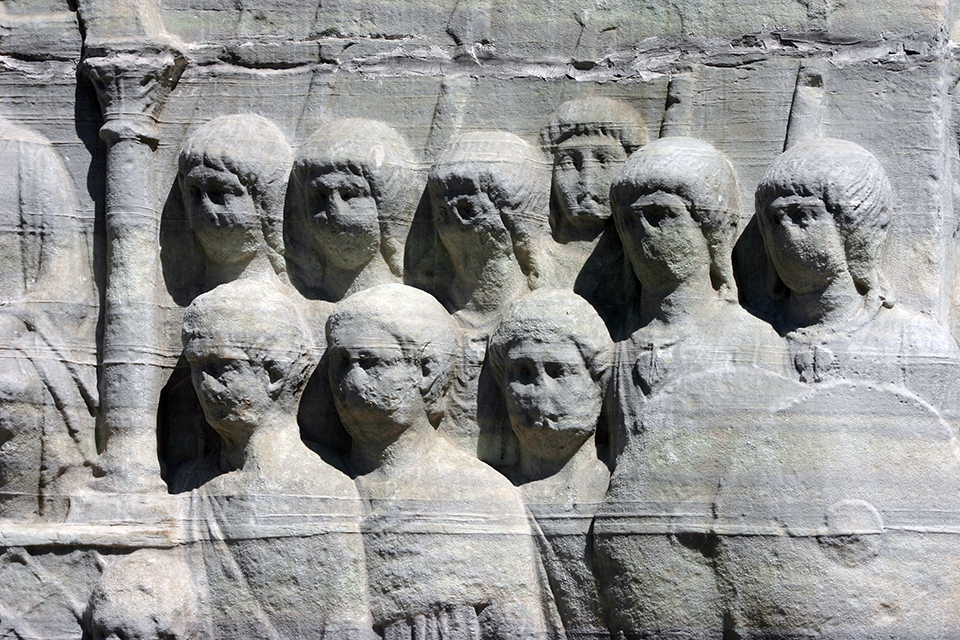
In AD 294, Sirmium was proclaimed one of the four capitals of the Roman Empire and allotted to the emperor Galerius. Sirmium boasted an imperial palace, a horse-racing arena or hippodrome, a sporting arena, and a theatre. Two bridges crossed the river, Also, the city sported numerous baths, villas, and public palaces. Glued to its important status were the silver mines in the Dinaric Alps and the mint established in the city. Already by the third century, the Sirmium housed a Christian community and from c. 300 the bishop acted as metropolitan for the Pannonian bishops. The first known bishop was Irenaeus of Sirmium, who was martyred together with his deacon St. Dimitrius and others during the Diocletian persecutions in AD 304.
Archaeologist have provided evidence for a vibrant cult in the 4th and 5th centuries. However, around AD 600 the Avars destroyed the city, and the cult was not renewed until the Bavarian and Byzantine missions took off in the 10th century,
The following translation is based on one of the earlier manuscripts containing the vita: (ÖNB), Cod. Ser. n. 371, Österreichische Nationalbibliothek. The manuscript is dated to the 10th century and derives from Salzburg.
Passio sancti Irenaei episcopi – The Passion of the Blessed Bishop Irenaeus
When there was persecution under the emperors Diocletian and Maximian, Christians, participating in various agonies and with a devoted mind to God willingly endured punishments inflicted by tyrants. Thus, they made themselves participants in perpetual rewards.
This also happened to the servant of God, Irenaeus, Bishop of the city of Sirmium, whose trial I shall now recount for you to show you his victory. He, because of his inherent modesty and his fear of God whom he served with worthy deeds, was found worthy of his name.
So, he was seized and presented before the rightful governor of Pannonia. This governor said to him, “Obey the divine commands, and sacrifice to the gods.” Irenaeus answered, “He who sacrifices to gods and not to God will be eternally lost.” The governor said, “The most merciful emperors have commanded that you either sacrifice or succumb to tortures.” Irenaeus replied, “For me, it is commanded to endure tortures rather than denying God and sacrificing to demons.” The esteemed governor ordered him to be tortured.
And when he was severely tortured, he said to him, “What do you say, Iraeneus? Sacrifice!” Ireaneus responded, “I sacrifice through a full confession to my God, whom I have always worshiped”.
His relatives, seeing him being tortured, implored him; his children embraced his feet, saying, “Have mercy on yourself and us, father.” The women, with mournful faces, begged for his life. But, detained by a better desire, he held the judgement of the Lord before his eyes, who says, “If anyone denies me before men, I will deny him before my Father who is in heaven.”
Disregarding everyone, he responded to none and hastened to attain the supreme hope of his calling. The erightful governor said, “What do you say? For the sake of your youth, be moved by the tears of these, and sacrifice.” Irenaeus responded, “I look to eternity; I am resolved, I shall not sacrifice.” The rightful governor ordered him to be taken to prison.
For many days, he was confined there and subjected to punishments. But at a certain time, in the middle of the night, the most blessed martyr Iraeneus was brought again before the tribunal of the rightful governor. This governor said to him, “Now sacrifice, Irenaeus, gain by sacrificing and avoid pains.” Iraeneus responded, “Do what is commanded; do not expect this from me.”
The rightful governor again ordered him to be beaten with rods. Irenaeus responded, “I have God, whom I have been taught to worship from my earliest age; I adore Him, who confirm me in all things, and to whom I also bring offers. But I cannot adore gods made by hands.” The rightful governor said, “Gain death. Let the tortures you endured be sufficient.” Irenaeus responded, “I shall obtain death through those punishments which you think to inflict on me, which I do not feel. Because of God, I shall receive the eternal life.”
The rightful governor then said, “You have a wife, Irenaeus.” Irenaeus responded, “I do not have one.” The rightful governor said, “You have sons.” Irenaeus responded, “I do not have any.” The rightful governor said, “You have parents.” Irenaeus responded, “I do not have any.” The rightful governor said, “And who were those who lamented your past inquisitions?” Irenaeus responded, “It is the command of my Lord Jesus Christ, who says, “He who loves father or mother or wife or sons or brothers or parents more than me, is not worthy of me.” Therefore, looking up to God in Heaven and turning toward His promises, while despising all things, I offer up myself for them.” Irenaeus responded, “My sons have God. By His grace, I can save them. But you, do what you are commanded to do.” The rightful governor said, “I advise you, young man, sacrifice, so that I do not have to inflict tortures on you.” Irenaeus responded, “Do what you wish. Soon you will see how much esteem, the Lord Jesus Christ will grant me as opposed to your scheming.”
The rightful governor said, “I will pass the sentence on you.” Irenaeus responded, “I congratulate you if you do. Passing the sentence, the rightful governor said, “I order that Irenaeus, disobedient to imperial commands, be thrown into the river.” Irenaeus responded, “I expected your many threats and many tortures, so that, because of these, you might subject me to the sword. But you have decided not to inflict this. I pray that you understand how Christians, because of the faith they have in God, are accustomed to despise death.”
Therefore, angered, the rightful governor, at the calm and trust of the most blessed man, ordered him to be struck with a sword. The holy martyr, as if being met with waving palm branches, gave thanks to God, saying, “I thank you, Lord Jesus Christ, who, through various pains and tortures, which you have granted me patience to suffer, that you have deemed me worthy to partake in your eternal glory.”
And when he came to the bridge called Basentius, he removed his clothes, extended his hands to heaven, and prayed, saying, “Lord Jesus Christ, who deigned to suffer for the salvation of the world, let your heavens open to receive the angels. Let them receive the spirit of your servant Irenaeus, who, for your name and your people in your Catholic Church in Sirmium, endures these things. I beg you, for your mercy to receive me and to deem us worthy as faithful.
Thus, struck by the sword by the officers, he was thrown into the river. The servant of God, the holy bishop Irenaeus of the city of Sermium, suffered on the 8th of the Ides of April. Under the Emperor Diocletian, with Probus acting as governor, and our Lord Jesus Christ reigning, to whom the glory be forever and ever. Amen; the account is complete.”
Le dossier hagiographique d’Irénée, évêque de Sirmium
By François Dolbeau (2000)
Antiquité Tardive. Revue Internationale d’Histoire et d’Archéologie (IVe-VIIe siècle), Vol 7, pp. 205-214
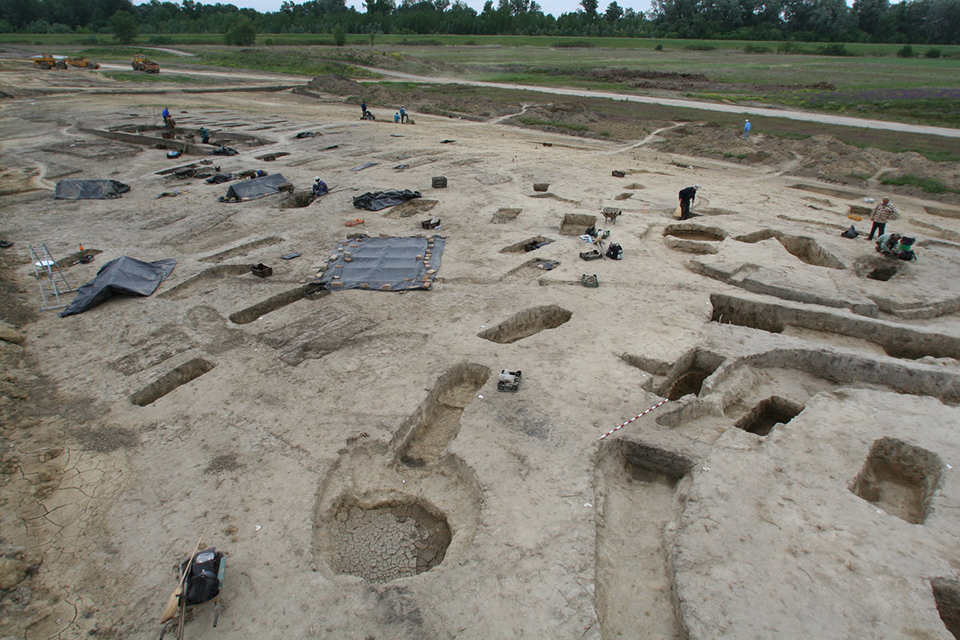
Roman Sirmium is located beneath modern day Sremska Mitrovica on the River Sava. Once a major Roman city, it was destroyed by the Avars