Who shaped the Medieval City of Paris? Kings, Abbots or Burghers? New Book explores these questions from multiple and different angles.

Who shaped the Medieval City of Paris? Kings, Abbots or Burghers? New Book explores these questions from multiple and different angles.
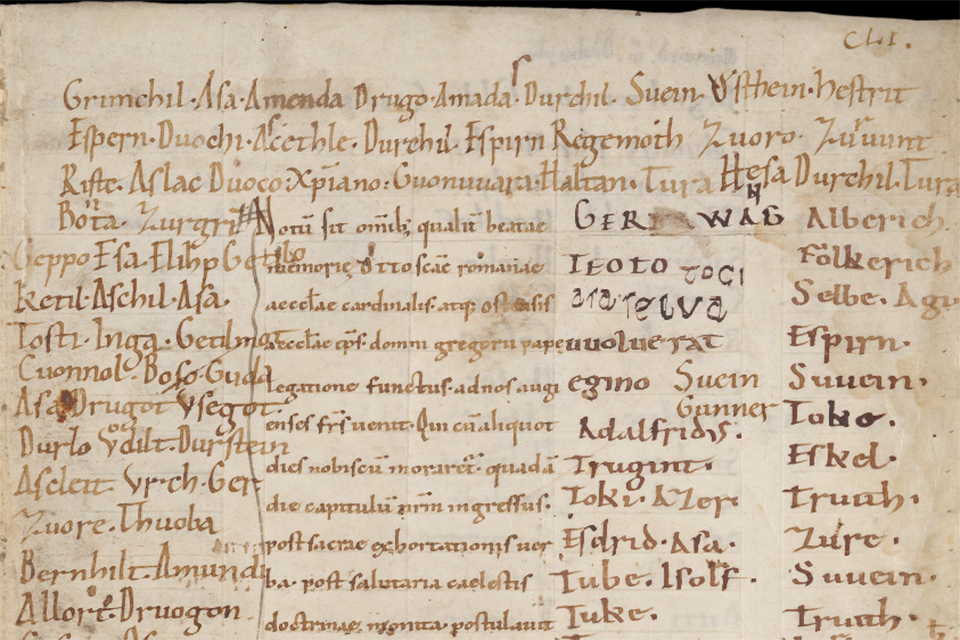
From ca. 1000, Scandinavian pilgrims travelled south to reach the large centres. Registered in the Confraternity Book from Reichenau, we know the names of more than 700 Scandinavian pilgrims from the 11th and 12th centuries. A new research project aims to determine what these people were called back home and abroad.
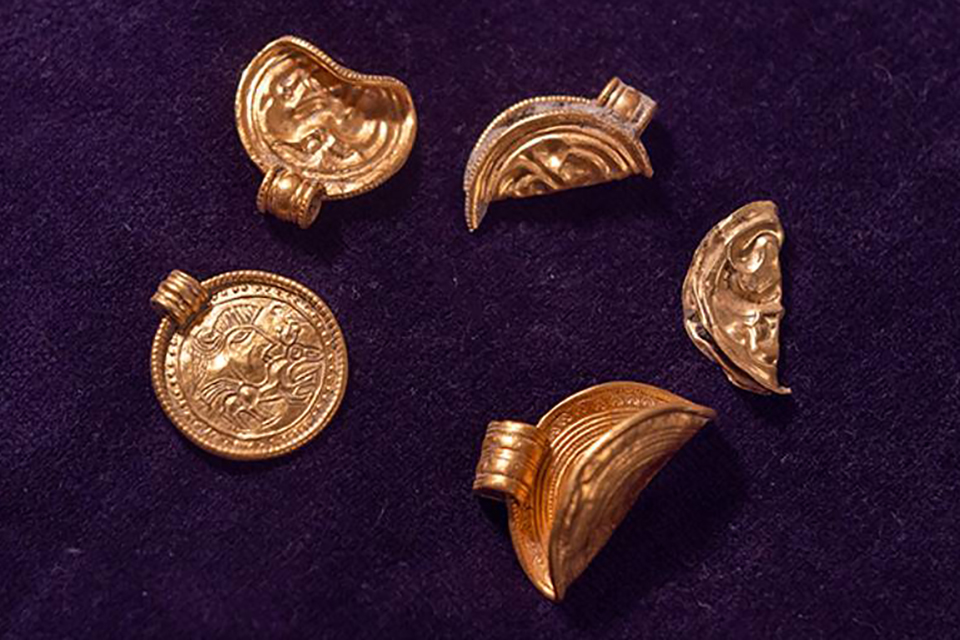
Bracteates were thin golden sheets stamped with North West Germanic motifs. A recent overview shows how they were included in various rituals in Northwestern Europe ca. 400-600.
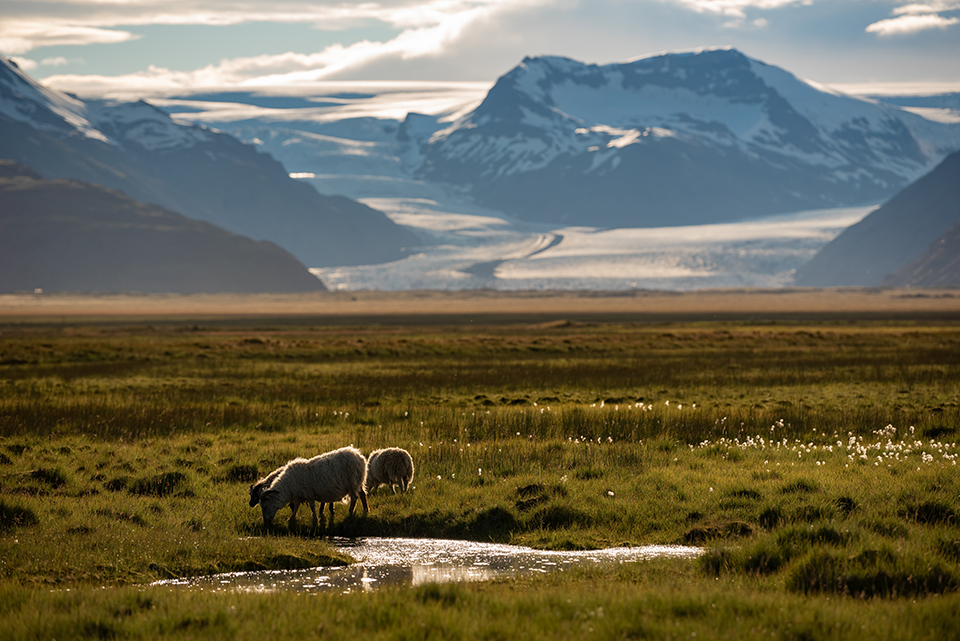
In the Old Norse poem “Darraðarljoð” from Njál’s Saga we hear of the Valkyries—Óðin’s female warrior spirits—weaving the cloth of history and deciding the fates of men and nations. New book explores the very real and practical role of women played in the North Atlantic culture and economy
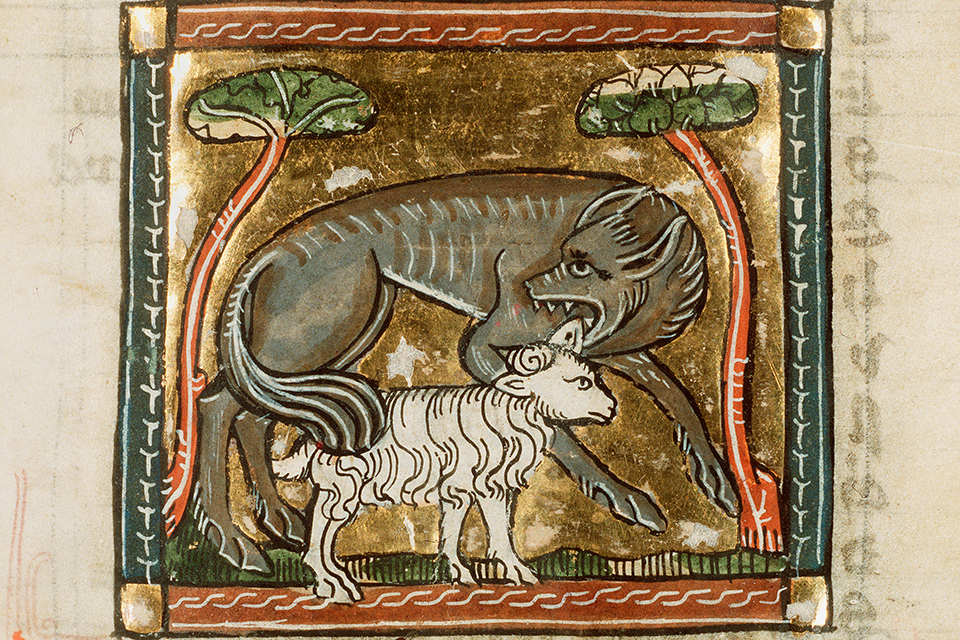
Roman and Germanic people revered the wolf in Late Antiquity and the early Middle Ages. So why did a pernicious hate of one of Europe's remaining predators supersede the veneration in the Early Middle Ages?
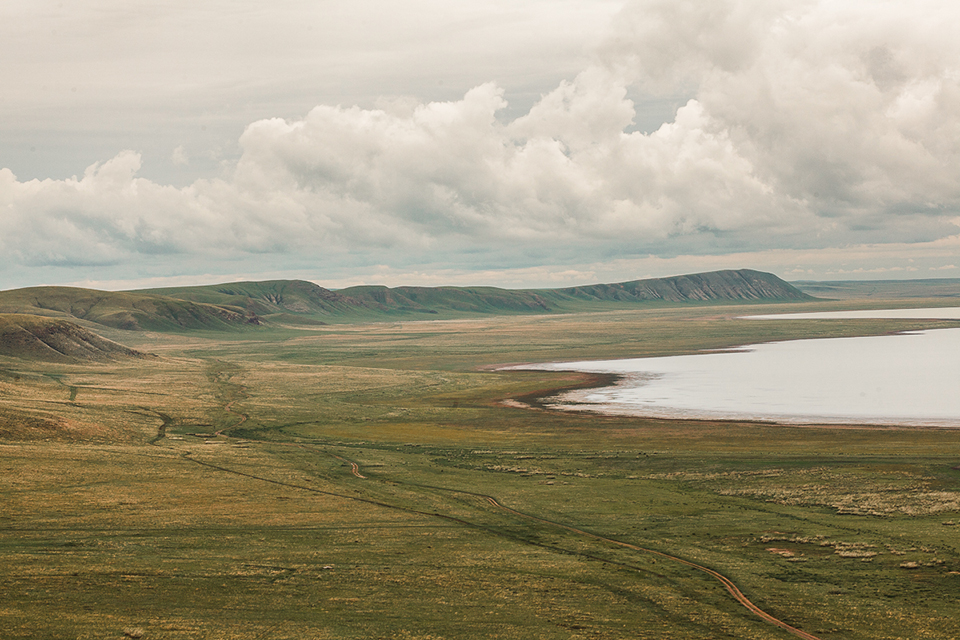
What Happens During Rapid Climate Changes? What can we learn from History?
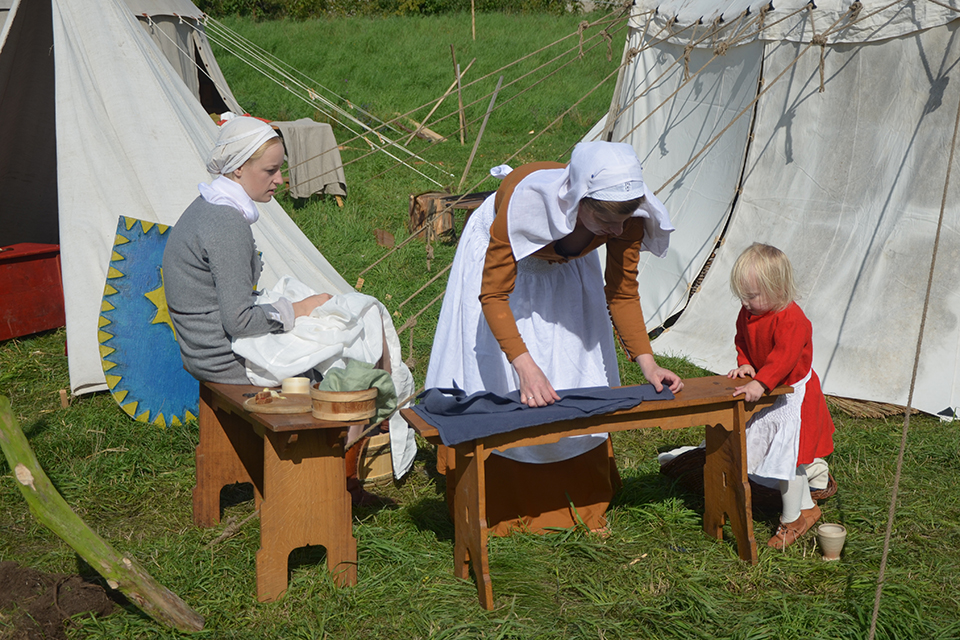
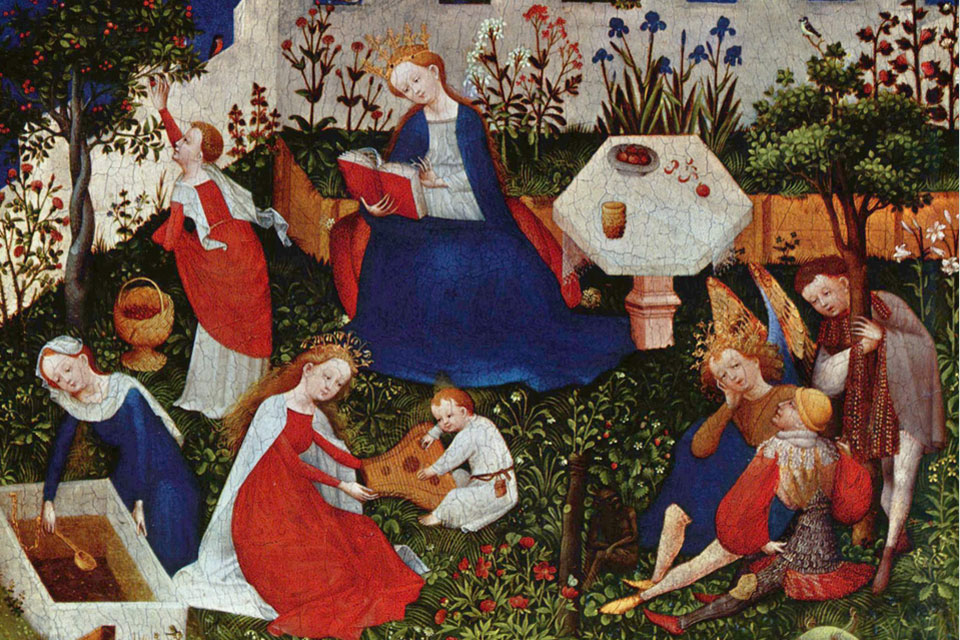
Medieval Conferences lists major events - check out the dates and see what is happening around the Medieval World in 2022
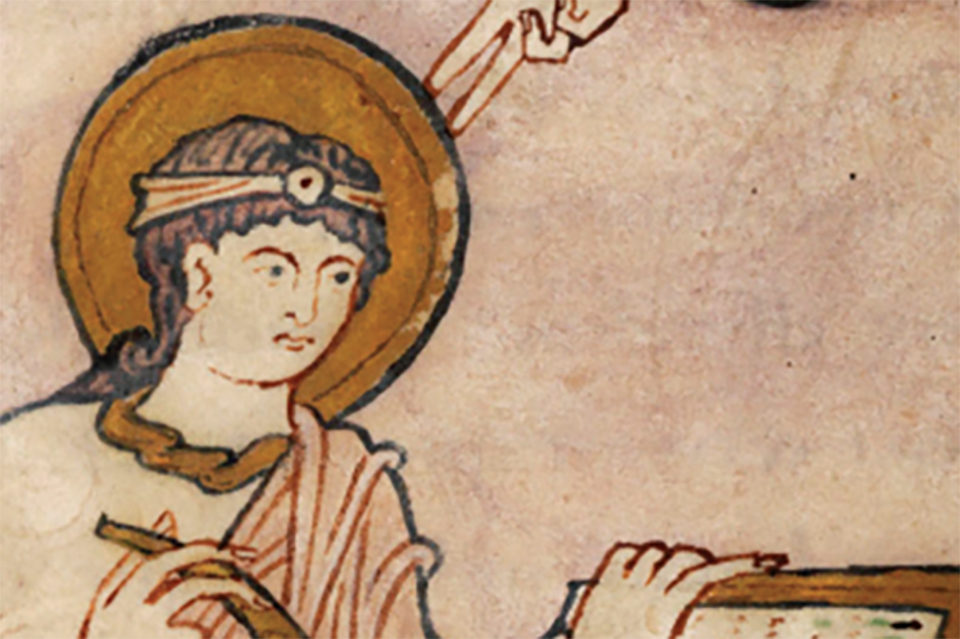
In 2023 Worcester commemorates the 1000th anniversary of the death of Wulfstan, Bishop of Worcester (1002-16), Archbishop of York (1002-23), and revered uncle of St Wulfstan (1062-95)
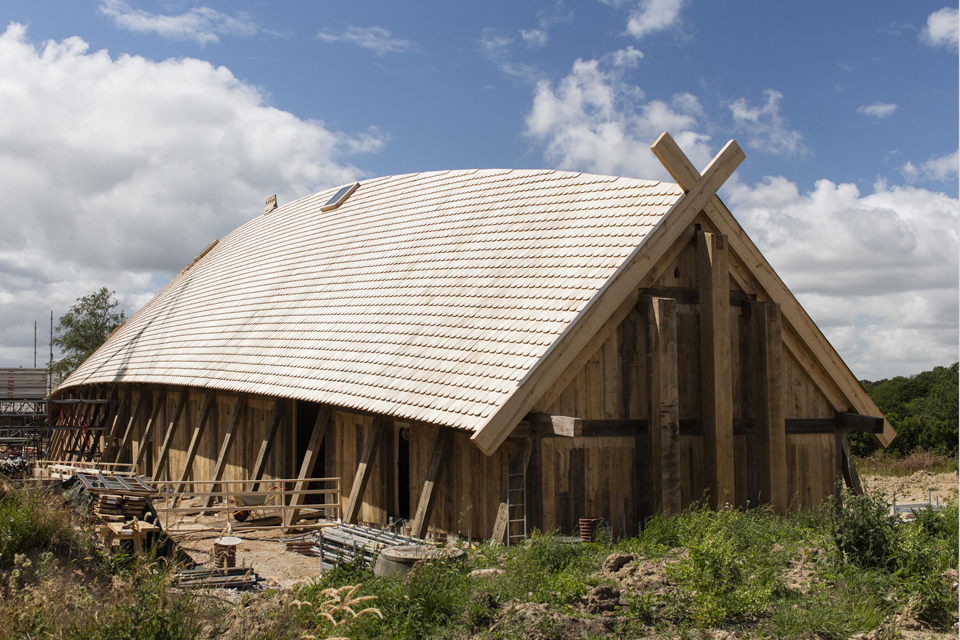
The heroic poem about Beowulf is often considered the most accomplished example of Old English poetic literature. Based on an oral transmission of a Scandinavian epic from the 6th century, it presents a convoluted history
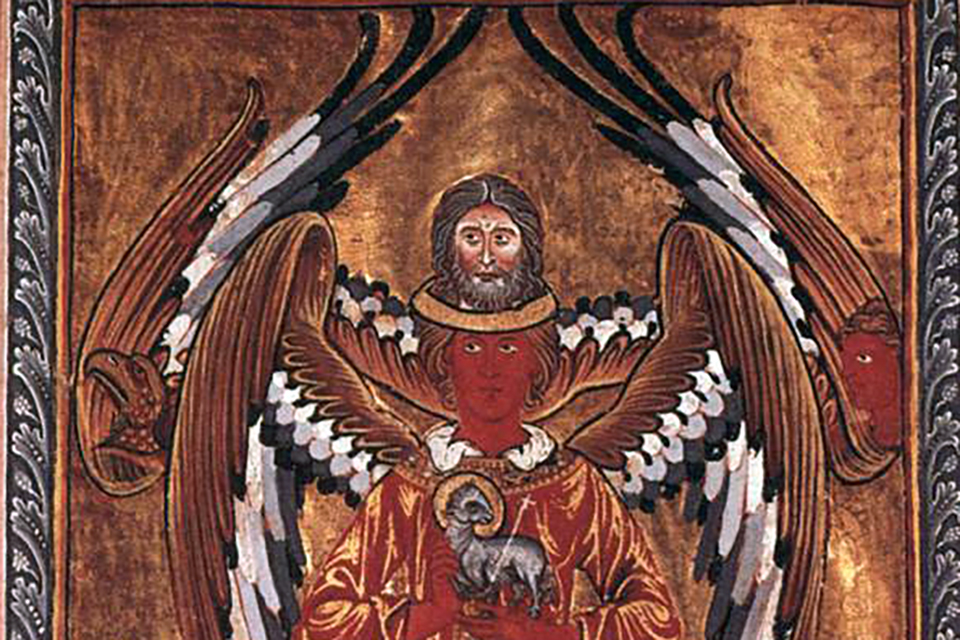
What role did allegory play in the theological and visionary writings of Hildegard og Bingen? Dinah Wouters offer a new interpretation of the visionary's writings.
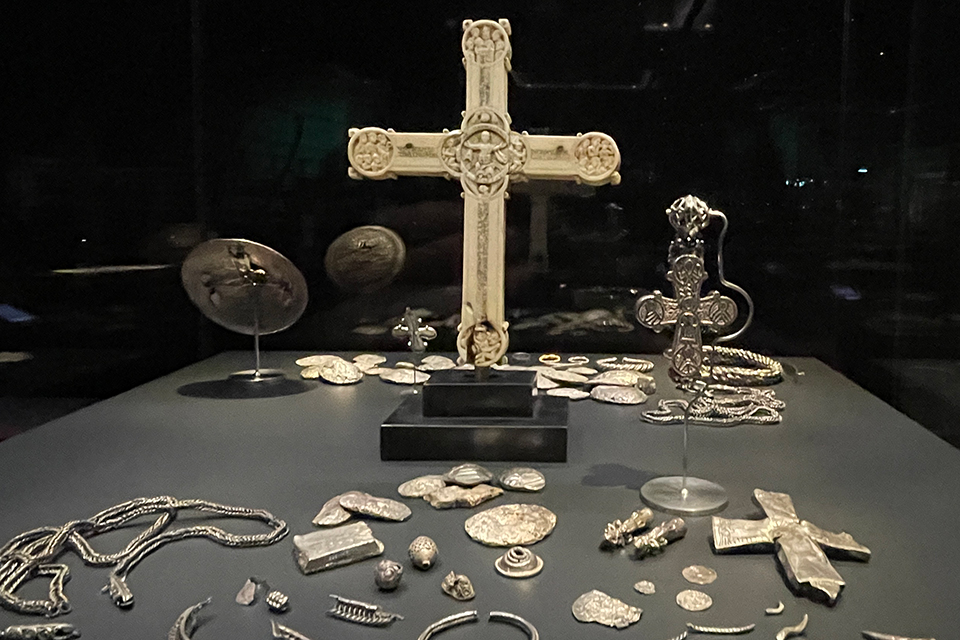
A review of two major new Viking exhibitions in Stockholm and Copenhagen, raises the question of how to impart knowledge of the Viking Age to the interested public.
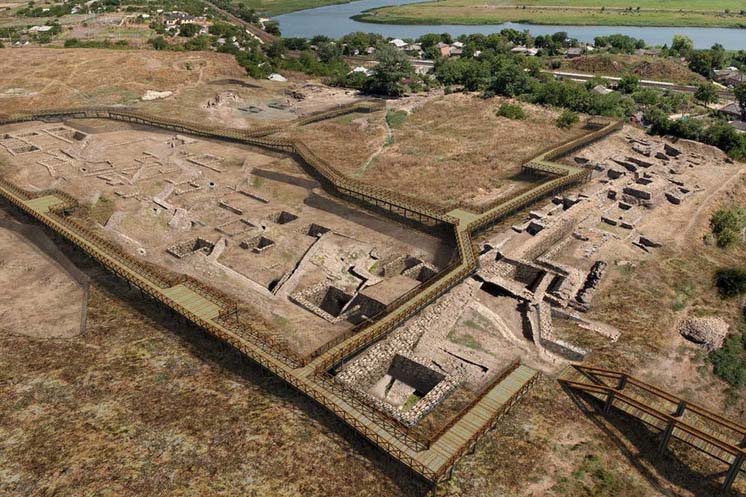
Source:
Laying the Corpses to Rest: Grain, Embargoes, and Yersinia pestis in the Black Sea, 1346–48
By Hannah Barker
In: Speculum (2021), Vol. 96, No. 1, pp. 97–127
When, how, and why did the Black Death reach Europe, and why were the results so devastating? Recent phylogenetic studies of the bacterium Yersinia pestis have demonstrated that the specific strain responsible for the catastrophe developed in China in the first half of the thirteenth century. The bacterium then took approximately 150 years to reach the area near Lake Issyk-Kul in modern-day Kyrgyzstan, where tombs dated to 1338–1339 bear witness to an outbreak. From there, it took approximately seven years to reach the Venetian colony of Tana, near the Sea of Azov, and Solgat in the Crimea. From these locations, it spread to Constantinople and then to the major ports and trading hubs of the eastern Mediterranean, such as Alexandria, Messina, Genoa, Marseille, Ragusa, and Venice. Finally, the disease spread inland as well as northwards.
This leads to a specific question: why did the pestilence gain such gravitas at this particular moment? Why did it “suddenly” erupt with such violence? And, if at all, to what extent was this caused by endemic reservoirs that had survived from the Justinianic plague of the sixth century? Archaeologists and scientists are currently studying the different strains of the bacterium and how they shaped the course of the European catastrophe.
Sources produced by people present in the Black Sea region during the Second Pandemic—including Genoese colonial administrators, Venetian diplomats, Byzantine chroniclers, and Mamluk merchants—offer an important perspective. They show that the Venetian community at Tana played a significant role in plague transmission; that it took over a year (from spring 1346 to autumn 1347) for the plague to cross the Black Sea to Constantinople; that people crossed the Black Sea in 1346, but commodities did not, owing to a series of trade embargoes; that grain was one of the most important Black Sea commodities in both volume and strategic value; and therefore that the embargoes of 1346 delayed plague transmission by temporarily halting the movement of grain, along with its accompanying rats, fleas, and bacteria.
When Venice, Genoa, and the Golden Horde made peace and lifted their embargoes in 1347, both the grain trade and the spread of plague resumed, precipitating the later European disaster and devastation.
In a brilliant and detailed exposé of the evidence provided by letters, diplomatic reports, legal documents, and chronicles, the historian Hannah Barker lifts the veil on these crucial political manoeuvres, which delayed the spread of the pestilence.
Recent studies from 2025 supplements this study by demonstrating how a forced volcanic climatic cooling-off of the Mediterranean region in the year 1346 led to a significant drop in average temperatures of between 1.5º and 2º, which caused widespread famine. Although not as harsh as the downturn caused by the Samala eruption in 1256, this led to an invigorated diplomatic effort to have the embargo lifted so that cities in Italy might lessen the strain by importing grain. Ultimately this is claimed to be the last missing piece. However, the question still remainss, to which extent and how, bacterial reservoirs and other rodents than the black rats played a role in the north of Europe.
In 2016, several conferences were organised in the heady days of the election leading up to Brexit. Now, the papers have been published from several of these conferences, presenting us with a cultural history of the events, which took place a thousand years ago. In particular, three recently published books offer different perspectives on the events which took place a thousand years ago. Do read the three books in following order.

However, in the 21st century, when social media has fostered a new preoccupation with our neighbours as well as persons like Trump, Putin, and Xi Jinping, we see many more biographies published. One of these might have been the new companion to William the Conqueror. By contrast, this companion introduces us more to the world of William and less to the man himself.
Accordingly, this book offers a fine introduction to not just the three realms – Normandy, England, and Scandinavia – but also the landscapes and settlements, the social strata and their institutions, as well as the lifeworld and mentality. As such, the companion proactively states in the introduction that it is not intended to be a companion to William the Conqueror but the companion to his “the age”. Thus, the present book does not offer an introduction to the conqueror’s life and career, nor are we treated to the minutiae of his invasion or the Battle of Hastings. Instead, we get a proper stage-setting or sounding board, which can be used as an introduction to the two books mentioned above.
Emphatically, this is also the intention of the editor, who writes that “his” companion is intended to “buck the trend” of students collecting exam results and grade points. Instead, this book aims to offer “contextual information and guidance” to students who wish to embark on the exciting journey of discovering a corner of the history of the Middle Ages.

The book does speak to the themes of immigration, government and Europe, but it also presents us with a cultural history of the life and times of Cnut the Great, which is both intriguing and vastly entertaining. Thus, we encounter Cnut as a latter-day Aeneas, a Viking tomb-raider in high spirits, a youngster bent on enjoying the good life, and a king attracting the best and the most skilled artists and poets to his court. And we follow him archaeologically to his coronations in both Winchester and Viborg and join him on his tour of Europe, ending up as a pilgrim in Rome. A man of all times, in short. Highly entertaining and hence recommended.

While focusing on the high politics, the leading players, and the legal and bureaucratic practices surrounding the events, a cultural history of different persons and perspectives takes the scene. With splendid articles on the social, ideological, and artistic framework, a proper cultural history is sketched in this wide-ranging book.
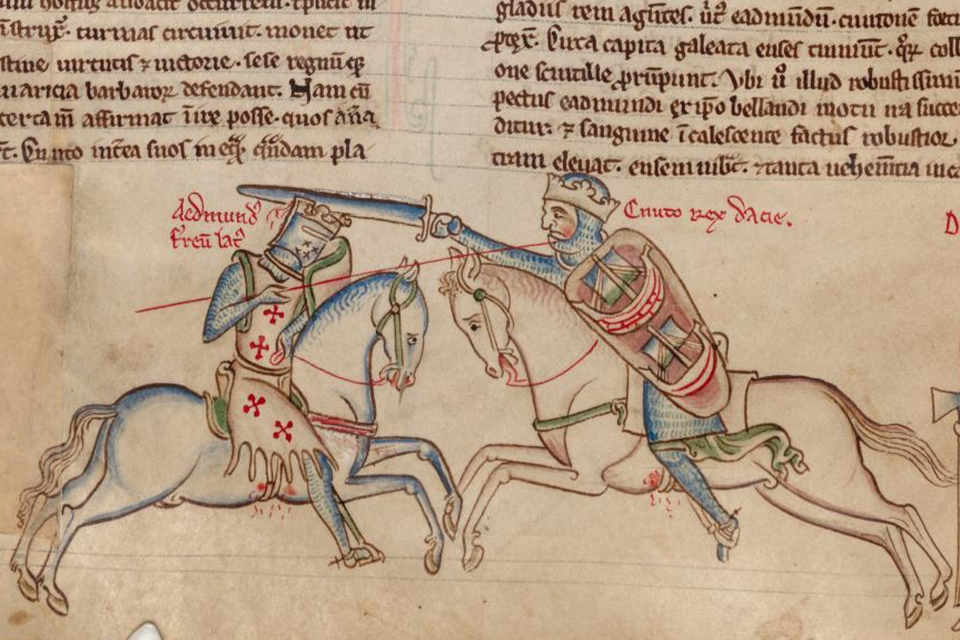
Cnut the Great and Edmund ironside at the Battle of Assandun. Source: Matthew Paris, Chronica Majora, Cambridge, Corpus Christi College MS. 26, fol. 80v/Wikipedia (Open Domain)
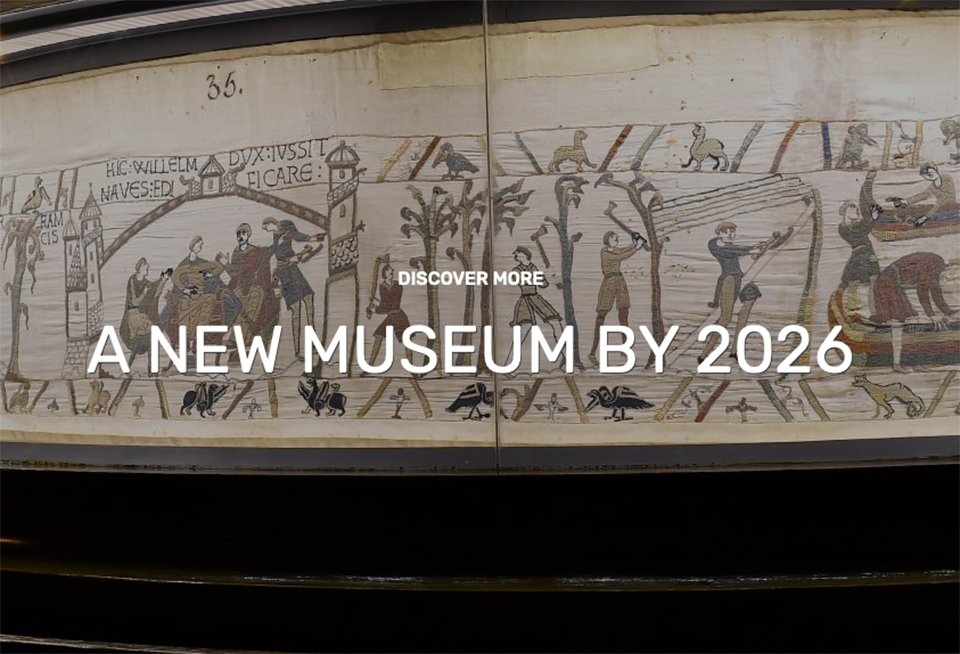
Will the future for the exhibition of the Bayeux Tapestry look like the Grotte de Lascaux? With access to the authentic tapestry closed off for the wider public?
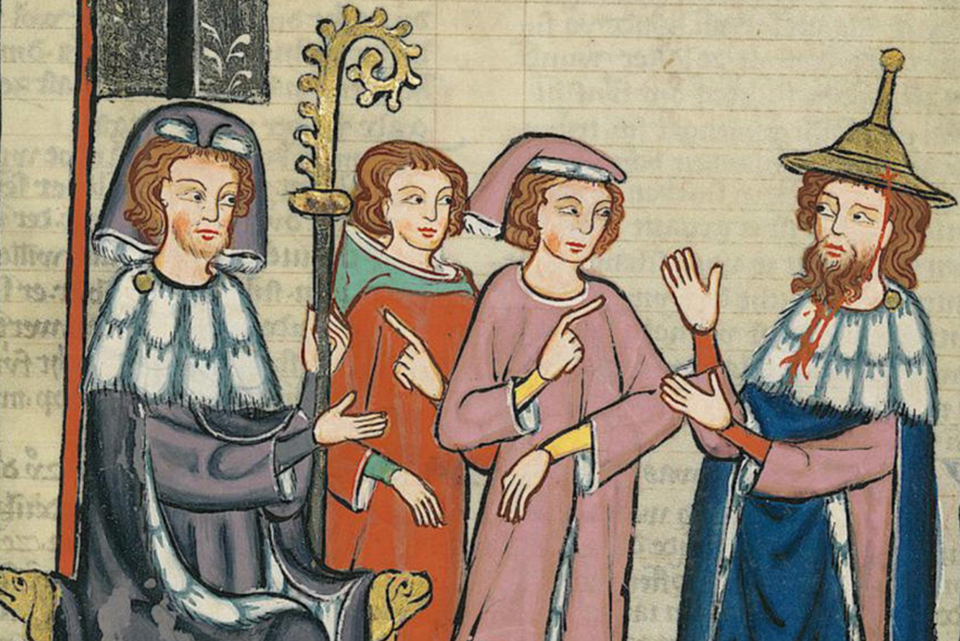
Jewish Woman lived complicated lives experiencing family, sex, work, faith and cris in a particular way. New book serves as an important introduction


