The Museum of the Middle Ages in Paris – Musée de Cluny – has seen a stagnation, maybe even a downturn in the number of visitors. Why?
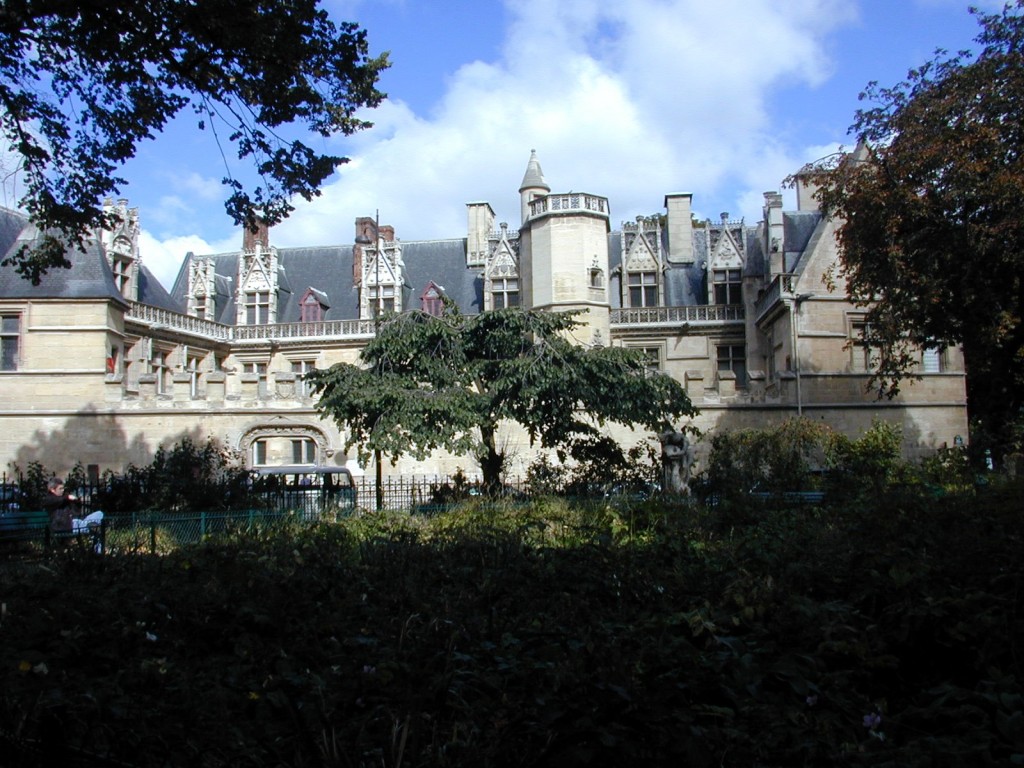
The Museum of the Middle Ages in Paris – Musée de Cluny – has seen a stagnation, maybe even a downturn in the number of visitors. Why?
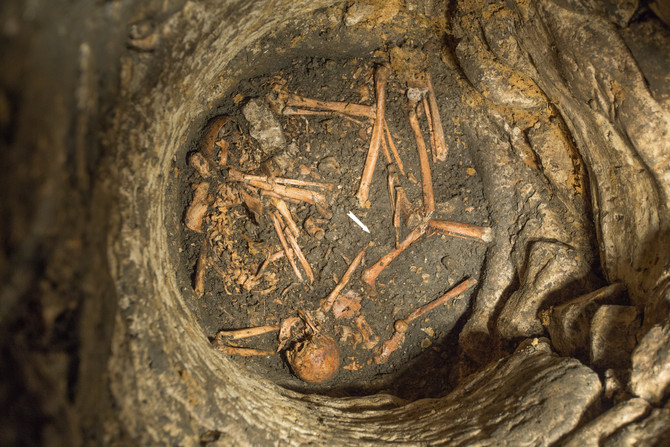
INRAP – Institut national de recherches archaeologiques preventives – recently finished an archaeological investigation of a Roman village, Intaranum. Located in the Northwest of France at the crossroad of an important Roman network of roads it covered more than 120 ha2 of which 1000 m2 has been excavated. The archaeological investigation has uncovered a stretch of a road, a forge and a series of stone houses complete with bathing facilities equipped with hot and cold baths. These were supplied with water from deep wells.
Excavating one of these, the archaeologists found a gruesome collection of human skeletons packed in a layer measuring more than 3 metres. It is estimated that between 20 to 30 bodies were dumped into the well. Representing a collection of men, women and children the people are believed to be of civilian origin.
Even though the wells are from the antiquity, the bodies have preliminarily been dated to the period between the 8th and the 10th century. This leaves us with a number of plausible events, which may indirectly have caused the medieval massacre:
1) In 841 the sons of Louis the Pious – Lothar, Charles the Bald and Louis the German fought at Fontenoy, 25 km north of Entrains – about a days ride up North. Charles the Bald set up camp in Thury, 16 km from Entrains.
2) After 845 the Vikings arrived in the region pillaging not only Paris, Chartres and Beauvais but also Orleans and the Abbey of Saint-Benoit-sur-Loire. The massacre may have been the result of a Viking band of warriors pillaging the countryside, 30 km inland from Loire.
3) The third explanation presented is more general. The massacre may simply have been caused by one of the groups of brigands, which were known to pillage villages before the turn of the millennium, which witnessed the formation of the peace-movement, Pax Dei meant to control anarchy and widespread violence which followed in the weakening of the Carolingian power.
Future studies of the skeletons will hopefully provide a more precise date plus more information about the dead and whether they show signs of mutilations and violence. One possibility is also that the dead people were the victims of an epidemic. However, if this was the case, the question remains why they were not buried in the local cemetery, but rather dumped in a well.
SOURCE:
Au fond du puits, mystérieuse découverte à Entrains-sur-Nohain
INRAP 18.12.2013
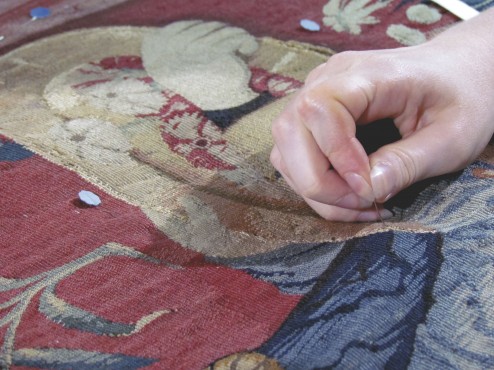
This week the restored tapestries of the "Lady with a Unicorn" were unveiled at Musée de Cluny...

New article outlines the conversion of Byzantine churches into Mosques in Turkey...

The Dictionary of Medieval Latin from British Sources nears its end and is celebrated...
A manuscript with the earliest Welsh poem, Y Gododdin, ca 600 AD has been digitized...
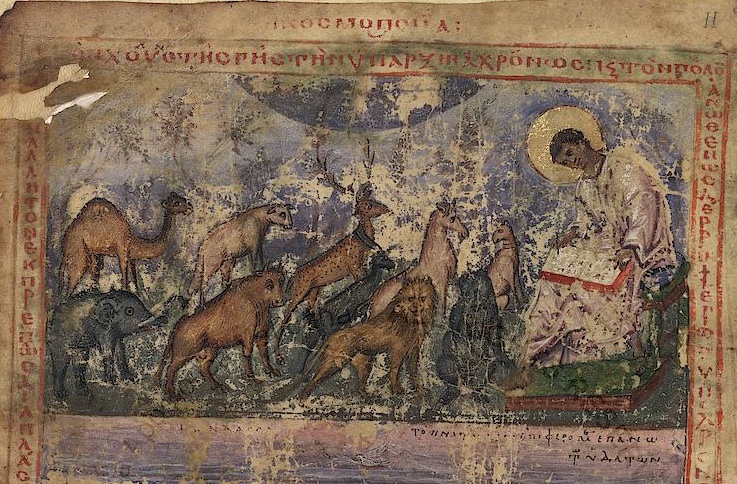
The two Libraries are digitizing their Greek and Hebrew manuscripts plus incunabula...
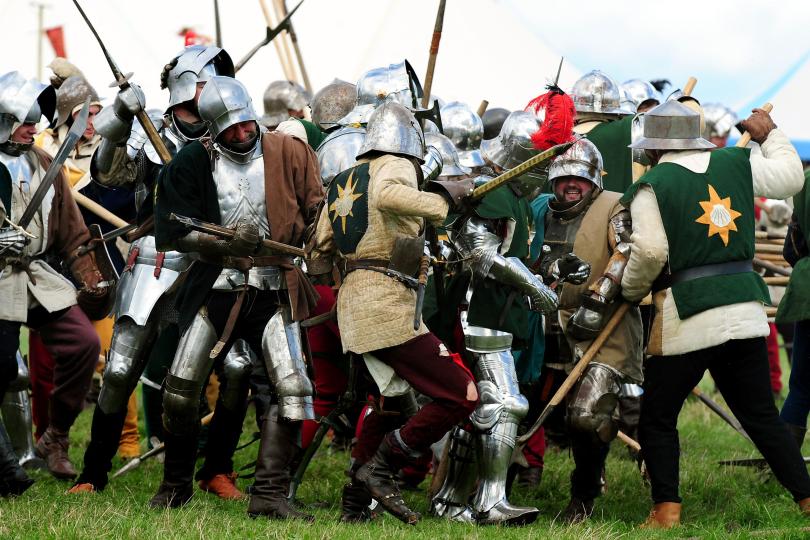
A new course offered for free by the University of Leicester in association with FutureLearn builds a picture of the England that Richard III inhabited in the 15th century—and comes from the scholars in archaeology, history and literature who helped uncover the monarch, whose remains were found underneath a car-park in Leicester in 2012. Over 10,000 people signed up to the first release of the course, and interest in the course has been so high that similar numbers are expected for the second release.
The course, which is already fully booked, will explore a time that saw huge upheavals, including savage dynastic warfare, shifting allegiances among a powerful aristocracy, and significant depopulation. Students will also learn about how workers become more prosperous as wages rose, and how introduction of printing transformed access to literacy and books.
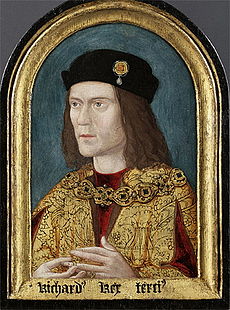
The six week course, starting on the 25th of November, will cover a different feature of Richard III’s England each week, including:
They are no entry requirements, but the course will be taught by leading academics in the field. It will entail about two hours of study a week.
“We think we’ve developed a course that will really enhance your interest and understanding of the period,” said Deirdre O’ Sullivan, Lecturer in Medieval Archaeology in the School of Archaeology and Ancient History. “As well as the way in which scholars go about identifying the questions that need to answered and bringing evidence to bear on them. There are many controversies about the period and we hope that by the end of the course you will armed with enough knowledge to formulate your own views of the credibility, or otherwise, of some of the theories around.”
The course is a MOOC—a Massive Open Online Course, delivered online to enable anyone to enjoy learning—wherever they are, and whether they are enrolled at university or not. They are offered in association with Futurelearn, which is owned by the Open University and currently launched in beta form.
FutureLearn, set up in December 2012, offers free MOOCs in partnership with 23 UK universities and three international institutions, along with the British Museum, British Library and British Council.
This MOOC is the first such course offered at the University.
“At Leicester we’ve got a lot of experience in delivering distance learning courses”, said Deirdre O’Sullivan, “We run a full set of programmes at master’s and undergraduate level, and we’ve been doing this for a long time, so we think we understand the needs of distance learning students.”
Please note that all places are currently filled on this release of the course. Applications for the next release are open; the next course will start in midsummer 2014.
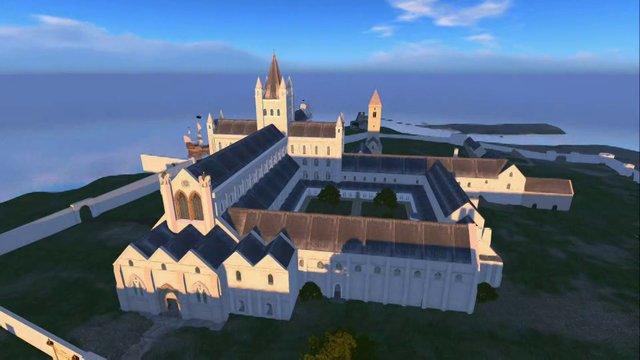
Review: Archaeologists, historians and computer scientists at St. Andrews University is busy exploring new technology to create open worlds for time-travellers
Three months after the foundation stone was laid for Campus Galli, the construction of the medieval monastery is bankrupt...
NEW RESEARCH: Black Death Predated 'Small World' Effect, Say Network Theorists...
A priceless Salian Cross from 1050 AD has been stolen from the St. Nicomedes Church...
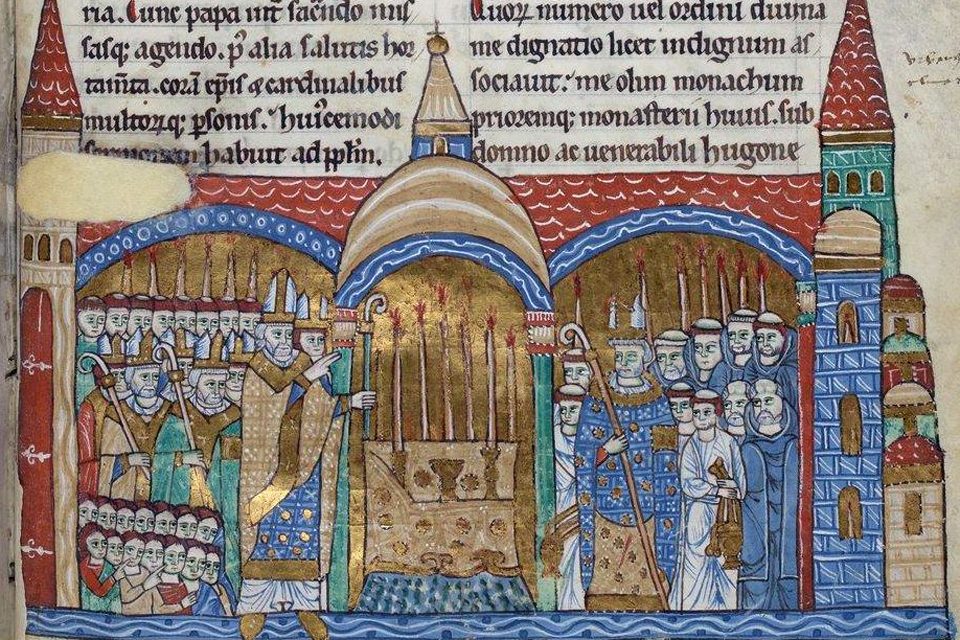
Between 1024 and 1033 the monks at Cluny began commemorating the dead souls on the day after All Saints
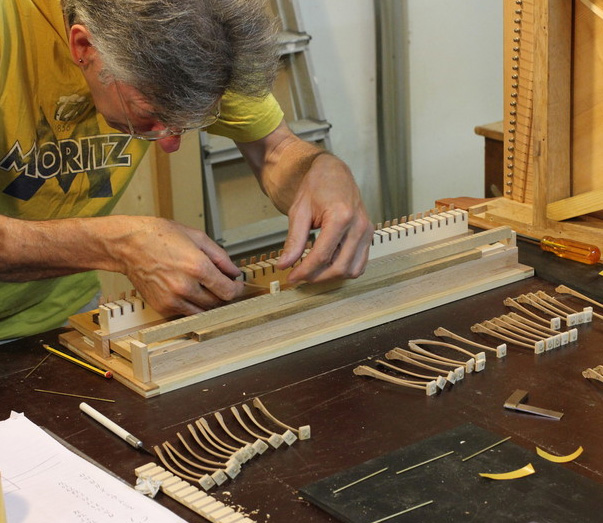
Medieval keyboard instruments like the clavisimbalum were popular in the 15th and 16th century...
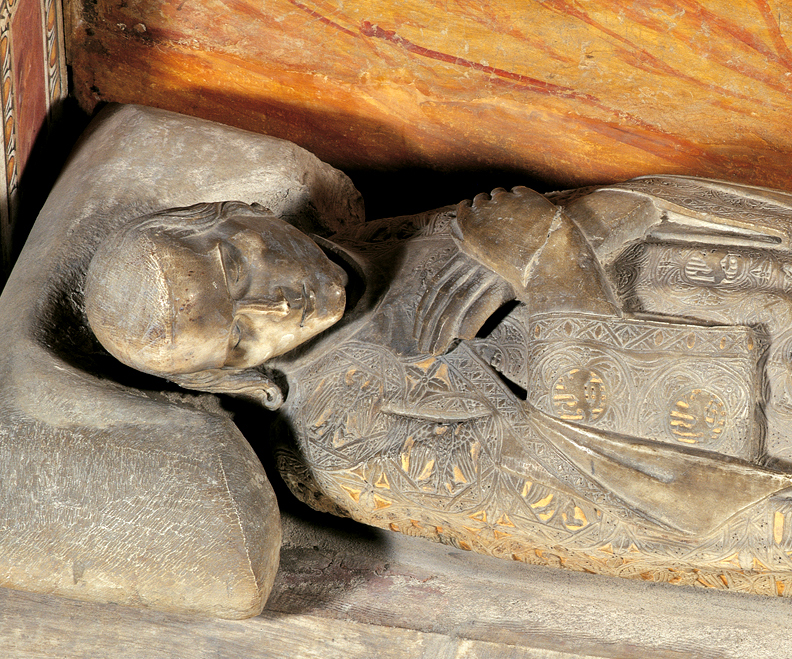
The tomb of Henry VII in Pisa has revealed a fabulous 14th century silken shroud worked with lions ...
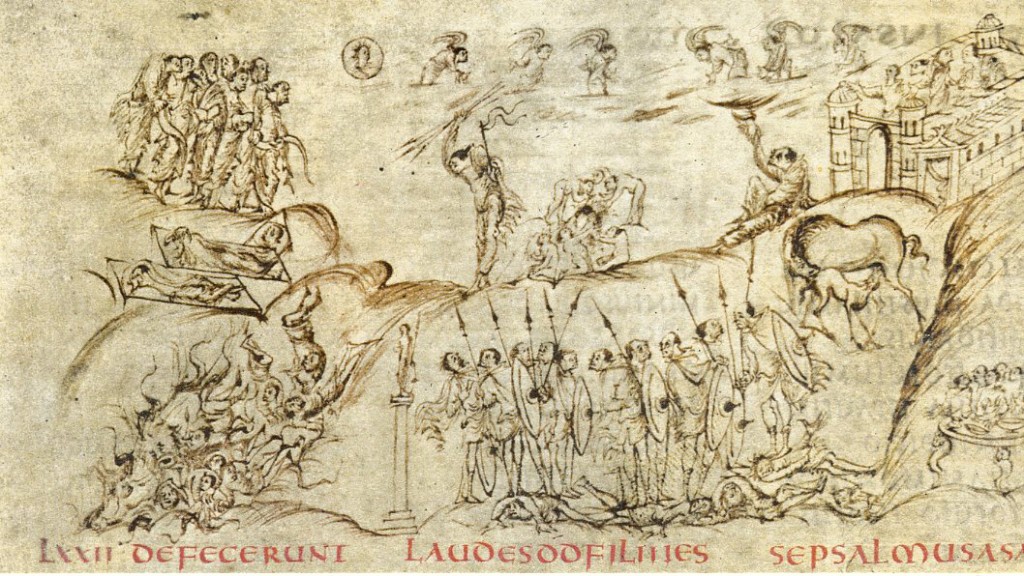
The Utrecht Psalter is not only a Carolingian treasure. It was also the inspiration for Dr. Seuss...